
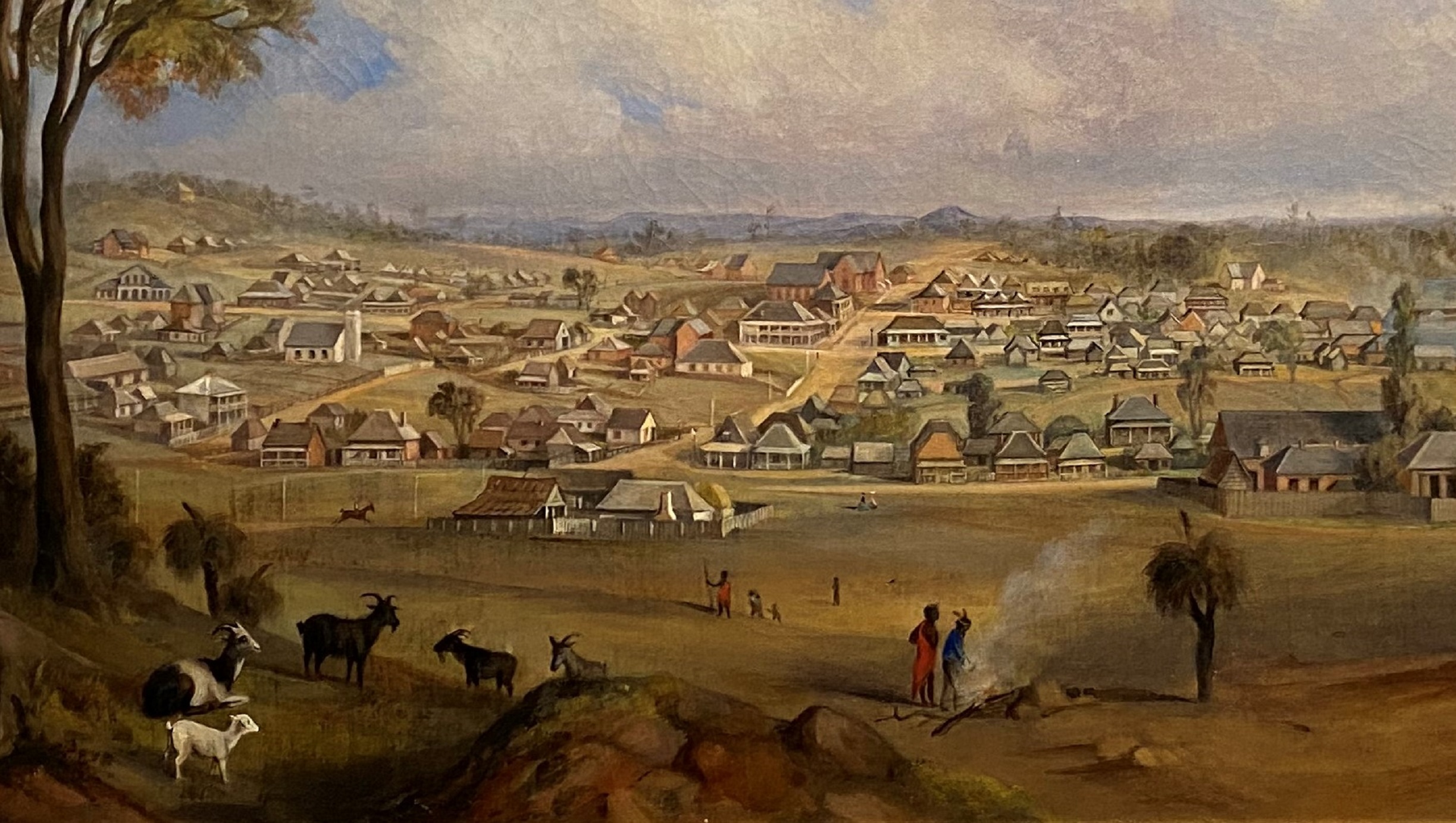
There’s a hidden secret in the 196-year-old history of the Queensland city of Ipswich. It involves three people who are very important to the history of the town, but has a baffling twist. I told a version of this story live on West Bremer Radio.
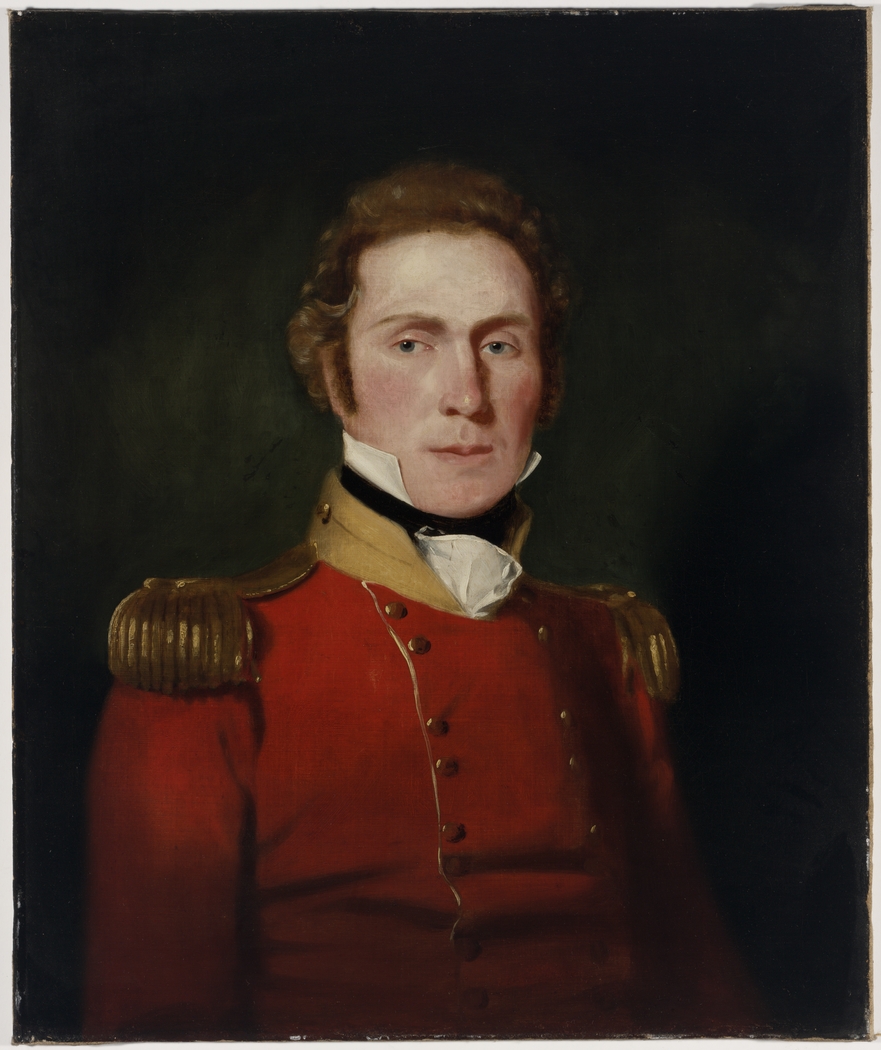
It was at sunset on the 11th of July 1827 that Captain Patrick Logan landed on the banks of the Bremer River near where Ipswich is today. He had rowed upstream for eleven hours. Because of what he discovered Captain Logan established a lime burning operation there. An overseer and five convicts were assigned to quarry the limestone which went to build the colony’s eventual capital of Brisbane.
The local Aboriginal mob called the area “Coodjirar” meaning place of the red-stemmed gum tree. For the settlers it was called “The Limestone Hills” and later shortened to Limestone. There was even a Limestone sheep station.
Captain Logan was the commandant of the Moreton Bay Penal Settlement until his death in 1830 when he was killed by Aboriginals in the Ipswich district. His settlement at Ipswich only happened thanks to the Bremer River, and the river was named after Sir James John Gordon Bremer.

Bremer was a rear-admiral and a third-generation naval officer. He served in the Napoleonic Wars, the First Anglo-Burmese War, and the First Opium War in China. In 1824 he sailed through the Torres Strait – and that’s where I’ll be in a couple of weeks’ time researching history and raising money for the charity Drug ARM.
It was in 1824 that Bremer established Australia’s forgotten colony on Melville Island in the Northern Territory. It was abandoned just four years later in 1828 which is why most Australians have probably never heard of a colony there before.
It was that same year that the Bremer River was first named Bremer’s Creek. Sir James is immortalised today in the name of many landmarks and Ipswich’s West Bremer Radio.
The third of the men of history in this story is Sir George Gipps. He was the governor of the colony of New South Wales. During an official visit to Moreton Bay in 1842, he called into the Limestone settlement. He liked it so much that he changed its name.
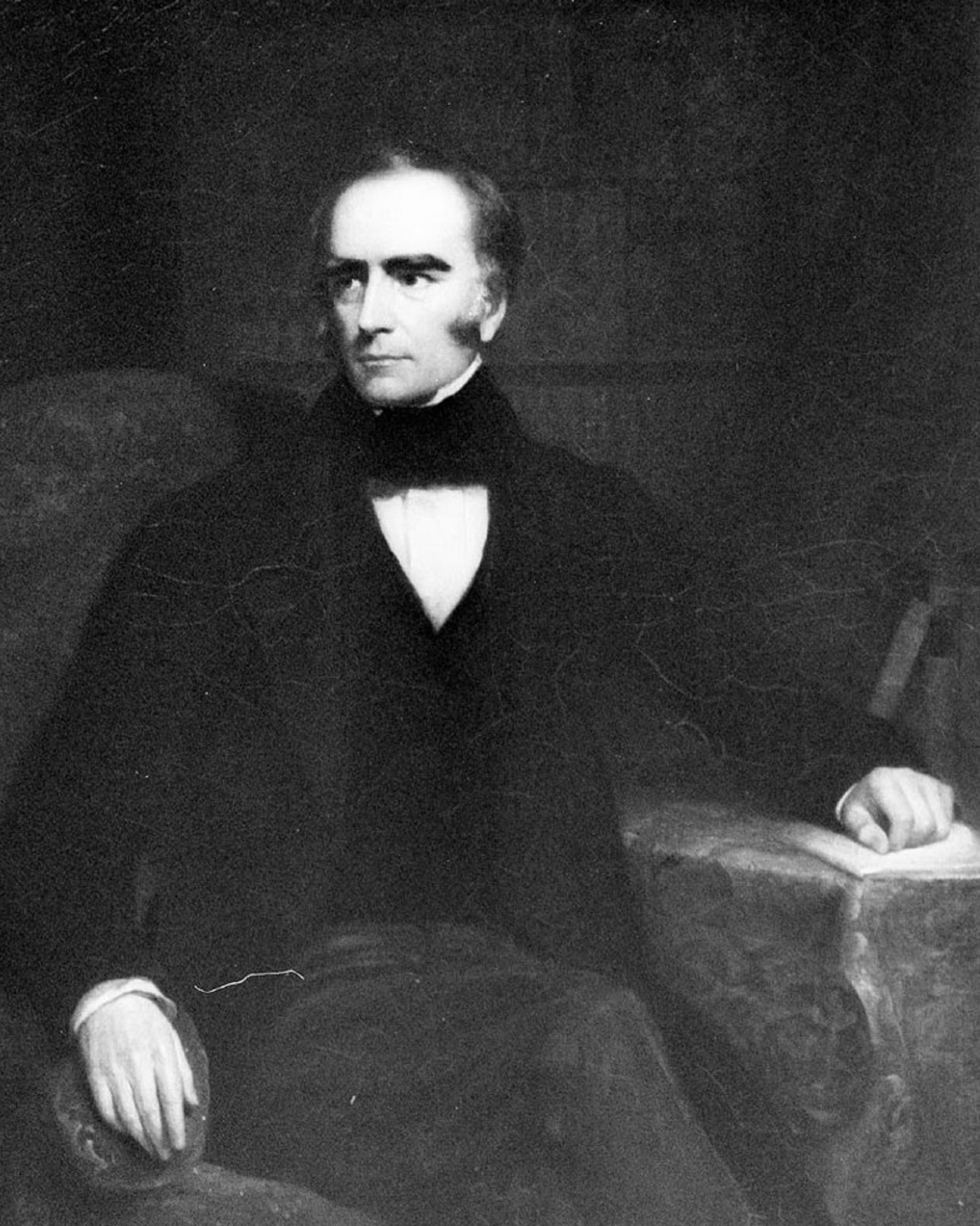
Gipps changed the name from Limestone to Ipswich which of course it is today. The name Ipswich is after the town in Suffolk, England, which in Anglo-Saxon times was known as “Gipeswic”. Maybe it was his humour or vanity, but Gipps secretly left in Ipswich a hidden reference to himself.
But the local Aboriginal mob back then saw right through it. They didn’t call it Limestone or Ipswich, or even Coodjirar. It was reported over eighty years after Gipps changed the name, that the old Aboriginal men still called the town “Gippswich” which is probably what Governor Gipps had wanted it to be. In fact, Gippswich was reported as the intended name as recently as 1939.
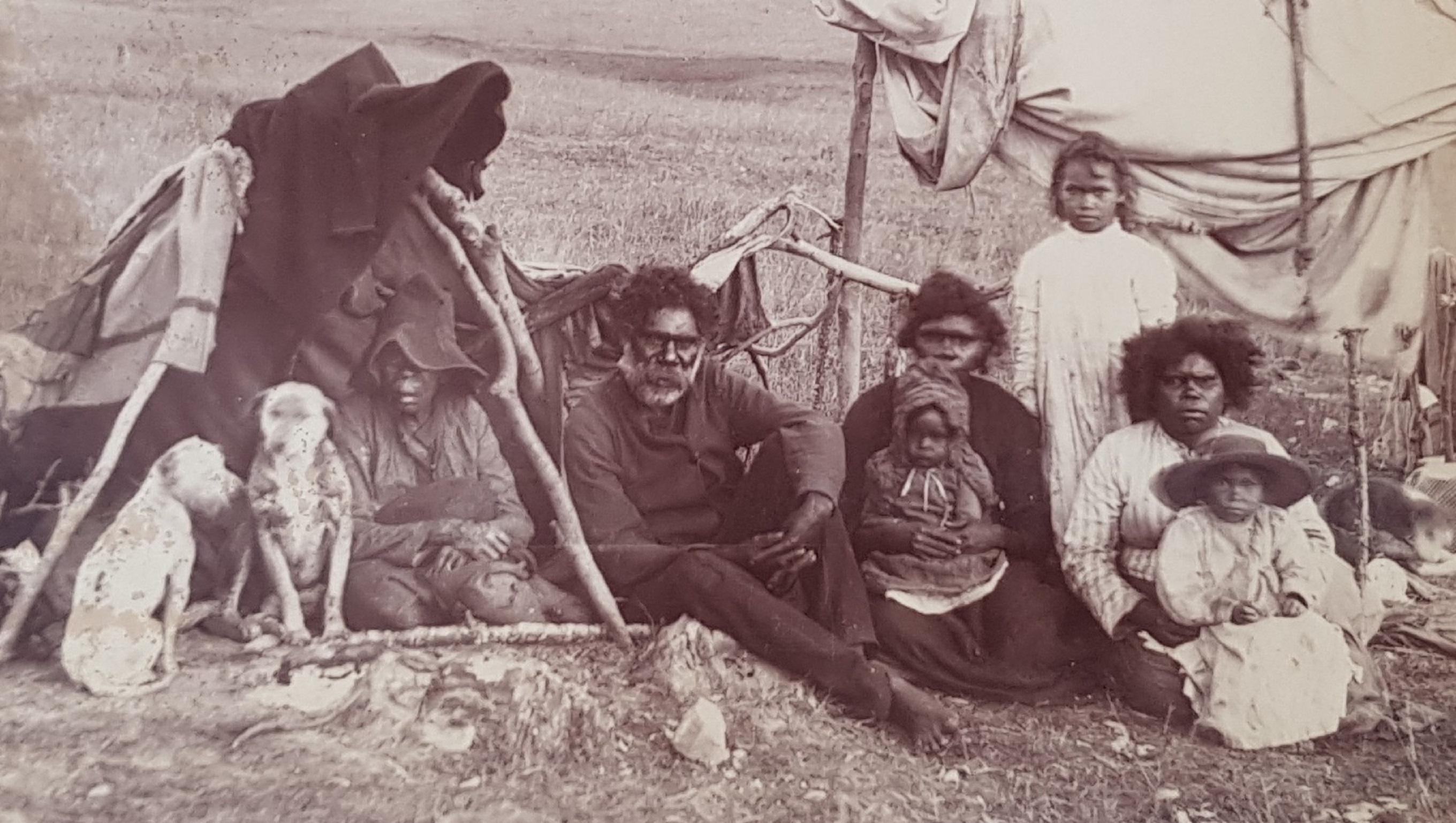
So even with the importance of Captain Logan, Admiral Bremer, and Governor Gipps, it was the local mob who knew the real intended name.
CLICK HERE TO LISTEN TO A VERSION OF THIS STORY TOLD LIVE ON RADIO.
Photo credits:
Photo of View of Ipswich from Limestone Hill, by William Francis Emery, 1861-62, Ipswich Art Gallery – Harold Peacock 2022.
Captain Patrick Logan, 57th Regiment, Commandant at Moreton Bay 1826-1830 – State Library of New South Wales.
Sir James Bremer – State Library of Queensland.
Sir George Gipps – State Library of New South Wales.
Aboriginal family, Queens Park, Ipswich c1890 – Sue Bostock Elms family collection, 2022.
 History Out There
[…] River was originally named Bremer Creek in 1823. That’s when John Oxley was exploring the Brisbane River. He camped at the banks of a tributary which he called Bremer Creek which later became known as […]
LikeLike