

The Brisbane Lions of the Australian Football League come from a state that is dominated by another type of football Rugby League. And yet the club’s foundations in Queensland predate that of any other football code. On the morning of the 2023 AFL grand final featuring the Lions, from the final’s host city Melbourne, I told a version of this story live on West Bremer Radio.
The Brisbane Lions are based at Springfield in Ipswich, but Ipswich’s contribution to champion Queensland football goes much further than that.
Murray Bird is a former AFL umpire from Queensland, and in 2015 he published a book on the origins of Queensland football called “Athenians & Red Invincibles”.
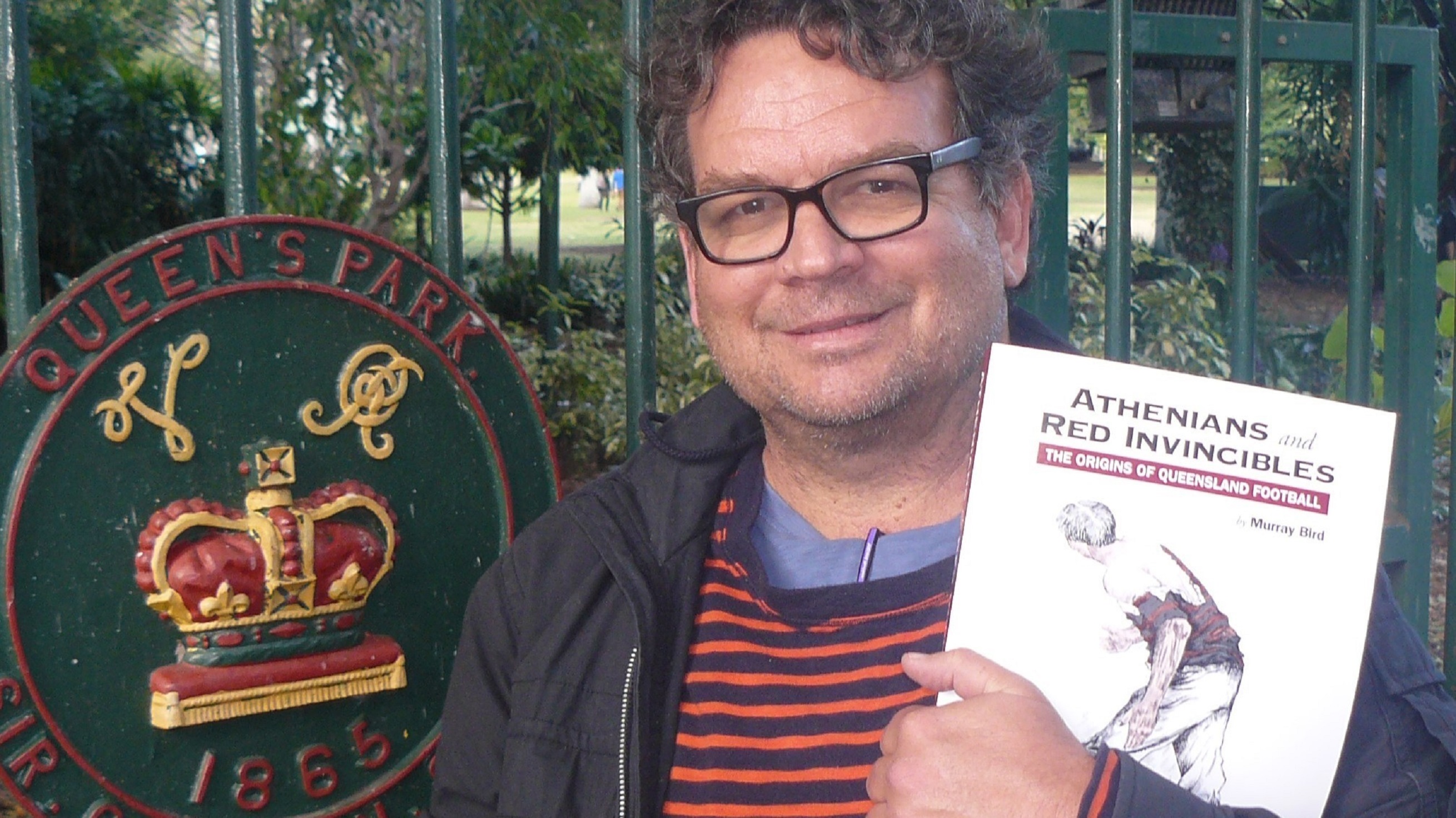
The umpire-come-author says that he’s best known for a match he umpired in 1993. Carlton’s Greg Williams collected forty-four possessions but failed to receive a Brownlow Medal vote from the umpires. Williams finished second in the Brownlow that year – by one vote.
Bird named the Queensland Team of the Century, the 19th century that is, and Ipswich absolutely dominated the list.
When the first football club of any type in Queensland was formed in 1866 – it was the Brisbane Football Club – they played what was called Melbourne Rules, or Victorian Rules back then, and Australian Rules football today.
The Brisbane club had to play amongst themselves for a couple of years until three more clubs came along, and they were all from Ipswich. They were the Ipswich Football Club, Railway Workshops Football Club, and the Ipswich Grammar School football teams. If it wasn’t for Ipswich, Queensland would not have had a football competition at all until much, much later.
The Ipswich club became the dominant one. It was the Champion Team of the Colony eight times in fourteen years, and of the twenty players named in the Team of the Century, half of them played at Ipswich.
But even one of the best Brisbane players was born in Ipswich. His name was Herbert Bryant. He captained the Brisbane Grammar School’s cricket and Victorian Rules teams, and played with the Brisbane Football Club while still at school.
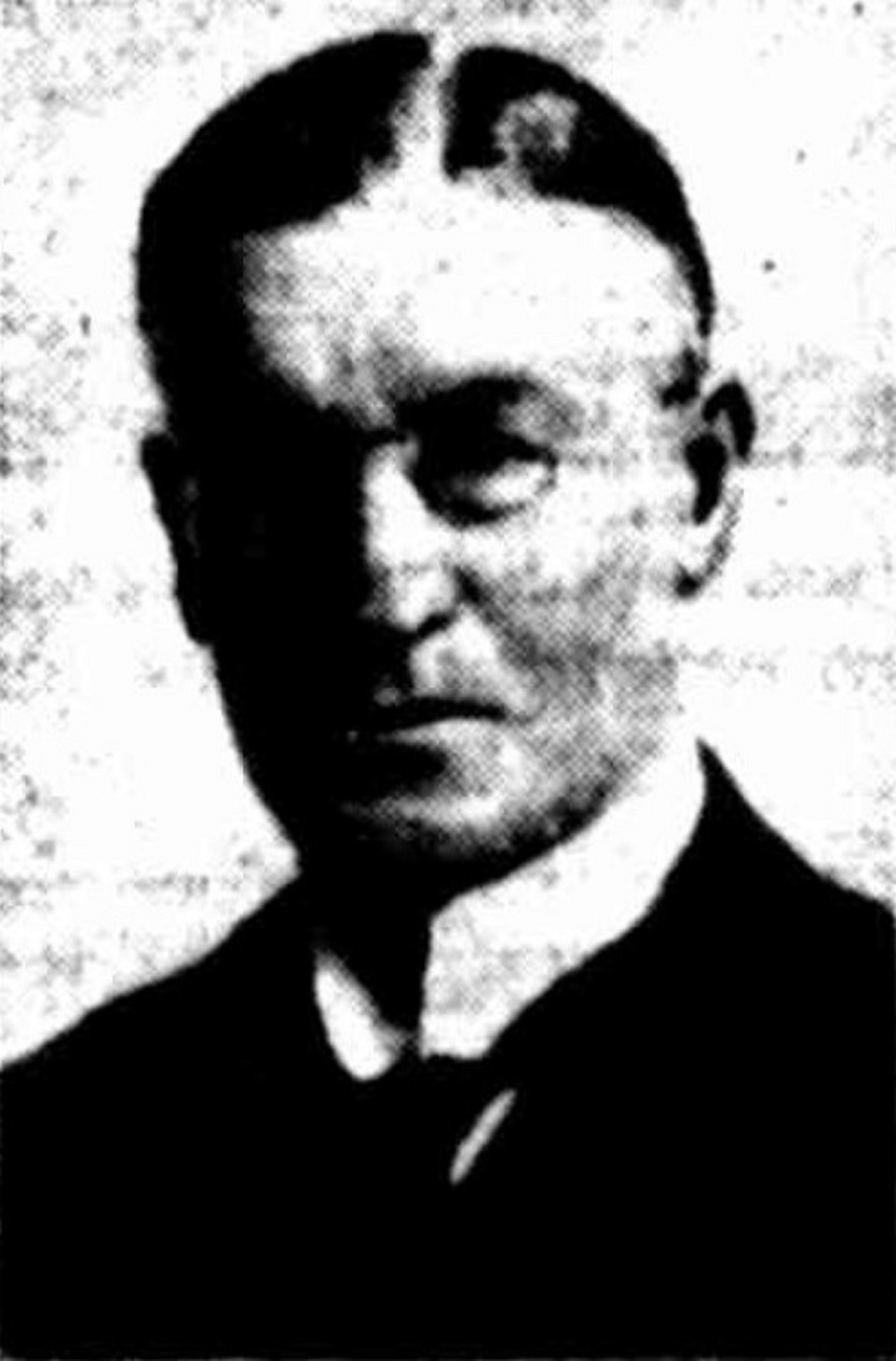
He went to university in Melbourne where he played football with St Kilda and Essendon, and as a nineteen-year-old represented Victoria against South Australia in 1879 in front of a crowd of 10,000 people. He therefore became the first Queenslander to go to Melbourne and make it big by representing Victoria in Victorian Rules. Bryant was the nephew of Sir Edmund Barton, Australia’s first prime minster, and was appointed a King’s Counsel.
The best athlete of the Team of the Century was Ernest Hutton. He went to Ipswich Grammar and was their Victorian Rules captain in 1883. He then played with both the Ipswich and Brisbane football clubs, was Champion kick of the Colony, went to Victoria and played with the Melbourne Football Club. Hutton was also an Athletics champion in both Queensland and Victoria, Champion tennis player in Queensland and Victoria, represented both Queensland and New South Wales in rugby, and both Queensland and Victoria at cricket.
In a cricket match against England one time, W.G. Grace objected to him being used as a substitute fielder because he said Hutton was the best fielder he had ever seen. Hutton was a naturally gifted athlete and never trained seriously at any sport. He treated them all as games that should be enjoyed, there was no self-promotion which is why you’ve probably never heard of him.
The captain of Queensland’s Team of the Century was Jack Gibson who played with Brisbane clubs. He had come from the South Melbourne Football Club, which today is the Sydney Swans, and became hugely influential in the game in his adopted colony.
It’s also the vice-captain of the Team of the Century who should be noted. His name is Stephen Welch. His father was the fireman on the first passenger train in Queensland in 1865 and later the driver in the colony’s first fatal train accident.
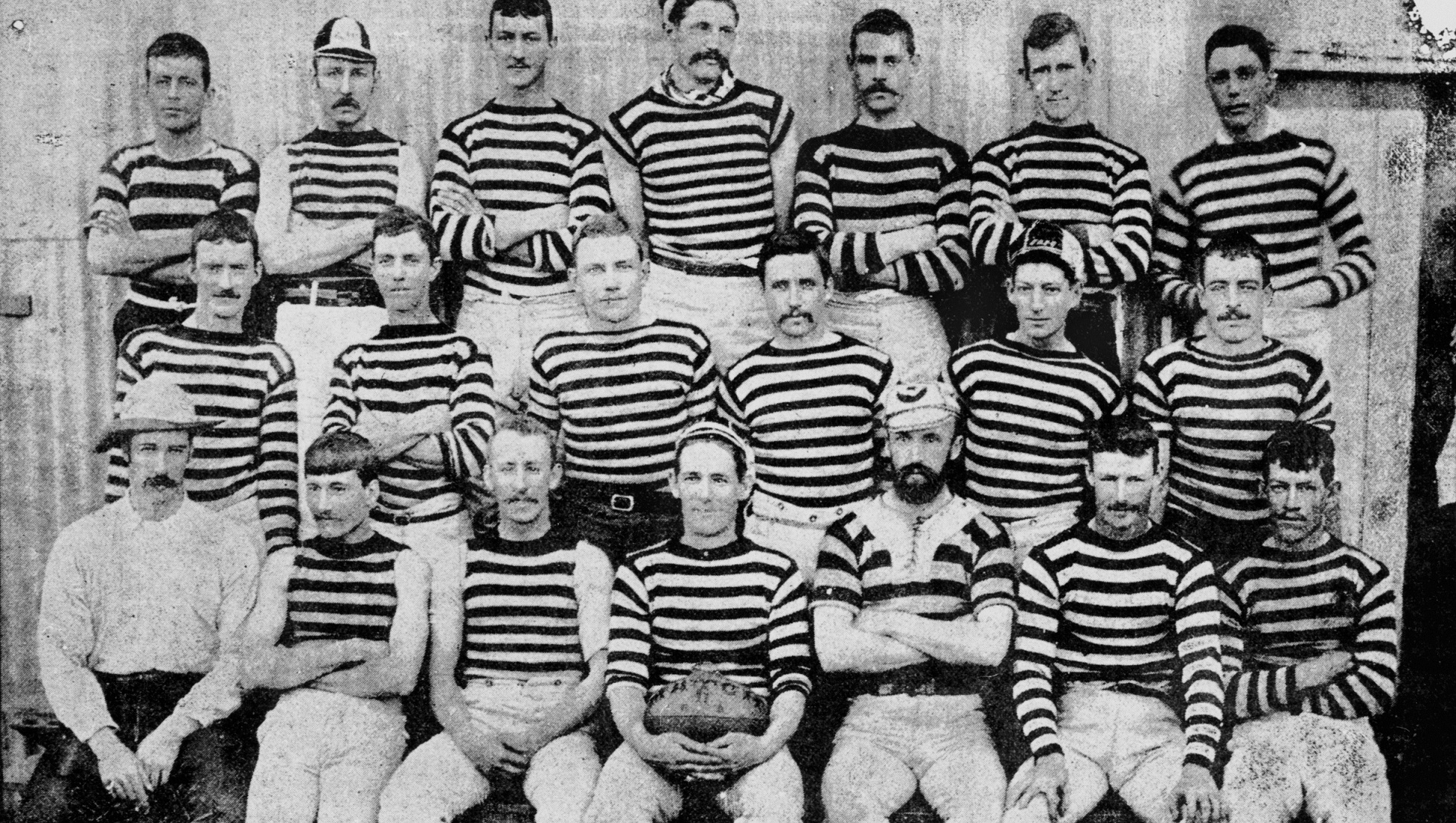
Welch got a scholarship to Ipswich Grammar School and was a star for their Victorian Rules team and later with Ipswich Football Club. In fact, Welch was a champion in athletics, Victorian Rules football, rugby, and soccer. He captained the Queensland Victorian Rules team and jointly holds the record for most games for Queensland in the 19th century. He was a try scorer and goal kicker for the Queensland rugby team when it was the first Queensland team to wear maroon in 1895. In fact, Welch is one of only twelve players to be dual-representatives – representing the colony in both Victorian Rules and rugby.
But here’s one of the great travesties of sport that needs to be corrected.
The Brisbane Lions are playing here in Melbourne today in the AFL grand final and they are based at Springfield in Ipswich.
The Ipswich product Steve Welch is one of the great football pioneers, he captained the colony, set records, and paved the way for the likes of the Brisbane Lions – and yet today he’s buried in Brisbane’s Toowong Cemetery in an unmarked grave.
Surely we can do better than that.
CLICK HERE TO LISTEN TO A VERSION OF THIS STORY TOLD LIVE ON RADIO FROM MELBOURNE ON AFL GRAND FINAL DAY.
Photo credits:
Brisbane Lions supporters, AFL grand final, 2023 – Harold Peacock P9301908.
Murray Bird, 2015 – Harold Peacock p1180873-3.
Herbert William Bryant – Argus, Melbourne, 25th October 1924, page 32.
Queensland team that played Melbourne, Australian Football, 1888 – State Library of Queensland.
 History Out There