
He was known under the alias of The Flying Pieman. There are significant anniversaries this year so it is time to erect a memorial to this remarkable athlete. I told a version of this story on West Bremer Radio.
William Francis King was born in London in 1807. He was the eldest son of the paymaster at Whitehall and was a young man of excellent education intended for the church. But the church wasn’t for him, so King became a stockbroker.
King quit stockbroking and took a job as a clerk in the treasury office in the Tower of London. He threw that in, and in 1829 went to the colony of New South Wales where he worked as a schoolteacher and a clerk in the southern highlands. He got fed up with that and decided to return to England, but only got as far as Sydney where he got a job in a pub. He got tired of that, so he took up the sport of Pedestrianism and became the wonder of his age.
King became known for the wagers he frequently collected thanks to his extraordinary feats of pedestrianism including strength and endurance. At the same time he supplemented his income by selling pies, and that’s how he was given the name “The Flying Pieman”.
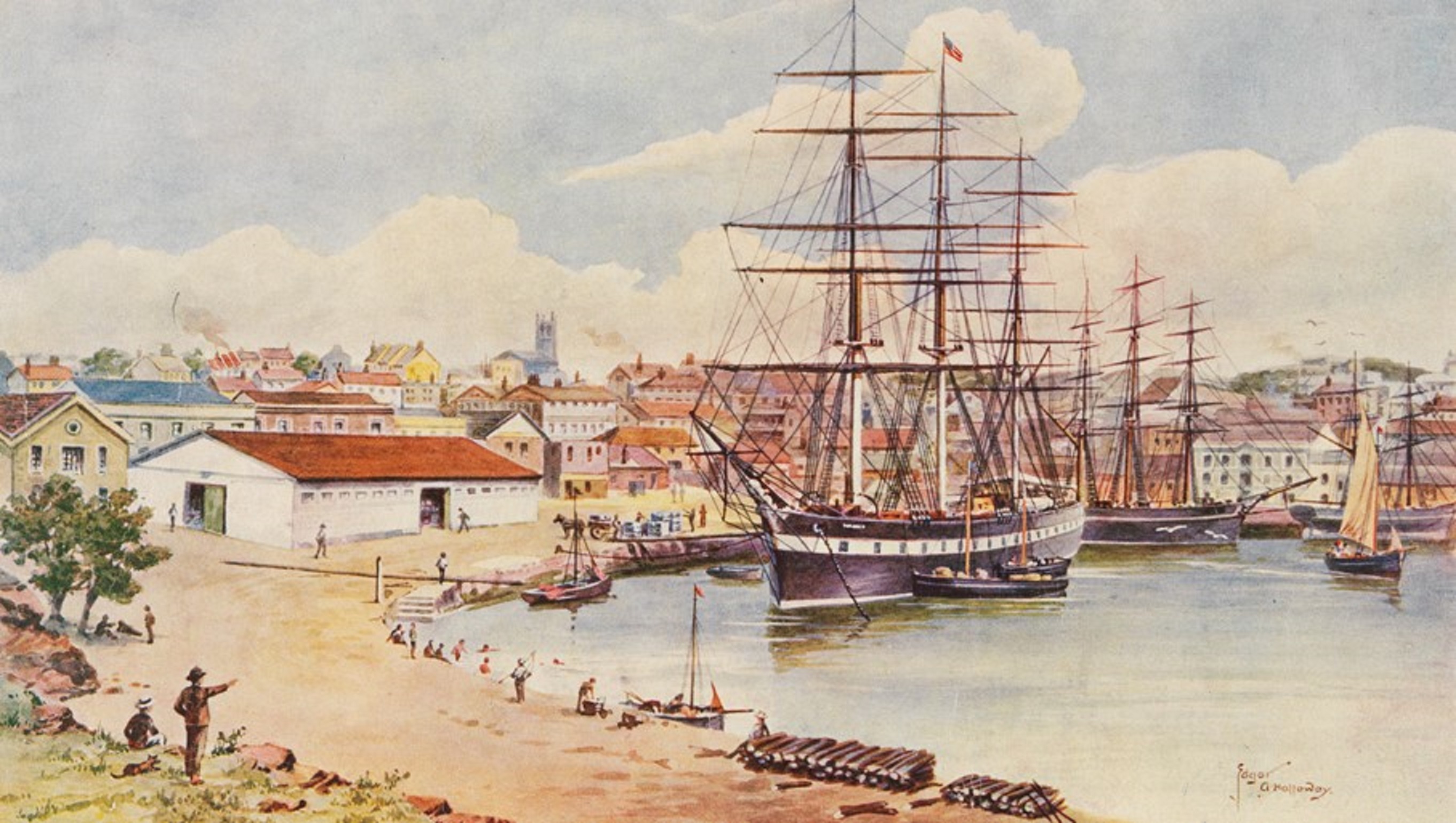
The Flying Pieman’s fame in Sydney skyrocketed by regularly selling pies at Circular Quay (picture top of page) to passengers boarding the Parramatta ferry, and then running the twenty miles to offer more pies to the same passengers as they disembarked at the other end.
More remarkable things filled his incedrible resume including when he beat the coach from Sydney to Windsor, covering the thirty-five miles and arriving seven minutes earlier. He walked from Sydney to Parramatta and back twice a day for six consecutive days. Once he carried a twelve-year-old boy from Sydney to Parramatta and back without a rest. Another time he carried a goat.
King’s fame spread further throughout the colonies once he travelled north to Moreton Bay – and more specifically to Ipswich.
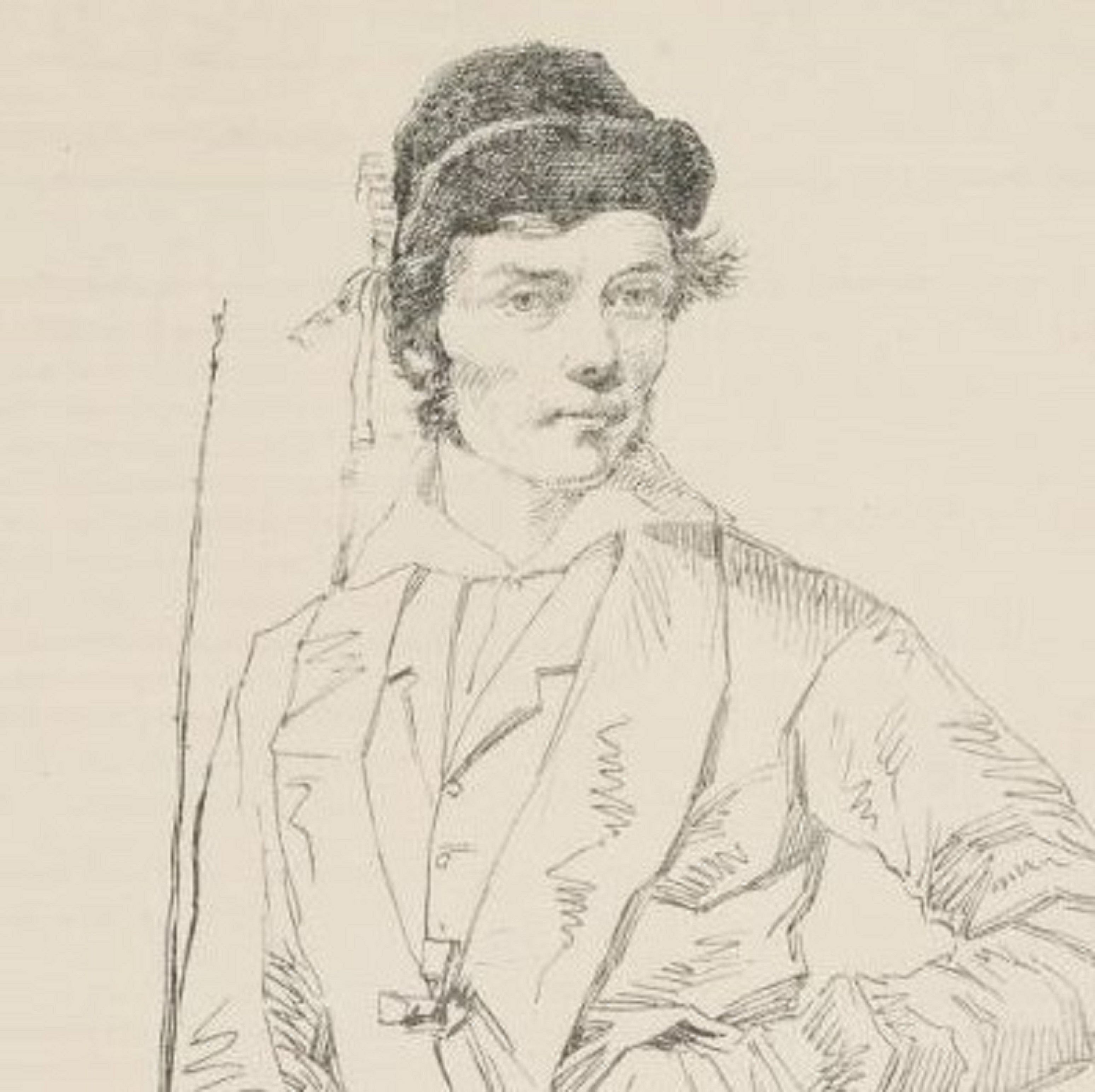
In Ipswich in 1848, The Flying Pieman performed unforgettable acts like wheeling a barrow half a mile, running forward half a mile, running backward half a mile, walking one mile, picking up fifty stones one yard apart and placing them in a basket, carrying a large goat half a mile, and then making thirty-eight leaps two feet ten inches high. He came up short in this bet because fifty leaps was the number he had promised, but because the bars were put four inches higher than he thought, he couldn’t do the last twelve. The whole thing was completed in a remarkable eighty-five minutes though.
It was in October 1848 – one hundred and seventy-five years ago this month – that his fame really spread thanks to the feat that the eyewitnesses would recount until the day they died.
This was back in the days when Cobb and Co. coaches ran between Brisbane and Ipswich. It was a journey along a rough track of about twenty-two miles, requiring two changes of horses, and taking over three hours.
The Flying Pieman beat the coach by one hour, and he was even carrying as a handicap what the horses were carrying – the one-hundred-pound pole of a coach.
Off the back of that victory, The Flying Pieman got the job of delivering Brisbane’s “Moreton Bay Courier” newspaper to Ipswich. He walked to Ipswich every morning, sold the Couriers, and walked back again every night. This was the early days of horse-racing in Ipswich and he even had a coffee stall at the track. He was an entrepreneur ahead of his times.
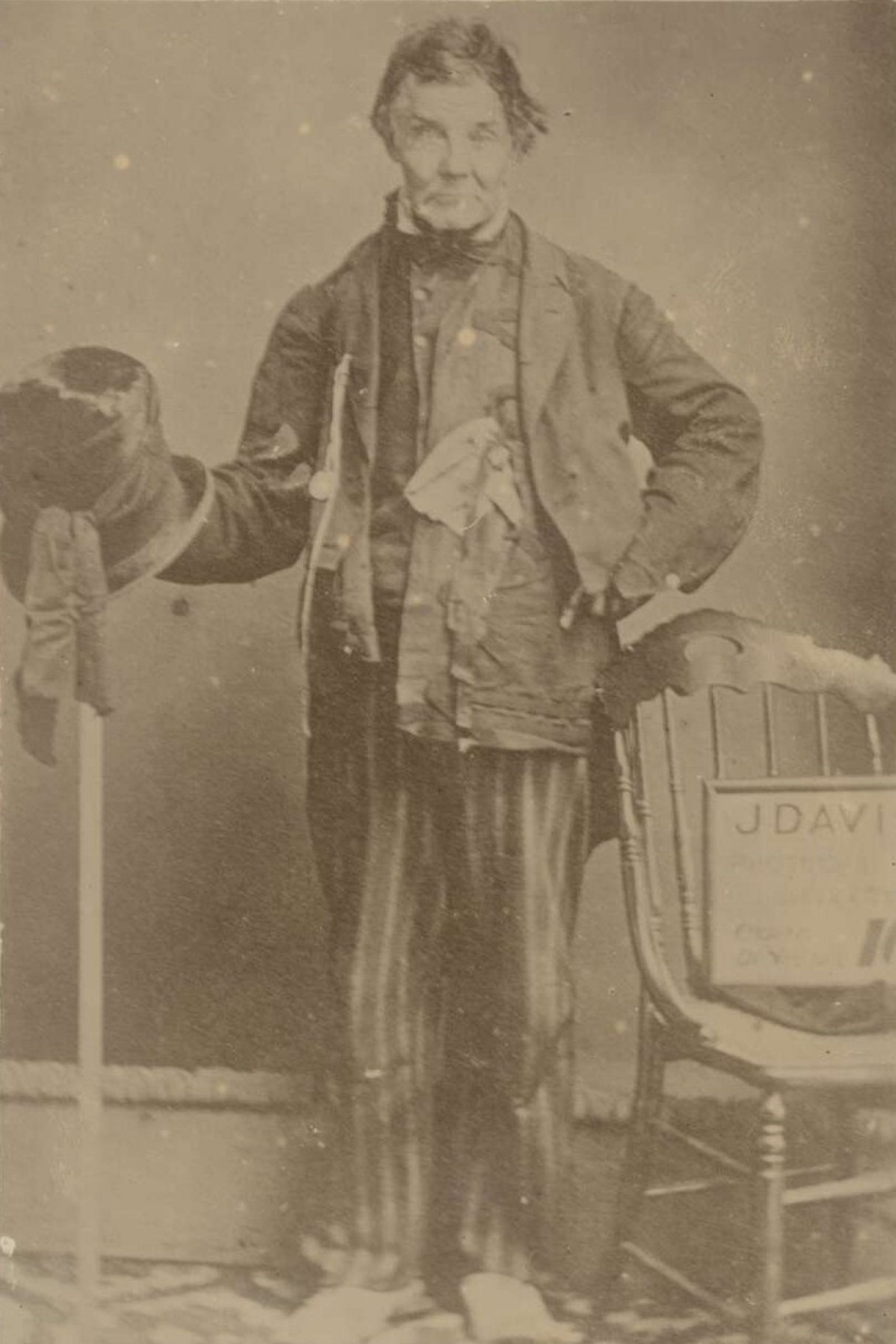
The Flying Pieman eventually returned south and continued his athletic career at Maitland in the Newcastle district, and again in Sydney. He died destitute at the Liverpool asylum in 1873.
The Flying Pieman was remembered for years after his death. Even in 1912 just weeks after the Stockholm Olympic Games, a columnist in the Sydney Morning Herald lamented the fact that The Flying Pieman wasn’t still around to have represented Australia at the Olympics.
It is now 150 years since The Flying Pieman passed away – and 175 years since he shot to fame in Ipswich. It’s time for Sydney or Ipswich to erect a memorial.
The Flying Pieman did as much in Ipswich as anywhere to make his name. So maybe a Big Pie in Ipswich’s Brisbane Street where he sold the newspapers, or at the Bundamba Races where he sold his coffee. And what he did for the sport of Pedestrianism was phenomenal.
CLICK HERE TO LISTEN TO A VERSION OF THIS STORY TOLD LIVE ON RADIO.
Photo credits:
Circular Quay, 1855, by Edgar A. Holloway – State Library of New South Wales.
William Francis King the pieman, by William Nicholas, 1847 – National Library of Australia.
William Francis King the Flying Pieman, c1870 – National Library of Australia.
 History Out There