

Queensland’s most famous tailor of all was Peter Garrow in the early 20th century, and he was one of the most prominent public figures in Dalby in the Western Downs region. I told a version of this story on radio 4WK. (Listen to more stories live after 7.30am Tuesdays.)
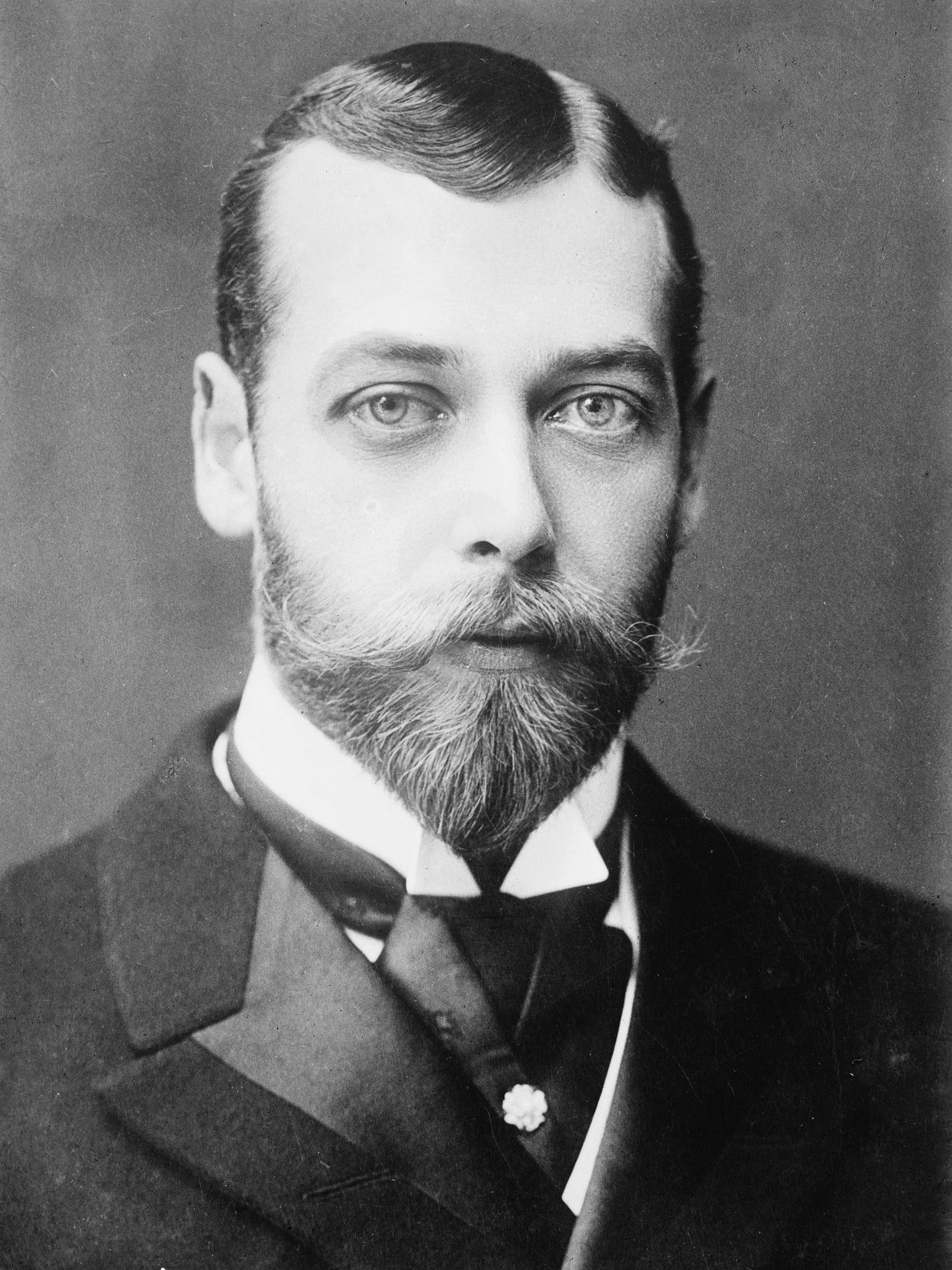
Garrow was born in Scotland in 1879 and was apprenticed as a tailor at just twelve years of age. In England he entered the service of Hill Brothers, the famous Bond Street tailors, and among his personal clients were Prince Arthur, who was the 3rd son of Queen Victoria, and her oldest son King George the 5th himself.

Garrow settled in Dalby in 1908 and established his own tailoring business there. In the 1920s he was mayor of Dalby for five years and took an active part in almost every public body.
He passed away in 1933. The following year a memorial window in his honour at Dalby’s new St Thomas’s Presbyterian Church was unveiled by none other than the Queensland premier, William Forgan Smith.
But it’s not Peter Garrow that this story is about, but rather his son Alexander Herbert Garrow. Garrow Junior was educated at the Dalby State School, and then at Scots College, Warwick. He was a scoutmaster and was keenly interested in aviation. He was a founding member of the Dalby Aero Club and obtained his pilot’s license.
On the death of his father in 1933, Garrow took over the family tailoring business and added dry-cleaning to the services. He purchased a Gypsy Moth aeroplane and piloted himself to places like Taroom and other country towns on business trips. That’s how he became known as “The Flying Tailor”.
Garrow expanded his now lucrative dry-cleaning business from Dalby to Toowoomba, Brisbane, Ipswich, Rockhampton, Townsville, and Cairns. Its name is still well-known today.

But in 1935 something happened to The Flying Tailor that changed everything.
On the morning of Friday the 24th of May 1935, Garrow landed at Dalby in his Gypsy Moth. He went to have breakfast and left the plane with a Dalby motor mechanic Martin Cosgrove who set to overhauling the engine. When Garrow returned, Cosgrove wanted to join Garrow and a passenger Lionel Ward on their flight to Toowoomba. Ward was a grazier from Roma and friends with Garrow because they were both scoutmasters – although nothing could prepare them for what happened next.
After the take-off, the aeroplane rose to two hundred and fifty feet when the engine suddenly failed. Garrow could do nothing other than look for a place to land. Avoiding hitting a house, he saw Myall Creek. When ten feet over the water he cut out all switches and the plane smashed into the creek bank and burst into flames. Garrow remembered being freed after the crash, but nothing after that.

Ward, however, was thrown clear of the wreckage and was uninjured when the plane burst into flames. Despite the obvious danger, he rushed back to the burning wreck and removed Garrow from the cockpit, but the mechanic Cosgrove was badly injured and trapped. Ward struggled and eventually pulled Cosgrove clear, but his efforts were in vain, because the mechanic only lived for a few hours more.
Ward himself suffered horrendous burns as a result of the rescues, and he died in hospital just days later. At his funeral at Roma, the coffin was carried by the Roma Boy Scouts, and from the door of the church to the hearse, Boy Scouts, Cubs and Girl Guides formed a guard of honour.
More aeroplane tragedy followed the unfortunate Flying Tailor. In 1942 during the Second World War, Garrow’s brother Jim was killed in a flying accident with Bomber Command in the United Kingdom. Garrow was informed of his brother’s death as the next-of-kin. Back in Queensland, Jim had been a boarder at Toowoomba Grammar School.
The following year in 1943, Alexander Herbert Garrow himself died, aged just thirty-six. He had lived only another eight years after his Gypsy Moth crash.
In his many obituaries, no mention was made of his halcyon days as “The Flying Tailor”, nor of the Dalby double-fatality plane crash that happened in Myall Creek, just two hundred yards from of town.
CLICK HERE TO CATCH UP THE RADIO 4WK ON-AIR STORY.
Photo credits:
Tiger Moth flight, 2016 – Harold Peacock.
Alderman Peter Garrow – Toowoomba Chronicle and Darling Downs Gazette, 19th October 1933 page 6.
King George V, 1893 – United States Library of Congress.
Kodak Building Exterior, Rockhampton, neighbouring businesses include Garrows dry cleaning – Kodak Australasia, Museums Victoria.
The charred wreckage of the metal Gypsy Moth – Courier-Mail, Brisbane, 27th May 1935, page 12.
 History Out There