
The nineteenth century Opium Wars resulted in Ah Sue, Ah Lan, Wong Gom, Ah Sow, and Ah Mann being convicted of illegal possession of opium in Ipswich, Queensland. A senior politician went a step further. I told a version of this story on West Bremer Radio.
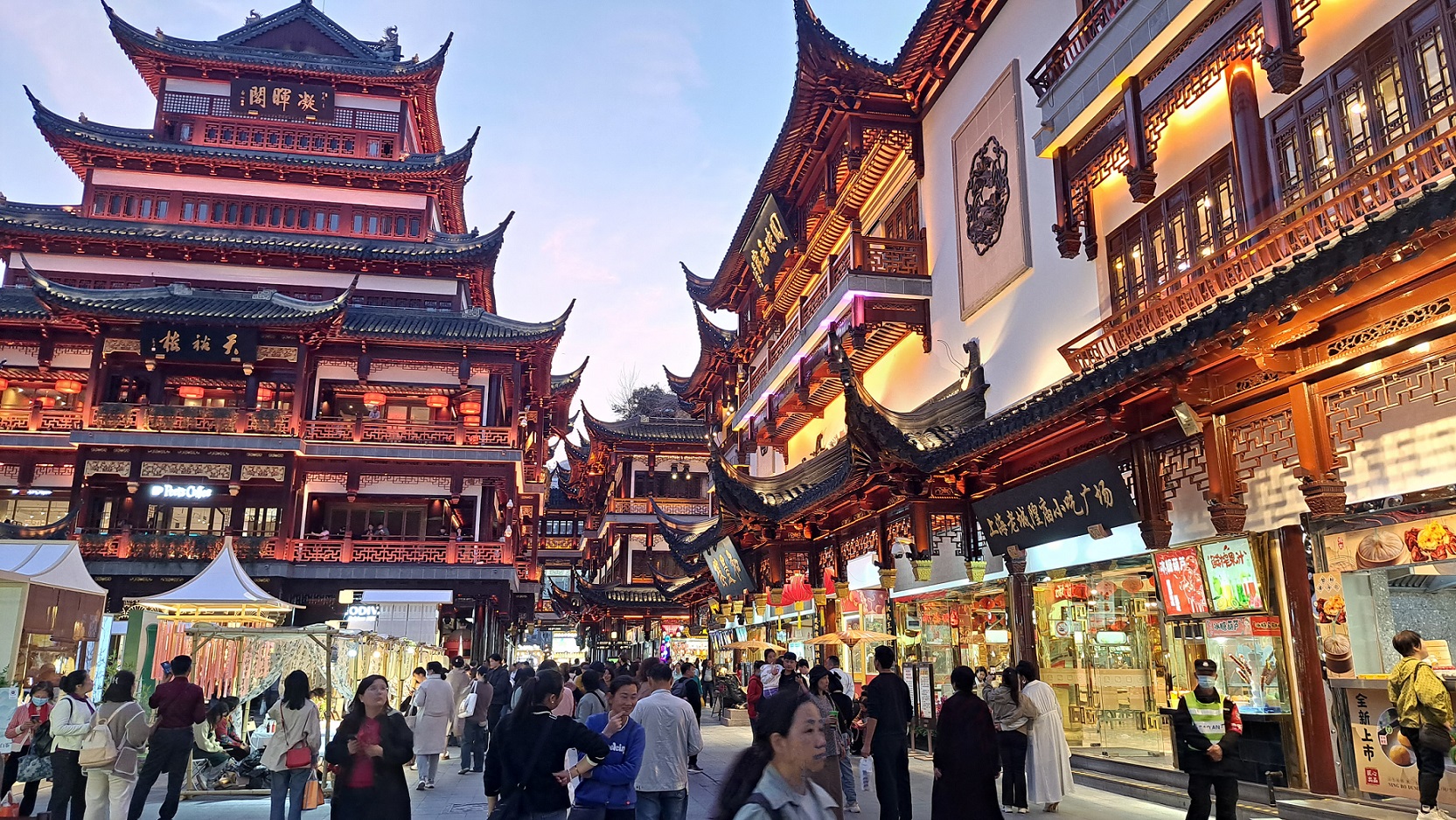
This week I walked through the Old Town in Shanghai which is actually China’s China Town. The streets are lined with ancient wooden buildings which over a century ago were awash with opium dens as a result of the Opium Wars.
That’s when from 1839 to 1860 Britain and then Britain and France fought the Chinese government to keep the opium trade going. Back then it wasn’t known how deadly the drug could be.
Following the conflicts, Chinese immigrants took opium around the world including to Ipswich where it continued its chequered history.
For example, in 1909 a Chinaman named Ah Sue of Harrisville, near Ipswich, was arrested on the Ipswich railway platform and convicted of having opium in his possession.
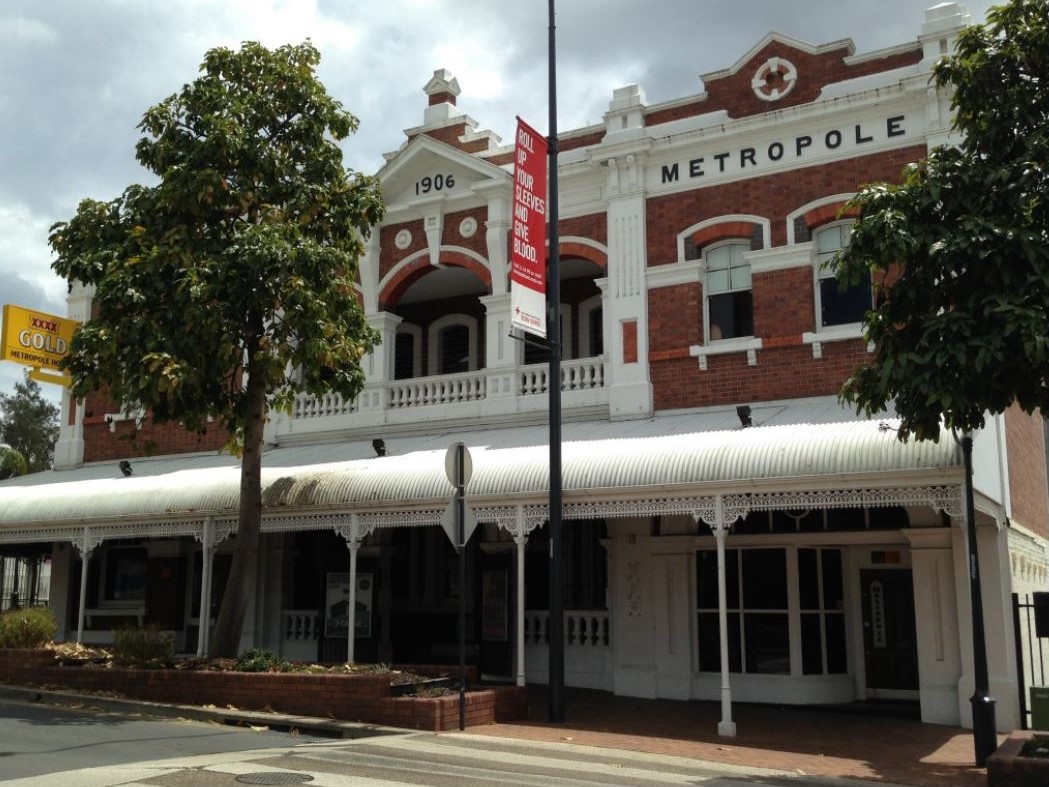
That same year another Chinaman Ah Lan, alias Charlie Allen, was a cook at the Hotel Metropole in Ipswich’s main thoroughfare of Brisbane Street. He was convicted with having a quantity of opium. This was Ah Lan’s second conviction. Earlier he’d been caught when in the habit of going to Charlie Long’s place to smoke opium.
Charlie Long was another Chinaman who was convicted. Charlie continued to have a rough time, because he was later convicted of creating a disturbance on Brisbane Street, and later again fell out of his cart in the Ipswich suburb of Coalfalls and broke his collarbone.
In 1907 a Chinaman named Wong Gom, a fruiterer and carpenter, was convicted of having opium. The arresting officer was Senior-sergeant Thomas King who had earlier helped in the hunting down of the Kelly Gang.
That same year at Silkstone, Ipswich, a police raid resulted in Ah Sow being convicted of opium possession. Later he was working a garden on Forest Hill Road nearby at Laidley when he was again raided and convicted of the same offence.
In 1895 before opium was deemed illegal there were government excise duties, and a man called Ah Mann was convicted in Ipswich of illegally selling opium.
But opium came to Ipswich well before all this, back when the British opium trade was at its peak.
At the Ipswich Show in 1871, there were a number of excellent horticultural exhibits.
William Vowles was an Ipswich councillor and had been responsible for erected the first building in Ipswich. He exhibited a very fine cluster of seven oranges, loquats and pineapples. Charles Chubb, the solicitor and later mayor of Ipswich, showed an admirable collection of vegetables, as well as caraway seed and cayenne pepper. James Hockley, the ironmonger from Mount Walker, brought in bearded wheat. James Bain, the cordial manufacturer in Martin Street in Ipswich, displayed soda potash from cotton seed, and a first-class piece of rope.
But the most interesting exhibit of the 1871 show was by John Harris the sawmiller from Pine Mountain. He came to town and exhibited an excellent opium plant. Harris’s farming of opium didn’t help him because he later died an extremely painful death trying to pass a bladder stone.
Then there was the Ipswich Show in 1868 when prizes were donated by the leading members of society.
Colonel Charles Gray was Ipswich’s first police magistrate, the first Usher of the Black Rod in the Queensland Legislative Council, and the Queensland Parliament’s first librarian. He donated £1 for the best slab of bacon, and £1 for ham. Mrs Bell gave 10s 6d for a cat. An anonymous donor gave £1 1s for a short-horned bull.
And then there was Frederick Augustus Forbes. He was the son of a convict, born in Liverpool, New South Wales, held runs in the Darling Downs, Maranoa and South Kennedy districts of Queensland, and was Ipswich’s local member of parliament representing West Moreton. He was also speaker of the Queensland Legislative Assembly.
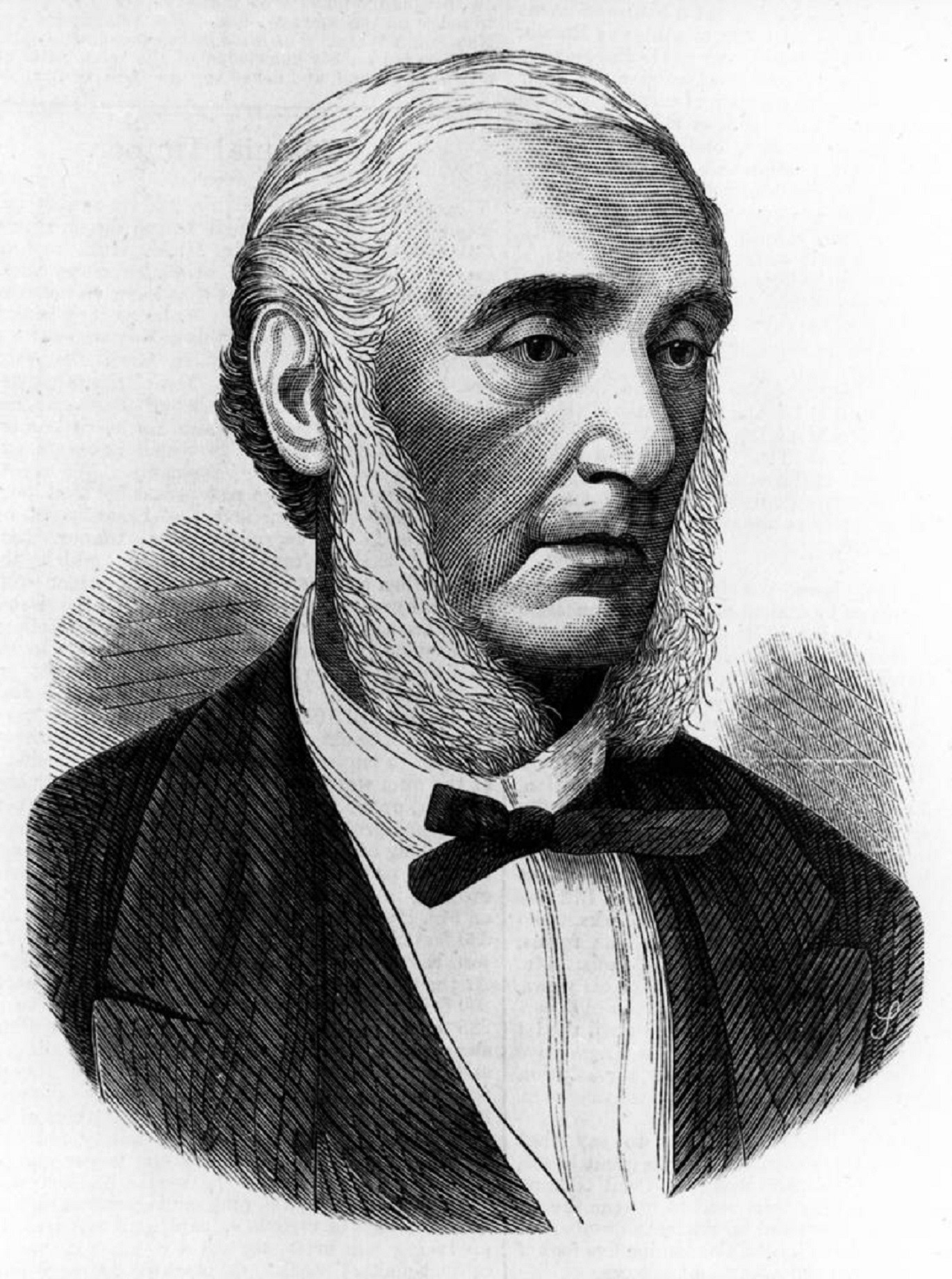
For the 1871 Ipswich show, Forbes donated £1 1s for vegetable oil – and another £1 1s for the best opium.
Forbes later mysteriously died in Ipswich after he was found lying senseless on Brisbane Road. He was just fifty-nine years old. His death was reported simply as an accident.
Following the Opium Wars, opium featured at the Ipswich show and probably at others around Australia. Even the speaker of Queensland parliament was a pusher who ultimately probably paid the price.
CLICK HERE TO LISTEN TO A VERSION OF THIS STORY TOLD LIVE ON RADIO.
Photo credits:
Old Town, Shanghai, China, 2024 – Harold Peacock 20240322_181427.
Metropole Hotel, 2014 – Harold Peacock.
Frederick Augustus Forbes – State Library of Queensland.
 History Out There