
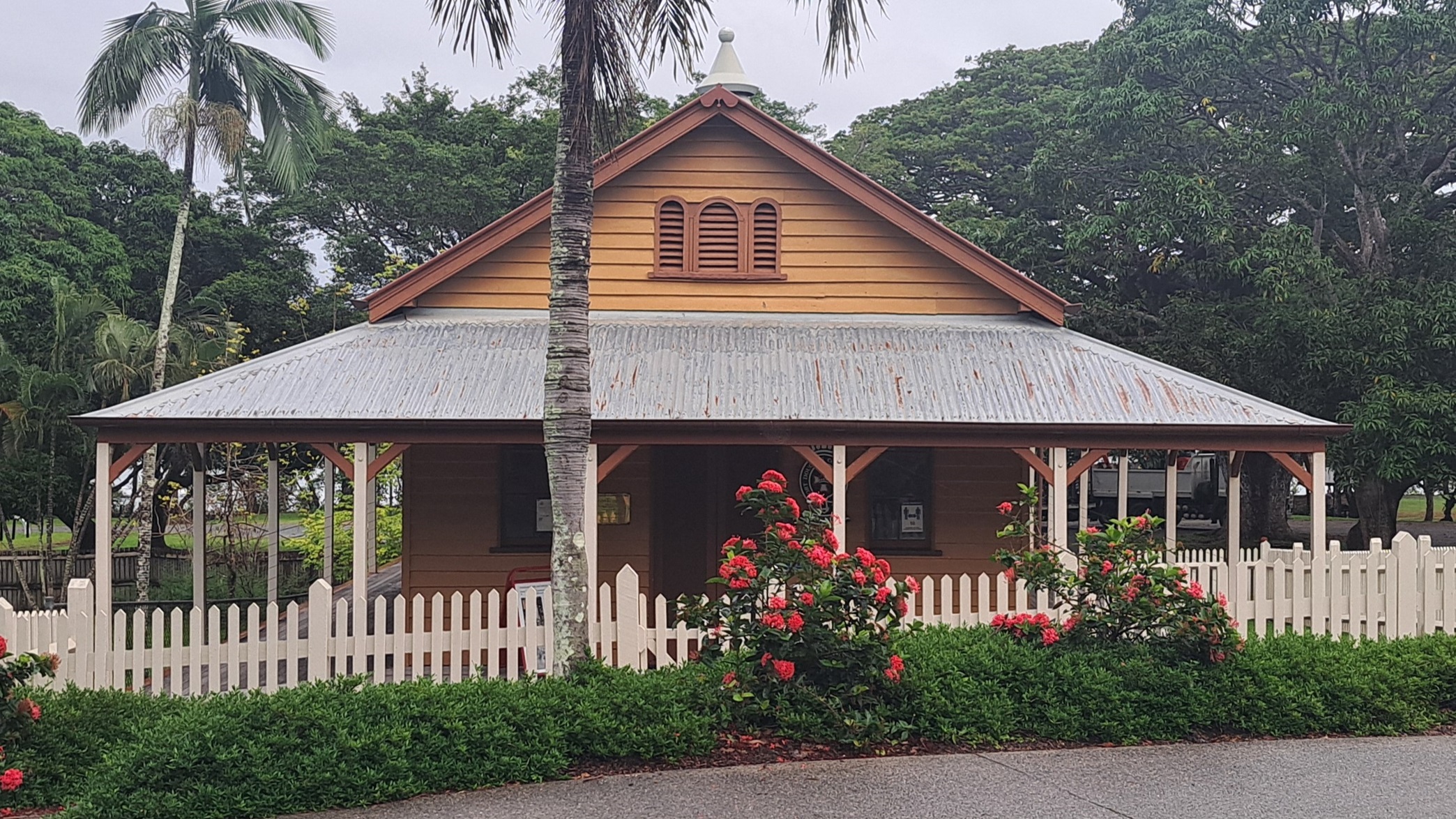
Port Douglas in far north Queensland isn’t only about backpackers. Over a century ago there were the spinster sisters Dora and Tilly, and their policeman father who was central to the gold rush and the last of the great bushrangers. I told a version of this story on West Bremer Radio.
Dora Hasenkamp visited Port Douglas in 1923 and like the backpackers when they see somewhere nice, she stayed and got a job. She was manager of the Central Hotel. After three years Dora went home to Ipswich in southern Queensland and returned to Port Douglas with her sister Tilly in tow. But by the end of 1926 both Dora and Tilly were back in Ipswich.
The Hasenkamps were a well-known Ipswich family. Dora and Tilly’s grandfather Adolph Hasenkamp once owned the land on which the historic Siemon House was built at One Mile in 1880, and today his name is on the historical marker there. Adolph was Ipswich’s first pound keeper, and the clerk of petty sessions in Ipswich and Mackay.
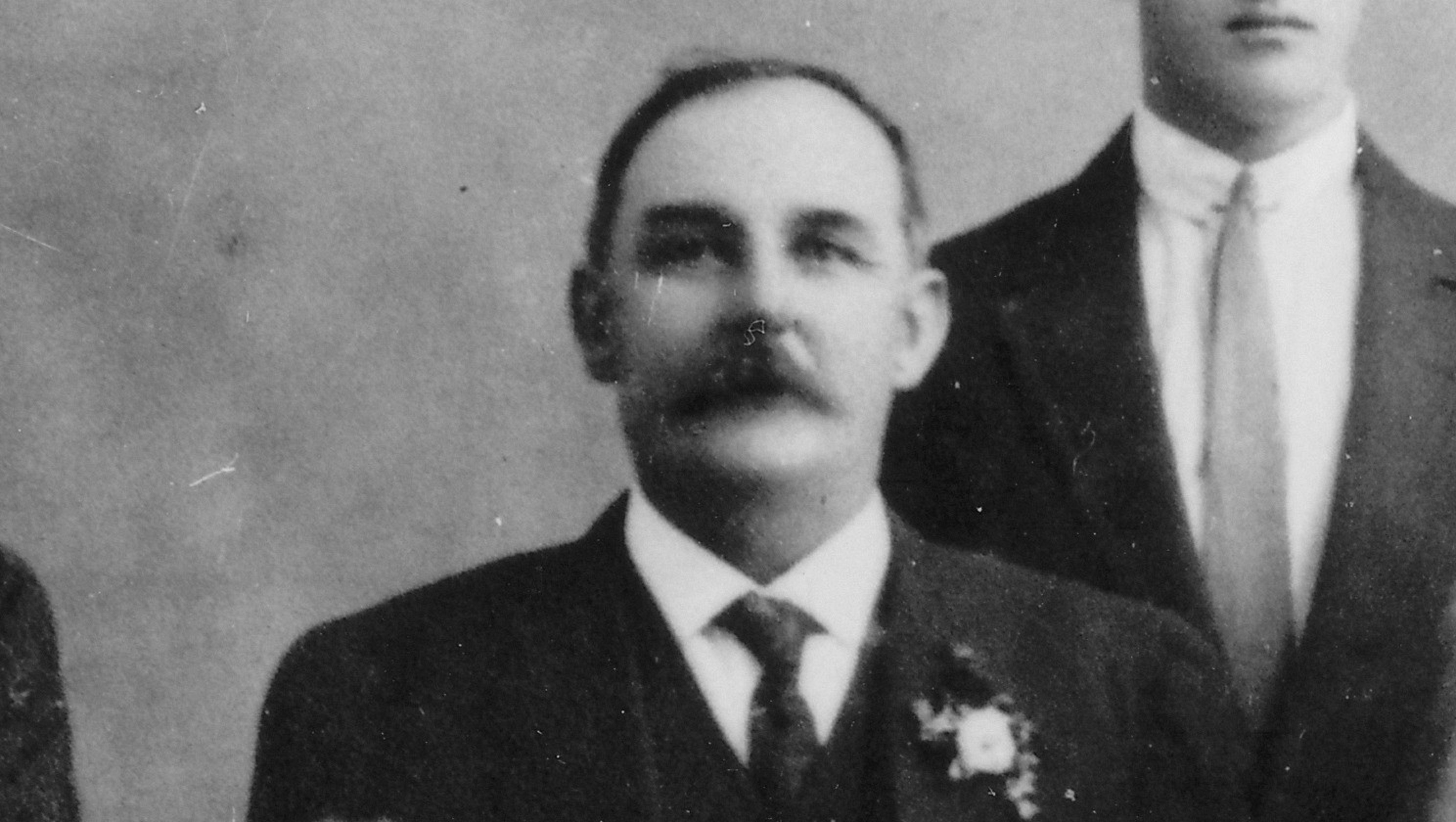
Their uncle Adolph Hasenkamp Junior was a Mackay alderman and for a while was acting mayor.
But it’s Dora and Tilly’s father Henry Hasenkamp who was part of some really notable events in Queensland history.
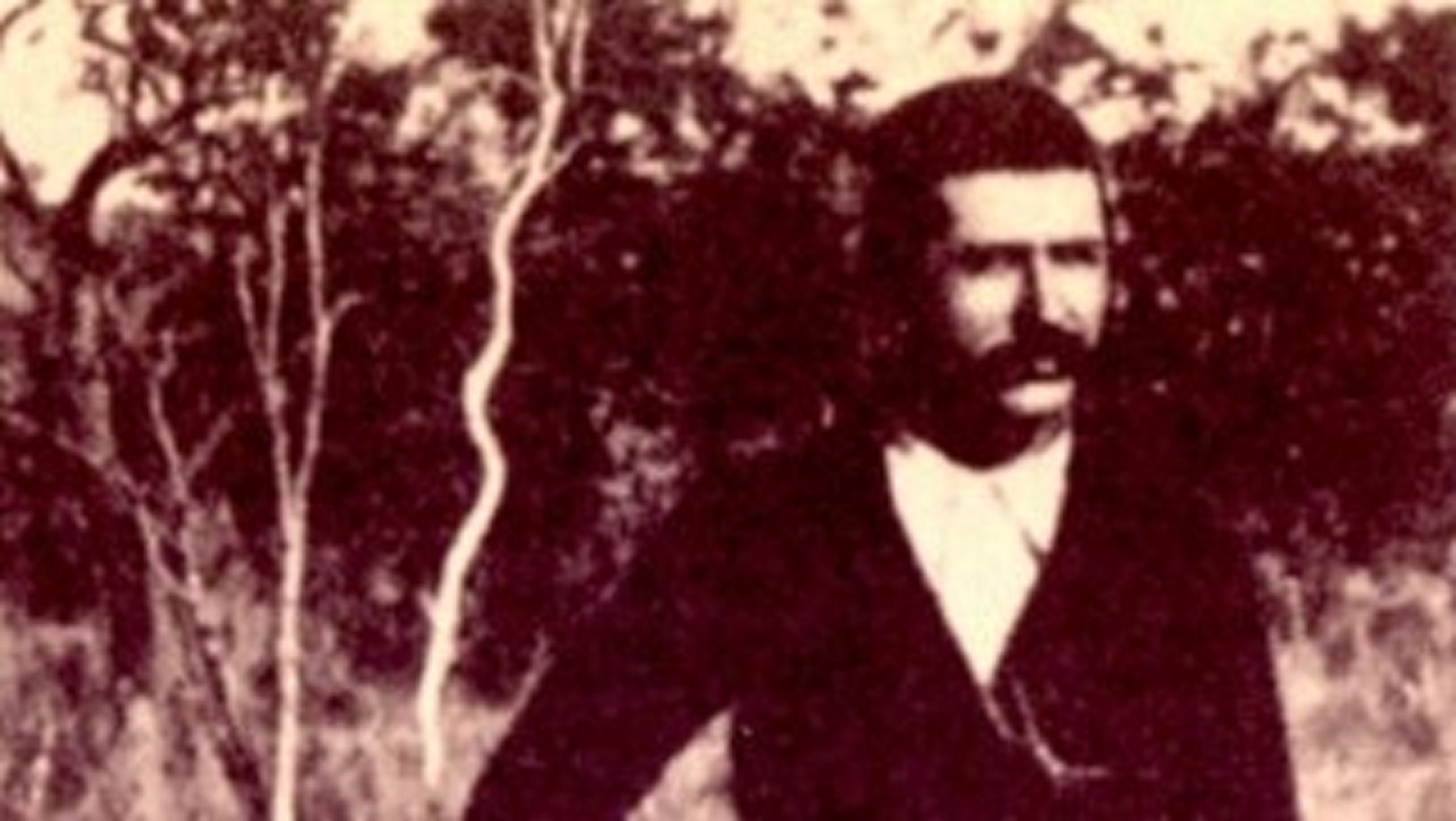
Henry was born in Ipswich and was seventeen years old when he first joined the Queensland Mounted Police Force in 1875. He served for forty years and rose to the rank of sergeant. He was stationed across far north Queensland at Burketown, Georgetown, Normanton, Croydon, Table Top, Cardwell, Cooktown, Port Douglas, Thursday Island, and Cairns.
He escorted the first consignment of gold from Charters Towers, which during the gold rush was Queensland’s largest city after Brisbane.
He and three others narrowly escaped being massacred at the hands of a party of Aboriginals.
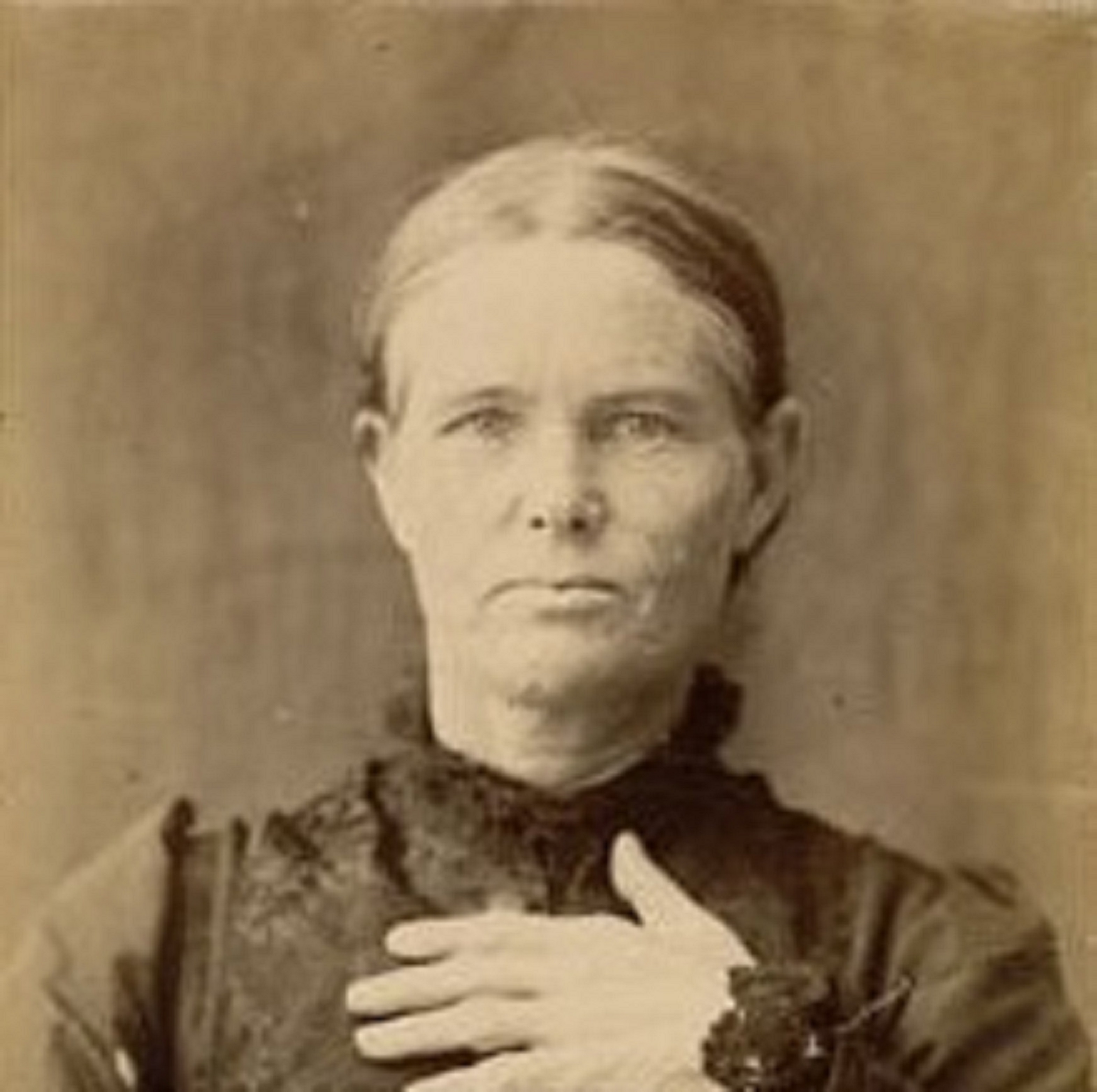
Henry appeared a number of times at the Port Douglas Courthouse (pictured top of page) that was built in 1879 and is still there today. He was also the clerk of petty sessions there. It’s where Ellen Thompson was committed to trail. In 1887 she became the only woman ever hanged in Queensland having been convicted of murdering her husband.
Henry put in some heroic rescue work when a disastrous cyclone hit Burketown that same year. It destroyed almost the entire town and caused the death of seven from a population of just one hundred and thirty-eight people. A storm surge then flooded what was left of the town, causing massive losses of stock, horses and goats. Five houses were washed away and the real disaster was that two hotels were destroyed. It would have been worse if it wasn’t for Henry.
He twice arrested the notorious bushranger Joe Flick in 1889, the first time in Burketown and then in Port Darwin. Flick, who murdered a policeman, is regarded as one of the last great bushrangers.
Henry Hasenkamp retired home to Ipswich and lived in Wyndham Street at North Ipswich. It was probably his ailing health that prompted his spinster daughters Dora and Tilly to move back home from Port Douglas. Henry passed away in 1931.
Many of the Hasenkamps – including Dora, Tilly and Henry – are buried in the Ipswich Cemetery. Their marble memorial is in good shape there today, but perhaps something more should be added.
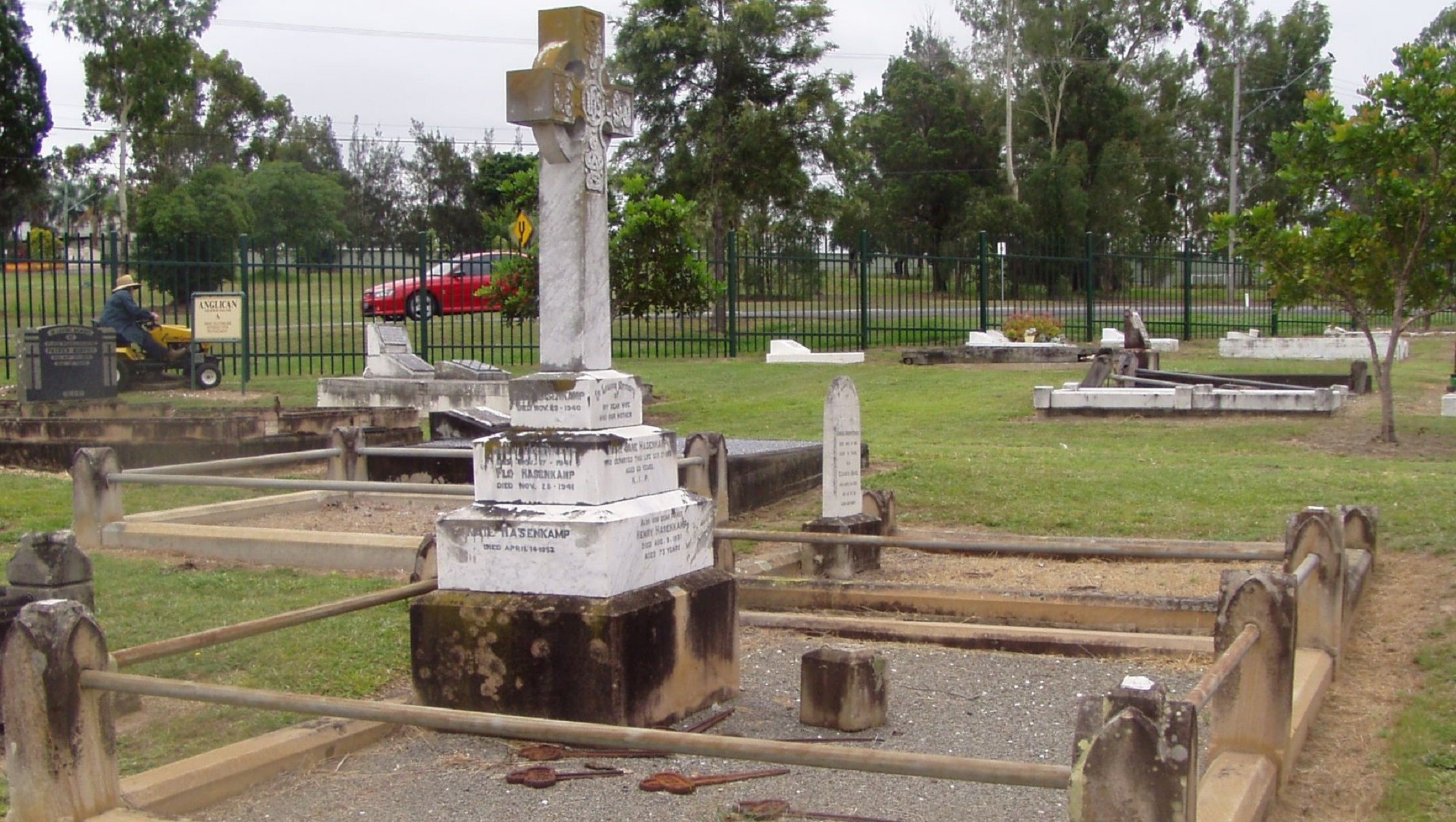
With Charters Towers gold and the last of the great bushrangers on his resume, maybe Ipswich’s Sergeant Henry Hasenkamp could get an historical plaque or something.
CLICK HERE TO LISTEN TO A VERSION OF THIS STORY TOLD ON WEST BREMER RADIO.
Photo credits:
Old Port Douglas Courthouse, 2024 – Harold Peacock 20240510_065639.
Mackay City Council alderman Adolph Hasenkamp Junior, 1918 – Mackay Regional Council Libraries.
Constable Henry Hasenkamp, 1894 – Queensland Police Museum PM1982.
Ellen Thompson, 1887 – Queensland State Archives.
Henry Hasenkamp Ipswich Cemetery – Find A Grave uploaded by Anne – here lies 2018.
 History Out There