

There are a lot of weird stories from Australia’s strange convict past, and here are just three about criminals who went to Warwick on Queensland’s Darling Downs to claim their small piece of history. I told a version of this story on radio 4WK.
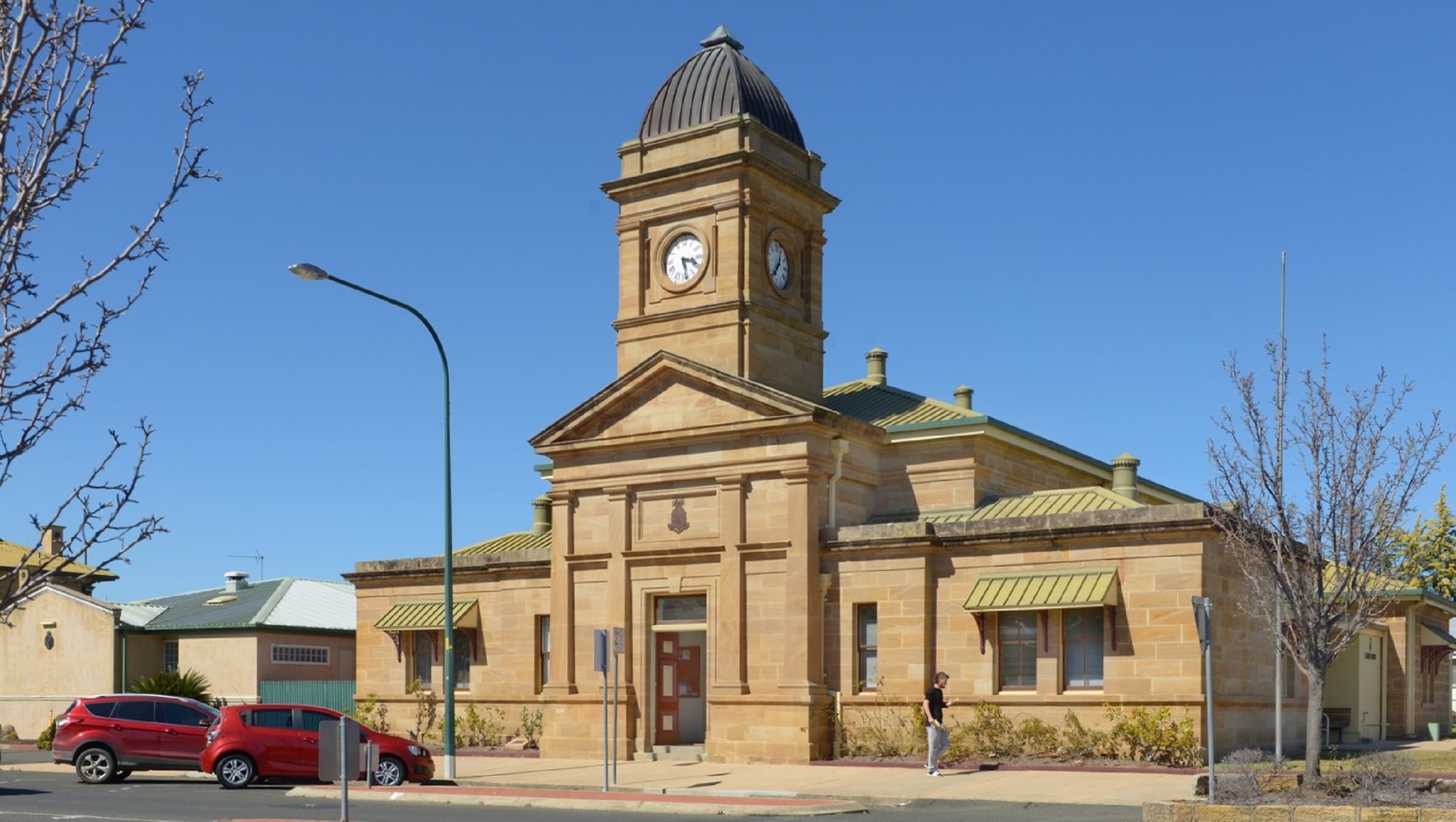
In 1849, Phillip Callaghan appeared in the Warwick courthouse on a charge of having broken into Mr. Marsh’s store at Maryland. The old town of Maryland was twenty-eight miles from Warwick and nine or ten from Stanthorpe on the old Cobb & Co route.
At around eleven o’clock at night, Callaghan broke into the entrance of the store using a pickaxe and stole four hundred weight of sugar, and twenty-nine pounds of tobacco.
After waking up half the town with the noise, Callaghan was spotted carrying two bags across his arm. On realising he’d been seen, Callaghan put the bags on the ground, and in a strange bid to hide the evidence, laid down on top of them. He then covered his face with his hat.
The witness went up to him, and on removing the hat, recognised Callaghan immediately and the game was up. This is an example of the sophistication of the convicts that Warwick had to contend with.
Another tale comes from St Helena Island in Moreton Bay which was declared a high security penal settlement in 1867, although the island was first used as a prison as early as 1826.
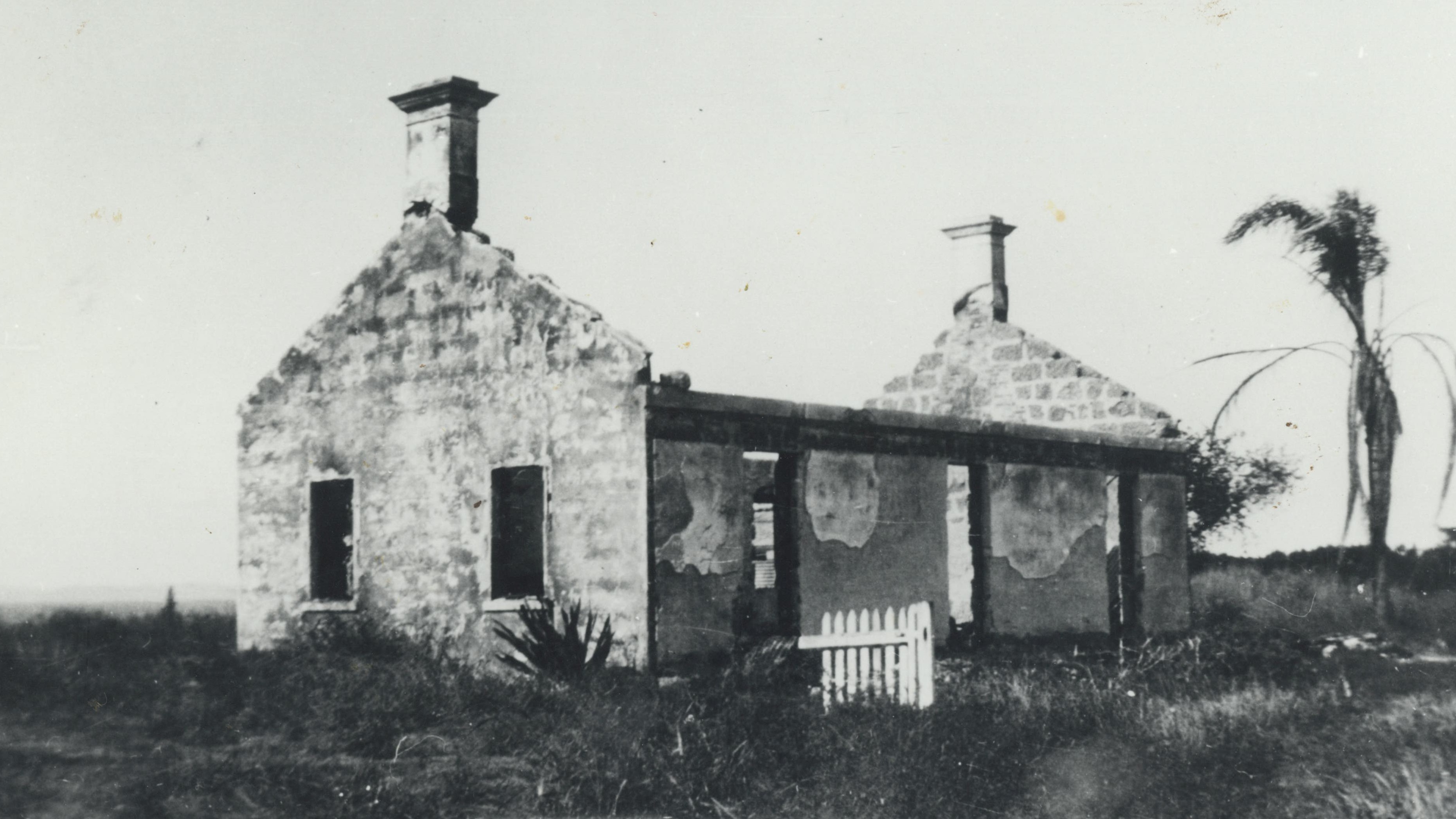
There were a number of escapes including one in 1871 by a prisoner identified simply as Bevan. Bevan was annoyed at what he considered some harsh treatment, and so picked up a sugar-cooler or box that he saw lying about, walked down to the beach, waded out for about half a mile as it was low tide, and launched his unusual craft.
The box of course sank as soon as Bevan got into it. Being a good swimmer, however, he floated in the water for four hours trying to decide what to do next. Once it became dark, he saw lights being used in the search for him on St Helena, so he made for nearby Fisherman’s Island instead. On one occasion he came within a few feet of a police boat in search of him, and all the while miraculously avoiding being taken by sharks.
The next morning Bevan swam and waded to the mainland in a state of complete nudity. He wandered along the Ipswich Road in the nude as you do, until he came across an Aboriginal and took his clothes. Bevan then walked along the old Cunningham’s Gap road to Warwick, and that’s where he was captured after a week on the run. So going to Warwick certainly didn’t help him either.
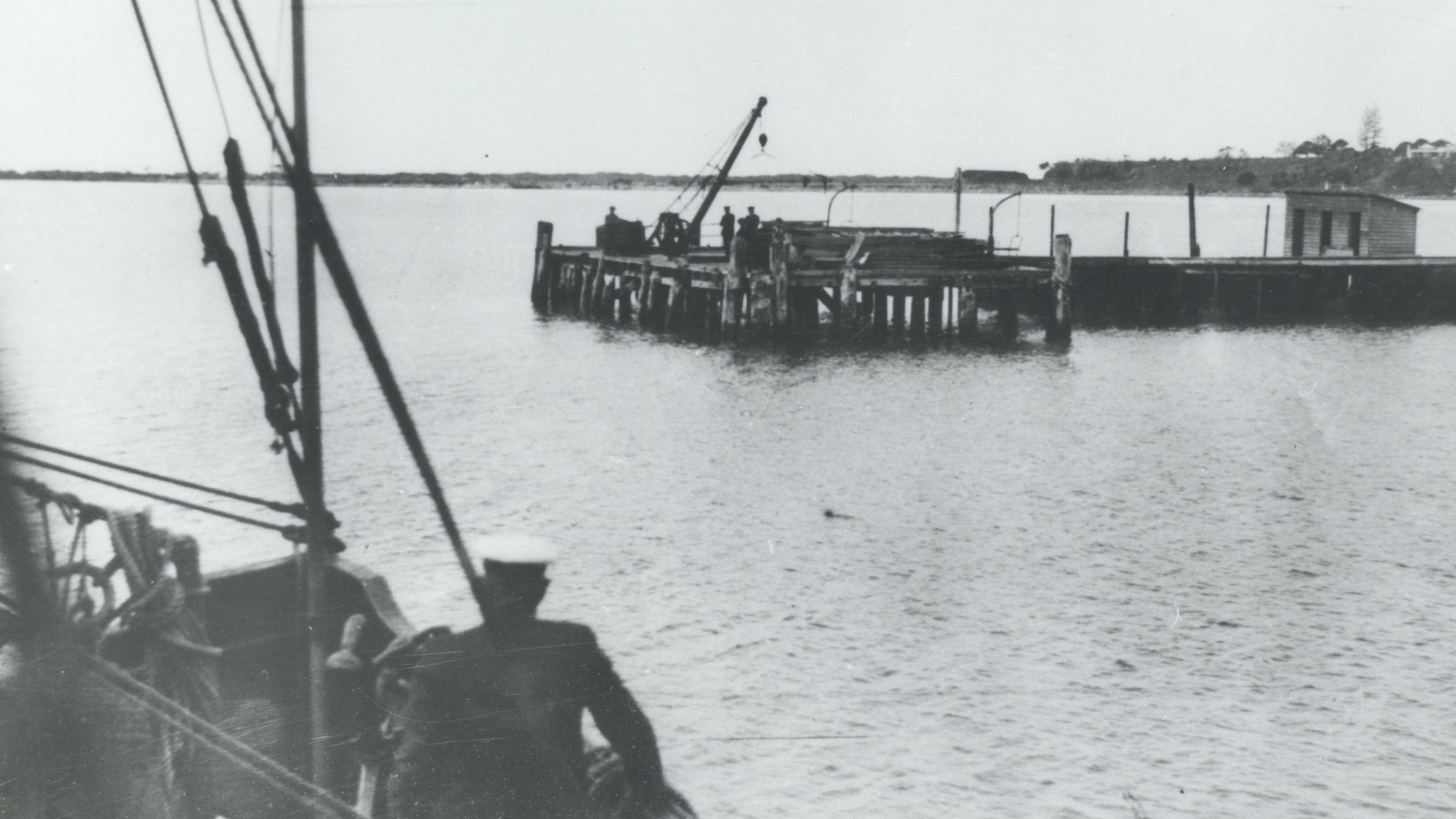
The third convict tale is another escape from St Helena Island. It was in fact the very first escape which surprisingly happened even before the prison was built. In 1866, two prisoners he put to work at the jetty squaring timber, and incredibly put in charge of the boat. Both of the prisoners naturally decided to use the boat to escape and got clear away.
One of them was named Charles Court who was undergoing two concurrent sentences of five years penal servitude for horse-stealing. Court made his way to New South Wales where he conducted himself so well that a well-to-do relative promised to make him his heir if he returned to Queensland and fulfilled his sentence.
Court, therefore, in 1871 travelled overland to Warwick, where he surrendered himself to the police. He still had four years and one month to serve. But that’s where the story goes a bit weird.
The court decided, despite Charles Court having escaped, that he could not be held on his original sentence because the term of five years had expired. Court was therefore discharged from custody a free man.
These three convicts were very different men – one hid under his hat, another was a nudist, and the third turned himself in for an inheritance. What they had in common was that they all went to Warwick to claim a little piece of strange convict history.
CLICK HERE TO LISTEN TO A VERSION OF THIS STORY TOLD LIVE ON RADIO 4WK.
Photo credits:
Hobart Town chain gang drawing, 1900 – State Library of Victoria.
Warwick Court House with clock tower, August 2020 – Murray Waite, Creative Commons, State Library of Queensland.
Head warders house St Helena, 1940s – Brisbane City Council.
St Helena jetty 1928 the boat from Brisbane would unload new prisoners or staff – Brisbane City Council.
 History Out There