
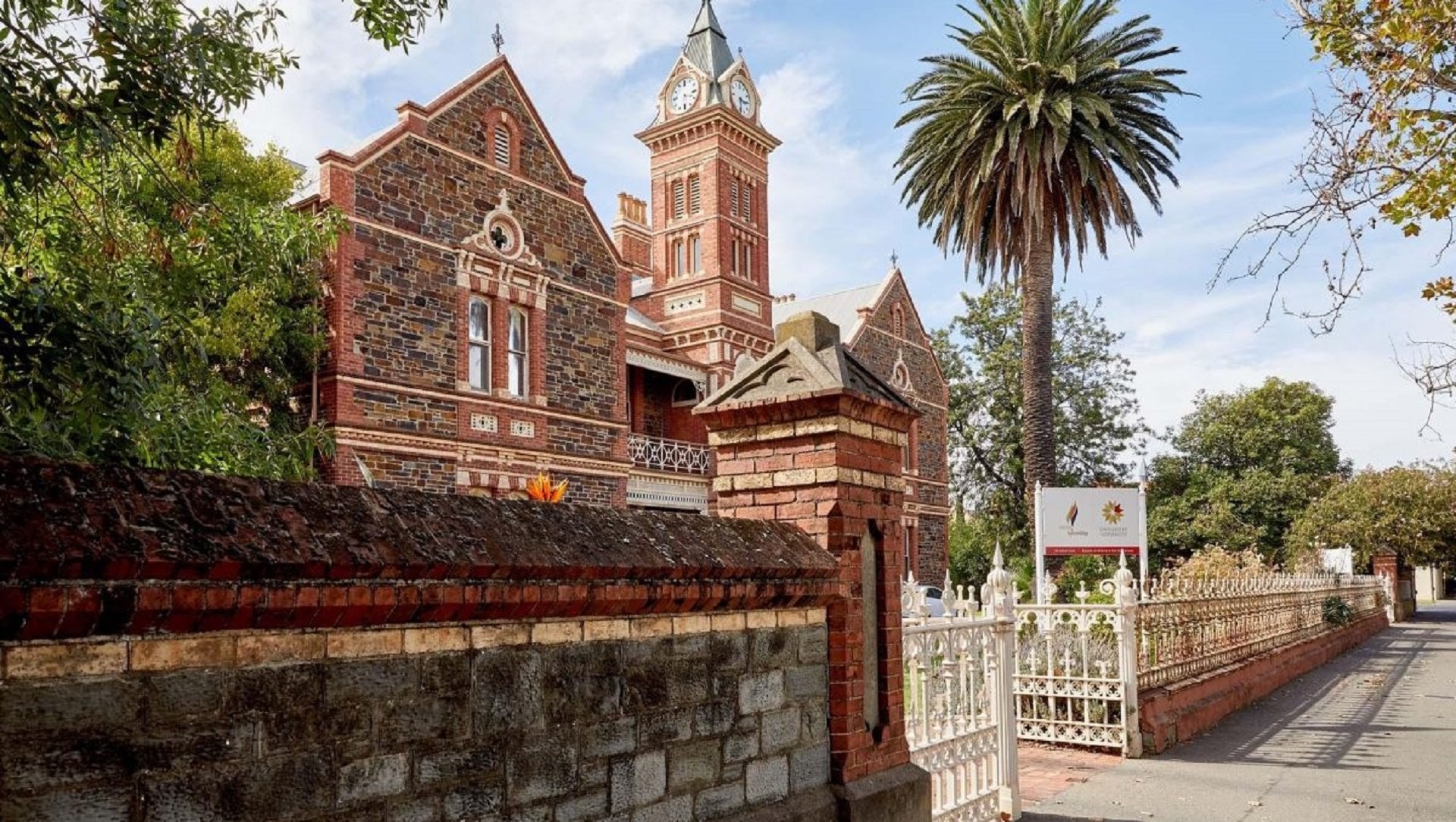
Last week’s biggest property deal in South Australia was $50 million paid for an historic school site in North Adelaide. Its connection with the Darling Downs reveals some fascinating characters you would not believe. I told a version of this story on radio 4WK.
On the 1.9 site is a beautiful and historic building called Hebart Hall that was built in 1882 as part of Whinham College. The school was named after its founder John Whinham. The college only lasted until 1898 but its history reaches to the Darling Downs, western Queensland and beyond, through the boys who attended the school.
There’s Alexander Gilmour of Tarilla station in the Surat district of western Queensland. Alexander completed his education at Whinham College and became was one of the best sheep and wool judges in Australia. He was chairman of the Warras Shire Council and a member of the St. George Rabbit Board for many years. At the Prickly Pear Royal Commission at Queensland’s parliament house in 1923, he gave evidence that seed could lay dormant for twenty years. Australia’s farming country was of course saved from the prickly pear with the introduction of the Cactoblastis moth in 1926, and Milton played a modest part in action leading up to that.
Then there was another old Whinham College boy David Milton Murray. He was a regular on the Darling Downs visiting his sister Esther at Warwick. He was called by his middle name Milton, and his brother-in-law was Charles Counsell who was one of the first the first selectors of grazing farms in Queensland.
Another of Milton’s brothers-in-law was Christopher Coppin Jnr. Coppin was a pearler in Western Australia who survived the Big Blow of 1887 which was one of the worst marine disasters in Australian history. Almost the entire Australian pearling fleet sunk with the loss of one hundred and forty lives.
Milton’s father-in-law was old Chris Coppin Snr who was a pioneer of Western Australia. Coppin’s uncle was the Honorable George Coppin who was a comedian, politician and philanthropist.

It was Coppin who imported six camels from Yemen and in 1860 on-sold them to the Burke and Wills expedition. In 1869 Coppin subdivided a block of land in Hawthorn, Melbourne, and named two streets that are still there today, namely Coppin Grove and Shakespeare Grove. It was said that Coppin named the two streets after his two favourite thespians.
Anther old Whinham College boy was Gilbert Boothby of Toowoomba. Boothby farmed at Toowoomba for twenty years and then became shire clerk of Drayton and then Millmerran.
Gilbert’s brother Hugo Boothby was an officer with the South Australian supreme court and married a cousin.
Another brother was Guy Boothby who was a novelist best known for a series about a criminal mastermind who was a forerunner to Fu Manchu. Rudyard Kipling was his friend, and his books were fondly remembered by none other than George Orwell.
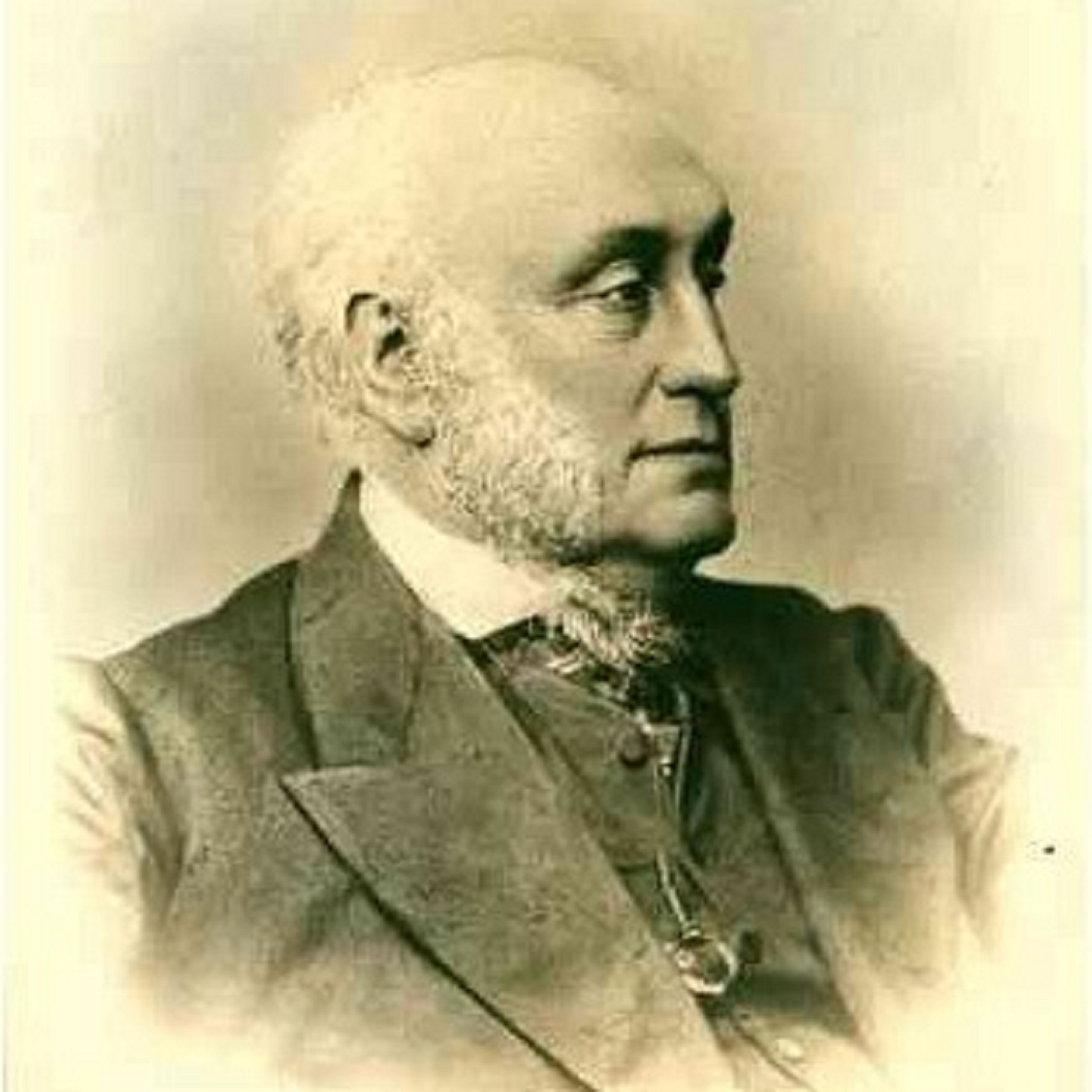
Gilbert’s grandfather was Benjamin Boothby. He was a South Australian supreme court judge, who was one of four Australian supreme court judges in the nineteenth century who were removed from office due to misbehaviour.
So with the final chapter of Adelaide’s old Whinham College being written with the property sale, the reach of the Darling Downs and the school goes far and wide, even to things like misbehaving judges, the Burke and Wills expedition, George Orwell, and of course the prickly pear.
CLICK HERE TO LISTEN TO A VERSION OF THIS STORY TOLD LIVE ON RADIO 4WK.
Photo credits:
Hebart Hall, Jeffcott Street, North Adelaide – Adelaide Economic Development.
George Coppin, 1901 – National Library of Australia,
Benjamin Boothby, 1860 – Wikimedia Commons.
 History Out There