

One man’s life was surprisingly and irrevocably influenced by the 1899 football grand final in Melbourne despite him being over 1,600km away. I told a version of this story live on West Bremer Radio.
The 2024 Australian Football League grand final provided an echo from 125 years ago. When Brisbane Lions played Sydney Swans final at the Melbourne Cricket Ground, there was a distinct sound of leather on willow coming from Ipswich in the northern state of Queensland.
The previous time the two teams met in a grand final was in 1899 when the clubs were known as Fitzroy Lions and South Melbourne Swans. Fitzroy won the match by one point, and on the South Melbourne team was a player who would become a household name.
The name of the Swans player was Warwick Armstrong. From 1898 to 1900, Armstrong played sixteen games and kicked eighteen goals for the Swans. He became better known as Warwick Armstrong the Australian cricket captain.

Armstrong played fifty tests for Australia between 1902 and 1921 and was undefeated in the ten matches as captain, winning eight and drawing two.
The lad so impacted by the former South Melbourne player Armstrong was Bert Ironmonger from outside of Ipswich. The rise of Ironmonger from bush bowler in an obscure Queensland township is one of the romantic tales of Australian cricket history.
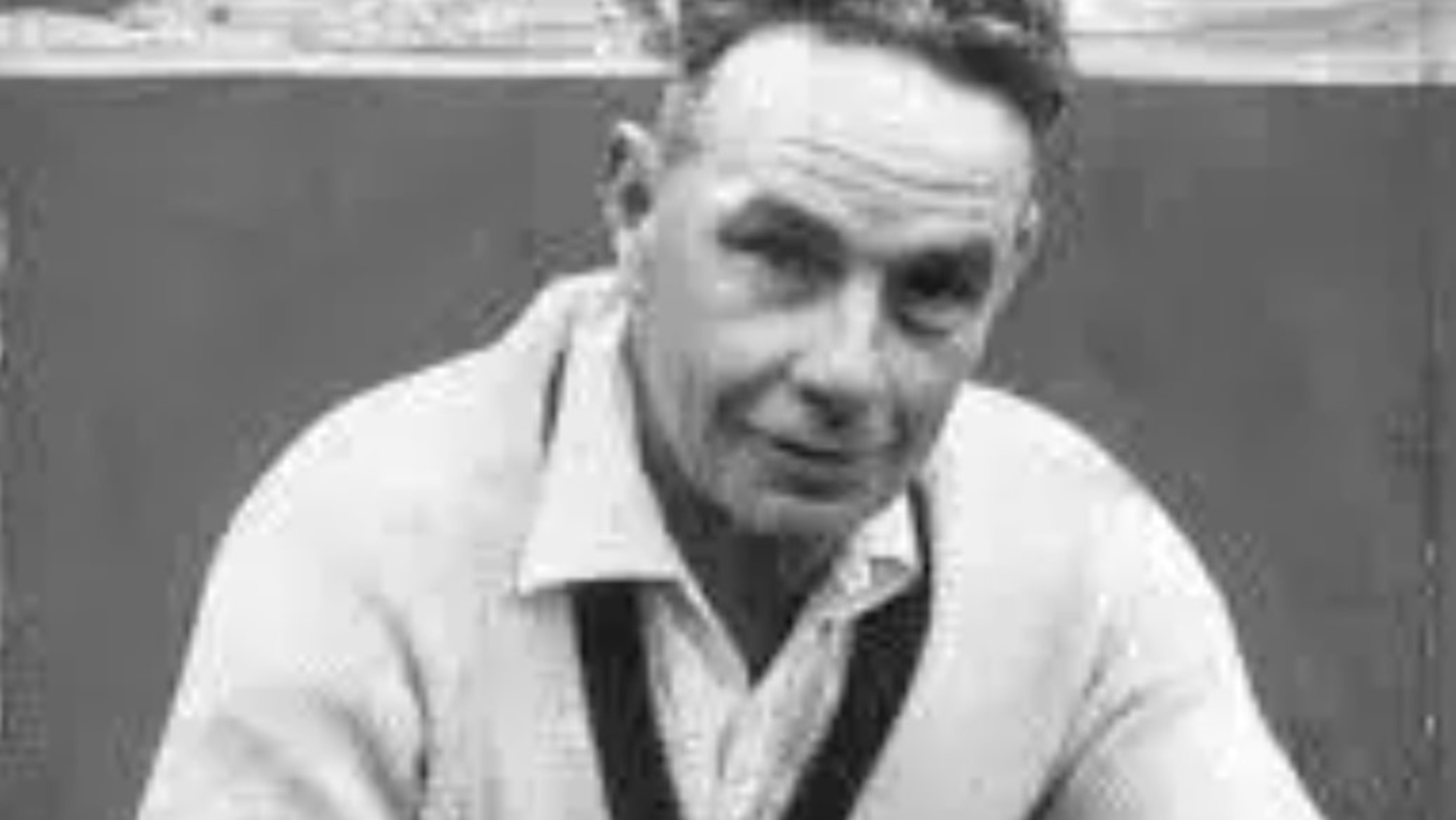
Ironmonger was born in Pine Mountain just outside of Ipswich. He was the youngest of ten children. He lived and worked on the family farm at Pine Mountain until he was twenty-five years old. Ironmonger played cricket for the Albert club in Ipswich for fifteen years, taking well over 1,000 wickets at an average of fewer than six runs each.
Year after year Ironmonger took the wickets for Alberts, not only on the local cricket reserve, but in towns across Queensland wherever his club visited.
But no matter how well Ironmonger played, he was never considered by the Queensland selectors in Brisbane.
The president of the Ipswich and West Moreton Cricket Association was Norman Cossart and he was an extremely vocal critic of the Queensland Cricket Association by highlighting its appalling treatment of country players, and arguing for the selection of Ironmonger.
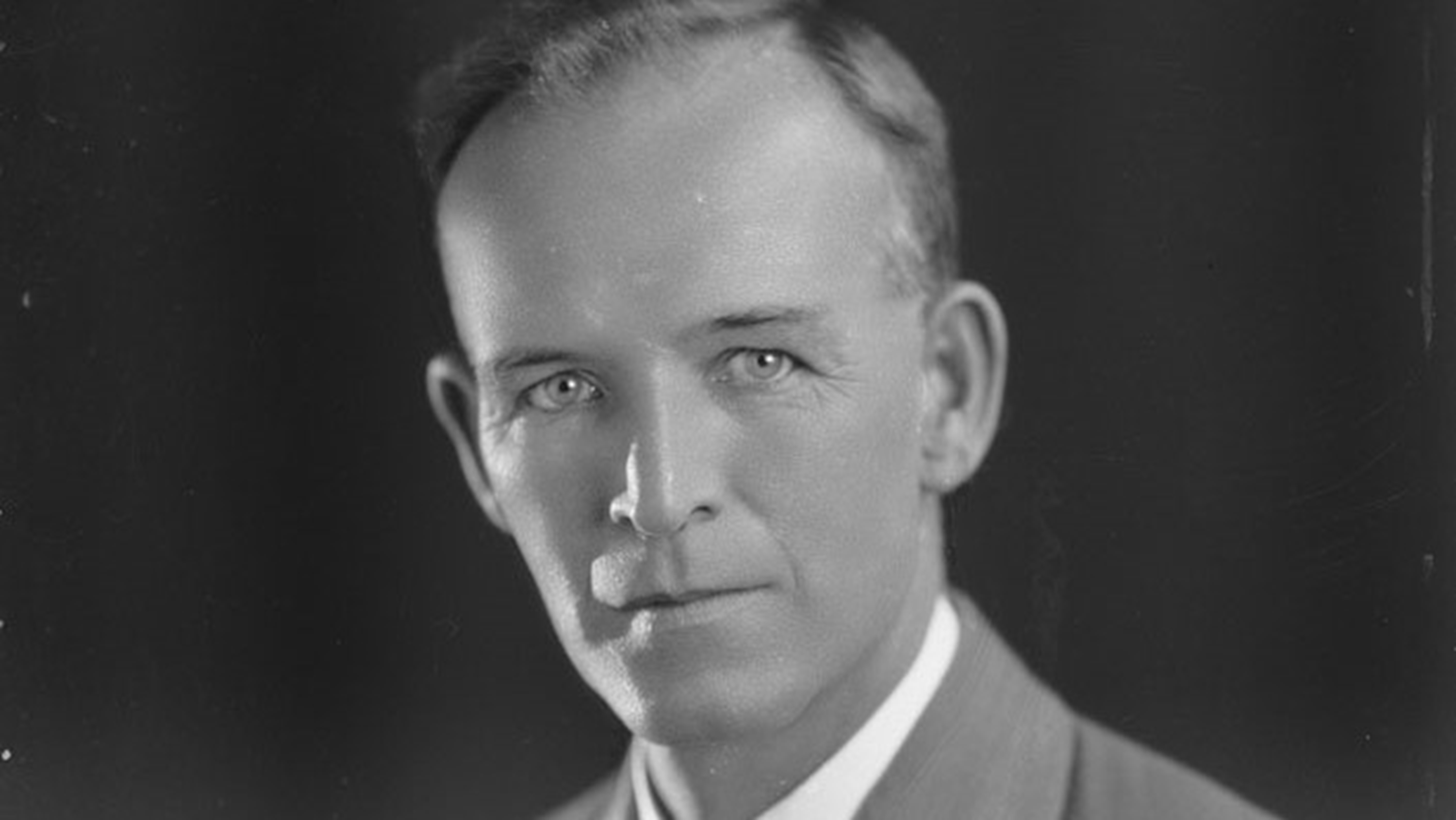
Cossart himself was a premiership winning cricketer with East Ipswich, and his brother played one game for Queensland.
Cossart acknowledged that it wasn’t until the former South Melbourne footballer Armstrong saw Ironmonger bowl, that the boy from Pine Mountain received the recognition he deserved. Thanks directly to Armstrong, Ironmonger then played a few games with Queensland before moving to Melbourne and he never looked back.
Ironmonger became the first person from Ipswich to play Test cricket for Australia. He played fourteen Tests between 1928 and 1933 and was Australia’s most successful left-hand bowler of his time.
Ironmonger did all this despite having only the thumb and little finger on his bowling hand. And he was so old when he debuted that he lied about his age because he was worried that it might effect his prospects, and that remained his official birthdate throughout his career.
As a result, Ironmonger is the second-oldest Test cricketer in the world, having played his last match at almost fifty-one years old. He’s also the oldest-ever Test cricketer to take a five-wicket haul, and the oldest to take ten wickets in a match.
If it wasn’t for Warwick Armstrong who played for the South Melbourne Swans in the 1899 AFL grand final, the world would never have heard of Ipswich’s first test cricketer Bert Ironmonger.
CLICK HERE TO LISTEN TO A VERSION OF THE STORY TOLD ON WEST BREMER RADIO.
Photo credits:
Sydney Swans supporters at the 2024 grand final parade in Melbourne – Harold Peacock.
Warwick Armstrong 1902 – Wikipedia Commons.
Bert Ironmonger – Wikipedia Commons.
Mr Norman Cossart Ipswich 1930s – Picture Ipswich.
 History Out There