
On Monday the 1st of August 1864, around thirty witnesses gathered inside, and about 150 people crowded outside, waiting to hear the drop. I told a version of this story live on radio 4WK.
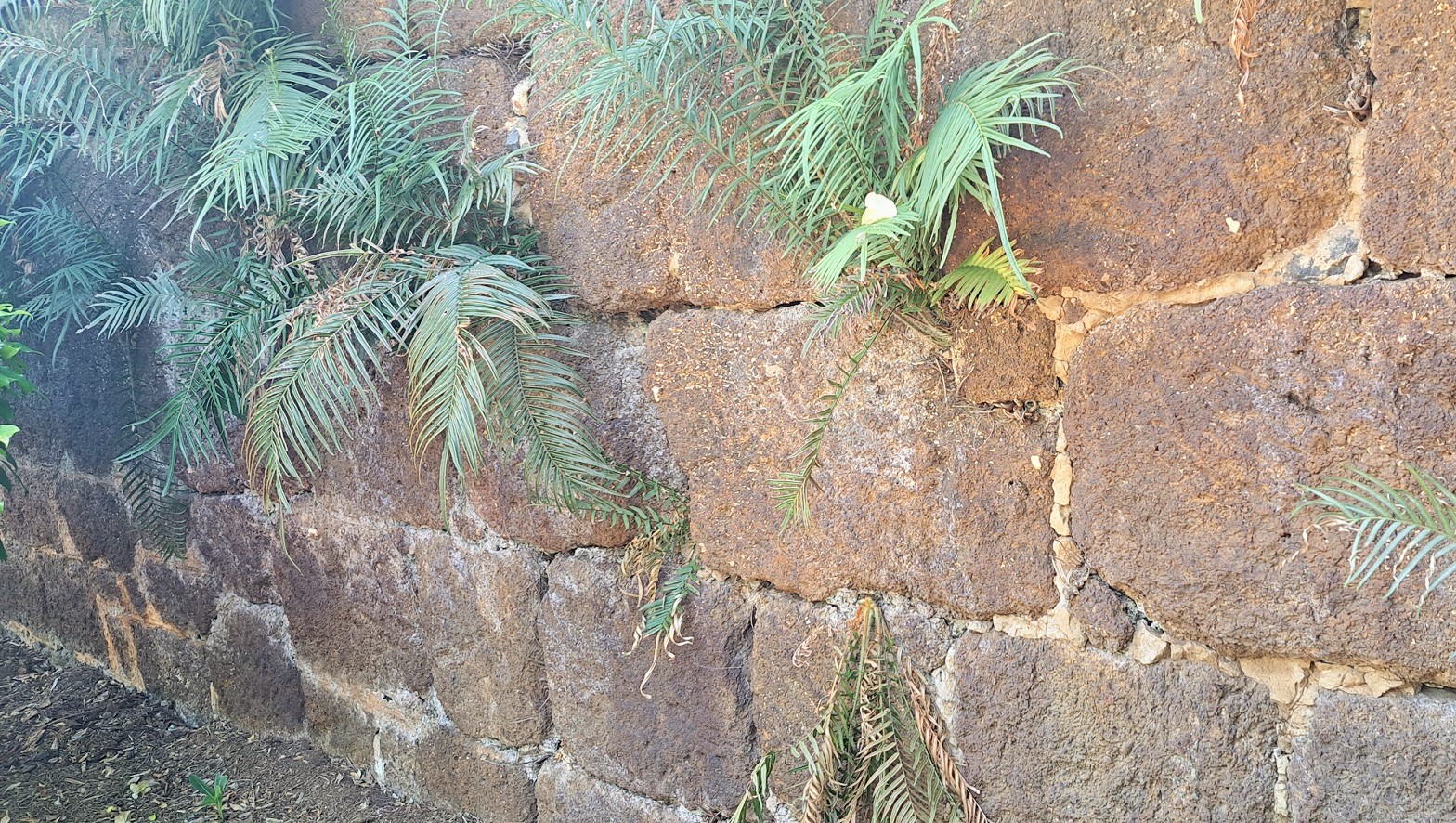
The occasion was the first legal execution in Toowoomba. Gallows had been erected within the western end of the then new Toowoomba gaol. Only the stone foundations of the gaol survive today (pictured above).
The executioner appeared with his head covered by black fabric. He did the job and it was Alexander Ritchie who went down in history as the first person hanged in Toowoomba.
Richie’s story has been well documented. He murdered execution style the manager of the Yandilla station outside of Toowoomba.
Less well known from that first Toowoomba hanging is the story of the hangman’s reverend.
It was The Reverend Doctor William Nelson who prayed with Ritchie in his final days, hours and minutes. But the condemned man remained unrepentant.

Back in Scotland, Rev. Nelson had been tutor to the family of Lord Ivory, the solicitor-general for Scotland. Three of Ivory’s sons followed Reverend Nelson to Queensland, and one became a member of the Queensland parliament.
Rev. Nelson himself was instrumental in founding St. Stephen’s and St. John’s churches in Toowoomba, as well as Presbyterian churches in Dalby, Warwick, Murphy’s Creek, and elsewhere.
What’s more, in 1860 Rev. Nelson was elected to the first Queensland parliament. But, in the first sitting, a petition was presented that led to him becoming the first member to be disqualified, and all because he was an ordained minister.
Rev. Nelson had the last laugh because his son Sir Hugh Nelson became the eleventh premier of Queensland.

Even less well known than the hangman’s reverend is the Toowoomba hangman himself.
A man by the name of John Hutton filled the role of public executioner in the colony at the time. Hutton’s fourth execution was Toowoomba’s first.
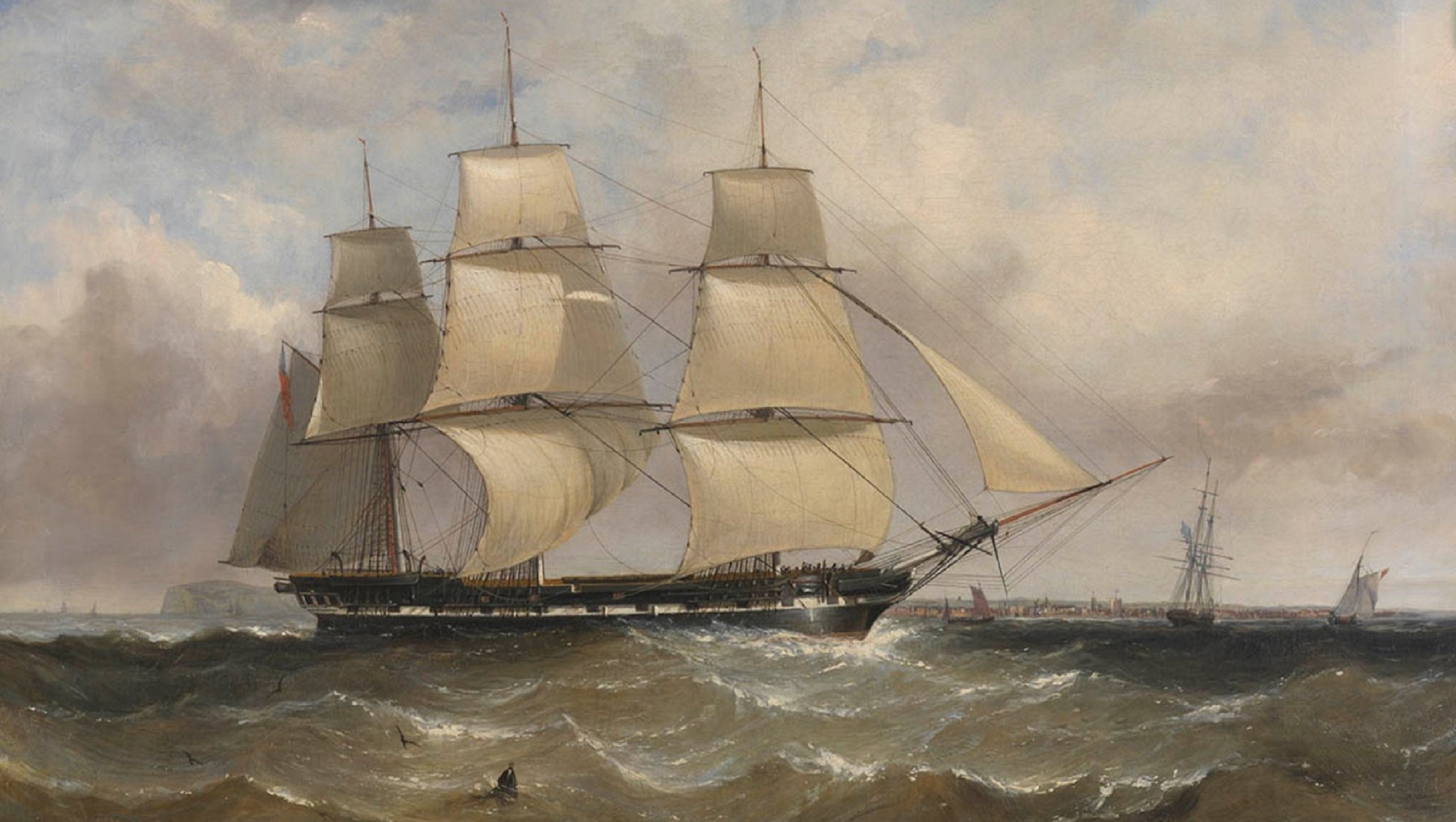
Hutton was an exile convict who arrived in the colony in 1849 aboard the ship Mount Stuart Elphinstone. Convict transportation to the east coast of Australia had ended so the arrival of exile ships in Moreton Bay was controversial. But squatters and pastoralists, particularly on the Darling Downs, were in desperate need of labour. So these exile convicts were given tickets-of leave as soon as they landed, they could work for themselves, but their movements were closely monitored.
But come 1860, Hutton faced two charges of indecent assault. The evidence was considered totally unfit for publication at the time. He was sentenced to two years’ hard labour in Brisbane gaol.
Even before Hutton finished his sentenced, he was – by his own request – appointed public executioner on the 1st of April 1862. He was given a salary of £118 a year. That’s around $150,000 in today’s money.
After each execution he would invite the gaol officials to join him in a glass of spirits, and on being complimented on the execution, Hutton would reply, “Yes, very successful execution. About the best I have done yet.”
On one particular hanging, however, the unfortunate man’s head was severed from his body. Hutton coolly picked up the severed head and examined the neck to see how the flesh had been penetrated by the rope. He blamed it on the prisoner for not exercising enough. On being admonished, Hutton complained, “Ain’t I paid for killing the man? And ain’t this man dead? What more do you want?”
When a system of flogging was introduced, Hutton refused to act as flagellator until he got a pay increase.
He also demanded to be pensioned off because of his advanced age and the number of years of service. Eventually in 1885 he retired at the age of eighty-one with a superannuation of £57 per year. That’s over $50,000 today. He died two years later in 1887. During his term of office, Hutton had carried out thirty-seven executions with just one being in Toowoomba.
Hutton had accumulated several properties in Brisbane valued at over a million dollars. His wife lived out the rest of her life across the road from where Lang Park stadium is today. Their two sons took up the relatively mundane professions as grocers, one living ironically on the site that today hosts the Queensland police headquarters.
Hutton is buried in Toowong cemetery in Brisbane, and he has living descendants today, so be careful who you talk to about Toowoomba’s history of hanging and flagellation. You just never know.
CLICK HERE TO LISTEN TO A VERSION OF THIS STORY TOLD ON RADIO 4WK.
Photo credits:
Surviving stone foundations of Old Toowoomba Gaol, 2023 – Harold Peacock.
William Lambie Nelson – added to Find a Grave by Shelo in 2016.
Hugh Muir Nelson – State Library of Queensland.
Mount Stewart Elphinstone, 1826 – National Maritime Museum, Greenwich, London.
 History Out There
[…] One of these exiles was a man by the name of John Hutton who after he arrived was convicted of two charges of indecent assault, with the evidence being so bad that it was considered totally unfit for publication even back then. Before Hutton finished his sentence, he volunteered to be Moreton Bay’s and therefore Queensland’s first ever public executioner. […]
LikeLike
[…] The licensee was Mr. Jackson Curry. Shortly after giving his evidence in Ipswich, Curry played a role in the first legal execution in Toowoomba. […]
LikeLike
[…] hanging itself was a botched job by Queensland’s first colonial executioner John Hutton. The death was instantaneous but quite gory because Collins was dropped from an excessive […]
LikeLike
[…] who upon arrival was given seven days solitary confinement for chucking a sickie. There was John Hutton who became Queensland’s first ever public executioner. And then there was the pensioner guard Michael Turley who became the oldest person ever sentenced […]
LikeLike
[…] in touch with his travelling companions from the Bangalore. Among those on the ship were convict John Hutton who became Queensland’s first ever public executioner, and the pensioner guard Michael Turley […]
LikeLike
[…] colonial ministry of postmaster-general. The manager of his Yandilla property was later murdered by a disaffected employee who became the first person executed in Toowoomba. But in 1848 Gore had taken up the new Bodumba run and that’s where Gentle was […]
LikeLike