
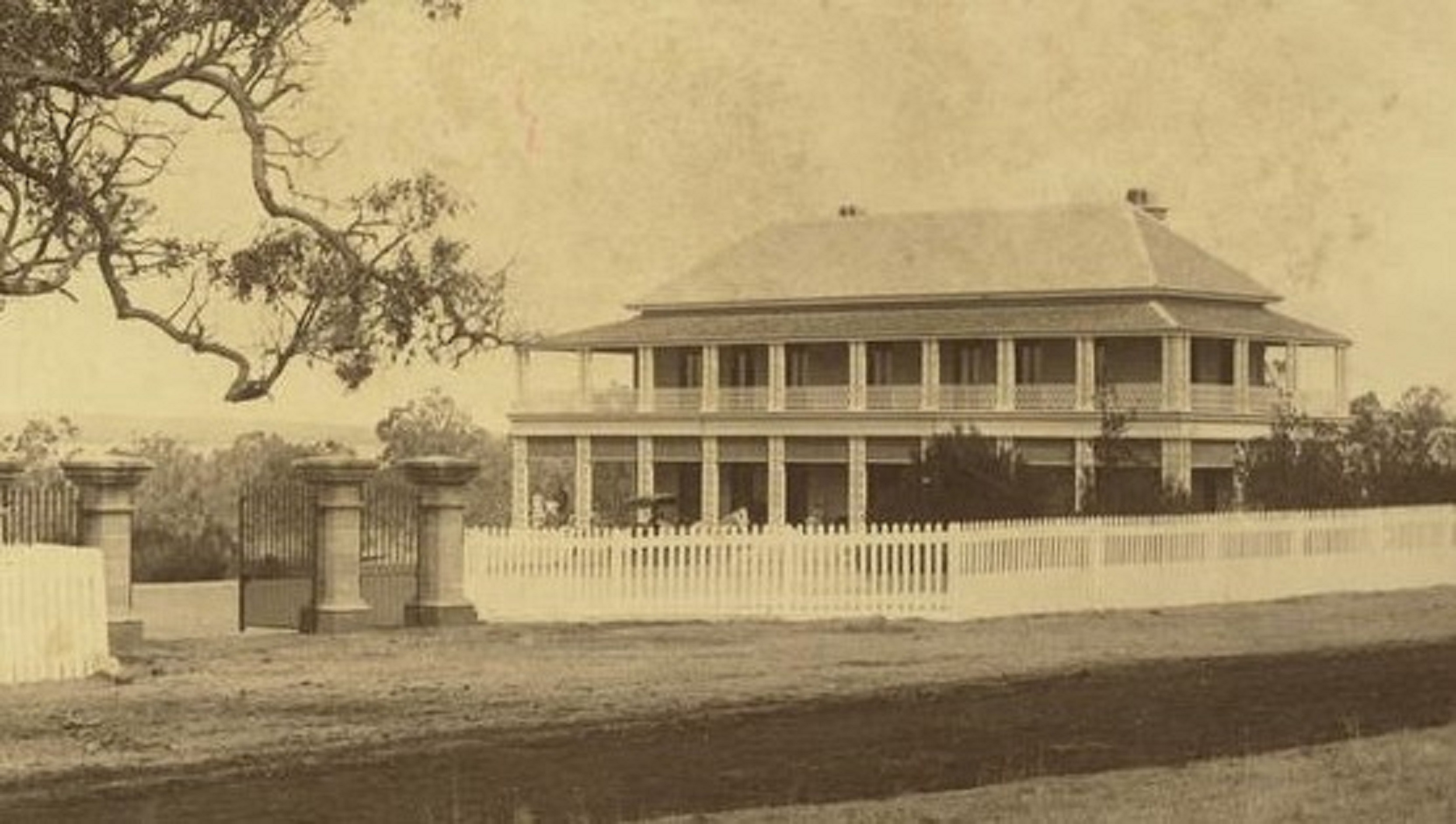
One hundred and sixty years ago this month at Glengallan there were melancholy examples of the uncertainty of life, and a ghost was born. I told a version of this story live on radio 4WK.
Glengallan (pictured above) is a heritage-listed homestead about fifteen kilometres north of Warwick on the Southern Downs region of Queensland. The head station was built from 1864. Today the homestead is open to the public.
A tale that has been handed down from Glengallan’s very earliest days concerns The Reverend Benjamin Glennie and a ghost. Reverend Glennie was an Anglican minister who in 1848 presided over the first Church of England service on the Darling Downs. The Glennie School at Toowoomba is named after him.
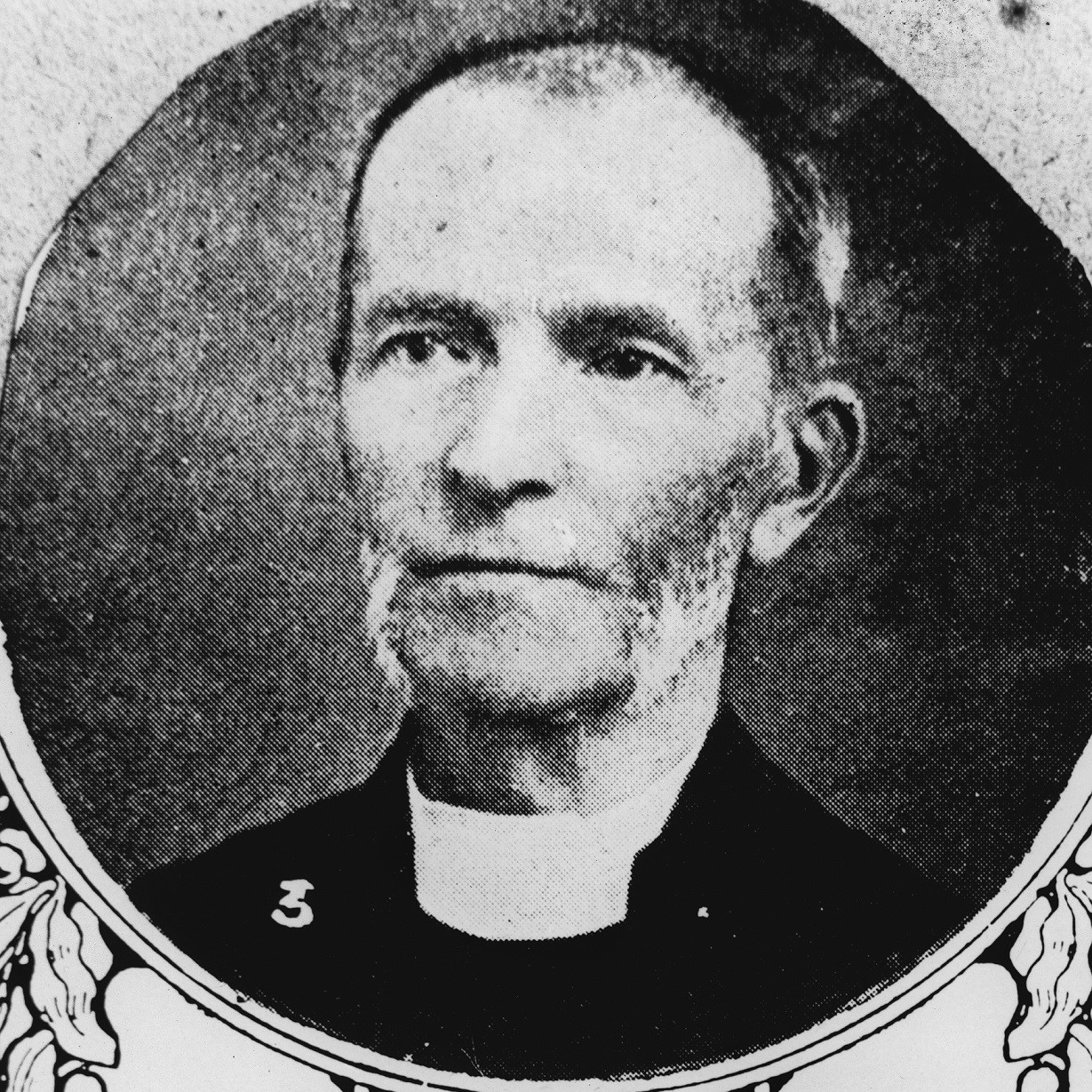
The legend is that one night, when the Reverend and a companion were on horseback along the road between Goomburra and Glengallan homesteads, a white shape loomed up in front of them causing their mounts to bolt. Other night riders subsequently also saw the alleged ghost, which finally was laid to rest as a large white owl, but thereafter the gate where the clergyman and his companion had their haunting experience was known as “Ghost Gate.”
A number of riders at night since then have sweared to their dying days that as they neared the Ghost Gates their horses would tremble and shy, then the gates would swing slowly open and close again as they dashed through.
That’s where three melancholy uncertainties of life arise because they could explain Glengallan’s Ghost Gate.
On Saturday the 26th of November 1864, a man by the name of James Lovett was riding from Warwick to Glengallen station. On the way he dismounted and no sooner had he got off his horse than a large black snake flew at him. The snake bit him under the knee. He jumped back on his horse and galloped to Glengallan where he presented his open knife to the overseer and told him to cut the poisoned piece out of his leg. This was done, and then an indigenous station hand sucked about a pint of blood from the wound. Dr Frederick Margetts arrived from Warwick, but Lovett died about an hour later. Lovett was a strapping young man, upwards of six feet tall and in the prime of his life.

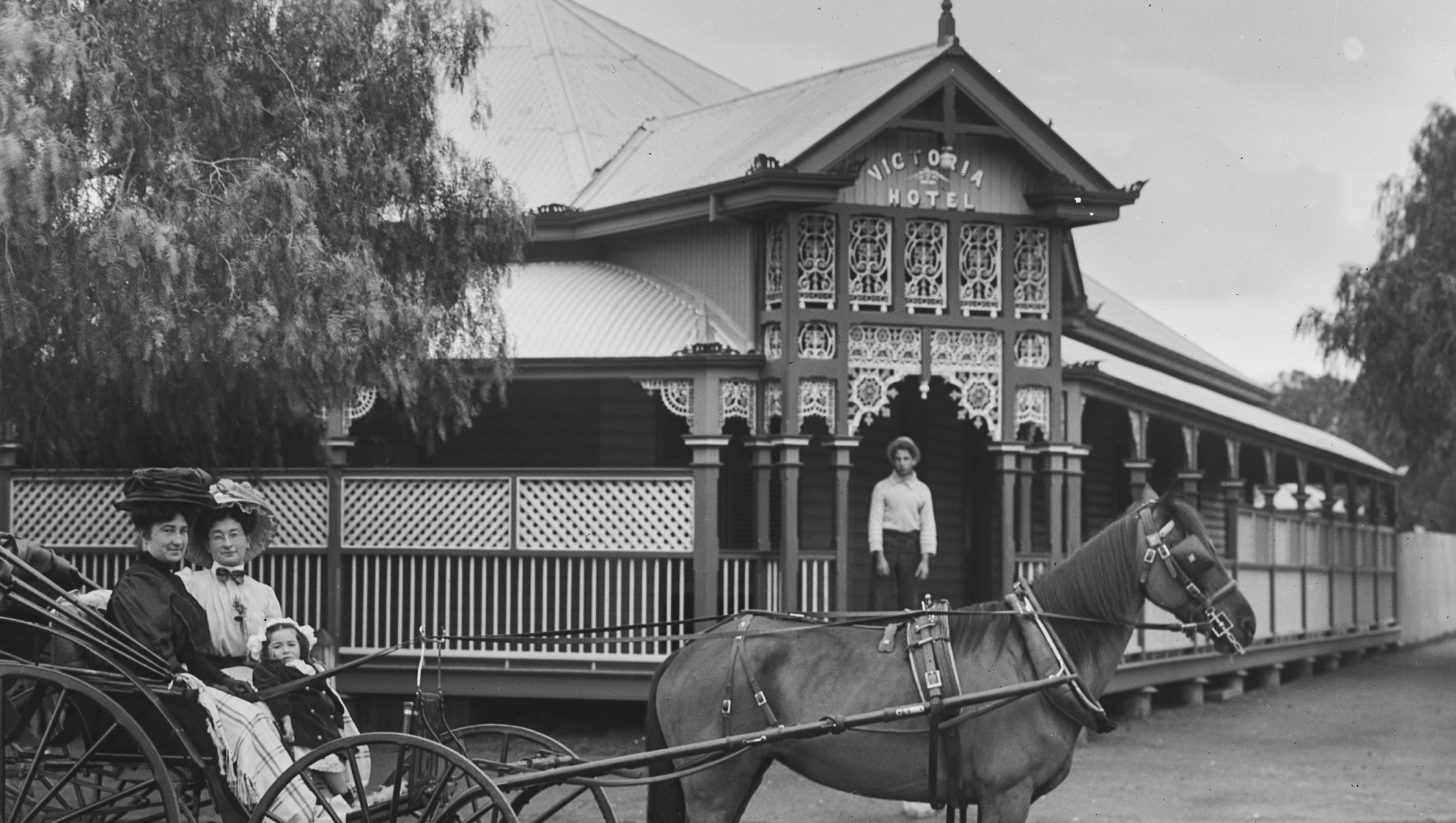
And then on Sunday the 11th of December 1864, a young Glengallan man named Joseph Duffy went to bathe in the Condamine, near Sandy Creek. Wading out of his depth, he drowned. Duffy had arrived in the colony only about two months earlier, and his body was found the following day. A brother Andrew Duffy lived long enough to be regarded as a pioneer of the district as a grazier at Maryland and lived out his life as a resident at the Victoria Hotel in Warwick.
That same evening in 1864, a man named John Maxwell went missing from Glengallan. He had been in Warwick on a drinking spree some days previously, and on his return to the station was suffering from an alcohol withdrawal delirium. He was found floating in the Glengallan Creek five days later by a stockman named Fred Bourne. The inquest decided that Maxwell had drowned whilst in a state of temporary derangement. The stockman Bourne went on to become mayor of Roma three times.
All three men – Lovett killed by a snake attack, Duffy drowned after arriving from England, and Maxwell drowned in a delirium – were employed at the Glengallan head station and died tragically in less than three weeks. This was a tragic casualty rate when the population of the district was so small.
Perhaps one of them was kind enough to open the Glengallen Ghost Gate for Reverend Glennie. Whatever the truth, their demise in rapid succession was a melancholy reminder for the Warwick district of the uncertainty of life back in those old days.
CLICK HERE TO LISTEN TO A VERSION OF THIS STORY TOLD ON RADIO 4WK.
Photo credits:
Glengallan Homestead c1875 – State Library of Queensland.
Reverend Benjamin Glennie – State Library of Queensland.
Doctor Frederick Margetts of Warwick driving a horsedrawn buggy c1890 – State Library of Queensland.
Victoria Hotel, Warwick – State Library of Queensland.
 History Out There