

The lure of gold in the 1850s built Australia. Eighty years later there was another gold rush that swept the country. This story told through one Queensland city of Ipswich, and some of its fascinating pioneers. I told a version of this story on West Bremer Radio.
There was Thomas Welldon of North Ipswich. He arrived on Moreton Bay in 1857 and walked from Brisbane to Ipswich. He made the clay bricks that you see in St Paul’s Anglican Church in the heart of Ipswich today. In 1858 he joined the Port Curtis gold rush up near Rockhampton. Its name is infamous in the history of Australian gold rushes because it was a so called “duffer rush”. The old fields around Bathurst, Bendigo, and Ballarat were no longer paradises they first were, and so thousands of men rushed to Port Curtis where they found nothing and starved. Welldon returned to Ipswich.
Then there was Patrick Cleary who one of Ipswich’s old-time butchers. In 1867 Cleary joined the famous Gympie gold rush when more than half the population of Ipswich rushed off to the diggings. Cleary didn’t strike it rich, but he had already made his mark in Ipswich history. He was a member of the Ipswich cricket team that in 1864 famously disposed of the Brisbane United eleven for a total of four runs. Two of Brisbane’s four runs were leg-byes.
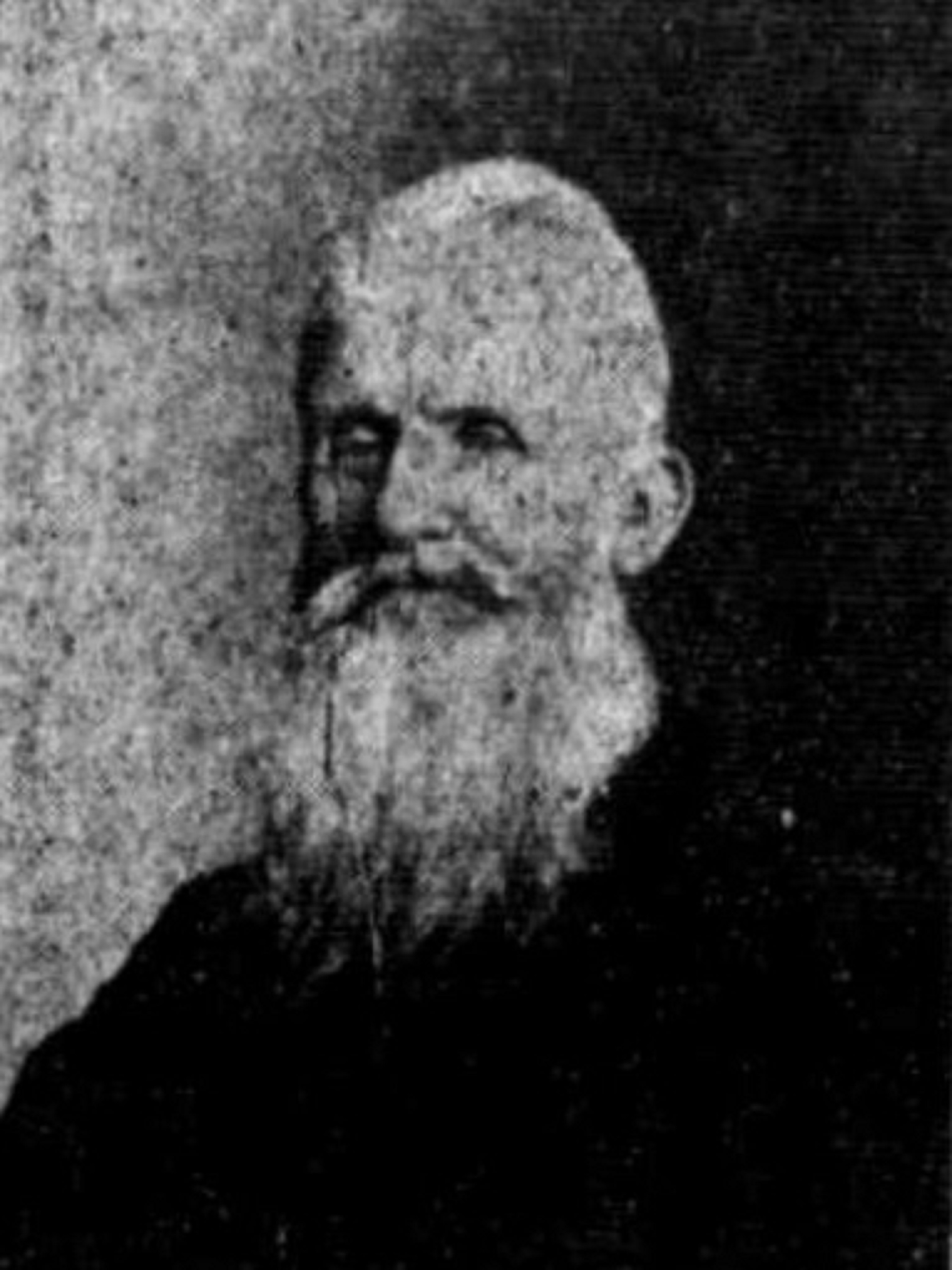
And then there was George Meredith of Goodna at Ipswich. In 1867 he also joined the Gympie gold rush, but luck did not favour him because he was only the width of a tree away from unearthing a nugget of gold worth around $400,000 in today’s money. But the history that Meredith witnessed first-hand is remarkable.
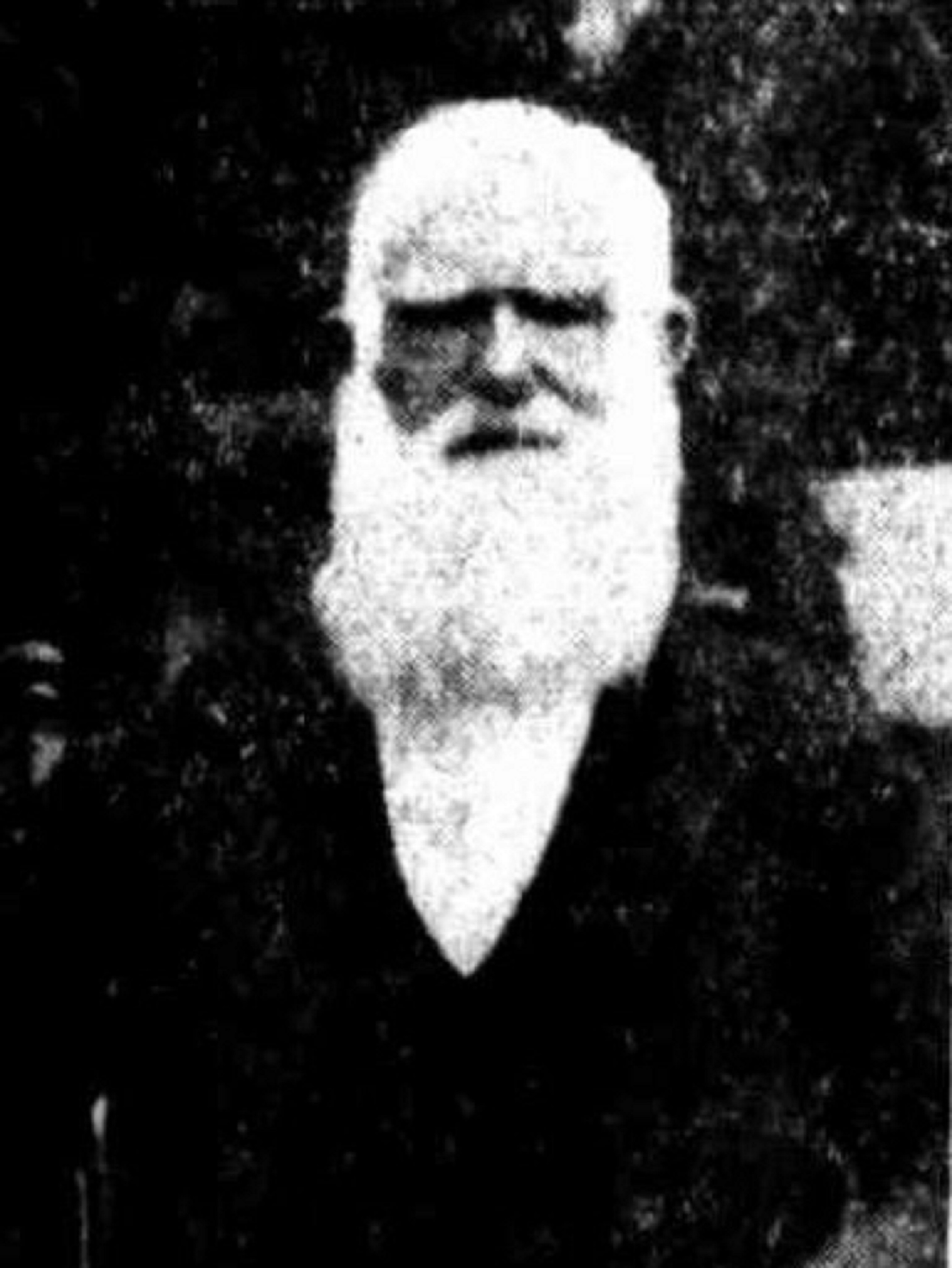
Meredith’s first election day vote in Ipswich was for a member of the New South Wales Parliament because Queensland didn’t exist at that stage. He cast his vote in a little room out the back of the department store Cribb and Foote. His next vote was for the first parliament of Queensland in 1860. Ipswich’s voting booth this time was on the corner of South Street and Market Lane which is now Foote Lane. In 1864 Meredith witnessed the turning the first sod of Queensland first railway. In 1867 Meredith made the coffin and participated in Ipswich’s first-ever funeral cortege which marched to the cemetery at Sandy Gallop.
Thousands of Ipswich people rushed to gold discoveries across the colonies, but Ipswich, like every city and town in Australia, had a gold rush of its own which is pretty much forgotten today. It came at the best possible time for everyone.
In 1932, at the height of the Great Depression, it was reported that in a two-month period, gold valued at £5,000 was unearthed at Ipswich. That’s over $2 million worth today. One Ipswich gold dealer alone was reporting over $40,000 of gold per week. Another accounted for eighty gold sovereigns per day.
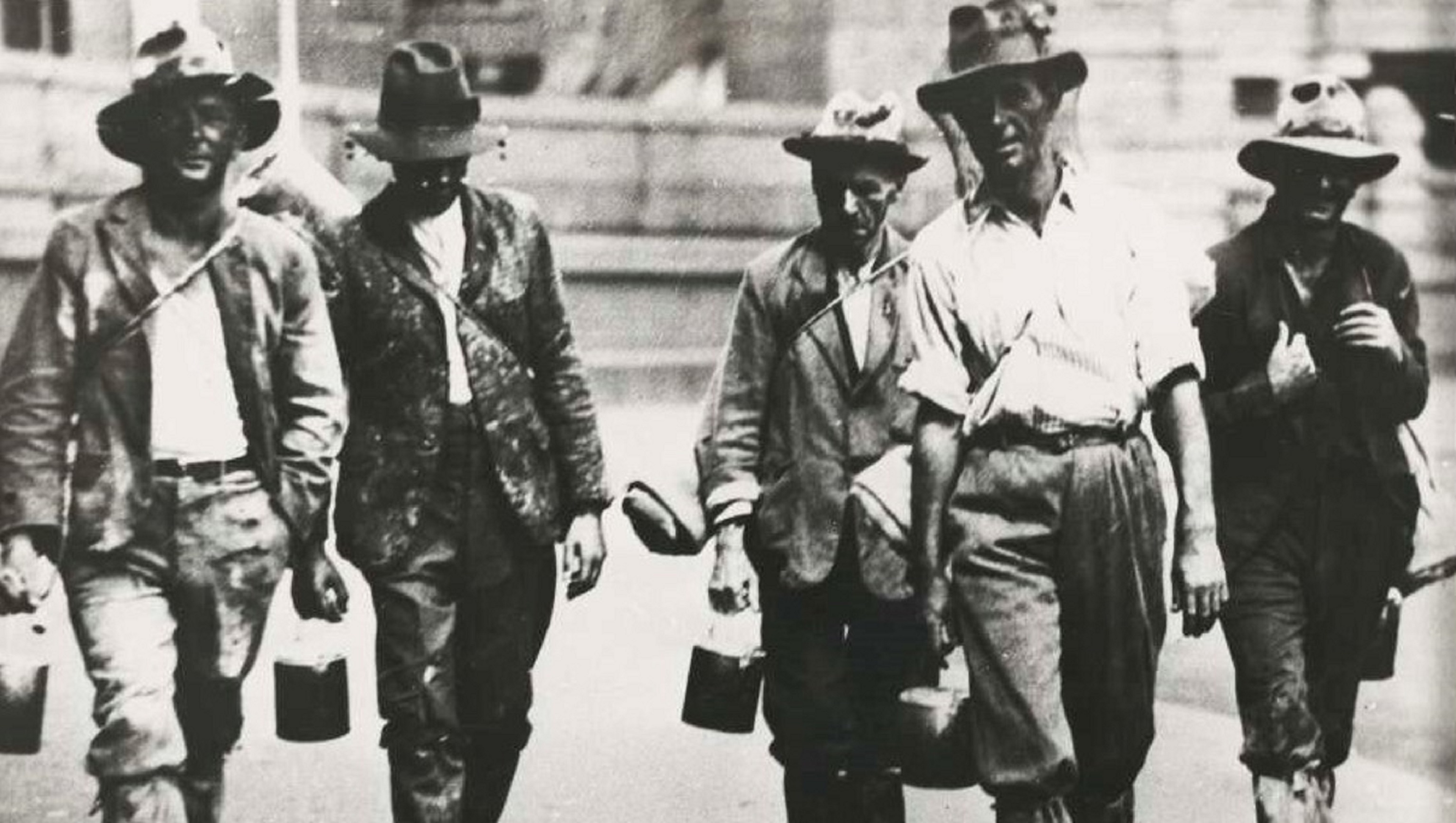
You see, the Depression was driving families to despair, and so broken bangles, smashed earrings, old watches, and trinkets that had lain in odd corners for years actually produce Ipswich’s gold rush. Even wedding rings lost their sentimental value on a trip back to the smelters.
The fact is that the value of gold rocketed well above the face value of even the gold sovereigns that it made. With the value of the sovereign soared to over four times face value, and so even collectors of old coins were attracted to the market. Sovereigns that left the mint in the time of George III found company with French Napoleons. The South African Kruger was being unearthed in surprising quantities in Ipswich. Occasionally an historic spade guinea from the 18th century reached an Ipswich dealer. The biggest coin deal in Ipswich concerned 140 sovereigns which brought the owner a handsome fifty per cent profit.
Gold prices soared, but within weeks, the evitable happened and prices crashed and the Ipswich gold rush of 1932, and elsewhere in Australia was over. It was then lost in time.
CLICK HERE TO LISTEN TO A VERSION OF THIS STORY TOLD ON WEST BREMER RADIO.
Photo credits:
Gold sovereigns – Coins4all website.
Patrick Cleary – Queensland Times, Ipswich, 9th October 1915 page 10.
George Meredith – Queensland Times, Ipswich, 21st February 1914 page 5.
Five men looking for work in the Great Depression, c1930 – National Library of Australia, Bruce Howard Collection.
 History Out There