
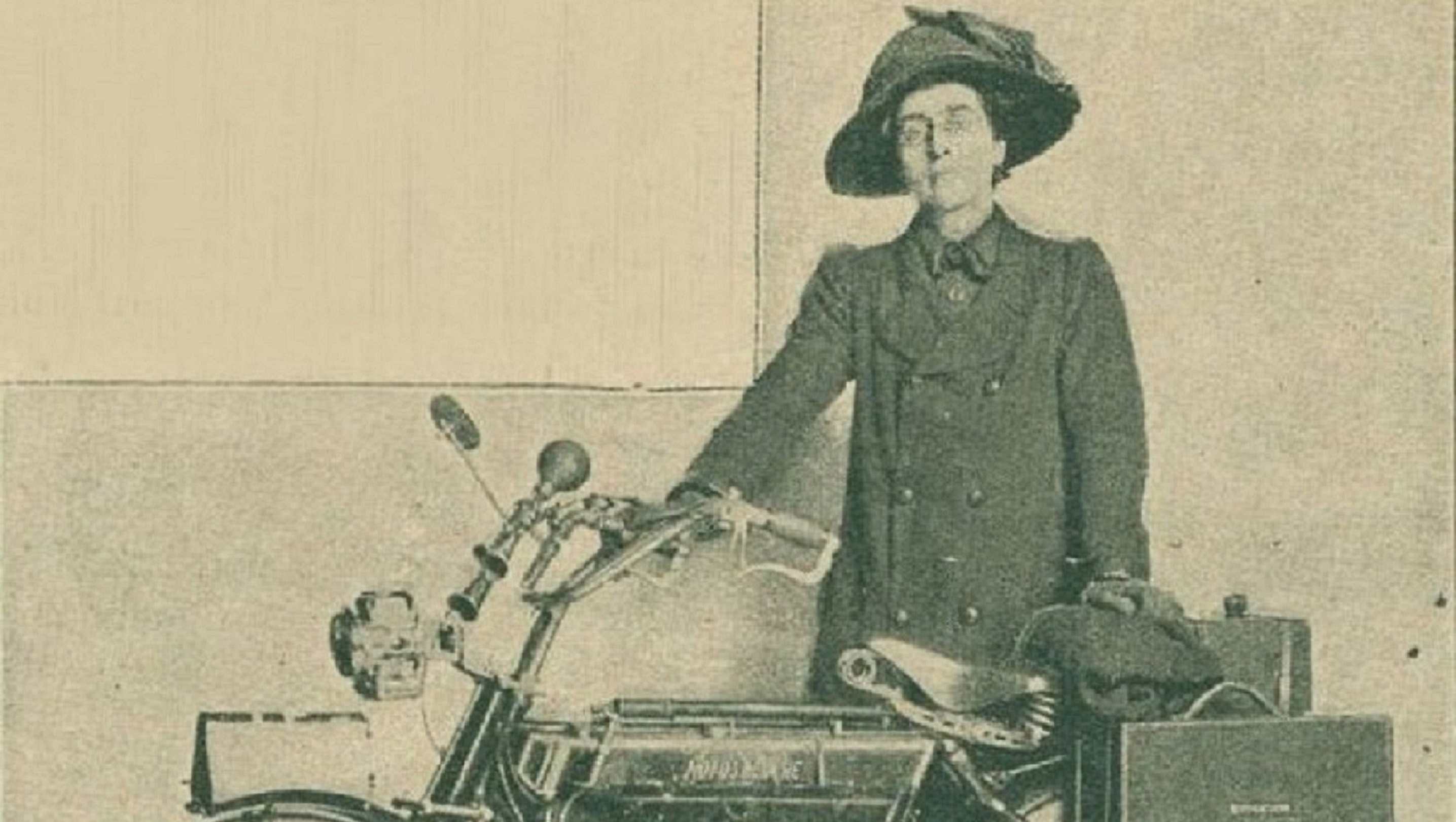
In the early twentieth century some remarkable adventurers were being widely talked about, and Miss Watson (pictured above) was one of them. I told a version of this story live on West Bremer Radio.
Forty years before Everest was conquered, peaks of the Himalayas were being climbed for the first time by a Mrs. Fanny Workman, and she named one after the King. Then there was Miss Mary Hall who had several narrow escapes while she trekked the length of Africa from the Cape to Cairo. There was Miss Ella Sykes who trekked right across Persia, and Miss Beatrice Grimshaw who explored alone across Pacific islands and unknown cannibal territory of Papua. Mentioned in the same breath as these women was Miss E.L.C. Watson, her initials standing for Ellen Louisa Collins.
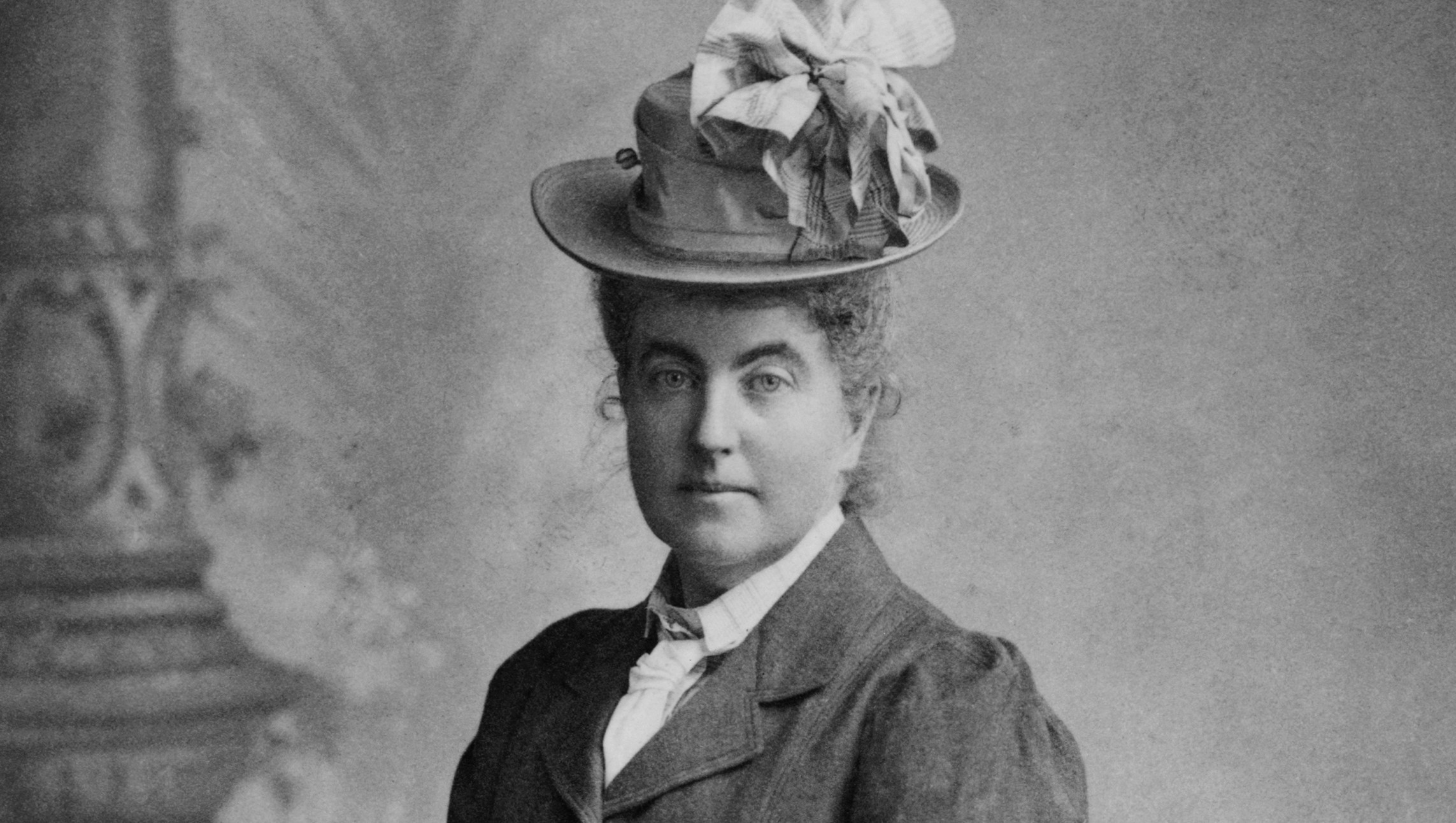
Through the 1890s, Miss Watson held roles at some of the most prestigious educational institutions in Australia. She was the inaugural mathematics teacher at Ipswich Girls’ Grammar School when the school opened in 1892. Miss Watson became a gold medal essayist, and in 1902 she went to London where she began work as a journalist. She contributed important articles to the London daily press in an era when women just didn’t do those things.

Miss Watson was twenty-eight years old when her fame took a leap across the British Empire. That’s when in 1903 she wrote a number of articles for the “Daily Express” newspaper following the mysterious disappearance of a female doctor. The doctor was Miss Fanny Hickman and she went missing in Richmond in south-west London for two months until her headless body was discovered under some thick rhododendrons.

Meanwhile, Miss Watson was put on assignment by the Daily Express. She herself disappeared to test Londoner’s ability to find a missing person. She wrote daily reports of her activities, and the paper offered £100 to anyone who could find her. Anyway, the doctor’s decapitated body was discovered before Miss Watson could be found.
It was in 1912 that Miss Watson’s renown became global. While the American Mrs. Workman was making record climbs for women in the Himalayas, our Miss Watson became the first person in the world – man or woman – to cross South Africa by motorbike.
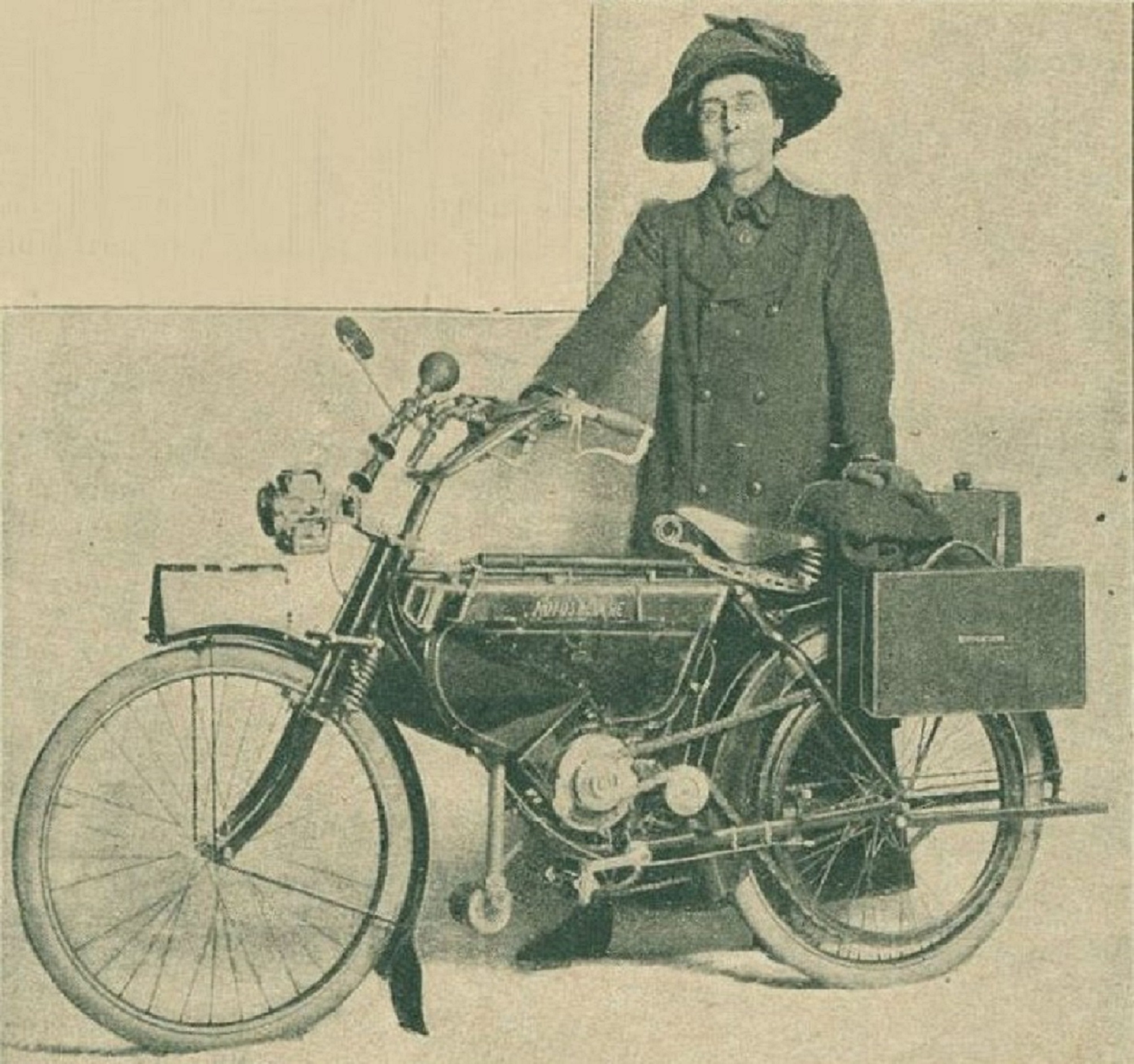
Her six-month, two thousand mile journey was on a 2.5hp, 290cc Motosacoche motor bike. It began in Cape Town, through Kimberley, Johannesburg, Pretoria, Ladysmith, and Pietermaritzburg, to Durban.
Miss Watson wore riding breeches, a habit, coat, high lace-up boots, and a motorist’s peaked cap. Her equipment included a small suitcase, two tins of petrol, a spare tyre, engine parts, an overcoat, and after much persuasion from friends, also a revolver for protection. Her only provisions were tea, sugar, and tea-making utensils, which were carefully packed into a tea basket. Although once the journey began, the tea basket was the first thing to go.
Her stories of adventure were published throughout her ordeal, and she returned to London, by then sharing her time between England and Australia, more famous than ever.
Miss Watson hosted tea parties at the Lyceum Club in London. This was the women’s club founded at one of the most prestigious addresses in Piccadilly which today is the Royal Air Force Club. Its president was Lady Balfour who was the daughter of the Earl of Balfour and the voice of the organic food movement.

Miss Watson was a delegate at the second biennial conference of the British Dominions’ Woman Suffrage Union. She was a leading suffragette at a time of huge change. Adult suffrage movements in Australia led the world from 1840s to the early twentieth century. Women’s suffrage in South Australia in 1895 was the first such constitutional change in the world, and even came before universal male suffrage in Tasmania.
Through the 1920’s, Miss Watson maintained her membership of The Writers’ Club in Norfolk-street on the Strand in London.
Miss E.L.C. Watson was a teacher, journalist, adventurer, and suffragette, of international significance. And she started modestly enough as the Ipswich Girls’ Grammar School’s very first ever mathematics teacher.
You just never know what amazing people made their start in your hometown, and like Miss Watson, you almost certainly have never heard of them.
CLICK HERE TO LISTEN TO A VERSION OF THIS STORY TOLD ON WEST BREMER RADIO.
Photo credits:
Miss E.L.C. Watson and her Motosacoche – U.K. National Mmotor Museum.
Fanny Bullock Workman – Maull Fox, Wikipedia.
Ipswich Girls Grammar School, 1892 – State Library of Queensland.
Miss Fanny Hickman – Adelaide Observer, 24th October 1903, page 24.
Royal Air Force Club, London – Royal Air Force Club.
 History Out There