
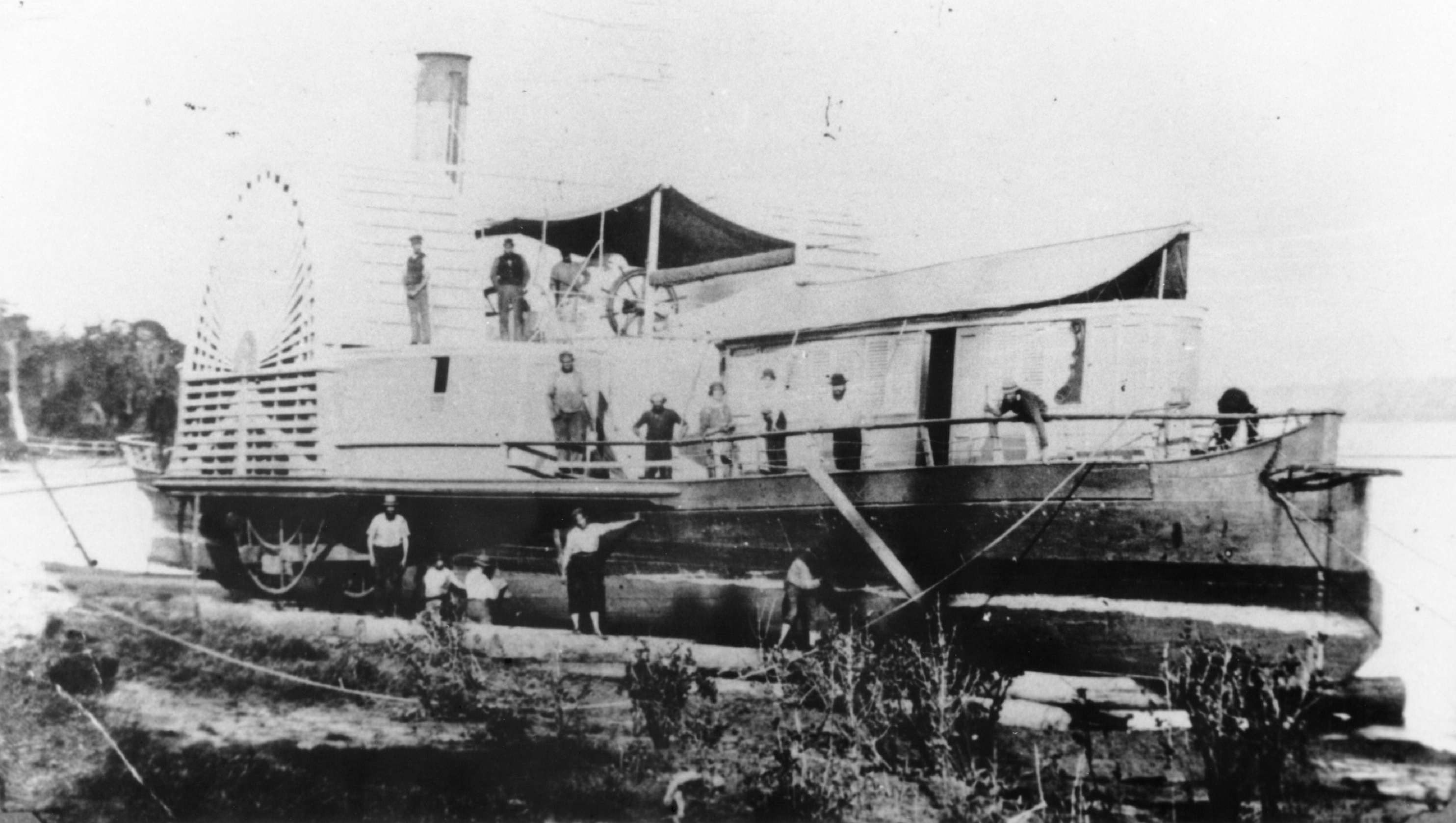
The career of Ipswich’s ghost steamer of the 1850s short, and fatal. I told a version of this story live on West Bremer Radio.
The steamer Swallow was in the Moreton Bay district built by Captain Taylor Winship in 1851 and did a fair passenger trade between Brisbane and Ipswich.
There were no horse coaches in those days and so steamers carried to Ipswich both passengers and everything needed on the stations, which from there was taken on by bullock dray to the various pastoral holdings in West Moreton and the Darling Downs. The return cargo from Ipswich to Brisbane was typically wool, tallow, and hides.
In late 1851 a body was seen floating in the river by a Mr. James Barr. The corpse was that of a man who had been aboard the Swallow returning to Brisbane when, despite having only one-arm, he went swimming and unsurprisingly drowned. On the Swallow drinking with the one-armed swimmer was a shearer Mr. William Kirby. Kirby had been acquitted of a murder near Stanthorpe, and himself would die violently on his way to Goondiwindi when his horse galloped him into a low branch, dashing his brains out and killing him instantly. The outlier in this saga was James Barr who spotted the body. It appears he lived to the grand old age of 101.
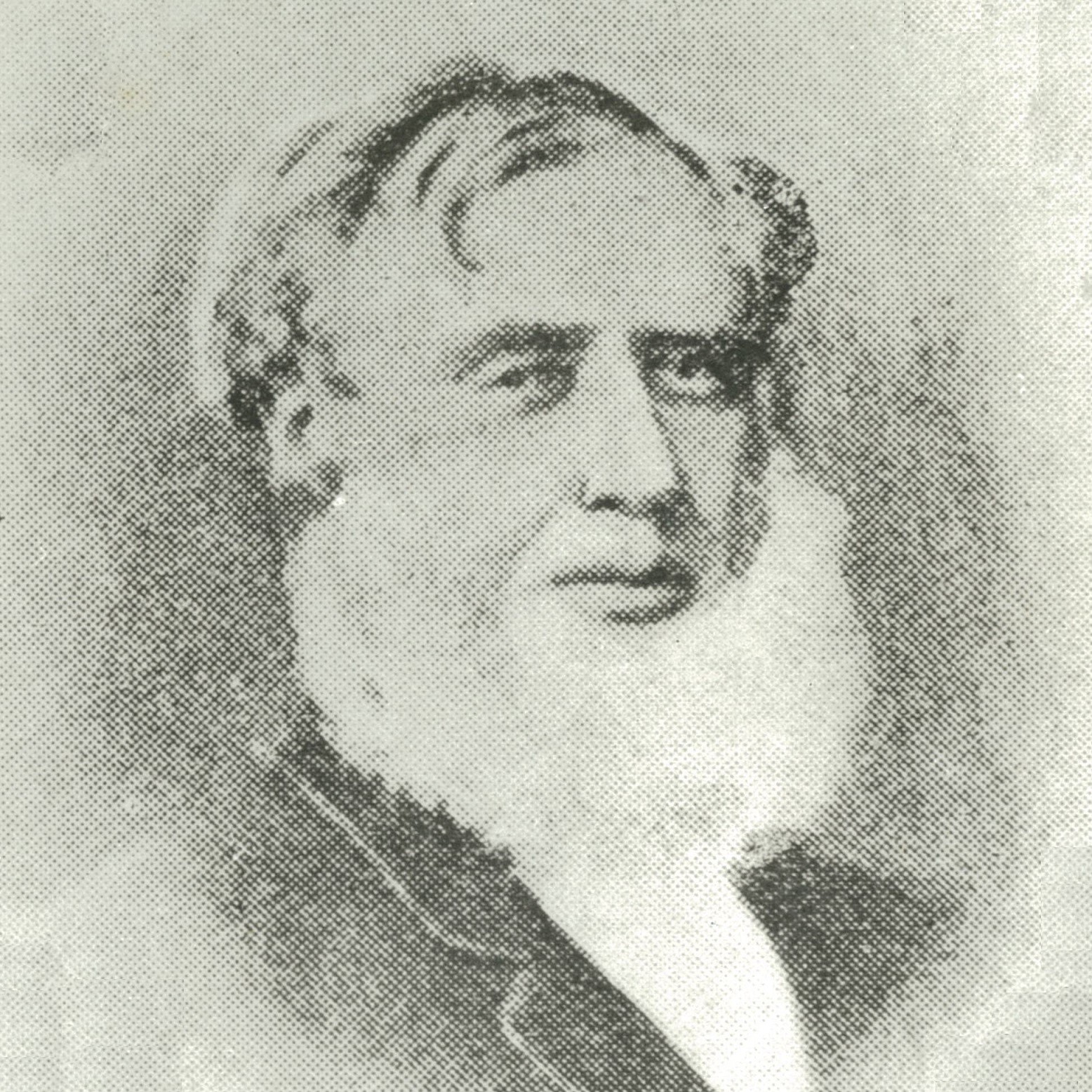
In 1852 a noteworthy passenger to Ipswich aboard the Swallow was Mr. Charles Cameron. His mother was the daughter of Count Matthias von Rodder of Bavaria. Cameron himself would become chairman of Bundamba Shire Council, and his son was the first mayor of Greater Ipswich.
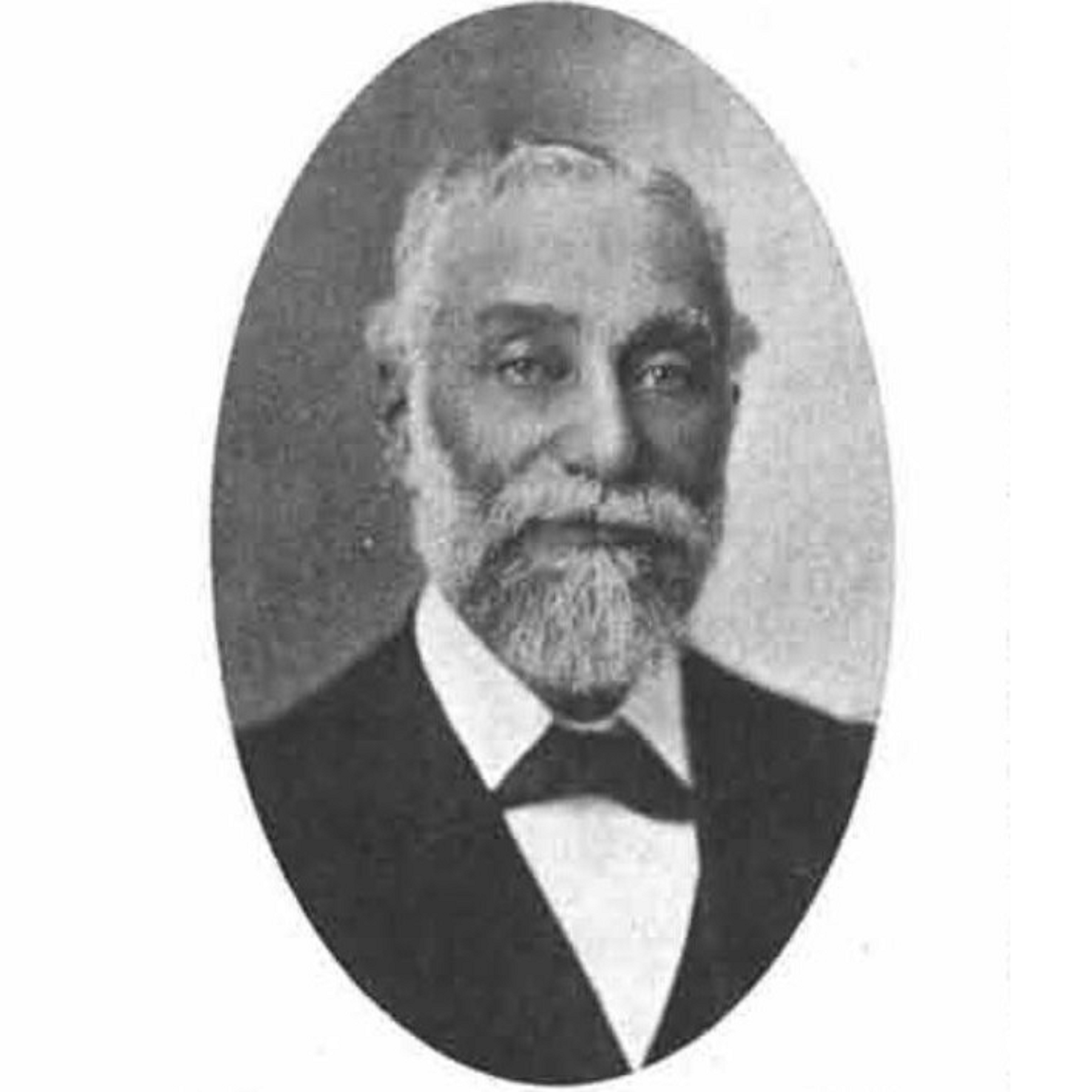
In 1853 the people of Brisbane were shocked to learn that nine convict pirates were marauding the seas of Moreton Bay. They were all desperate characters who had escaped and sailed from Norfolk Island. The steamer Swallow was in Brisbane loaded and ready to go to Ipswich when she was commandeered by Captain John Wickham. That was the same explorer and government officer after whom all those Brisbane parks and streets are named.

There was some delay in departing because the engineer of the Swallow refused to risk his life by chasing after pirates, but eventually the Swallow departed under the command of Captain Wickham. He didn’t find any trace of the pirates and came home, allowing the Swallow to continue onto Ipswich.
In 1854 the Swallow arrived from Ipswich and berthed at the wharf in South Brisbane. That’s when disaster struck and she was sunk by catching under the wharf, she tilted and was filled by the rising tide. Three men on board escaped with their lives, but one was the steward Mr. Richard Brandon. He rushed back to get his money but went down with the ship and was drowned in his cabin. Lost in a bag were his cheques and money orders to the value of £100. That’s almost $100,000 in today’s money and it remains as sunken treasure and never found to this day. More tragically though was that Brandon had only just sent to England for his wife and family to join him.
The Swallow was refloated, sold, and reconditioned for service.
In 1855 the Swallow made her final voyage. That’s when she was coming down from Ipswich with a cargo of wool and tallow, which is rendered animal fat used to make candles and soap. She was going at full speed to make it through the Seventeen Mile Rocks against the tide when she struck one of the rocks. The Swallow broke in half and the stern and bow went down their separate ways. The wool and crew were saved, but the tallow was thrown overboard to lighten the load. The twenty horse-power engine was salvaged, but two or three casks of tallow floated away in the river and never seen again.
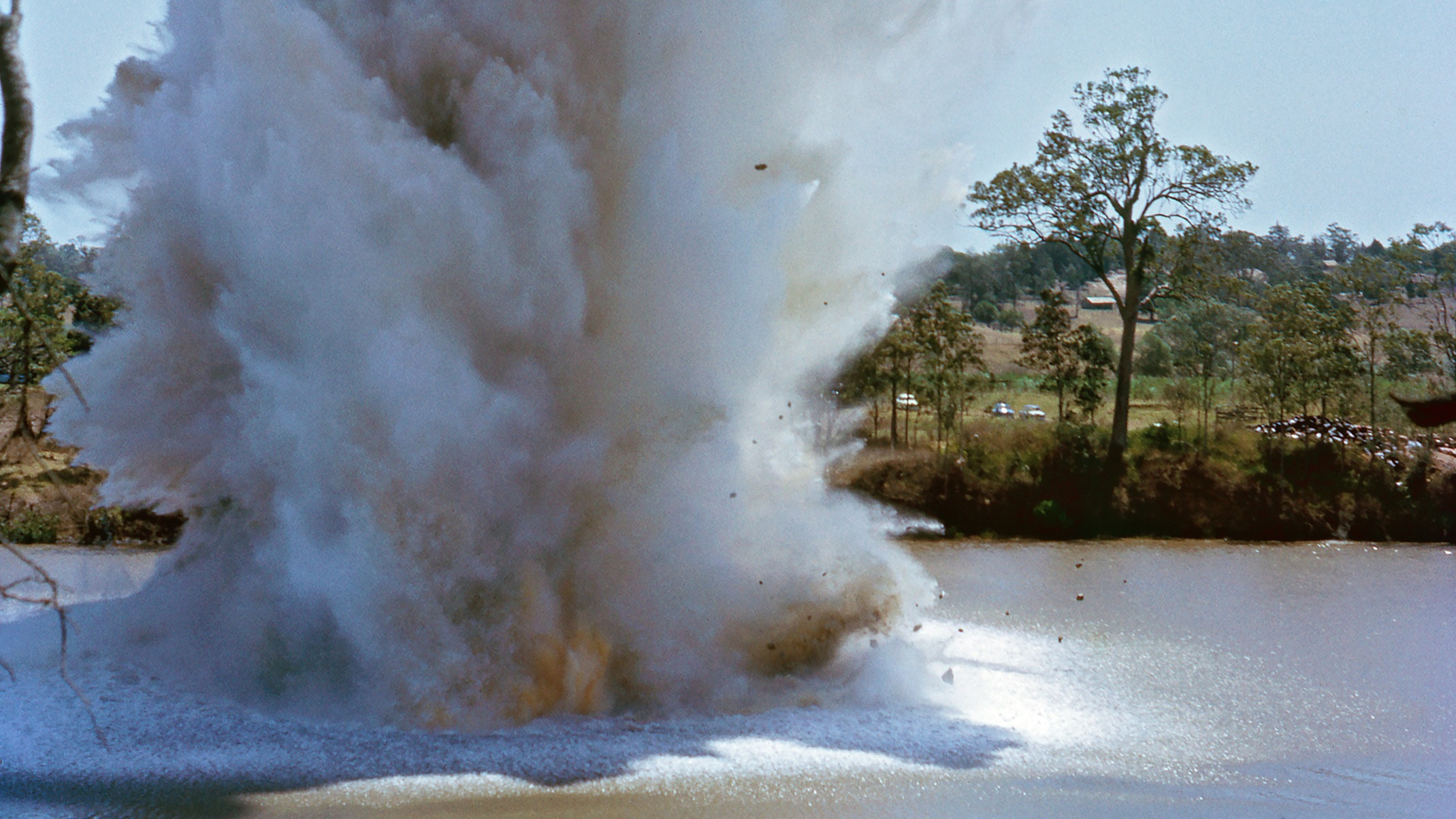
The Swallow to this day remains the most significant ship ever wrecked at Seventeen Mile Rocks where the adjacent Brisbane suburb also bears the name. She sunk not once but twice, and left a legacy for Ipswich of death, disaster, and animal fat, in her five short years afloat.
So what else could you call the Swallow but a ghost steamer.
CLICK HERE TO LISTEN TO A VERSION OF THIS STORY TOLD ON WEST BREMER RADIO.
Photo credits:
Unidentified Ipswich paddle steamer – Queensland University of Technology.
Captain Taylor Winship – Brisbane City Council.
Charles Christopher Cameron – Fox’s History Queensland, page 462.
Captain John Wickham in uniform, 1820 – Brisbane City Council.
Blasting river channel, Seventeen Mile Rocks, 3rd December 1965 – Queensland University of Technology.
 History Out There
[…] The postal service for the district was reorganised in 1847 by Moreton Bay’s Captain John Wickham. In 1849, Wickham was a magistrate who dismissed Ipswich’s famous boxer “Black Bill” on a charge of fighting. In 1853, it was Wickham who commandeered an Ipswich steamer to go chasing pirates. […]
LikeLike