
Here’s 135 years of suffering in extreme cyclonic weather from one Queensland district, including that of Mr. Vincent’s cow in the cyclone of 1890. I told a version of this story live on West Bremer Radio.
In March 1919, a cyclone was reported to have hit Ipswich. It caused severe damage to businesses and houses right across the city and suburbs. At Purga, the wind took off the roof of Mr. Dan Dwyer’s house and carried it 140 metres away. As a young man, Dwyer had accompanied the Ipswich priest for months at a time on trips out west, including for the first-ever mass in Warwick, but that didn’t save his house from this Ipswich cyclone.
In April 1914, a cyclone ripped through the Gatton district. It struck when the German-born Joseph Radke was coming home on his horse and cart after having delivered cream to the factory. Radke was blown off his cart and drowned in a washout by the road.
In February 1913 in the Laidley district, another reported cyclone struck. The force of the winds was so strong that the town clock was blown off the post office. At the same time on the Forest Hill to Blenheim Road, the farmer Humphrey Ewing was loading potatoes with his son James. The cyclonic winds came with lightning and a flash knocked Ewing unconscious. When he woke up, a horse was dead on one side of him, and his son dead on the other.
Going further back in time, in November 1890 Ipswich was hit by a cyclone which was the most destructive storm ever recorded in Ipswich up to that time. The cyclone struck at about four o’clock in the afternoon. Trees were uprooted, houses demolished, and sheets of corrugated iron littered the whole town, but miraculously no lives were lost.
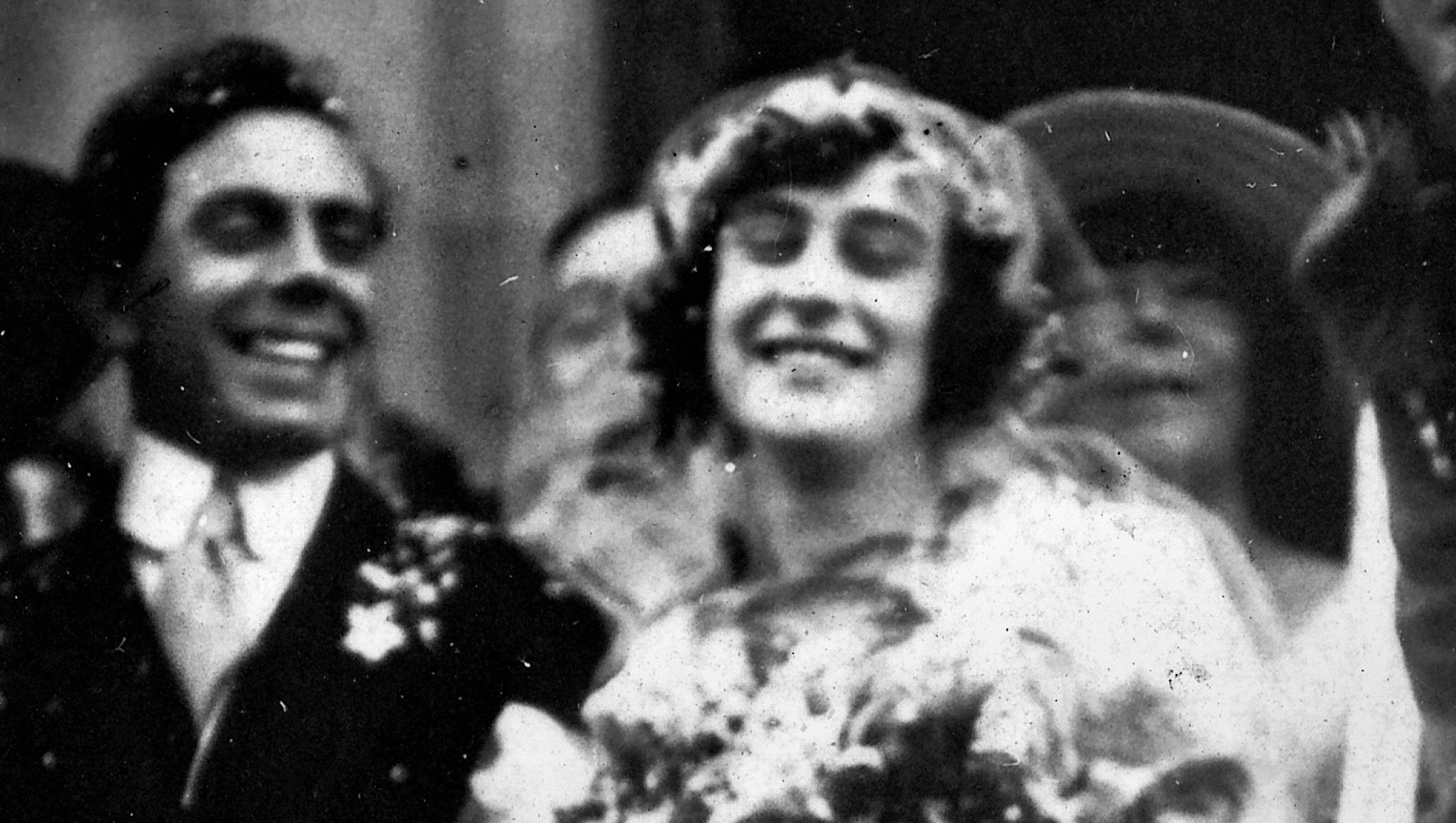
Henry Johnston had a narrow escape. His niece was Claire Lloyd (pictured top of page) who was famous on the Australian stage. He was driving his buggy along Brisbane Road into town with the son of Mr. James McGill, who was the mayor of Ipswich and later the highest profile embezzler in Ipswich history. When the cyclone hit, it blew the buggy over and smashed it to pieces, but Mr Johnston and Master McGill were merely shaken.
There was Mr. James Johnston who would become famous as perhaps the only person to successfully sue Ipswich council for the bad state of the roads. When his large omnibus arrived outside the home of three-time mayor of Ipswich Mr. Robert Tallon, it stopped to allow a woman named Mrs. Isabella Butler and her two-year-old son to alight. Mrs Butler had been the bride in the first-ever marriage in the original Glamorgan Vale Catholic church just outside of Ipswich. As she and her son got out of the omnibus, the vehicle was struck by a gust of wind, tipping both the horse and the omnibus on their sides. Mrs Butler and her son were unharmed.
Also there was Mr. William Stafford, he was one of the pioneers in the Ipswich coalfields. He sat helpless as the veranda on his house was completely torn off and the chimney tumbled down to become just a pile of bricks.
There was a house owned by Mr. Thomas McMurtrie who was the well-known North Ipswich baker, and a schoolmate of the Australian prime minister Andrew Fisher. McMurtrie’s house was unroofed, one of the ends blown in, and all the chairs blown out of the house and down the street.
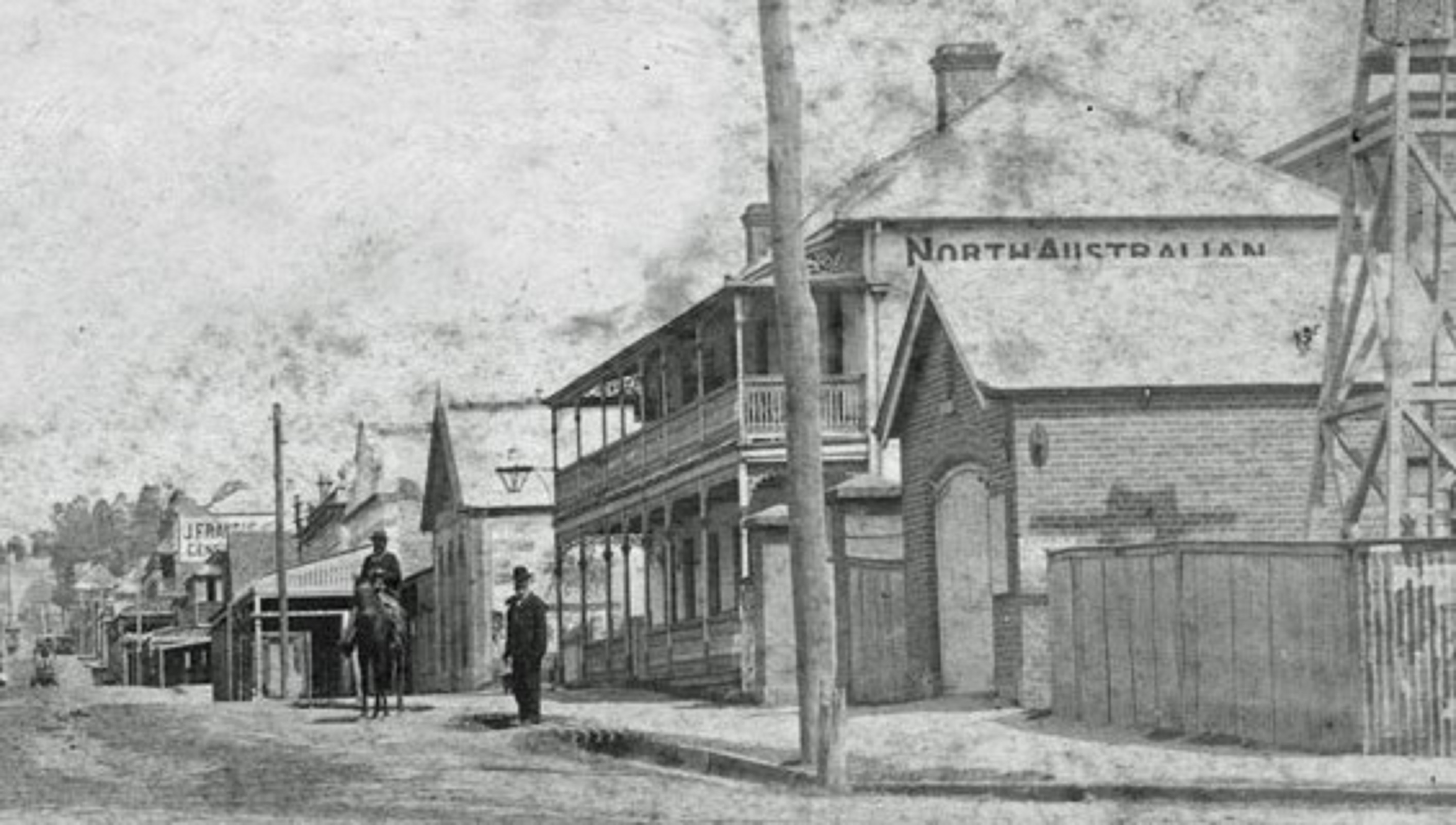
The property nearby was owned by Mr. George Vincent, he would later die by falling down the stairs of his North Australian Hotel. In an instance of unprecedented farce, the wind on Brisbane Road near Mr. Vincent’s house was so strong, that he watched in helpless amazement as a cow was blown completely off her legs. She was somersaulted over two or three times, rolling along like a bowling ball, with her udder and legs taking their turn skyward as she rolled by.
So next cyclone, some people will have it tough and need help, but no one like Mr. Vincent’s cow in Ipswich in 1890. She was totally humiliated.
CLICK HERE TO LISTEN TO A VERSION OF THIS STORY TOLD ON WEST BREMER RADIO.
Photo credits:
Marriage of singer Billy Maloney and Claire Lloyd at Stephens Church Brisbane – State Library of Queensland.
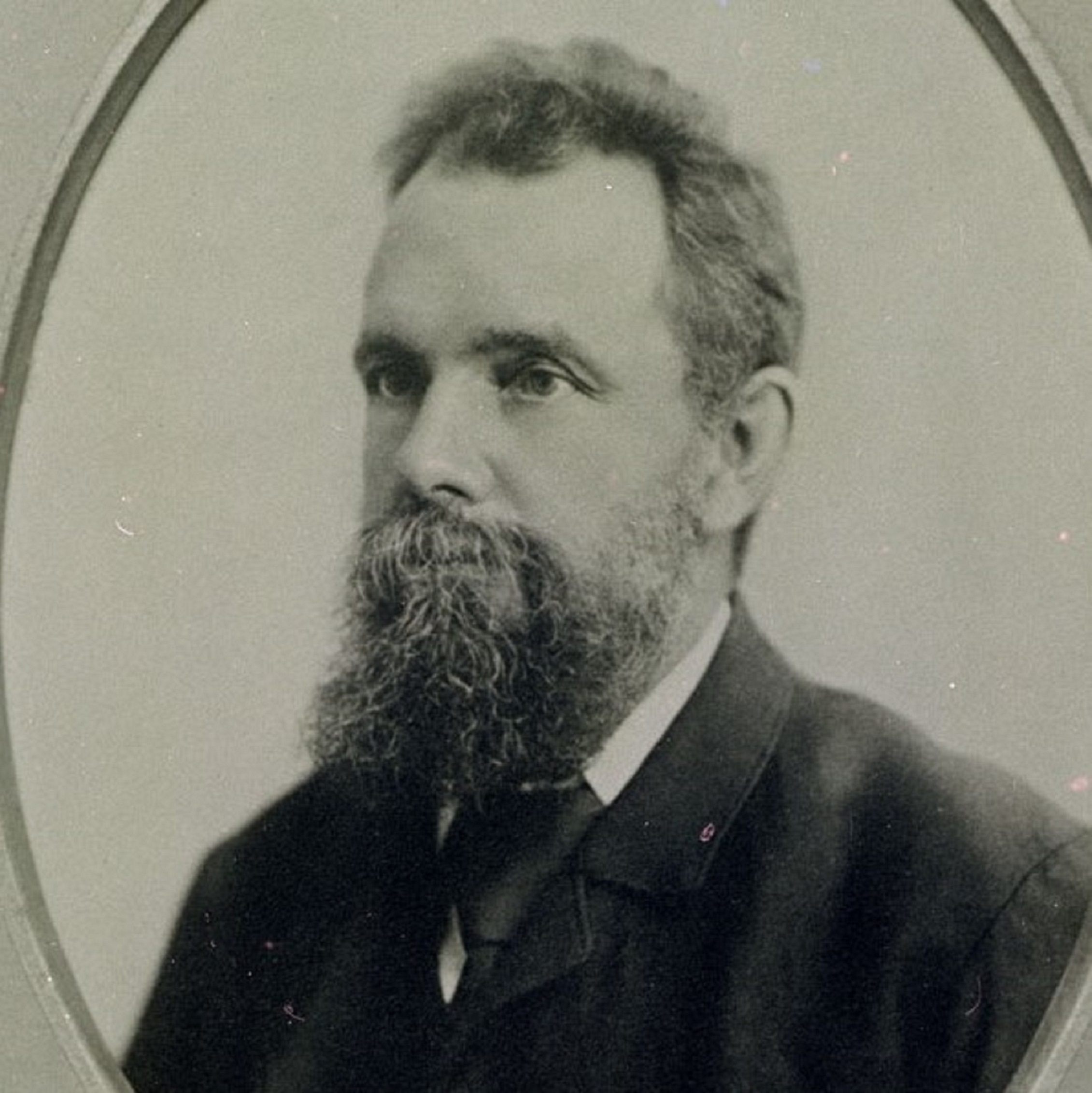
James McGill, Ipswich Mayor, 1891- Picture Ipswich.
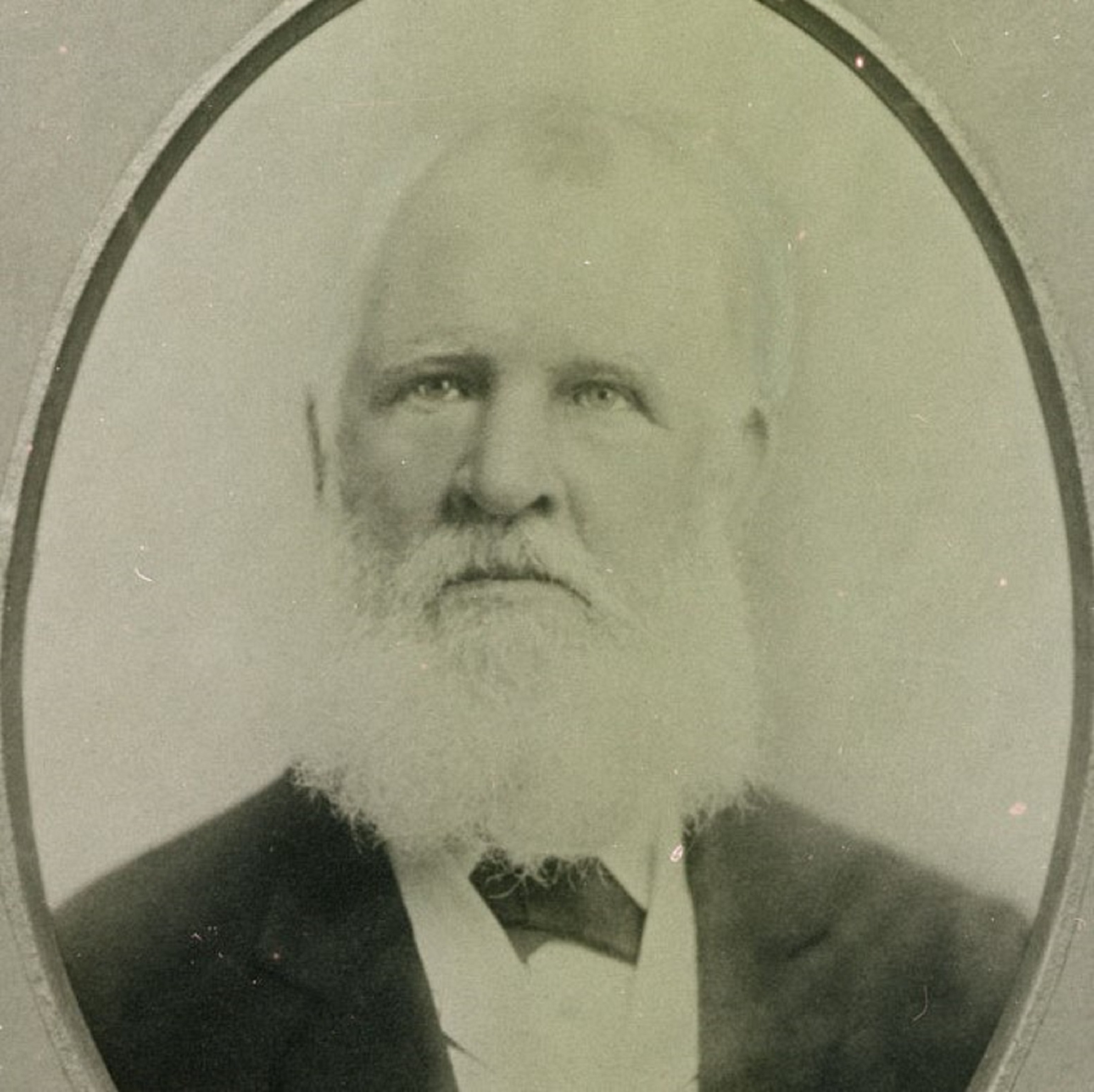
Robert Tallon, mayor 1875, 1883, 1895, Ipswich – Whitehead Studios via Picture Ipswich.
North Australian Hotel, Nicholas Street, Ipswich, 1890s – Picture Ipswich.
 History Out There
Wow, That is fascinating. My husbands people came to Ipswich in about 1875. They were granted land near the junction of Somerset and Wivanhoe dams, before they were built, now called Brydon, was called Mt Brisbane then. They were asked to plant sugar cane and I think pineapples, neither of which would have been successful After 20 years they sold up, and moved to Brisbane, opened a school in the Valley, and taught. Meantime my husband’s grandfather John Boyle moved to Ipswich, taught English and music in the Boy’s Grammer School, and played the organ in St Paul’s – yes on the original organ still there, and trained the choir. He held ‘Mayoral concerts’ in the Town Hall, for the Mayors, Mr and Mrs Stephenson. He later moved to Maryborough, taught in their Grammar school, met his wife to be, married, and started their own ‘School for Girls’ There.
Those cyclones probably convinced him to move. We always wondered why.
LikeLike