
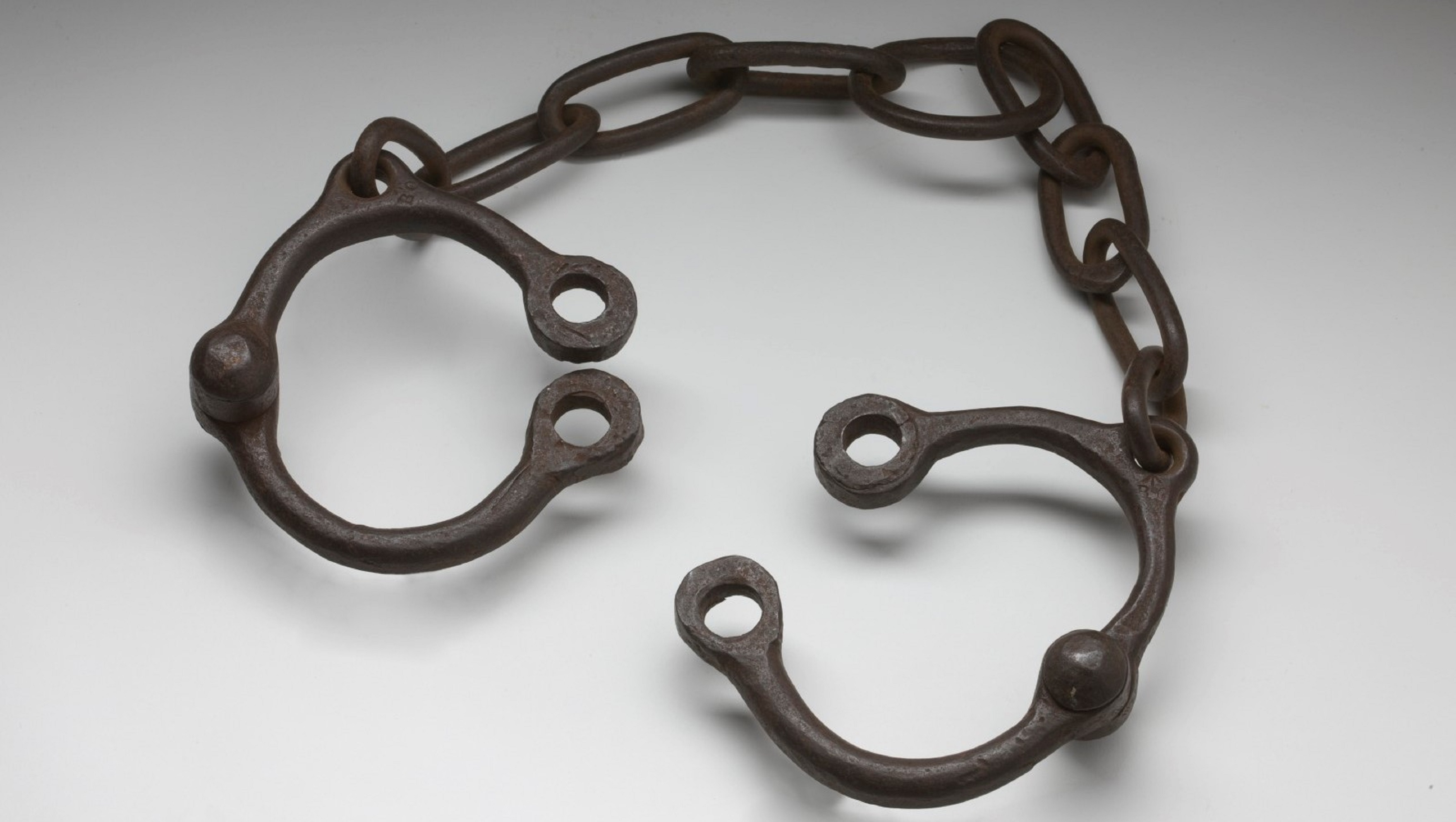
It was 175 years ago this year, on Monday the 9th of December 1850 that a lamentable event happened in Little Ipswich in the Moreton Bay district of New South Wales, which today is West Ipswich, Queensland. I told a version of this story live on West Bremer Radio.
The records back then are always sketchy, and in this case there was confusion over identity, but I’ve pieced this story together as best I could.
A fight happened in the yard of Ipswich’s Golden Fleece Hotel.
Robert Schools commonly called “Old Bob,” was fighting with another man. Old Bob knocked his opponent down, but in the second round Old Bob himself was knocked down and never got up. Dr. William Dorsey was called to the scene. Dr. Dorsey and his ducks were the cause of one of the greatest stacks in Ipswich history just a few weeks before Old Bob’s fight.

Dr. Dorsey pronounced Old Bob dead from a broken neck. Ipswich’s chief constable Edward Manley was called. Constable Manley had played a leading role in the fight over Dr. Dorsey’s ducks and was described as “Dorsey’s minion.”
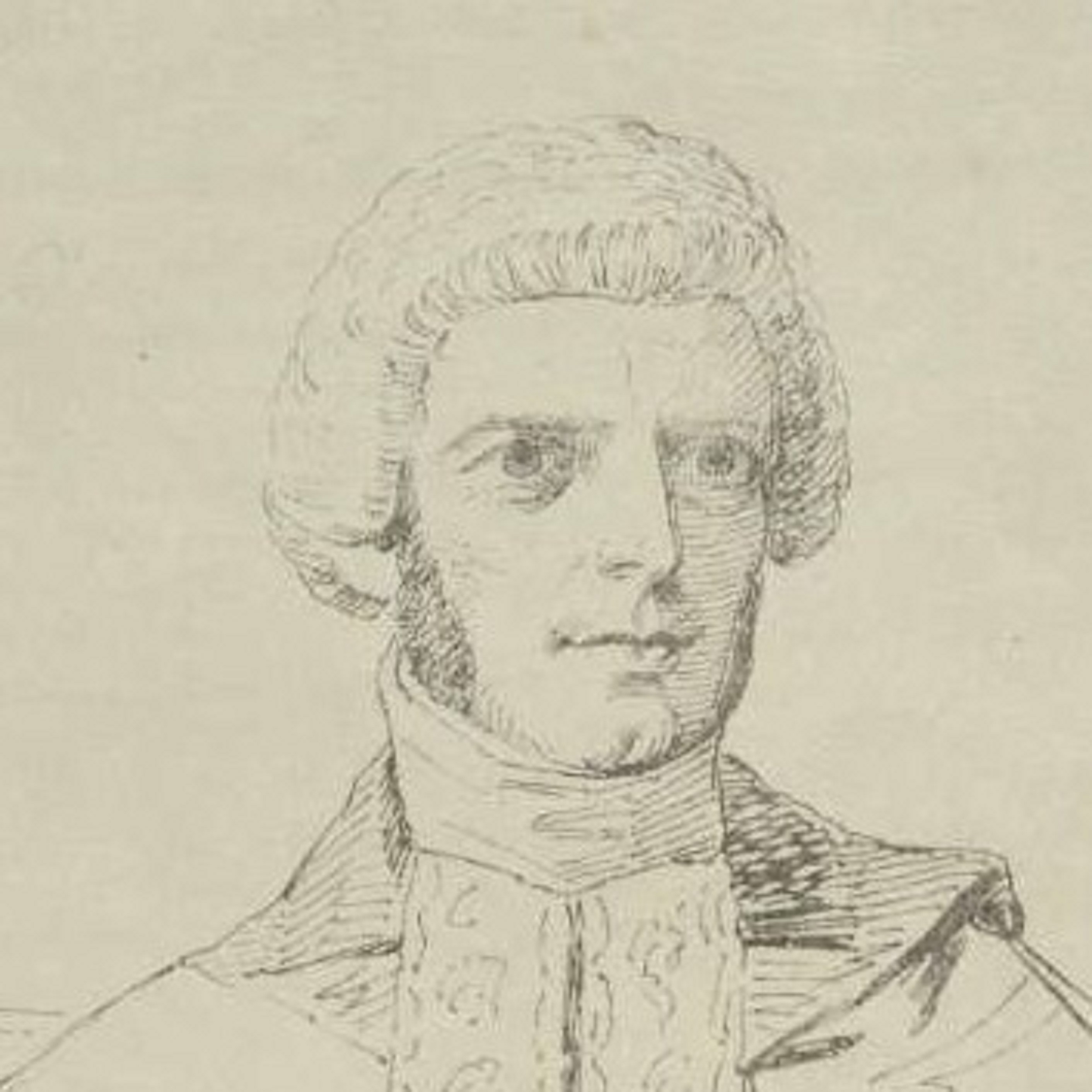
On the occasion of Old Bob’s death, Constable Manley arrested a man who gave his name as Michael Collins. Collins then appeared in the Ipswich police court before Dr. Dorsey who committed him to stand trial in the Brisbane circuit court. There the man was charged with manslaughter by striking, beating, bruising, and throwing Old Bob to the ground. The jury without hesitation found the accused guilty. Justice John Dickinson, who later acting chief justice of New South Wales, sentenced him to three months’ imprisonment with hard labour in Sydney’s Darlinghurst gaol.
If you think three months sounds lenient for killing someone, then you’re right, you see there’s more to this story.
The fight in Ipswich began when Old Bob made a bet with Collins of half-pint of rum “for the first blow on the nose.” Collins was unwilling to fight, but the Old Bob escalated the situation so that eventually the two men got up and went outside to fight. After Collins was knocked down he actually claimed the bet because he had already struck the first blow to the nose. But Old Bob didn’t agree and the fight continued until Old Bob was no more.
When Constable Manley arrested Collins, he didn’t resist and instead burst into tears and admitted what had happened. After initially identifying himself as a free man called Michael Collins, he disclosed that he was actually James Brennan, a runaway convict from the Commissariat department in Sydney.
It appears likely that Brennan had been convicted in Ireland of arson and sentenced to 99 years transportation. Here in the Moreton Bay district he worked as the servant of Captain Richard Coley. Unfortunately, Brennan was found drunk when he should have been working, and then attacked the arresting chief constable, and so he was sent for a spell in Sydney gaol. Captain Coley meanwhile became Queensland’s first sergeant-at-arms at parliament house and would pass away from the effects of gout. He died in office and his ghost is said to haunt parliament house to this day.
In Brennan’s trial for manslaughter of Old Bill, when the jury found him guilty, they strongly recommended mercy.
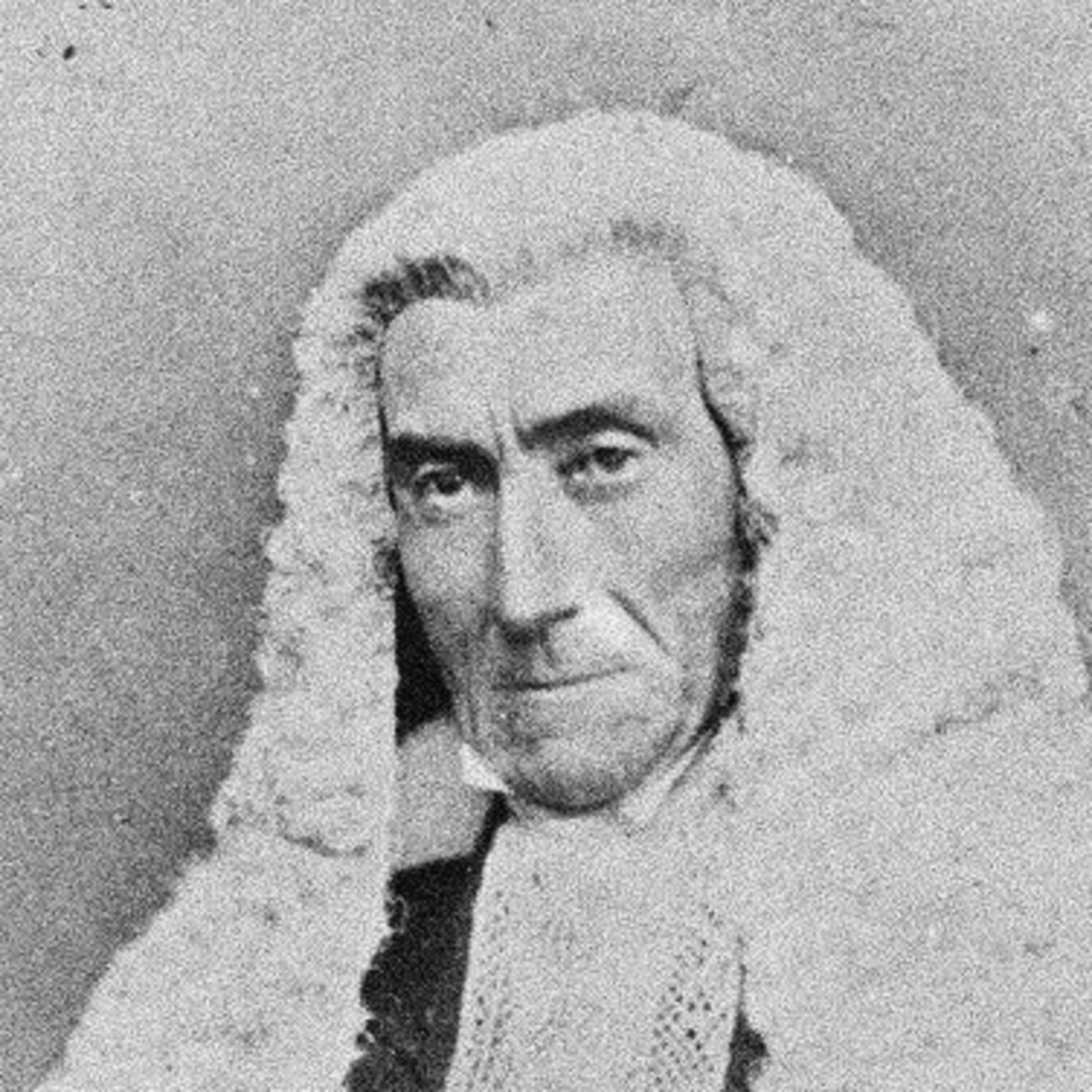
The New South Wales attorney general who prosecuted was John Plunkett. He was the same attorney general who had earlier twice prosecuted the perpetrators of the Myall Creek massacre. Following the guilty verdict for Brennan, he aligned himself with the jury and also recommended mercy. That’s because while Brennan was in Brisbane gaol, there had been an attempt to break-out but Brennan had refused to take part.
So it was the fact that Brennan had fought Old Bob against his will, admitted the circumstances, showed remorse, and attracted the support of both the jury and the prosecutor, that this is one of those times that you actually feel sorry for the convict.
And what’s more, two years later it was probably the same James Brennan who was given a conditional pardon for his original crime, although it meant he could never go home to Britain again.
And this is all just another story from Ipswich history 175 years ago.
CLICK HERE TO LISTEN TO A VERSION OF THIS STORY TOLD ON WEST BREMER RADIO.
Photo credits:
Convict leg irons, post 1820 – National Museum of Australia.
William McTaggart Dorsey – Nuneaton and Bedworth Local and Family History Forum.
John Nodes Dickinson the judge – National Library of Australia.
Judge John Hubert Plunkett – Australian National Maritime Museum.
 History Out There