

In 1932 a Darling Downs man went missing in crocodile country in the Northern Territory, and the fate of the hero who went after him will shock you. I told a version of this story live on radio 4AK.
The twenty-eight year old Dalby man Peter Glover went missing in very mysterious circumstances. He was prospecting for gold in the Northern Territory. I’m crossing the very same country when I set out on my charity trek in July.
Glover was last seen near Peel Island at the mouth of the South Alligator River by the well-known crocodile and buffalo hunter Jack Gaden. Gaden would later set the record for the heaviest buffalo hide at 170 pounds, and feature in the shortest murder trial in Northern Territory history, lasting only 80 minutes. That’s after a man ran amok in Gaden’s hunting camp, shooting dead Gaden’s mate, two women, and a dog, and blasting off Gaden’s finger.
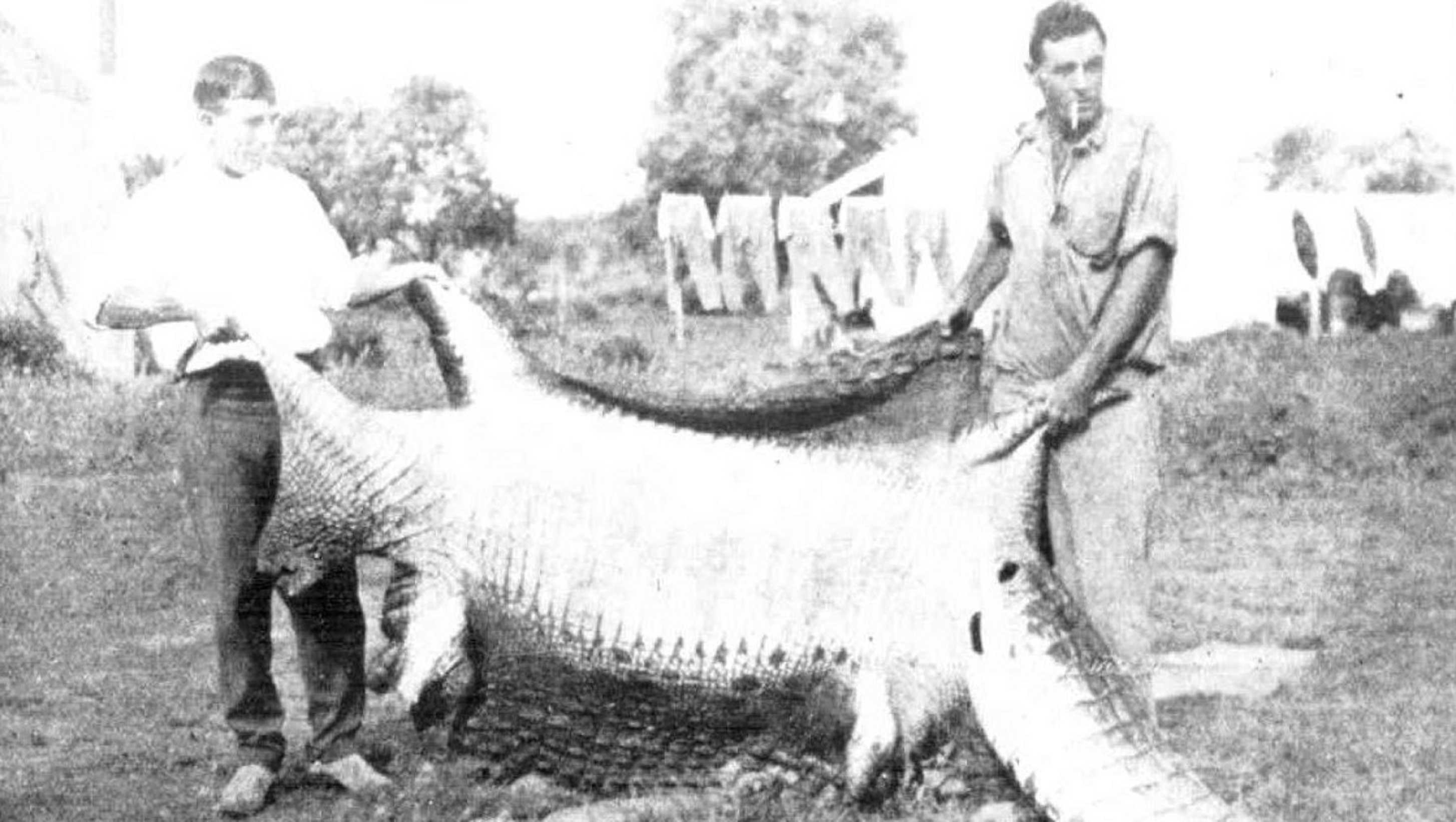
Gaden last saw Glover in a canoe headed for Peel Island but no trace was ever seen of him again. Peel Island was swarming with crocodiles and so it was feared that Glover had been taken. Local Aboriginals said that another mob was seen with the canoe, but nothing about Glover himself was reported.
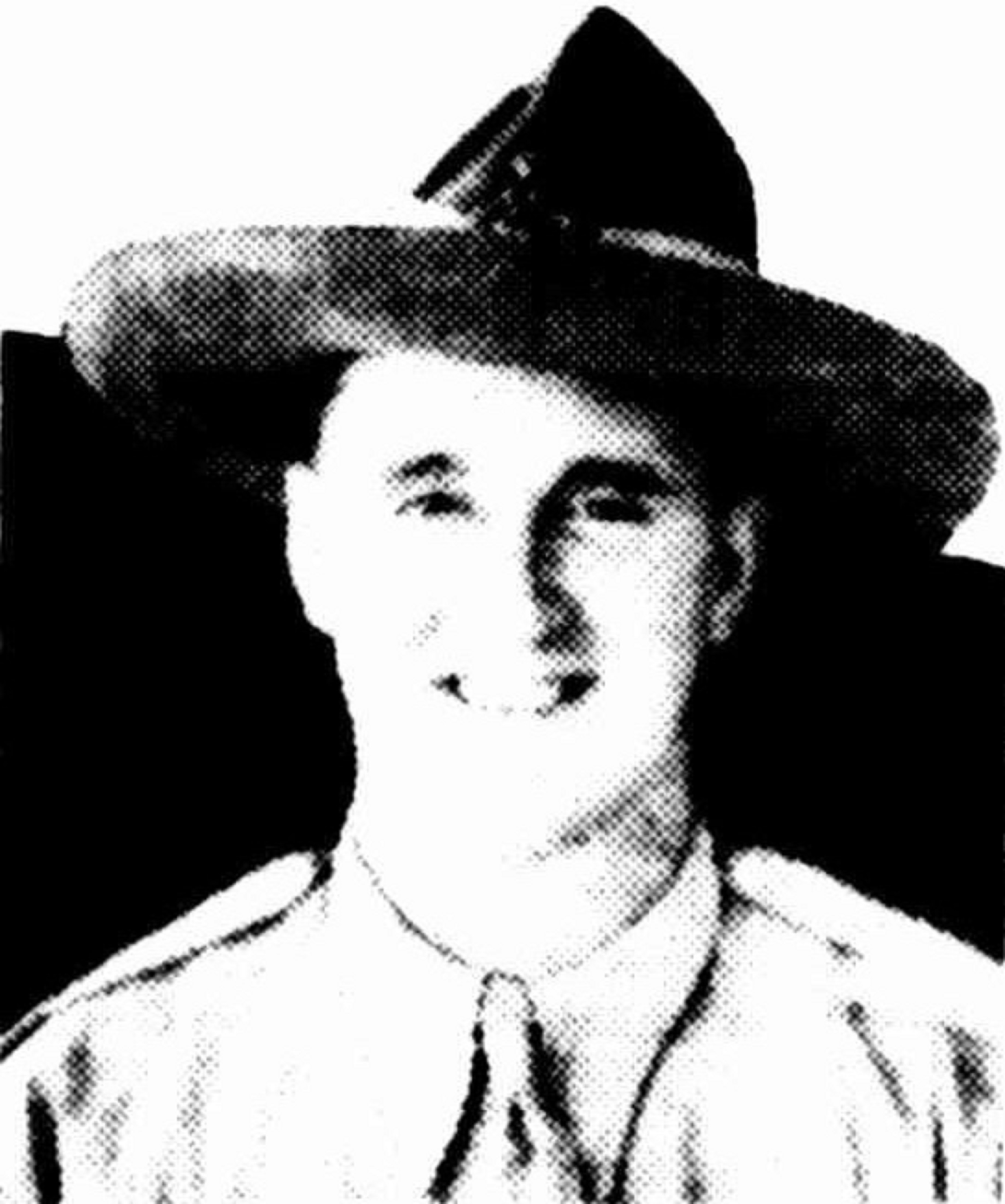
Constable Eric McNab was sent in search of the missing Dalby prospector. Constable McNab was also a Darling Downs man. He was born in Toowoomba in 1901, the seventh of ten siblings. The family home was at 215 Geddes Street, and in fact is still there.

Constable McNab was famous across the Territory.
He made himself a specialist in combatting opium smuggling and sly-grog trafficking.
He once single handed travelled by lugger, canoe, and foot, tracking alleged murderers through islands, jungles, and mangrove swamps, capturing them and bringing them back to justice.
Another time he travelled 1,200 miles through some of the north’s worst country to recover a cache of the stolen military ammunition.
He even ran a secret network of bush informants who he paid from his own earnings whenever information led to an arrest.
He was the first man in Australia to greet Flight-lieutenant Charles Scott when he won of the Centenary Air Race in 1934 which is still considered the world’s greatest air race.
For bravery in the first bombing Darwin in 1942, Constable McNab was awarded the British Empire Medal. He was crushed by falling masonry. Despite four broken ribs and burst ear drums when a bomb landed twenty feet from him, he swam about the harbour recovering bodies, removed injured and dead from a slit trench, and continued working for five days before getting medical treatment. He suffered severe shock and spent six weeks in hospital.
In any case, Constable McNab went in search of the fellow Darling Downs man. The constable left Darwin on the coastal steamer Maroubra to search South Alligator River and Field Island. Sadly, he returned without success and Glover was presumed eaten by crocodiles. The Maroubra’s fate was no better because a couple of years later during the Second World War, she was strafed and sunk by nine Japanese Zeros.

Constable McNab remained in Darwin after his retirement and was still there when Cyclone Tracy struck in 1974. That’s when his life came to a tragic end. He died as a result of injuries received during Cyclone Tracy while he was attempting to protect another person.
The life of Eric Arthur McNab intersected with the awful end to Dalby’s Peter Glover who was eaten by crocodiles. But he should be remembered as a Toowoomba hero, however today he’s no known there at all, until now of course.
CLICK HERE TO LISTEN TO A VERSION OF THIS STORY TOLD ON RADIO 4AK.
Photo credits:
Constable McNab with prisoners – State Library of South Australia.
Hunters Jack Garden and O. Jennings with the skin of 16-footer at West Alligator Creek. Arnhem Land – Chronicle, Adelaide, 25th January 1934, page 33.
McNab family home 215 Geddes Street, South Toowoomba – Sovereign Property Partners, 2022.
Constable Eric McNab – Sun News-Pictorial, Melbourne, 13th October 1938, page 3.
Maroubra – E.H .Wilson Collection via Australian Government, Department of Climate Change Energy the Environment and Water.
 History Out There