

Two remarkable horse-drawn drays trundled through Ipswich 161 years ago on a journey never to be repeated. I told a version of this story on West Bremer Radio.
On Monday the 4th of July 1864, the most extraordinary sight and sound occurred in Ipswich, Queensland. In the morning, two horse drawn drays rolled through the streets. People stood in silence trying to catch a glimpse of what was in the drays. The streets echoed with the sound of horses’ hooves, the turning of wooden wheels, and the unmistakable clinking of chains. These were the chains attached to the legs of men being transported to trial.
They were police prisoners being taken from Brisbane through Ipswich on their way to Toowoomba to face justice. Among them was a remarkable array of criminals and stories.
Many of the prisoners had been captured by Ipswich’s senior-sergeant William Francis who would become famous for catching bushrangers. That included a man he believed to be Captain Thunderbolt who the magistrate released only for him to be shot dead by police three months later.
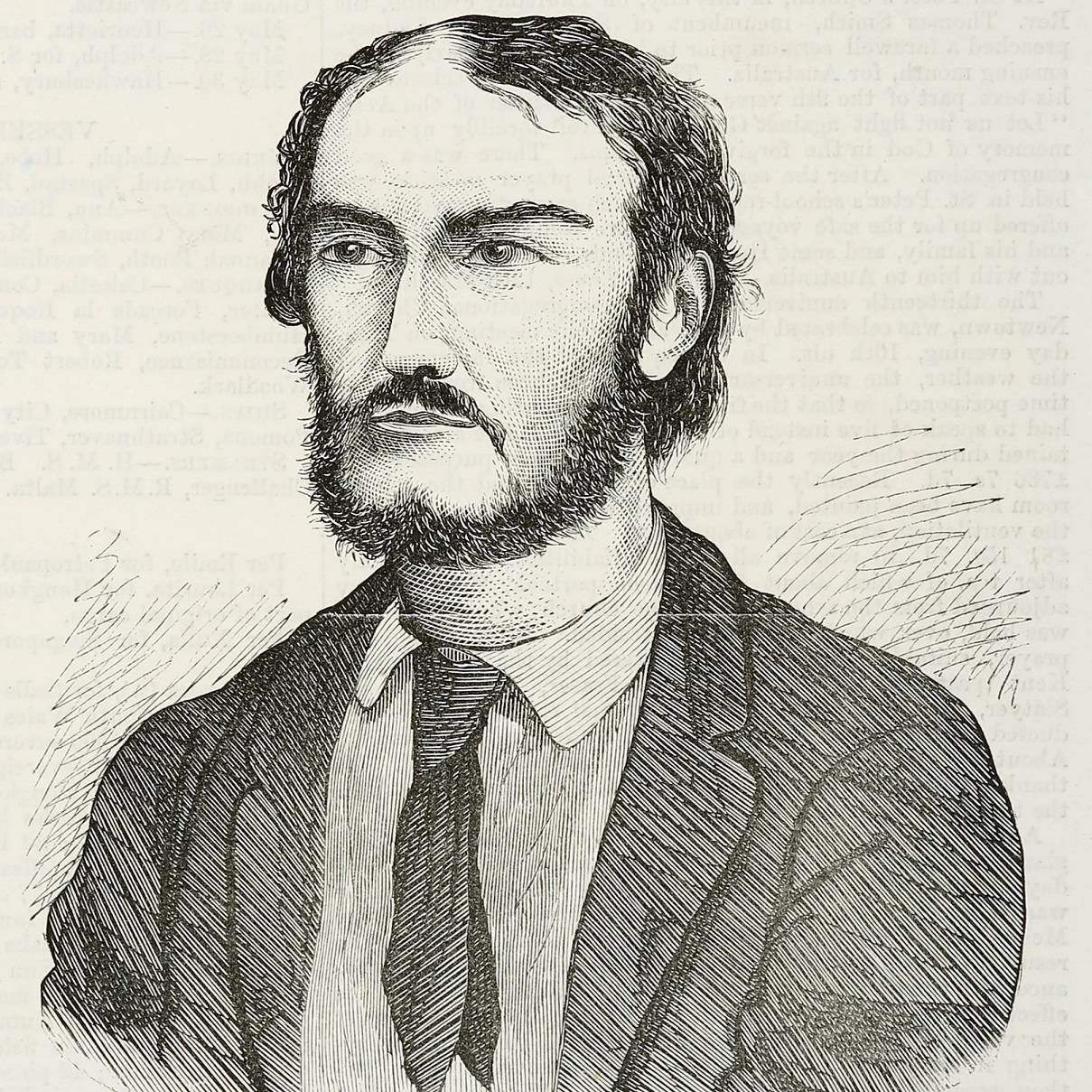
One of the prisoners on the drays was Henry Dagge who was charged with manslaughter. Dagge would narrowly escape conviction because the two witnesses against him were considered unreliable Germans. Dagge disappeared north and died in Rockhampton where, despite leaving his land lady an amount of cash, he was never afforded the dignity of a headstone.
Another of the prisoners was the sixteen-year-old bushranger Alfred Allwood who was charged with highway robbery under arms. He grew up in the shadow of Captain Thunderbolt and would twice escape from prison, be captured after being tracked for 150 miles, and would see out his days on St Helena Island.

There was also the killer Walter Powell. Powell was a stockman who was charged with murdering his head stockman. It was an extraordinary case involving bigamy, adultery, poisoning, fraud, and murder. Fowler would be found not guilty for his part because it was deemed justifiable homicide.
Then there was John Livingstone. Livingstone was famous as the imposter magistrate of Surat. He actually committed two men to trial while he fraudulently sat on the bench, swindled over one million dollars, and shouted the whole town of Surat to champagne.
Another prisoner was William Goldfinch. He was the accomplice of the bushranger John Burns, alias Riley the Bushranger, alias The Hairy Man so called because he was described as a very dirty man with a profusion of unkempt hair over his face and trailing down his back.
The convict on the drays who most people in Ipswich wanted to glimpse was the murderer Alexander Ritchie. Ritchie had sensationally killed a station manager. Just three weeks after this journey of infamy through Ipswich, Ritchie became the first person to be hung in Toowoomba when he faced the government executioner in the then new Toowoomba gaol.
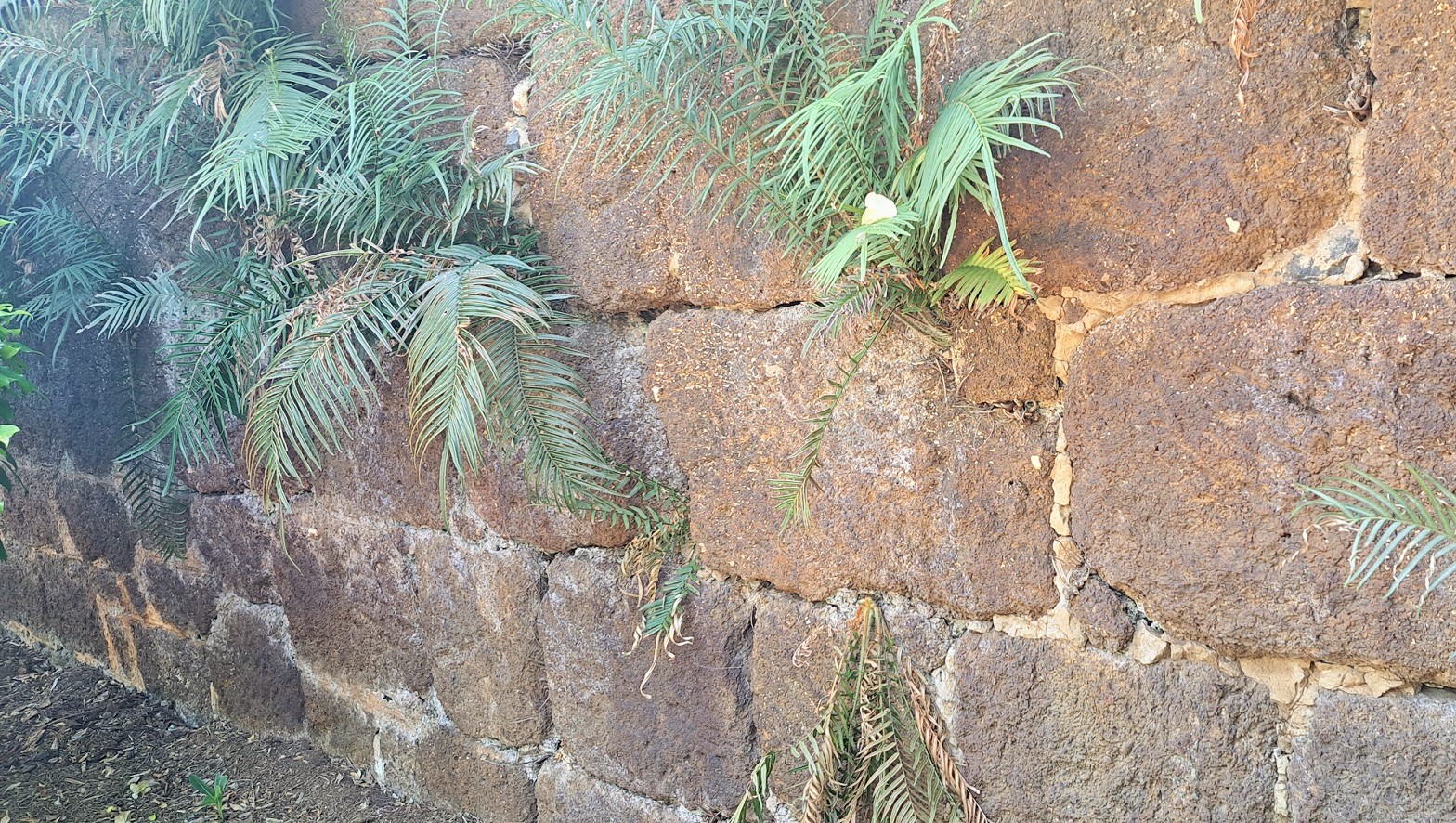
All these men were in the two dray loads of prisoners enroute to face trial. This was an historic journey because it was the last time in history that such a procession would pass through Ipswich.
That’s because the Toowoomba gaol had just been opened, and so no longer would Darling Downs prisoners first go from Toowoomba to Brisbane when on committal, and then be escorted back again to Toowoomba for trial. They would just remain in Toowoomba to await their fate.
From then on, Ipswich was left to make its own street entertainment.
CLICK HERE TO LISTEN TO A VERSION OF THIS STORY TOLD ON WEST BREMER RADIO.
Photo credits:
Prisoners in chains in drays in 1864 – AI generated by ChatGPT Image May 9, 2025.
Frederick Ward alias Thunderbolt – Truth, 21st February 1892, public-domain.
Alfred Allwood aged 16 in 1864 – AI generated ChatGPT Image Apr 14, 2025.
Surviving stone foundations of Old Toowoomba Gaol – Harold Peacock 2023.
 History Out There
I found a reference to Thunderbolt working at a property in South Brisbane in his earlier years. My relative is William Coombes, who would have met him.
http://trove.nla.gov.au/ndp/del/article/49728325
LikeLike