
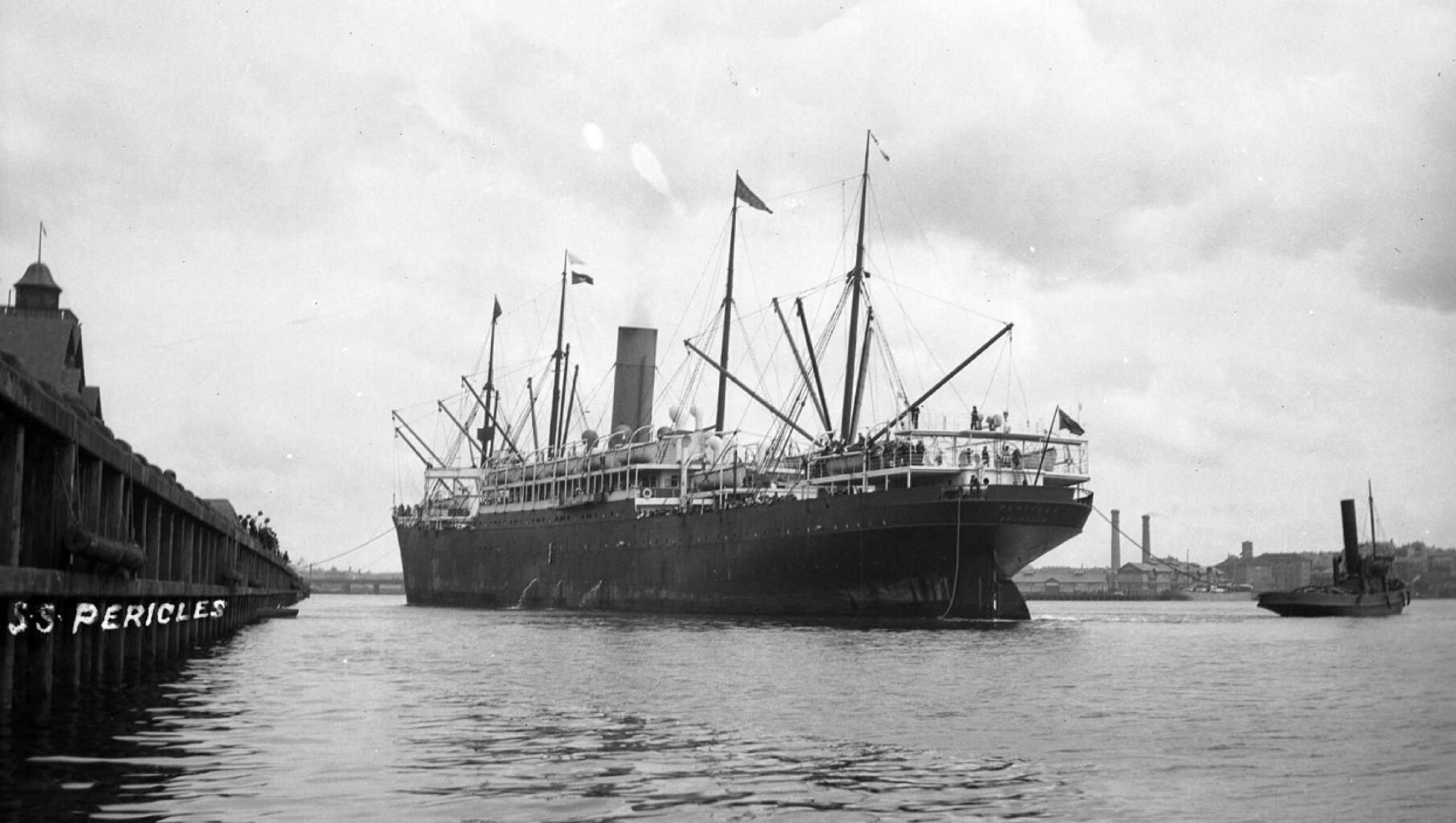
If not for the quick action of the captain and crew, this maritime disaster would have rewritten history and cost countless lives to this very day. I told a version of this story live on West Bremer Radio.
The SS Pericles was a steam ocean liner and refrigerated cargo ship. She was launched in 1907 for service between Great Britain and Australia via South Africa. When new, she was the largest ship on the route.
The accommodation was lavish and extremely comfortable. Pericles had berths for 100 saloon class passengers spread over four decks, and 250 third class passengers. She was described as the “new mammoth Aberdeen liner”, “a magnificent liner” and “a floating palace”.
In 1910 the Pericles set out on her fateful final voyage. She was under the command of Captain Alexander Simpson who had made about eighty trips to Australia in his forty-six years at sea. He had travelled around 2,060,800 miles at sea which was considered probably a world record in the annals of the mercantile marine. During his long sea career Captain Simpson had never lost a man at sea nor even met with any serious accident.

Pericles’ cargo was insured for a stunning £750,000 which is around $300 million today. It included 600 tons of lead ingots that contained gold, platinum and silver. It began from Brisbane and called at Sydney, Hobart and Melbourne, and was due to call at Fremantle.
But then on Thursday the 31st of March 1910, at 3.32pm in clear weather and with good visibility, the steamer was travelling at fourteen knots when she struck an uncharted rock off the most south-westerly point of the Australian mainland in Western Australia. The damage to the forward plates was so great that within three minutes there were five metres of water in the forward hold.
Captain Simpson gave the order to abandon ship. Within twenty-five minutes Pericles’ crew had launched all fourteen lifeboats, carrying all passengers and all of the crew. The only fatality was the one-eyed ship’s cat, Nelson, which drowned.
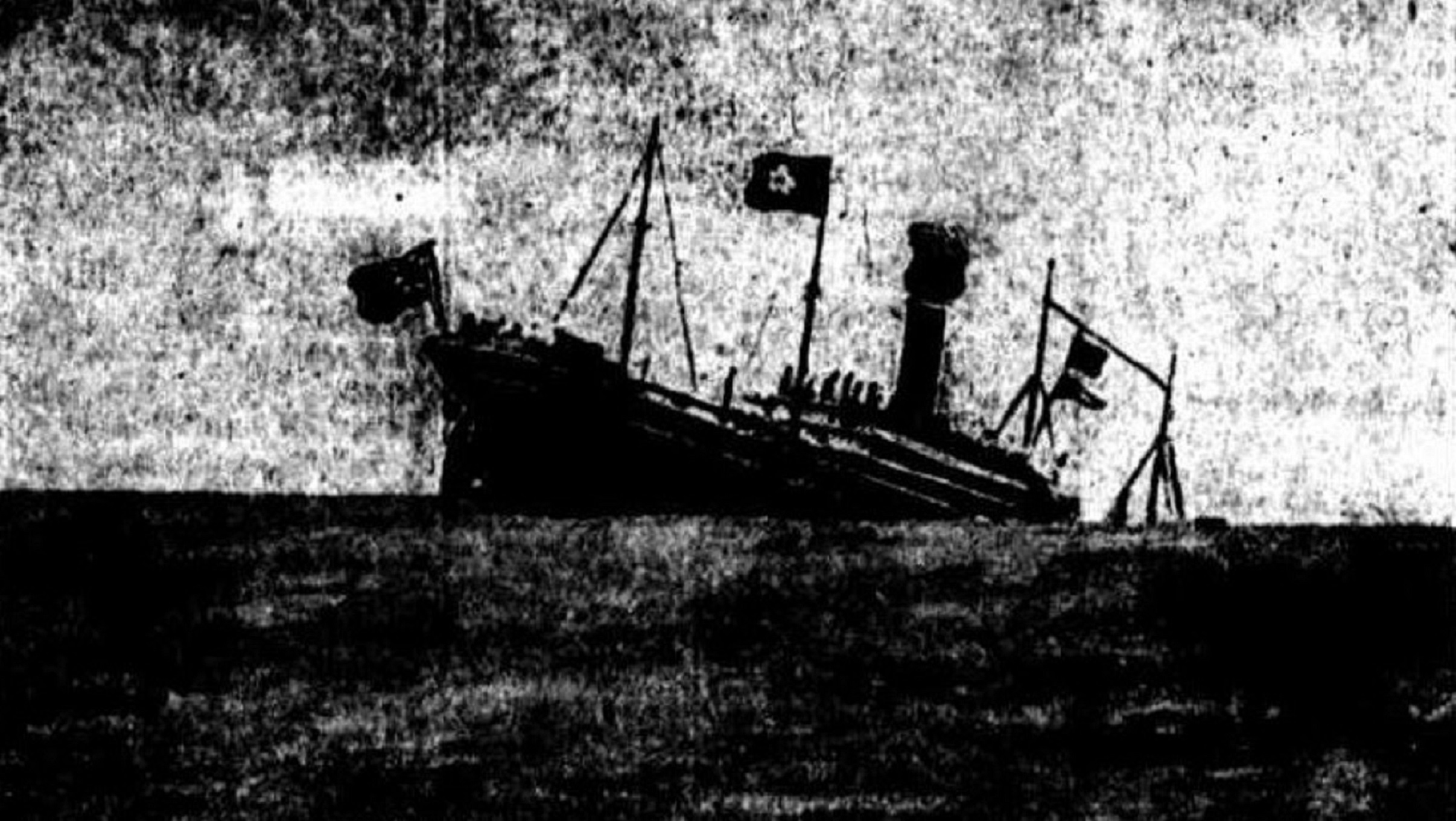
The next day most of the passengers boarded another steamship which took them to Fremantle. About thirty passengers chose instead to travel the two hundred miles overland. They all lost their personal belongings which went down with the ship.
This was two years before the sinking of the Titanic and talk of the shipwreck swept around Australia. And when it became known that there were a number of Ipswichians on board, the interest in the Queensland city reached fever pitch.
Those on board included four members of Ipswich’s Williams family led by patriarch Mr Fitzwilliam Williams. He was a building contractor who was taking a trip to visit his sisters in North Wales and West London. When rescued, Williams sent a telegram to his wife in Ipswich stating that he had lost everything – except for his money which he had saved.
Another Ipswich passenger was Mr. Thomas Goleby. He was the son of the mayor of Ipswich, Mr. Frederick Goleby. Thomas was embarking a ten-month trip to the old country for educational and business reasons. He would later go into business with his father. If Thomas had perished in the shipwreck, then he would never have gone into business, and the iconic F. Goleby & Sons building that still stands in Ipswich, on the corner of Brisbane and West Streets, would not be there today.

Also on board the Pericles was the Queensland millionaire and coal baron Mr. William Robert Black. W.R. Black was the proprietor of the Aberdeen Colliery at Tivoli, the Blackheath Colliery at Bundamba, and the Caledonian Colliery at Walloon. He was embarking on a two-year tour of Europe.
Black was also the most generous philanthropist Queensland has ever known, quietly giving away his fortune to churches, schools, orphanages and other charitable institutions across the state. After returning from Europe, Black became the major benefactor of the Queensland Temperance League, and along with another business tycoon George Marchant, Black was responsible for building the Temperance League’s Canberra Hotel in Brisbane. For decades, the Canberra was the biggest and best hotel there was.
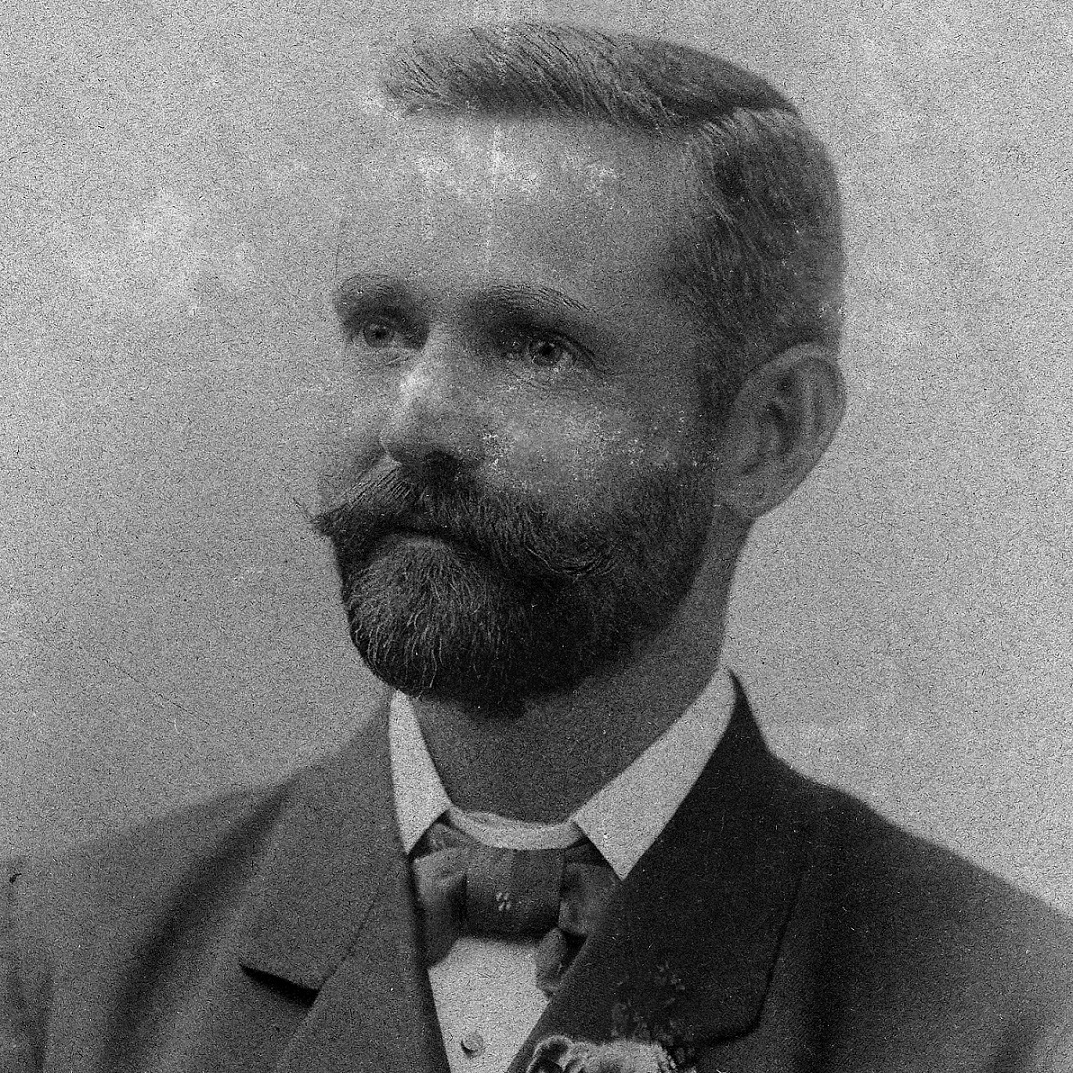
But if W.R. Black had perished in the sinking of the Pericles, then the Canberra would never have been built, and the charity Drug ARM would not exist today. You see, the Queensland Temperance League morphed into Drug ARM which today continues to work to reduce the harms of alcohol and other drugs – thanks to the support of W.R. Black after he survived the shipwreck.
I’m trekking through Arnhem Land in July to raise money for Drug ARM, and you can visit my website to donate. All donations are tax deductible.
History would have been so different if not for the quick action of Captain Simpson and his crew saving W.R. Black and the others. His calm demeanor saved lives then, and through the work of Drug ARM, is saving lives today. In the subsequent inquiry, the captain and crew were congratulated for their actions and exonerated from any fault in the disaster.
CLICK HERE TO LISTEN TO A VERSION OF THIS STORY ON WEST BREMER RADIO.
Photo credits:
SS Pericles 1908-1910 – Samuel J. Hood Studio, National Maritime Museum of Australia.
Captain Alexander Simpson – Advertiser, Adelaide, 9th April 1910, page 16.
The last of the Pericles – Queensland Times, Ipswich, 23rd April 1910, page 10.
Frederick Goleby, Mayor of Ipswich Council 1906 – State Library of Queensland.
William Robert Black c1898 – State Library of Queensland.
 History Out There