
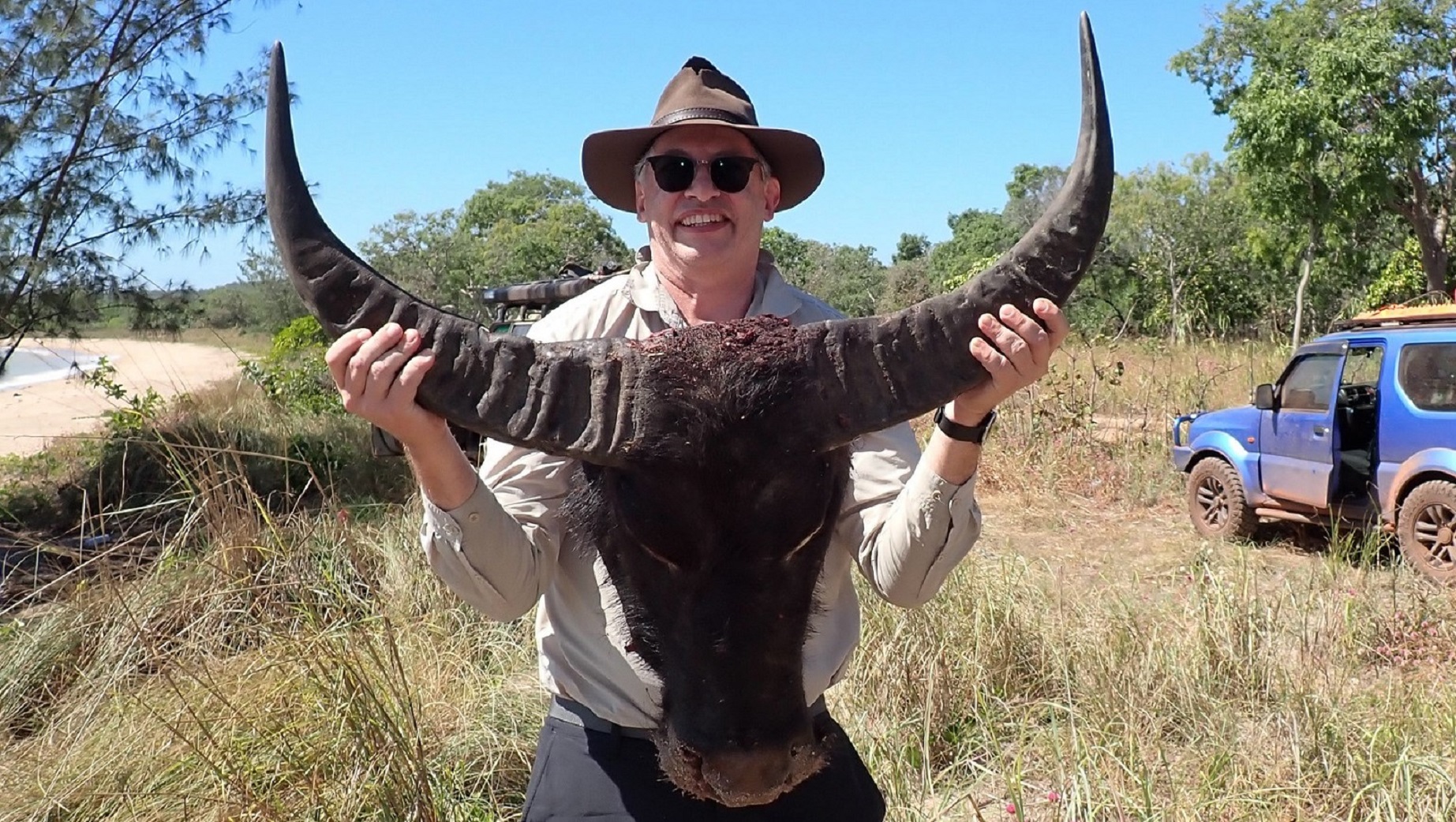
The botanist Allan Cunningham is famous for his exploration of the Darling Downs in the 1820s, but he also had little-known adventure in Arnhem Land in the Northern Territory. I told a version of this story live on Darling Downs radio 4AK.
That’s where I came across reports of Allan Cunningham being on an expedition in Arnhem Land more than 200 years ago, and I wondered why I had never heard of it, and I think I’ve discovered the answer.
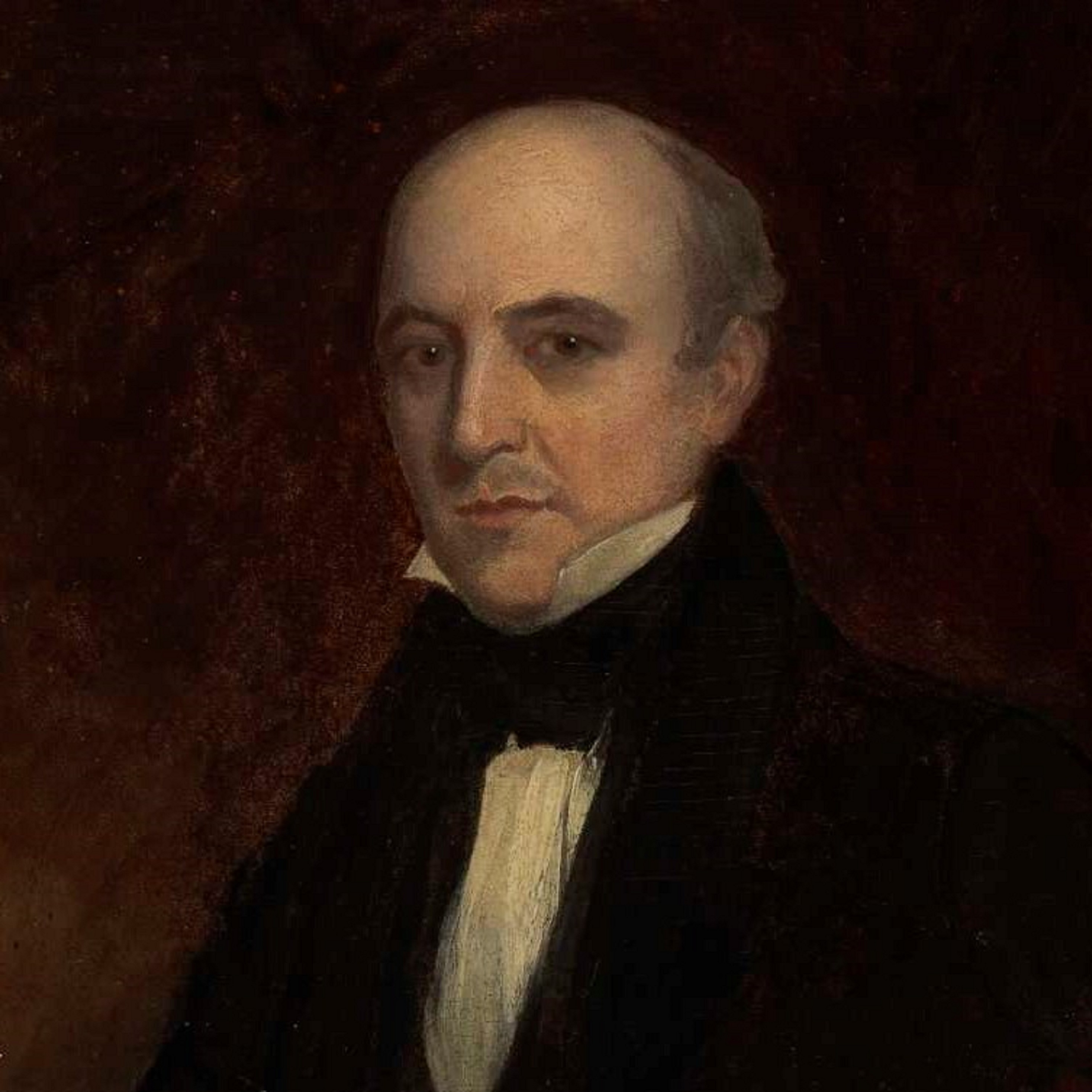
Cunningham was an English botanist and explorer. In 1824 he accompanied John Oxley on an expedition to Moreton Bay exploring the upper reaches of the Brisbane River. Cunningham’s most famous expedition was in 1827, beginning down in New South Wales and crossing to the west of the Great Dividing Range and travelling north. Cunningham named geographical landmarks well-known to us all including the Macintyre River, Condamine River, and the Darling Downs. He wrote about the lush grassland plains of the Darling Downs, and boy was he right. And of course, Cunningham famously found a pass, now known as Cunningham’s Gap.
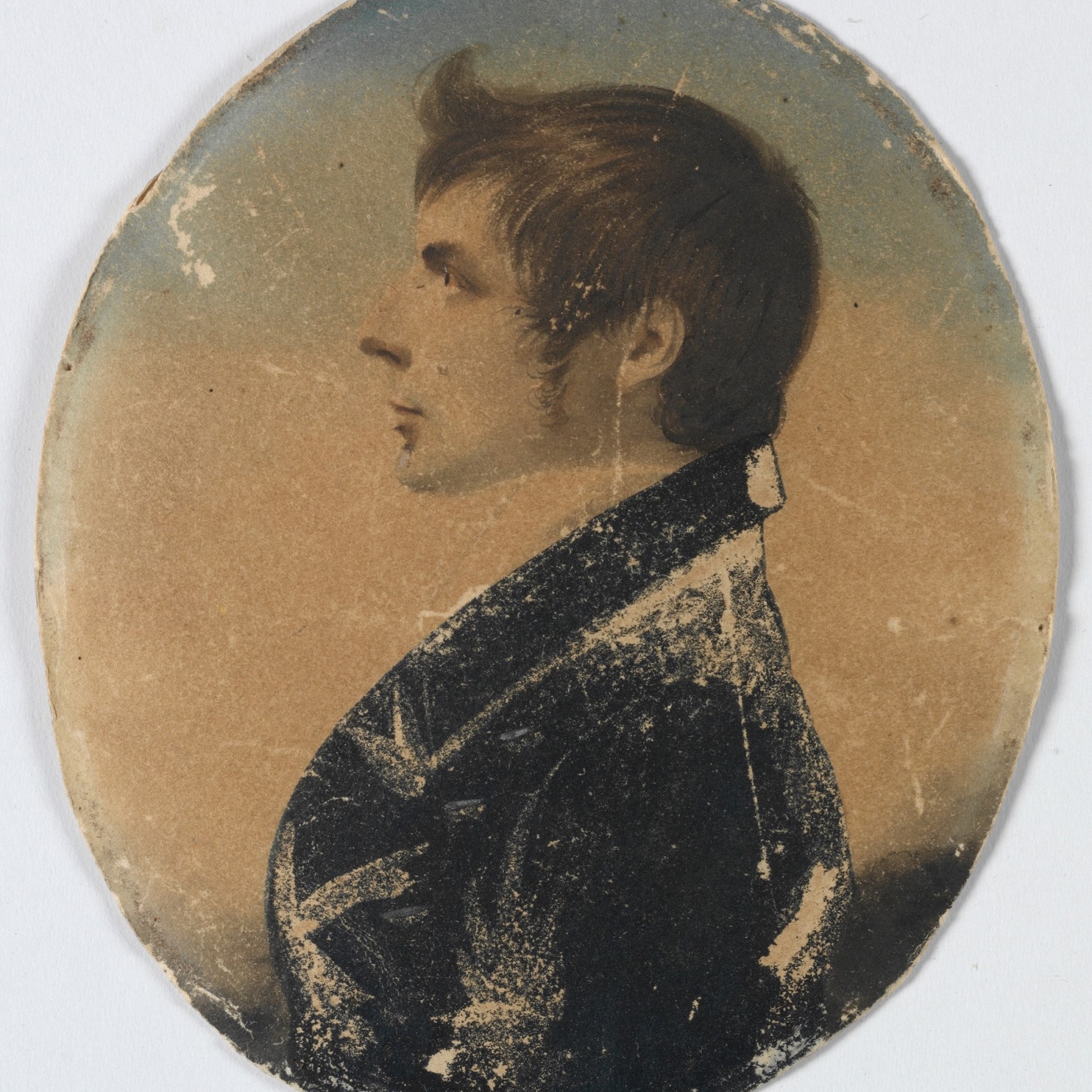
But before these more famous expeditions, Cunningham joined a group to explore the northern coast across Western Australia, Northern Territory and Queensland, which had not previously been chartered by Matthew Flinders. This expedition began in 1817 in which Cunningham accompanied Phillip Parker King, who was the son of the New South Wales’ Governor King, and the surveyor Lieutenant John Septimus Roe.
For this trip, Cunningham was aboard the noted ship the HMS Mermaid. It was the same Mermaid that later in 1823 carried the explorer Oxley on his Moreton Bay expedition, for which he was later joined by Cunningham. The same ship in 1825 brought another well-known name Edmund Lockyer to Moreton Bay who then of course explored the Lockyer Valley.
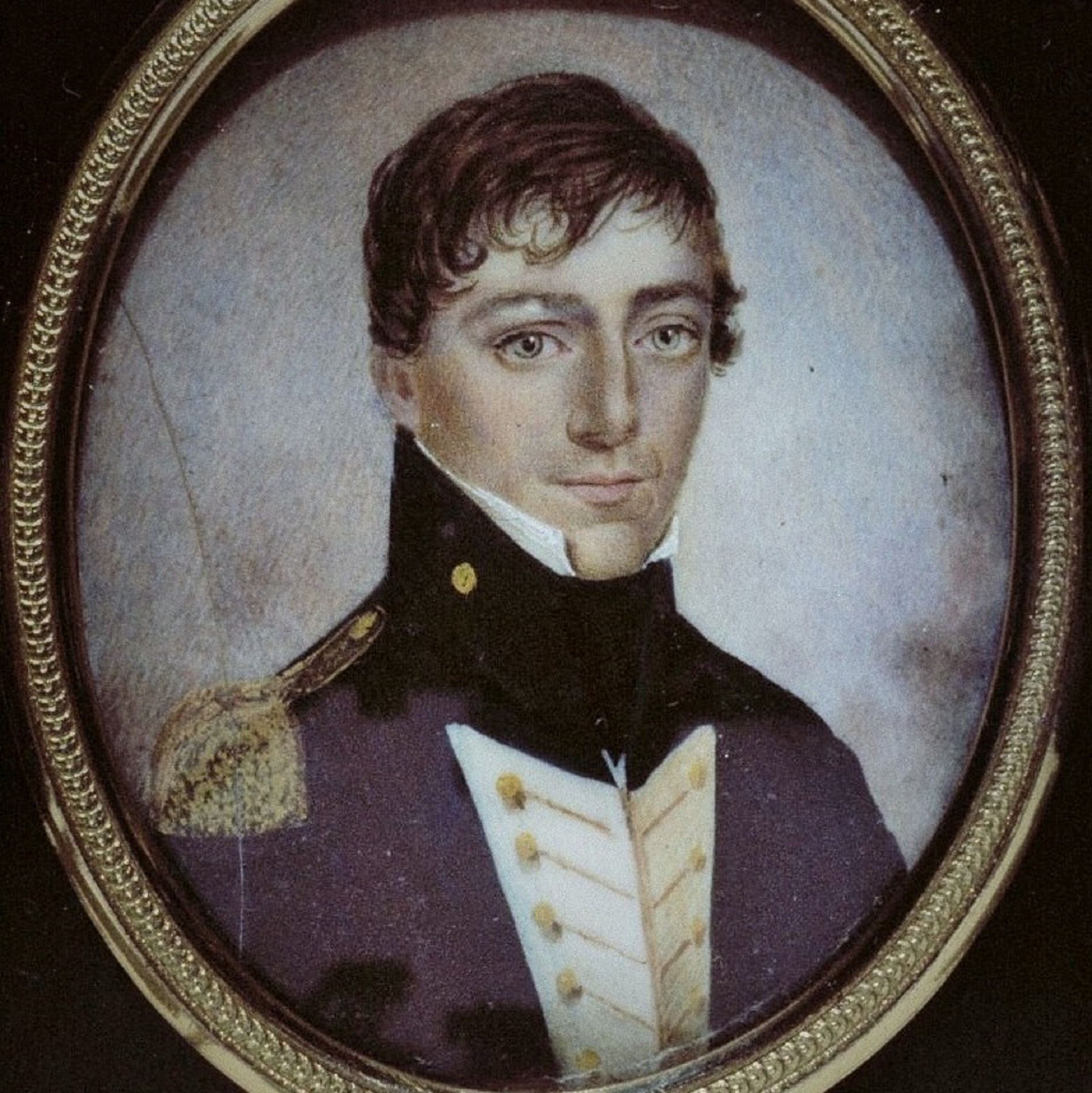
Meanwhile, back to Cunningham’s companion across northern Australia, the Lieutenant John Septimus Roe. He became famous in his own right. Roe had already served in the Napoleonic Wars and the First Anglo-Burmese War. Along with Cunningham, Roe spent a substantial period exploring and surveying the coast and islands of Arnhem Land, before surveying Bathurst Island in the Tiwi Islands, and that’s where I came across this forgotten Cunningham expedition. I just came back from up there where I can tell you the historic influence of both Cunningham and Roe continues.
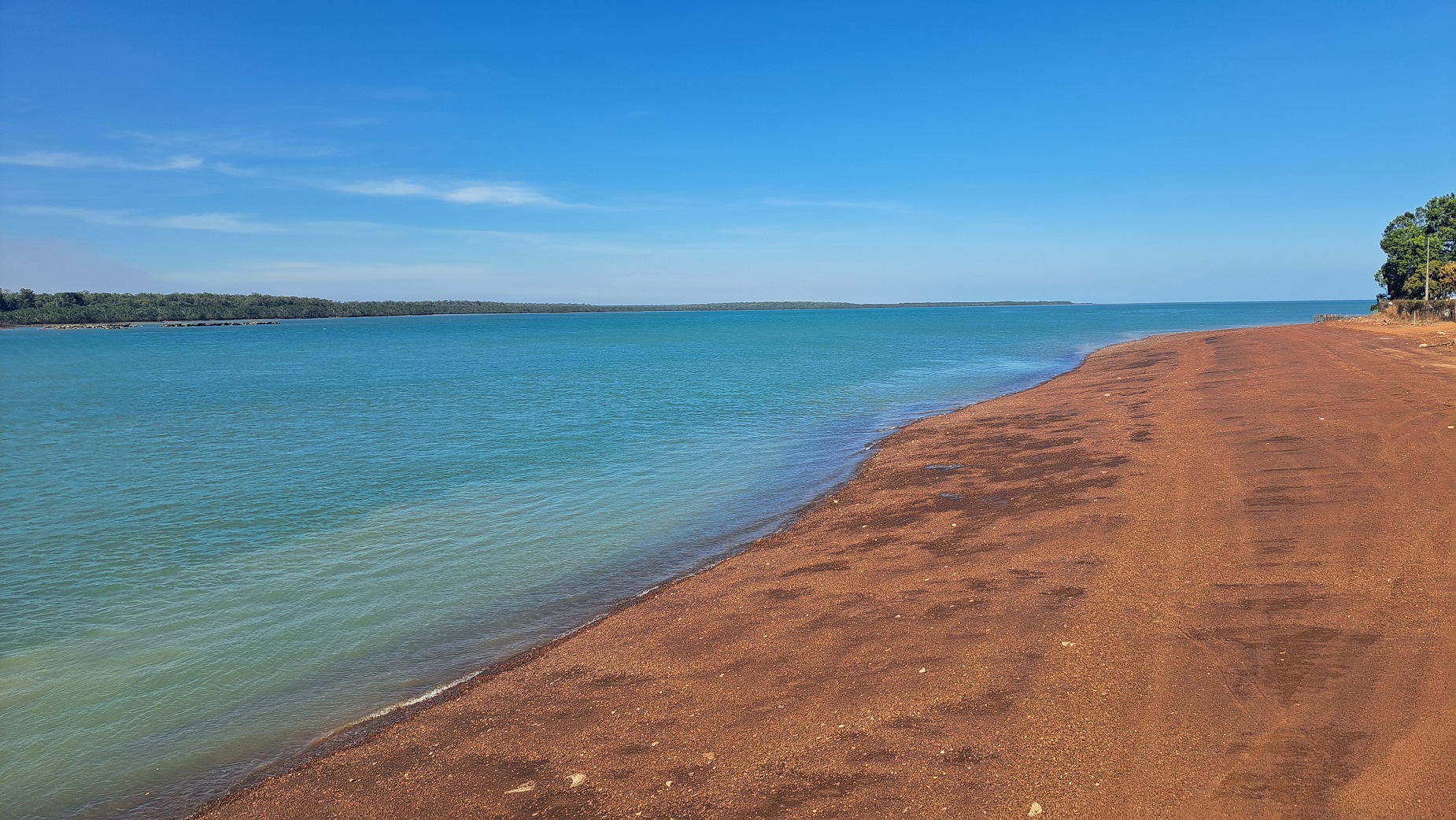
In 1824, while Cunningham was down south with Oxley, Roe helped to establish a colony at Melville Island in the Tiwi Islands. It was called Fort Dundas and was intended to rival Singapore as a trading port. But it was a fearsome place, because although the first commandant Captain James Bremer feared an attack by Malay pirates, it was the formidable Melville Islanders who had the pirates and everyone else scared stiff.
The second commandant was Captain Maurice Barlow, and interestingly in 1824 he imported three buffaloes from Timor. He therefore earned for himself the distinction of founding the buffalo industry in Australia. And I recently joined some buffalo hunters in Arnhem Land for a little experience in that industry myself.

Anyway, for various reasons the Fort Dundas colony failed, and it was abandoned after just five years. Because of that failure is probably why we were never taught about the northern colony in school.
And that is why Cunningham’s expedition north, before his famous Darling Downs exploits, is pretty much not mentioned today.
CLICK HERE TO LISTEN TO A VERSION OF THIS STORY TOLD ON DARLING DOWNS RADIO 4AK.
Photo credits:
Buffalo hunting, East Arnhem Land, 2025 – Harold Peacock P7162222.
Portrait of Allan Cunningham – National Library of Australia.
John Oxley, 1810 – State Library of New South Wales.
John Septimus Roe, 1824 – State Library of Western Australia.
Melville and Bathurst islands Tiwi Islands, 2025 – Harold Peacock 20250714_150422.
Buffalo boiling, East Arnhem Land, 2025 – Harold Peacock 20250716_130829.
 History Out There