

The 2025 Ashes first cricket test in Perth finishing in two days wouldn’t be a surprise to Darling Downs cricket enthusiasts who were well-used to shorter matches. I told a version of this story live on Darling Downs radio 4AK.
It’s not uncommon for an international touring team to play state or country representative teams in preparation for the big matches. But four times from 1894 to 1924 England actually played the Toowoomba city team in a two-day match in Toowoomba, and each time a determined local side forced England to get increasingly serious.
The first match was in 1894. The England XI was led by captain Andrew Stoddart. Stoddart was an athlete with the unique distinction of captaining England in three different sports – cricket, rugby union and Australian rules football.
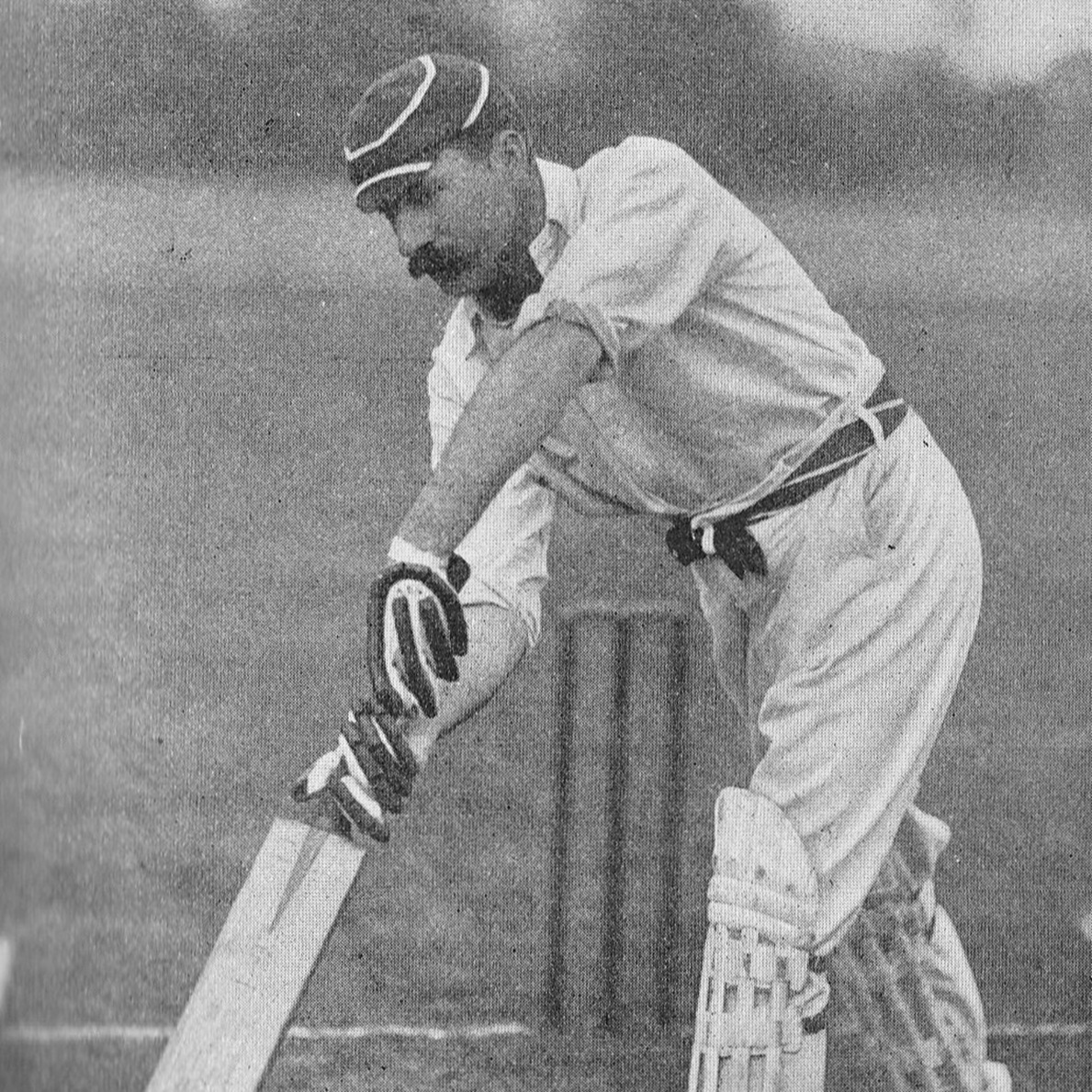
While it was an England XI that played the match, it was against a Toowoomba XVIII because the confident Englishmen allowed Toowoomba seven extra players. Toowoomba’s batting was opened by the popular John Rosser who had played first class cricket for Victoria. Rosser enjoyed a chanceless first innings until he was clean bowled for 42. Today there are memorial gates at the Toowoomba Bowling Club named after him.
When it came time to bowl, Toowoomba’s Stanley Kenyon was the best with 5-84. England were then unable to claim the 17 Toowoomba second innings wickets they required to win, with the home side’s last wicket falling with the last ball of the day having just passed the English total. That unlikely draw by Toowoomba foreshadowed a tighter tussle when England next visited.
The second match between England and Toowoomba came in the very next Ashes tour in 1897. England captain Stoddart, who had his gold watch stolen in Brisbane, rested from the match and so England’s best batsman the Indian prince Ranjitsinhji captained the side. Toowoomba was again allowed eighteen batsmen and the two-day match was drawn much to the irritation of the English.
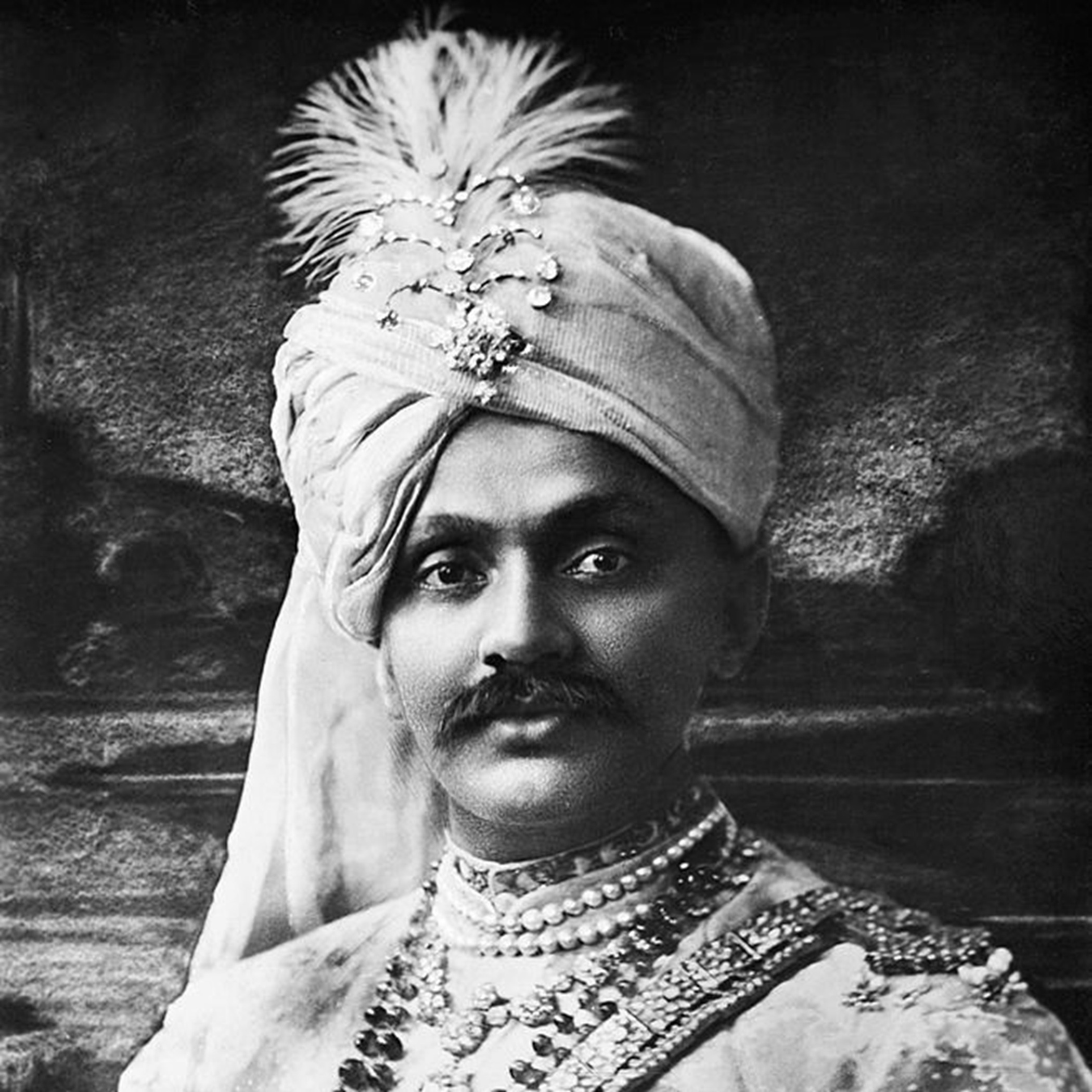
Toowoomba was resolute as its only innings closed at 13 wickets for 243. Two batsmen scored half centuries. Phil Thomas had 85 runs, he was a former Toowoomba Grammar boy who would be killed in action in the First World War. And Tom Hayward with 68 runs, he was an Englishman who I think was cousin of the Tom Hayward actually playing for England at the time.

The third match between England and Toowoomba was in 1911. After Toowoomba’s good showing on the previous tours, England’s gloves came off and Toowoomba were allowed only the regulation eleven batsmen. The result was that England smashed them by an innings and 134 runs.
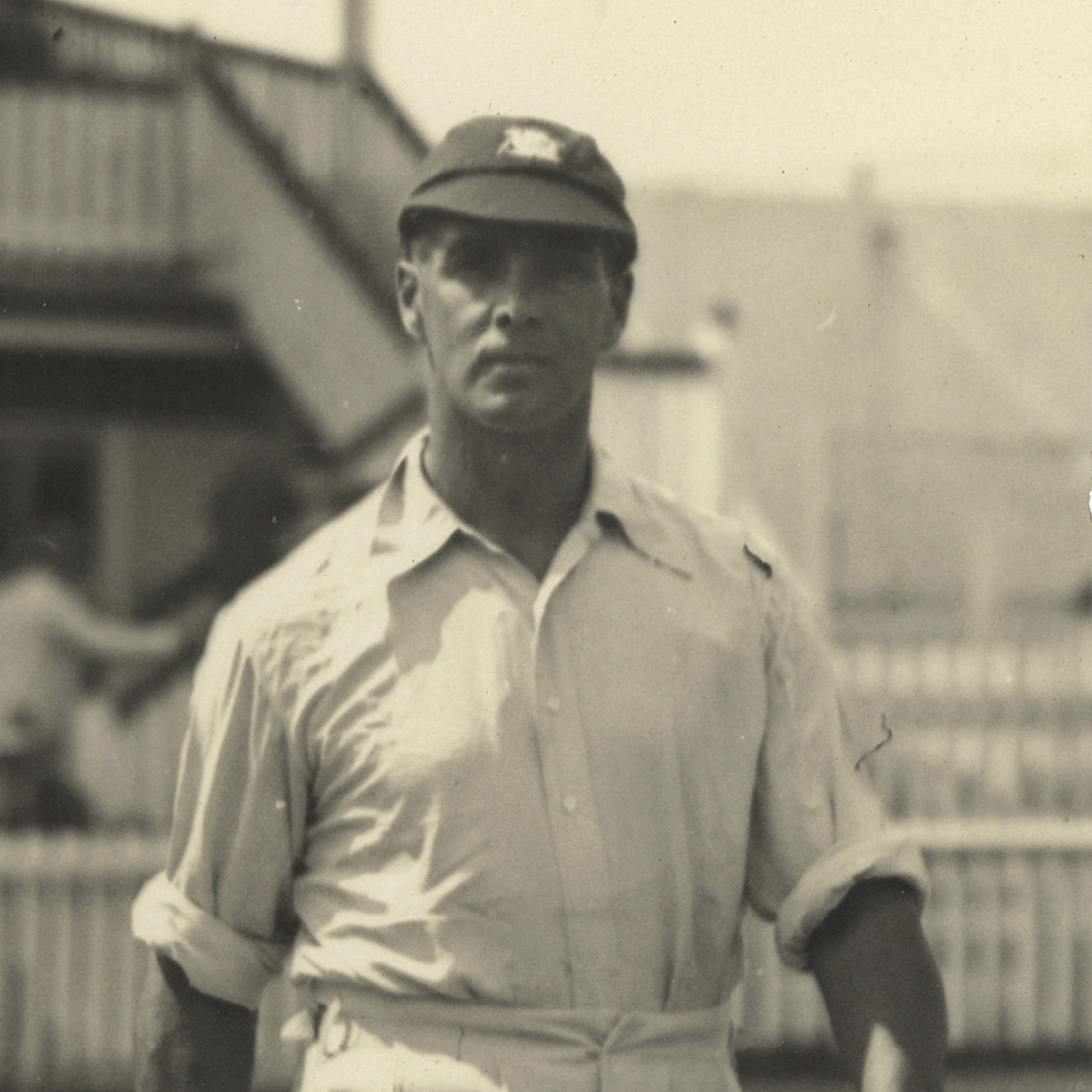
Toowoomba’s Arthur Jones knocked a half-century with 52 runs. Jones was a first class cricketer for Queensland and had scored a half century against the touring South Africans the previous season. Toowoomba’s bowling was opened by two Toowoomba Grammar school boys, one of them was 16-year-old Eric Knowles who began by bowling maiden to England’s great Jack Hobbs. Hobbs is one of the greatest batsmen in the history of cricket, and today he is the still the leading run-scorer and century-maker in first-class cricket. Toowoomba’s Knowles later played first class cricket for Queensland.
The last time that England played Toowoomba was another two-day match in 1924 and England were again merciless. England won by an innings and 126 runs led by Jack Hearne with 174 not out. Hearne, who had previously led the team on a possum hunt in Toowoomba, scored a century at the MCG when he was just 20-years-old to make him the youngest England player to score a Test century. The only Toowoomba player who showed any resistance was Frank Drews with a half-century of 52 runs.
Despite the early promise of Toowoomba pushing the England team in the 1894 and 1897 tours, the huge losses to the tourists in 1911 and 1924 spelled the end of England matches against Toowoomba. Thereafter it was country representative teams that received the honour.
But Toowoomba had already created its own Ashes history, with outstanding performances by local men like John Rosser, Stanley Kenyon, Phil Thomas, Arthur Jones, Eric Knowles and Frank Drews.
And they all came in two-day matches against England, so there was nothing wrong with that Test in Perth.
CLICK HERE TO LISTEN TO A VERSION OF THIS STORY TOLD ON RADIO 4AK.
Photo credits:
Andrew Stoddart’s XI in Australia, 1895-96 – Wikipedia from a book Famous Cricketers, photo by E. Hawkins.
AE Stoddart’s forward-drive nearing the finish 1897 – KS Ranjitsinhji, The Jubilee Book of Cricket 3rd Edition, photo by E. Hawkins Co Brighton.
Ranjitsinhji c1908 – Wikipedia Public Domain.
Studio portrait of Philip Lewis Thomas of Toowoomba – Australian War Memorial P03452.017.
Jack Hobbs opening batsman for England cricket test match Brisbane in 1928 – State Library of Queensland.
EC Knowles – Telegraph, Brisbane, 16th March 1934, page 19.
Frank Drews – Sports Referee, Brisbane, 17th November 1928, page 9.
 History Out There
[…] On the Bodyline tour, England played Queensland Country in Toowoomba with the match finishing in a draw. That was the fifth time that England had played in Toowoomba. […]
LikeLike
[…] in the business was John Provan. For many years he was Toowoomba’s best cricket bowler. In Toowoomba’s match against England in 1894, Proven bowled 30 overs, including 12 maidens, to finish with 4 wickets for 42 runs which it was […]
LikeLike