
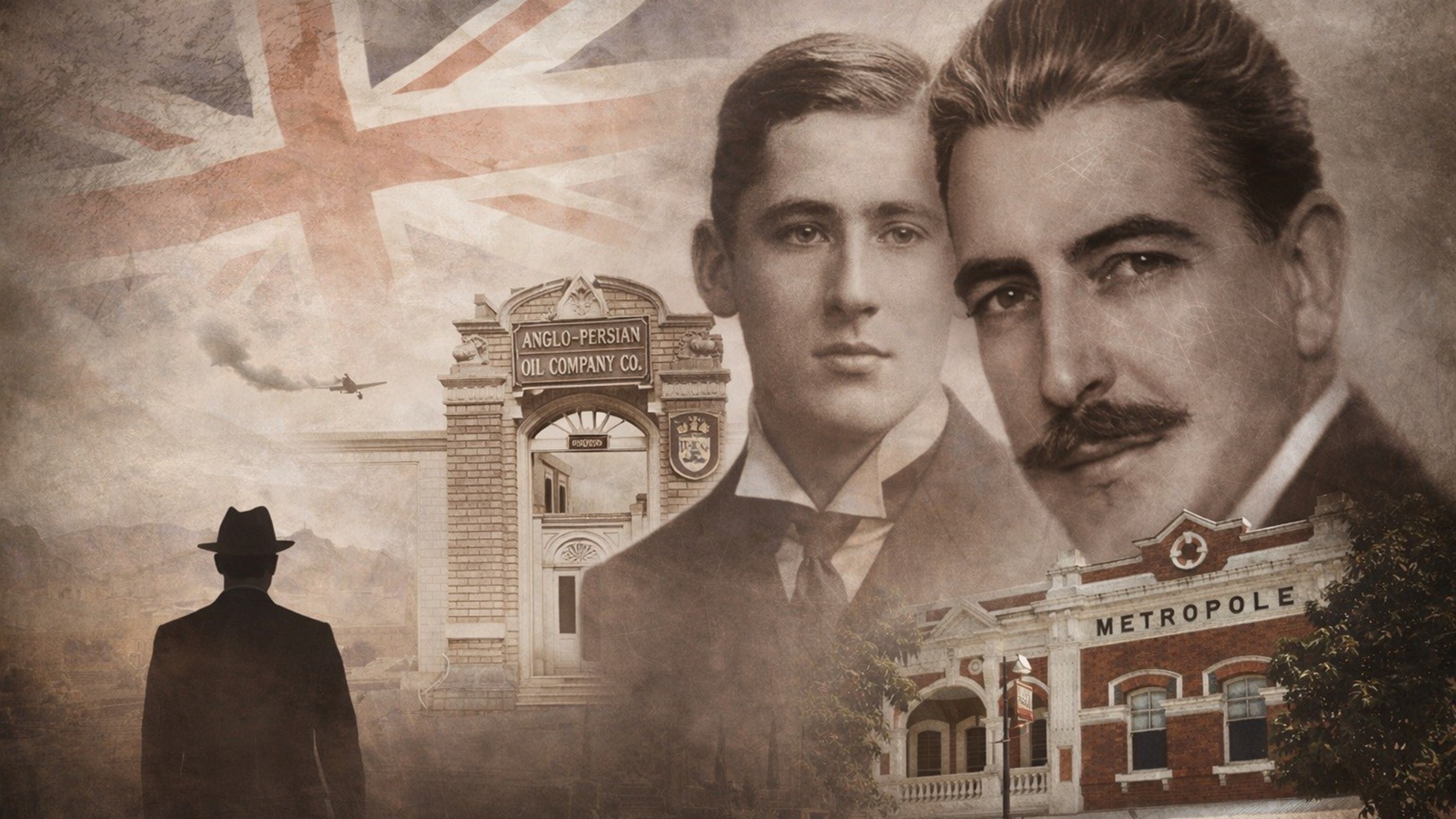
Iran is in the news, and this is a classified exposé about a British spy in Iran 100 years ago. I told a version of this story live on Ipswich’s West Bremer Radio.
The truth begins in Ipswich, Queensland, home to Alexander Mein Fairley. He was born in 1833 in Glasgow, Scotland, and was the licensee of the Ulster Hotel in Ipswich from 1886. In 1893 the Ulster was flooded three times, and for the fourth time in three years, so Alexander moved to safer ground to the Harp of Erin hotel higher up on Brisbane Street.

He was the licensee there until his death on the premises in 1894. The Harp of Erin was replaced on the site by the Metropole Hotel in 1906. Alexander’s family continued running the pub for the next twenty years, and it’s probably Alexander himself who haunts the hotel today.
But what is not widely known is that Alexander’s nephew was a British spy.
The nephew’s name was William Cunningham Fairley Fairley. He was born in 1877 in Newcastle, England.
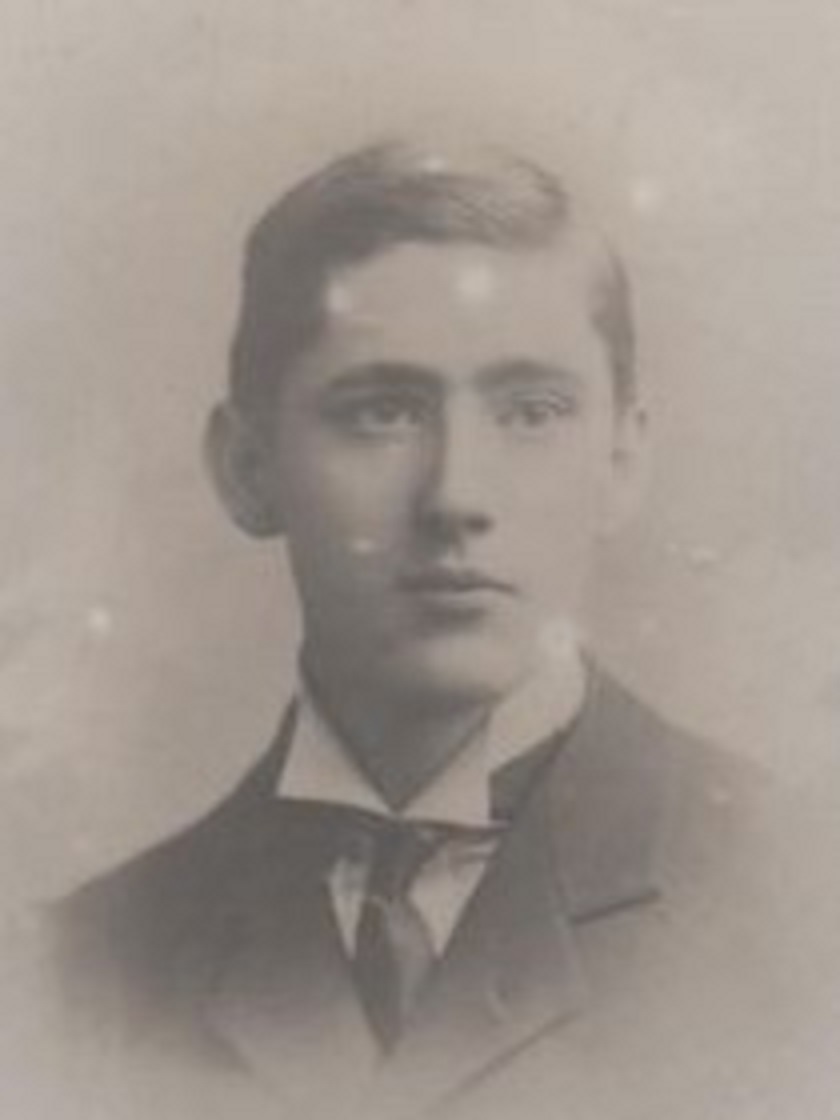
Fairley lived an amazing life worthy of a best-selling spy novel. Between spells in London, Fairley was constantly in the midst of political intrigue at the most historic times and places.
He was in Russia for the Bolshevik revolution. Fairley was consorting with Sidney Reilly the Ace of Spies who was the real-life inspiration for James Bond. Fairley escaped by the seat of his pants in 1918 via Vladivostok, just before suspects in the attempted assassination of Lenin were rounded up, including Fairley’s own boss in Moscow.
In the 1930s as Europe strained under Hitler’s rise to power prior to the Second World War, Fairley was again in the middle of it all, this time in Paris as well as that well-known hotbed of secret agent intrigue Tangier in Morocco.
But it was Fairley’s activities between the wars that included the Iran intrigue.
By 1922, Fairley was in Tehran the capital of Iran, heading up the Anglo-Persian Oil Company. His job was to drive British interests and go head-to-head with the Soviets for control of oil assets, which was the power source with which the next world war would be won.
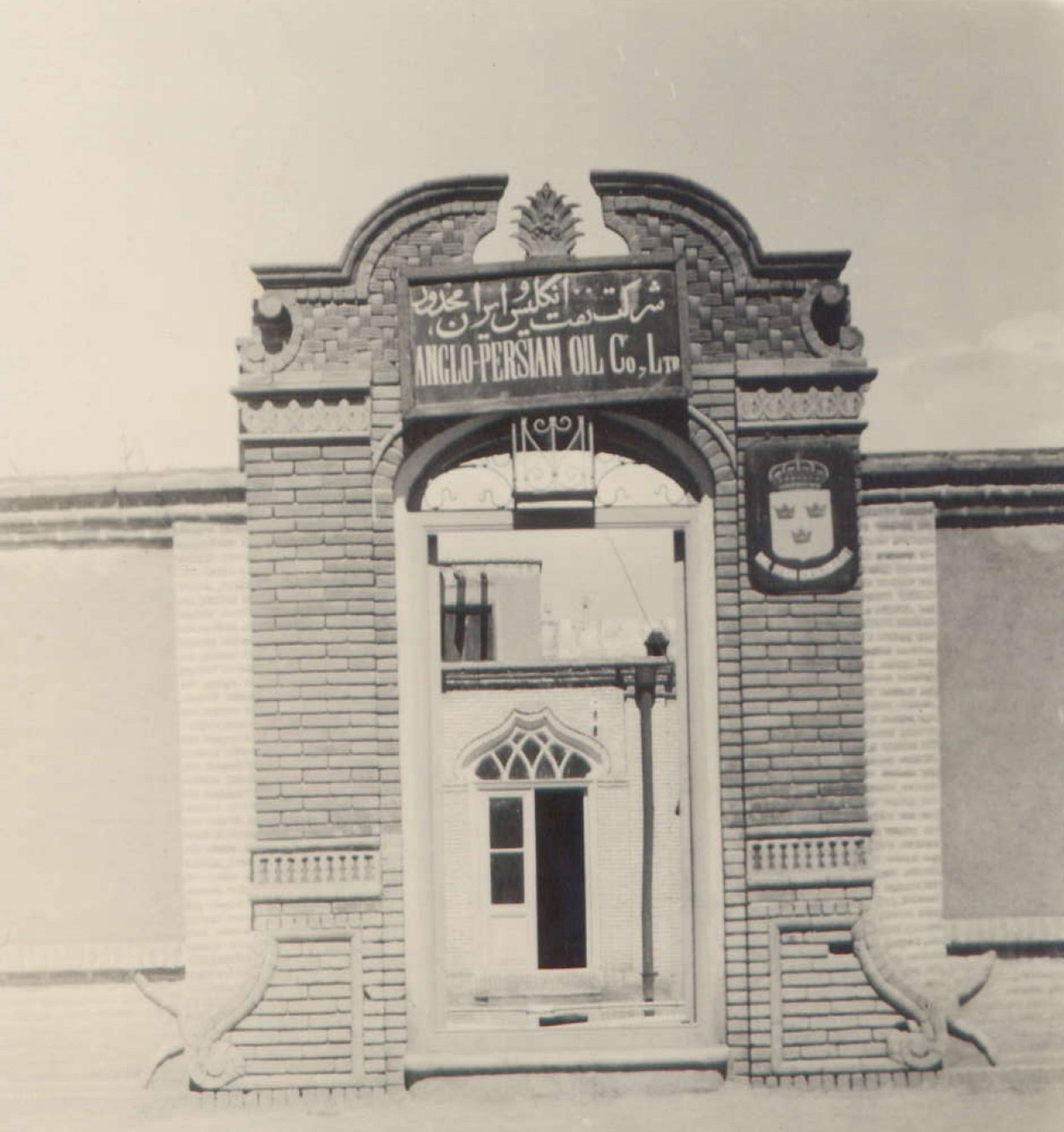
The Anglo-Persian Oil Company was the first company to extract oil from the middle east. It became the Anglo-Iranian Oil Company, then the British Petroleum Company, and now it’s BP. In 1922 Fairley was its representative in Tehran as Russia nipped as at his heals. He was also the Swedish consul to Persia because his cousin, stepfather and probable father, was a close friend to the king of Sweden. That fact that his cousin, stepfather, and father were one in the same person is another story.
In 1928, Fairley was back in London because he and his wife Daisy were to host the visit of His Highness Teymourtache, Minister of the Court to His Imperial Majesty the Shah of Iran. Teymourtache, who was fluent in Persian, French, Russian, German, and had a strong command of English and Turkish, spoke for the Shah and so his support was key to Britain securing the oil concessions.
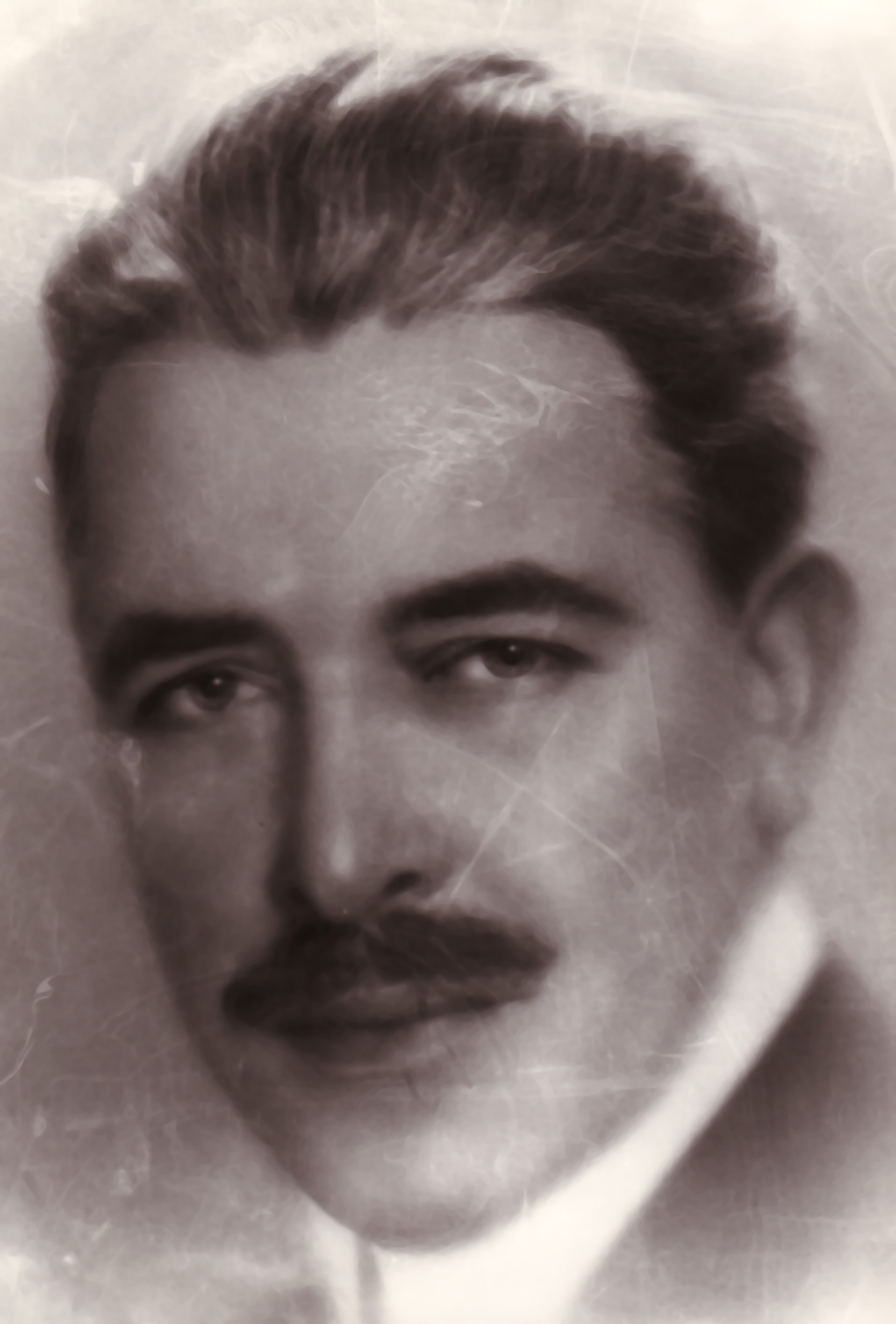
Fairley was with Teymourtache as he attended Buckingham Palace for an audience with King George V, hosted a dinner party at Clarridges, performed a wreath-laying ceremony at the Cenotaph at Whitehall, hosted a supper at the Savoy, was the guest of both the House of Commons and the House of Lords in the British parliament, and more.
Teymourtache was a tough negotiator, and just as the exhaustive process was nearing an uncertain conclusion, Teymourtache was mysteriously dismissed, imprisoned, tortured, and murdered by a lethal injection of air, with rumours of British involvement. The Shah signed what turned out to be a favourable agreement to the British, in which Fairley had played a pivotal role.
If there’s any doubt that Fairley was a covert British spy, it should be noted that he and his family spoke fluent Russian, and his brother-in-law Harold Godfrey worked for the British secret intelligence service MI6 including “packing dates” in Iran.
So remember Australia and Ipswich’s very own Alexander Fairley at the Ulster and Metropole Hotels, and the massive role that his nephew played in Iran and the political intrigue there a century ago.
You can read more about the remarkable Fairley family in my book “Mr. Fairley: The Oldest Banker in Glasgow” which is available here.
CLICK HERE TO LISTEN TO A VERSION OF THIS STORY ON WEST BREMER RADIO.
Photo credits:
The Fairley Affair – ChatGPT Image.
Alex Fairley’s Ulster Hotel in the 1893 floods – Sue Bostock family collection.
William Fairley c1895 – “Mr Fairley: The Oldest Banker in Glasgow”, Harold Peacock, 2014, page 115.
Fairley’s Anglo-Persian Oil Company office, Tehran – “Mr Fairley: The Oldest Banker in Glasgow”, Harold Peacock, 2014, page 119.
Abdolhossein Teymourtash 1920s – Wikipedia Commons.
 History Out There