
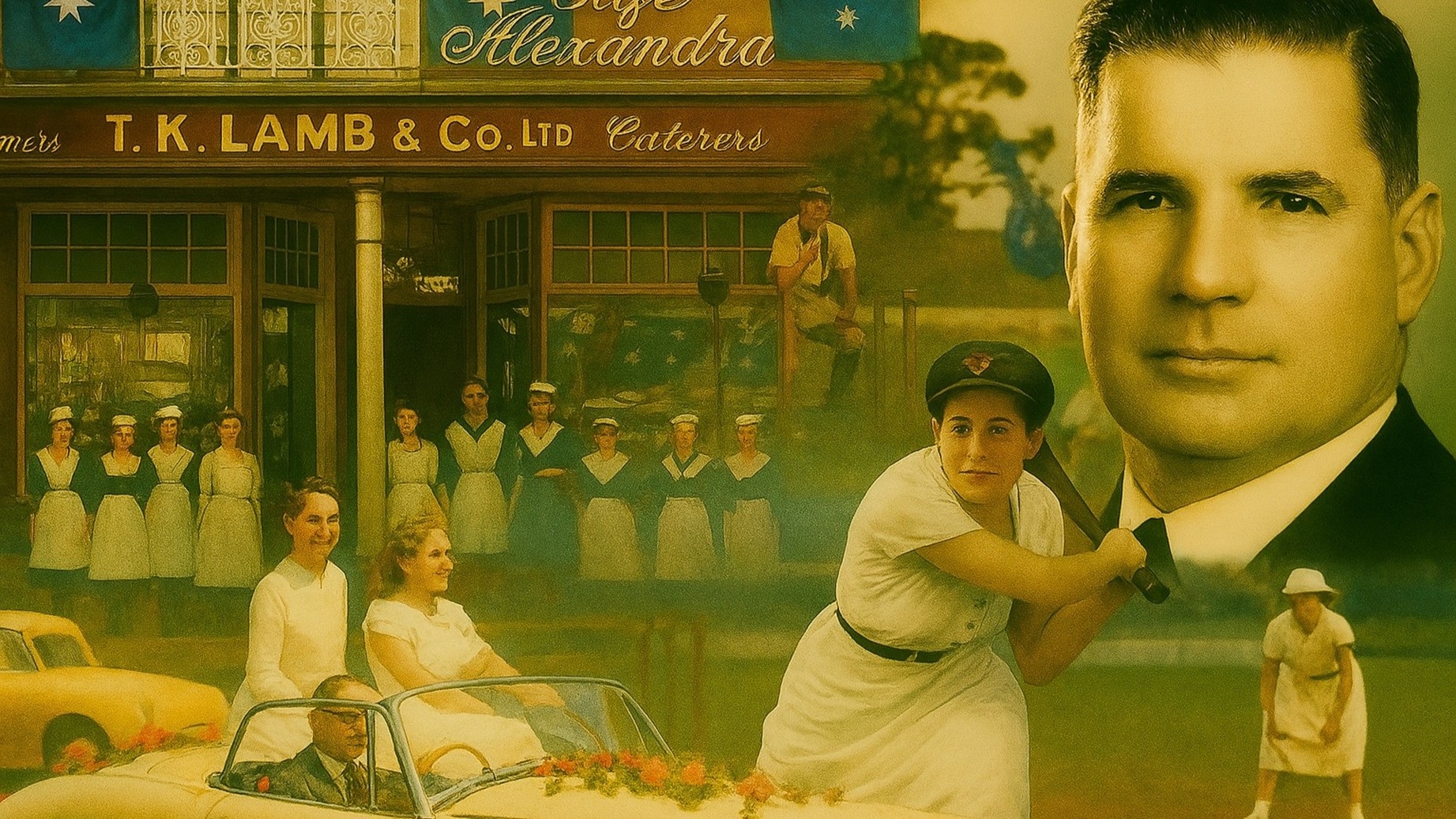
Café Alexandra was the place to be on Australia Day in the 1930s when Toowoomba puffed out its chest with pride. I told a version of this story on Darling Downs radio 4AK.
The Australia Day Dinner at Toowoomba was traditionally held at Cafe Alexandra on Ruthven Street. With Australian flags draped on the walls, the well-known café was the centre of official celebrations for decades.

The café was founded in 1901 by the Welshman Mr. Thomas Lamb who for thirty years was one of the most prominent figures in Toowoomba business. From the café he built a big business specialising in cake and pastry making, with a state-wide country trade
In 1938, the guest of honour for the Australia Day dinner at Café Alexandra was Mr Arthur Fadden. He was an accountant, the federal member for the Darling Downs, and soon to be the thirteenth prime minister of Australia.
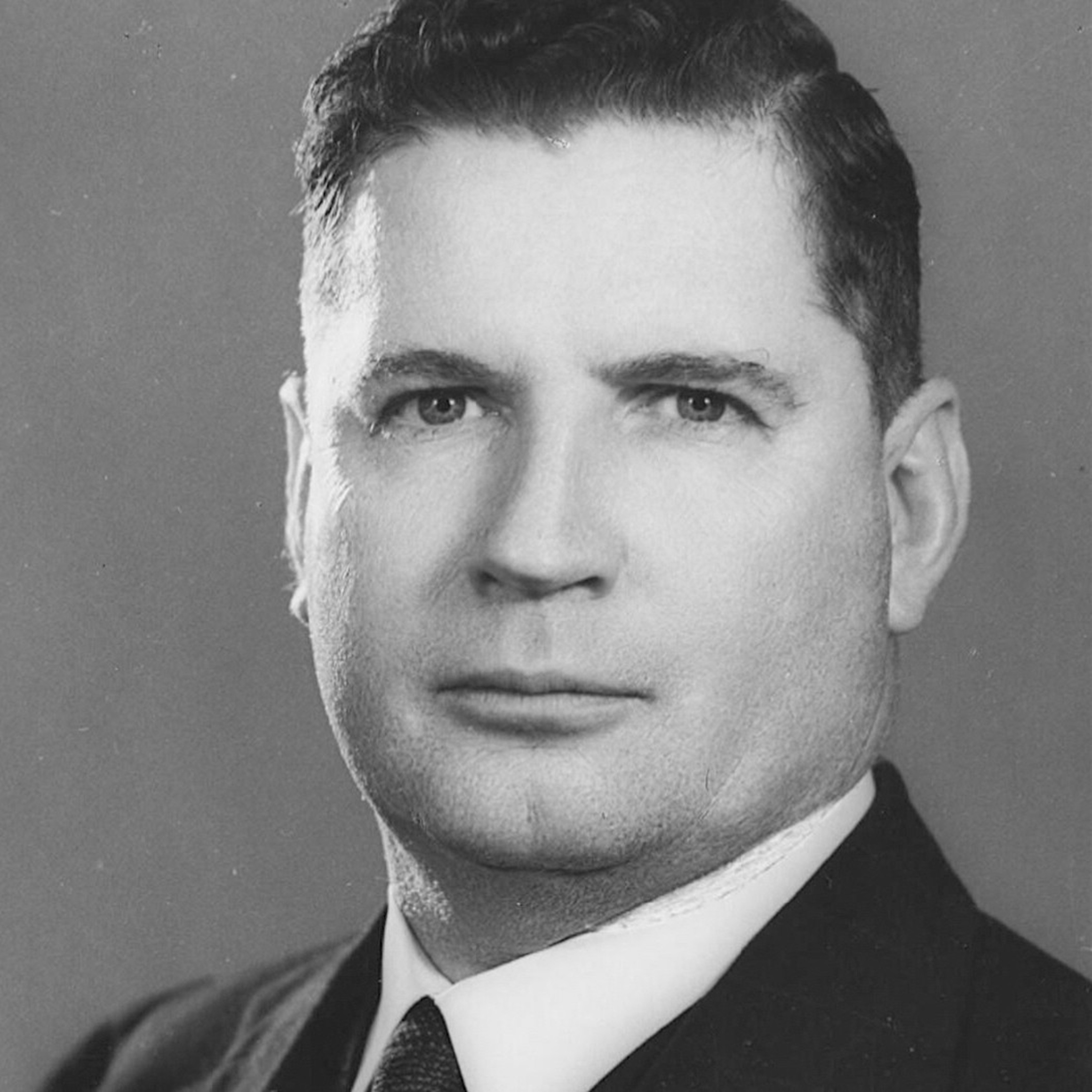
What Mr Fadden said in Toowoomba that evening reflected the pride that had built around Australia Day. He said you only had to consider the first thirty-seven years since Federation to get an idea of the vast strides Australia had made in self-government, catching-up with the far older countries around the world. He said what everyone knew, that the progress of Australia had been faster and greater than that of any other country in the world.
The Australia Day dinners at the Cafe Alexandra grew in importance including a veritable red carpet of fashion.
For example, in 1940, Mrs Isabella Annand, the wife of Toowoomba’s longest serving mayor, wore a dinner gown of black French mariette displaying long sleeves and a softly gathered bodice. Mrs. Ellen Dent, wife of the secretary of the organising committee and son of the first European to settle on the Darling Downs, chose a gown of floral mariette in autumn tonings which displayed a pale blue swathed sash. Then there was Mrs. Margaret Yeates, the wife of the local member of state parliament whose all five sons would see active service in the Second World War, she wore beige pink lace over taffetas fashioned with long full sleeves of mariette inlet with Ince, a moulded skirt and swashed sash of silver lame.
The enthusiasm to celebrate Australia Day continued to build so much that in 1949, the day was celebrated in Toowoomba with not one, but two processions.
The second procession was organised by the Australia Day committee and went to the show grounds, where children’s sports were played and importantly free ice cream was distributed.
The first procession was organised by the Vigoro Association and included a load of floats and twenty-five teams of vigoro players. The parade ended in Queen’s Park where vigoro was played for the entire day.
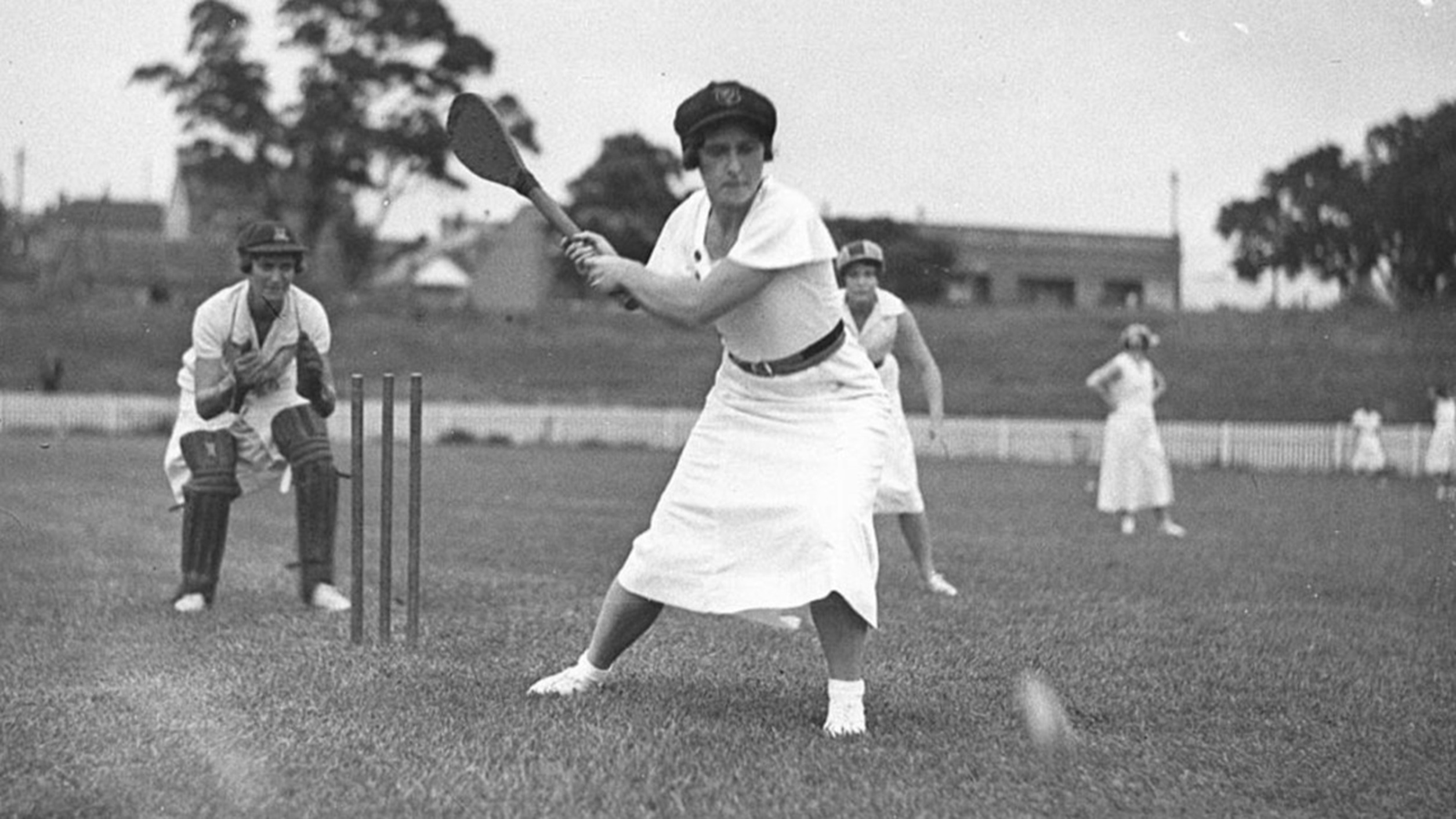
Vigoro is a game played by women pretty much only in Australia. It was invented in England in 1901 as an attempt to merge tennis and cricket. One of the earliest matches was played at Lords. It was between a tennis team including the world champion of real tennis and a couple of Wimbledon champions, versus a team of cricketers led by the most prolific run-getters in the country championship at the time. The cricketers lost, so Lords ensured the merger never really got off the ground.
Anyway, on Australia Day 1949, Toowoomba’s vigoro team beat Brisbane in the final to claim the R. A. Tulloch Shield which was named after a Russell Street auctioneer. Interestingly, for many years Toowoomba Rugby League also presented an R. A. Tulloch Shield.
So we should all be proud this Australia Day, especially here in Toowoomba where the vigoro and the dinners at the old Cafe Alexandra were always particularly popular.
CLICK HERE TO LISTEN TO A VERSION OF THIS STORY TOLD ON RADIO 4AK.
Photo credits:
Representation of Australia Day in Toowoomba – Copilot Image.
Cafe Alexandra Ruthven Street, Toowoomba – Sonia Wallyn via Remember Toowoomba When, 2025.
Arthur Fadden 1940 – National Library of Australia.
Vigoro players in action at the wicket – Vigoro web site.
 History Out There