
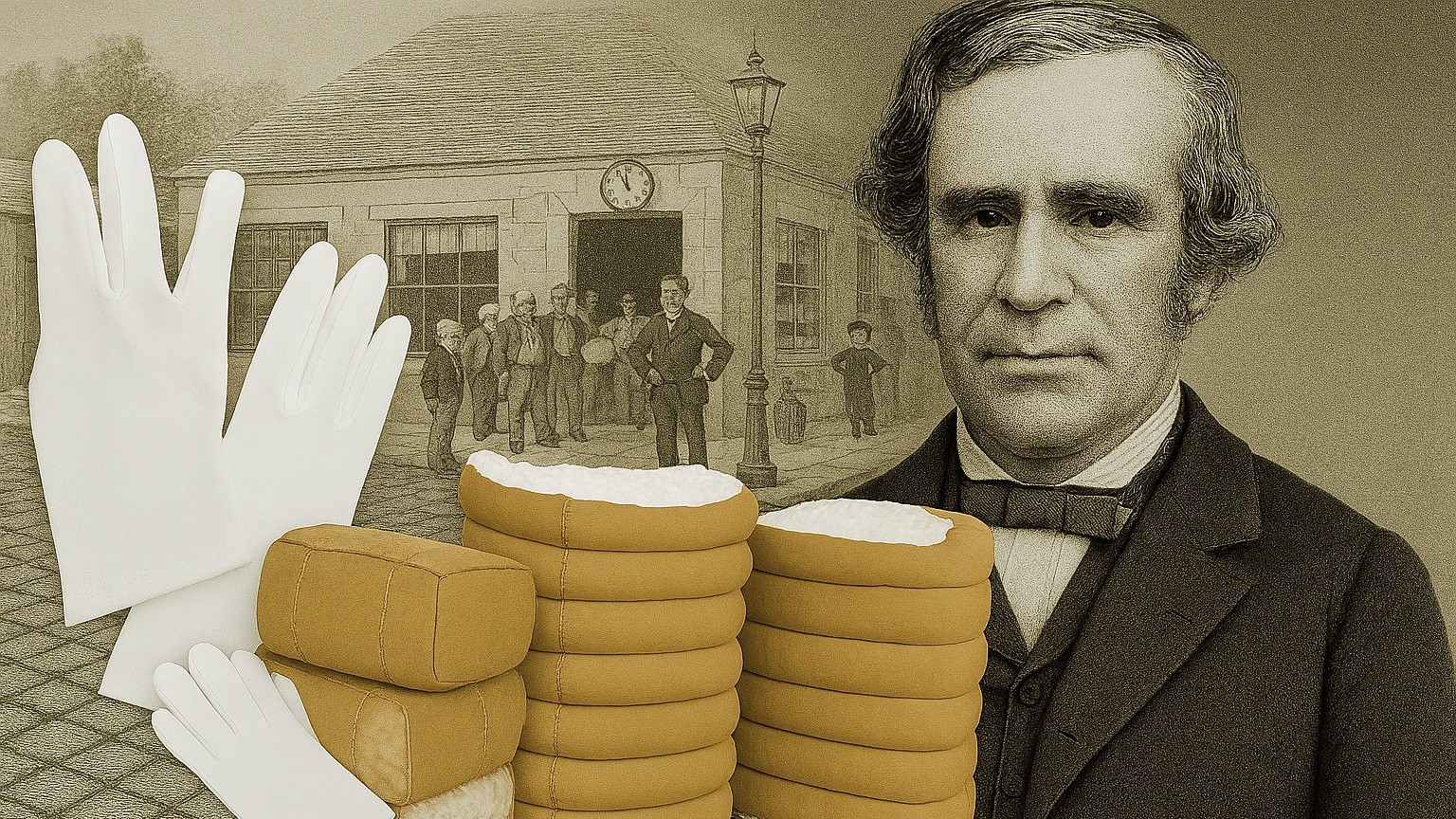
A pair of woman’s gloves on display in Ipswich, Queensland, in 1862 represented an historic Australian first. I told a version of this story on Ipswich’s West Bremer Radio.
In September 1862, a pair of lady’s cotton gloves were on display in the window of a watchmaker in Brisbane Street here in Ipswich. They were the absolute centre of popular interest, and visitors from all over vigorously discussed the virtues of the gloves.
The shop they were displayed in was on the corner of Brisbane and Nicholas streets and belonged to Mr. Thomas Given who was a jeweller and watchmaker. His original designs were considered fantastic colonial examples including creative jewellery and handsome clock cases made right here in Ipswich.
He was born in County Derry, Ireland or Northern Ireland today, in 1828. Given’s father was a well-known architect, he came to the colonies in 1854, and two years later started his Ipswich business.
In February 1863, Given would erect the very first public clock in Ipswich, above his shop on Nicholas and Brisbane streets which was probably the most prominent position in town. This was before the town hall or post office or any of those clock towers that you see today. In April his shop burnt down, so Given re-erected the de facto town clock, this time with a powerful kerosene lamp which lit up the clock face, so that even on the darkest night it could be seen at great distance. This was before electricity, so Given’s town clock was really significant for Ipswich.
Given later ran businesses in Toowoomba, Dalby, Brisbane, and Townsville. In 1889 he was severely injured when thrown from a horse, he never fully recovered, and died at Southport the following year although was brought back to Ipswich to be buried.
Given remains really significant in Ipswich history for providing the first town clock, but before that he was displaying those ladies cotton gloves. You see, they were remarkable because the texture of the fabric of the gloves was much more like silk than cotton, and the cotton was grown locally in Ipswich.
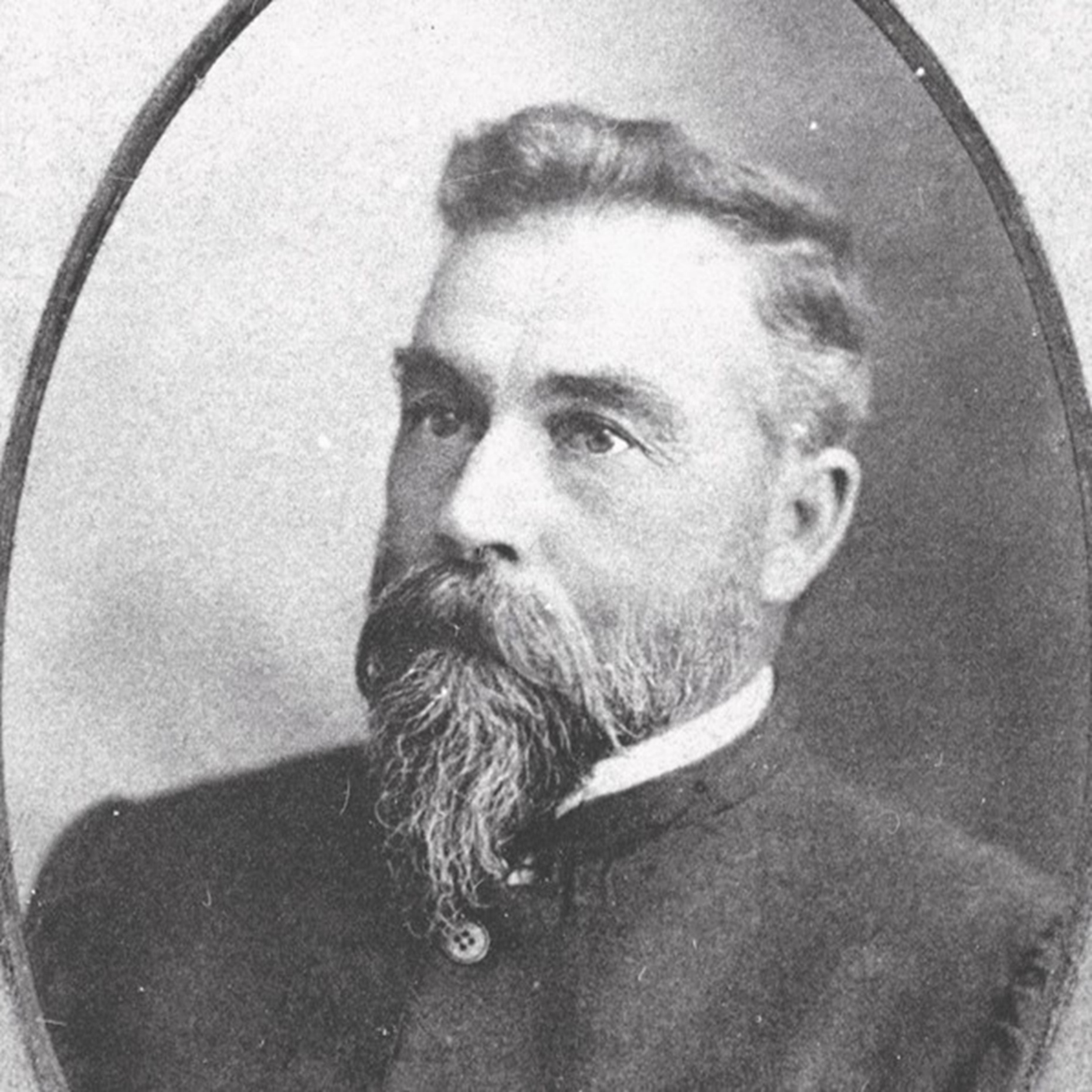
The first person to grow cotton in Ipswich was Mr. Richard Watson in the 1840s when he had cotton growing on his property at West Ipswich as a curiosity. One of Watson’s sons was Samuel Watson wo was later called the “Grand Old Man of Ipswich”, another son was Richard Watson Jnr who became the mayor of Ipswich, and a son-in-law Captain Roddy McLeod also became mayor.
But those cotton gloves represented even more for Ipswich. The gloves were manufactured from cotton grown on the plantation of The Honorable John Panton.
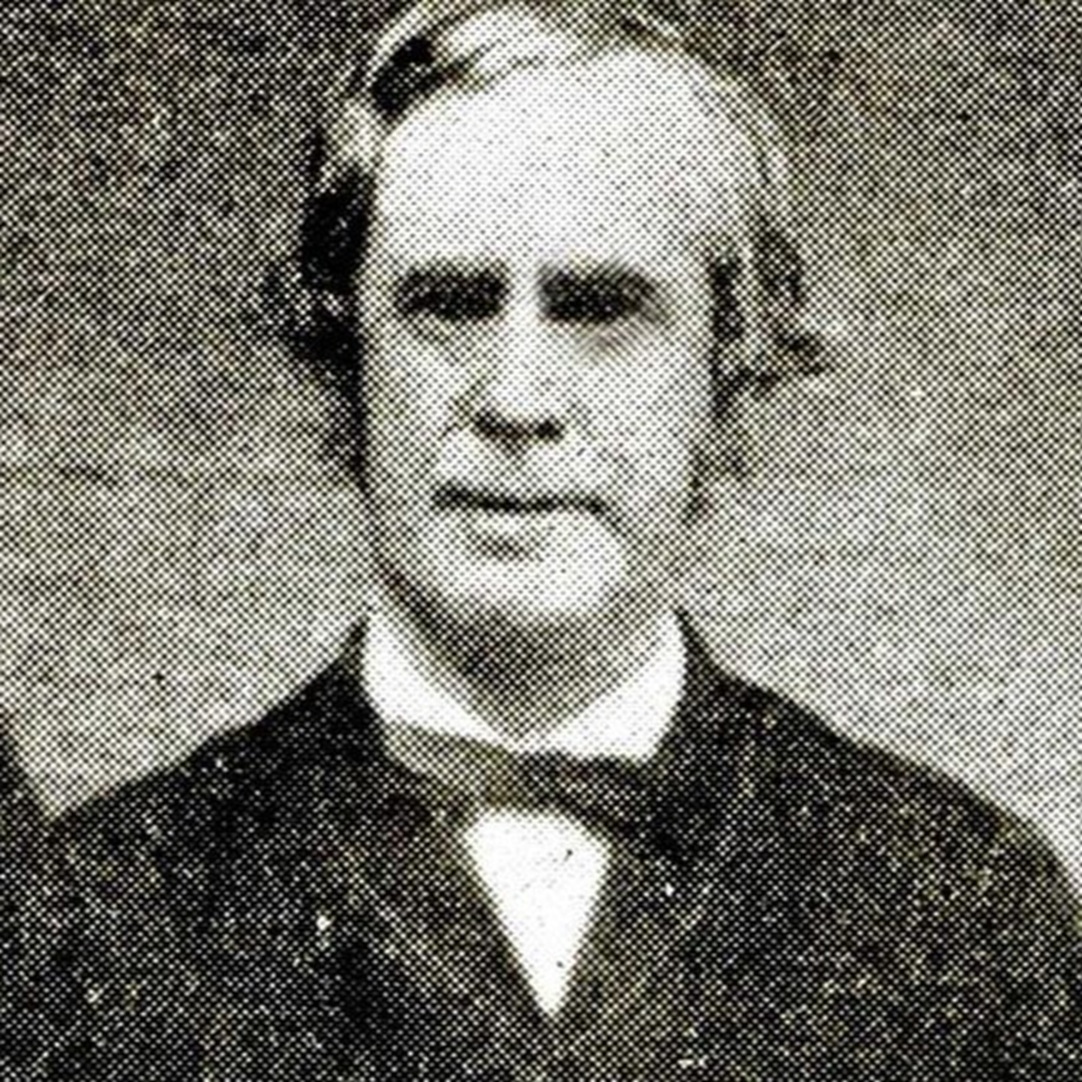
Panton was born in Scotland in 1815 and arrived in Australia when just a lad. His father was the postmaster-general of New South Wales. Panton himself was a member of the Legislative Councils of both New South Wales and Queensland. He was a police magistrate in both Sydney and Ipswich. He started his business Panton and Co. in Brisbane Street in Ipswich in 1852, he did well mining gold from the Taroom Diggings on the Western Downs, and was a strong advocate for Queensland’s separation from New South Wales.
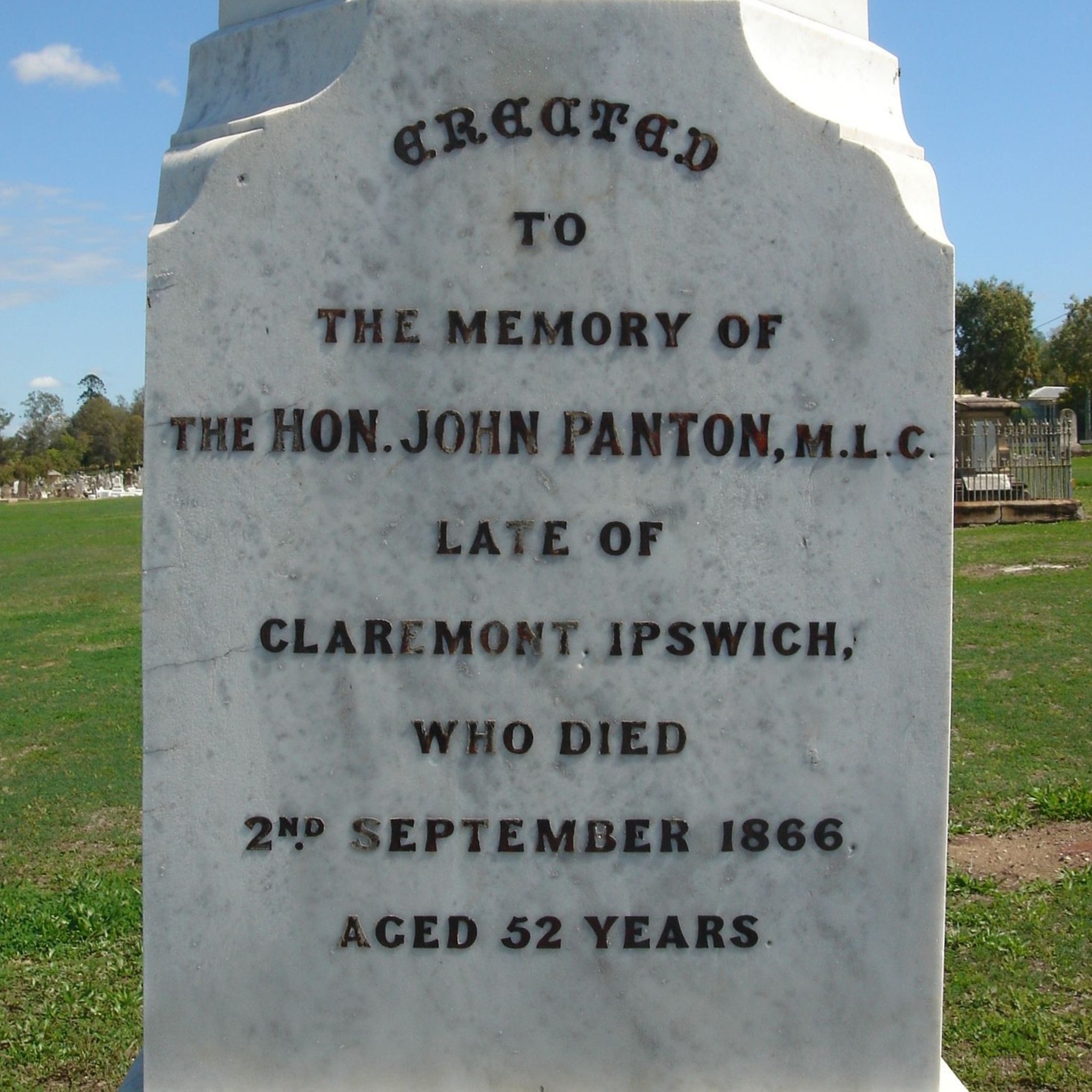
Panton was a pioneer of the cotton industry and in 1862 from his Woodend plantation he sent away to London four bales of cotton. This was the first cotton export in Australian history. Today Australia exports over $3 billion worth of cotton every year, which makes it the sixth biggest cotton exporter in the world.
Australia owes that wealth to Ipswich – specifically John Panton’s first ever cotton export, and those ladies gloves displayed by Thomas Given who gave Ipswich its first ever town clock.
CLICK HERE TO LISTEN TO A VERSION OF THIS STORY TOLD ON WEST BREMER RADIO.
Photo credits:
Representation of the Thomas Given and John Panton story – Copilot image.
Roderick McLeod, Mayor, 1898, Ipswich – Picture Ipswich.
John Panton – Courier-Mail 2016.
John Panton Ipswich Cemetery memorial – Brett Williams 2017 via Find a Grave website.
 History Out There
[…] They were made from the local cotton crop sent in four bales to London, England. This was the first …. Today Australia exports over $3 billion worth of cotton every year, which makes it the sixth biggest cotton exporter in the world with major growers on the Darling Downs. It all began with those lady’s gloves in Thomas Given’s jewellery shop window. […]
LikeLike