
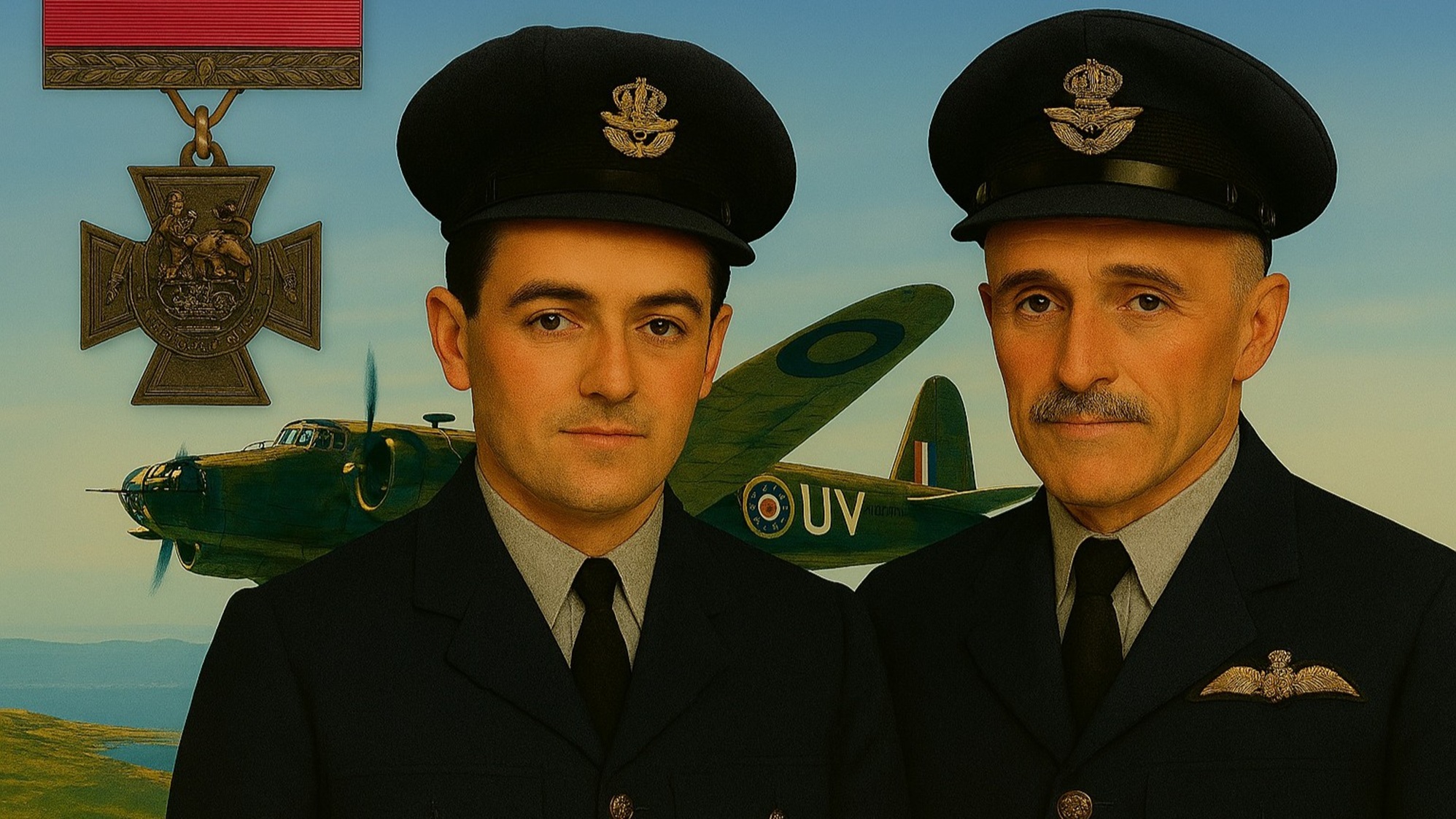
Last week I was in South Yarra, Melbourne, searching for a Toowoomba war hero, and I found him. I told a version of this story live on Darling Downs radio 4AK.
South Yarra is an affluent suburb in Melbourne with some beautiful 19th and early 20th century architecture. I went looking for an art deco apartment block which was called Wembley Court, on Toorak Road in South Yarra. It sold for around for £11,000 or $5 million dollars back in 1939, and that’s around when Wing-Commander Geoff Nicoll of the Royal Australian Air Force lived there.
In 1943, Nicoll was the commanding officer of a torpedo squadron of Beaufort Bombers of No. 8 Squadron in the RAAF. It was tasked with attacking Japanese forces in New Britain in support of American Marines that were sweeping across Japanese-held islands.
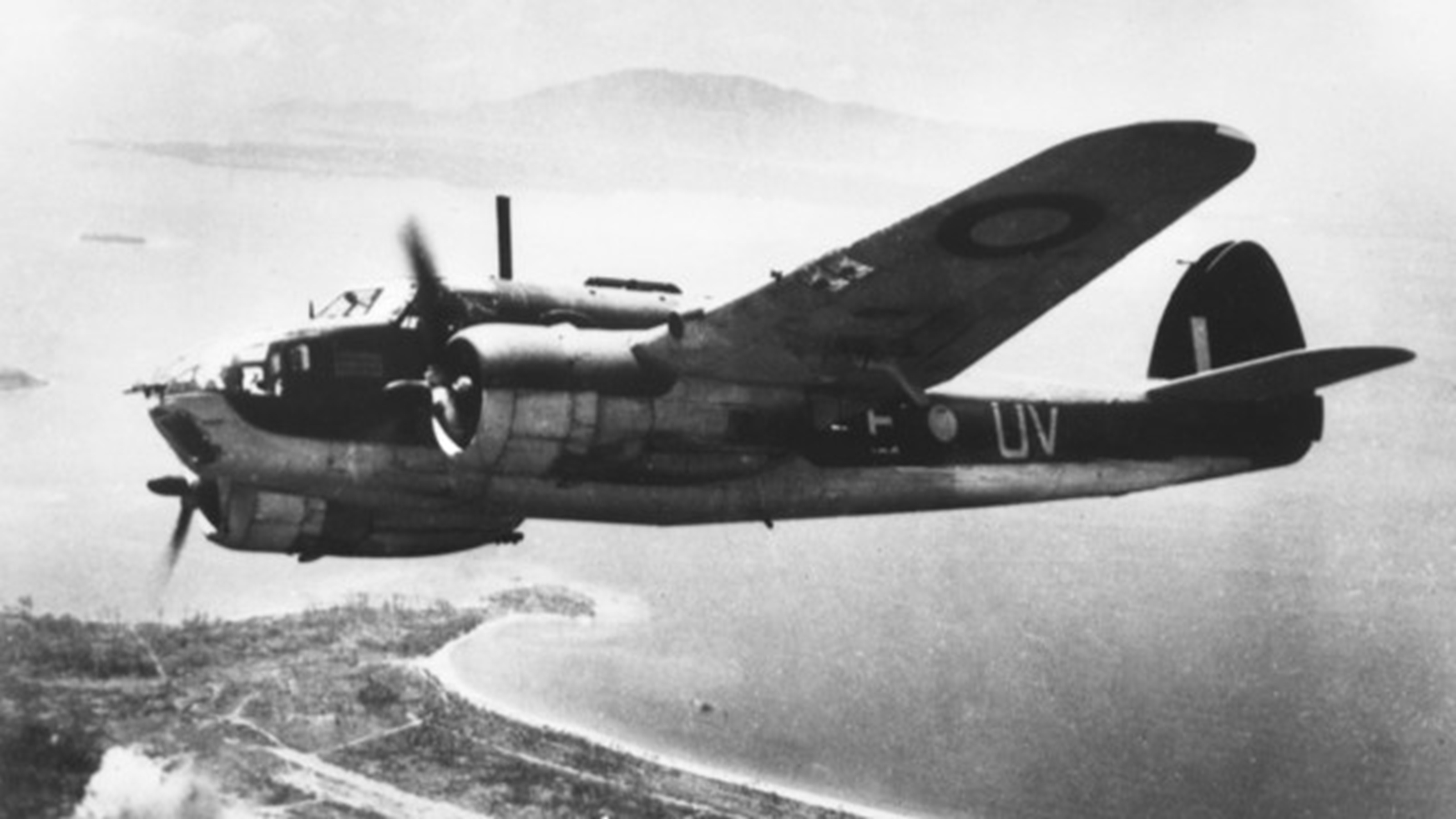
One night in November 1943, as the marines pushed towards the main Japanese base at Rabaul, an attack was made by Nicoll’s squadron in the light of a half-moon. Nicoll flew his bomber over the hills north-west of Rabaul at tree-top height. He skimmed in over the harbour at an altitude of about twenty feet, sighted a 7,000-ton tanker and practically dive-bombed it with his torpedo. Then the “ack-ack” opened up on him as he swept over the opposite hills and out to sea.
Nicoll was awarded the Distinguished Flying Cross for this action in which the large merchant ship was damaged, and also a Japanese heavy cruiser set on fire.
I found the location of Wing-Commander Nicoll’s home in South Yarra, it’s between Fawkner Park and St. Kilda Road, but the building’s no longer there. That didn’t matter, because I wasn’t looking for Nicoll, but rather just wanted to get a sense of the Nicoll person who was one of the last to see alive the Toowoomba man who I was really looking for.
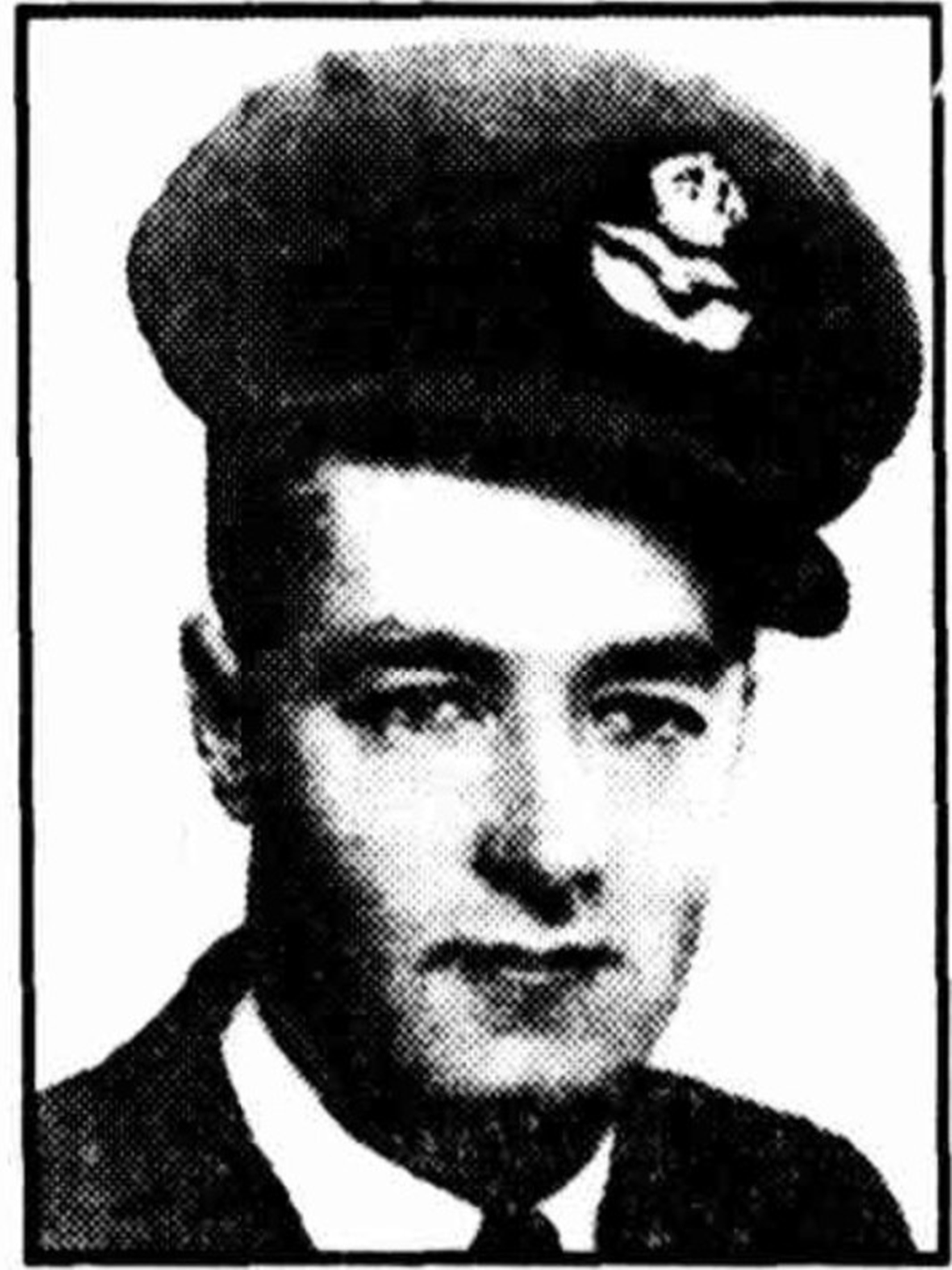
A few nights before, Toowoomba’s Squadron-Leader Owen Price had flown his Beaufort Bomber and successfully torpedoed a Japanese cruiser off the east coast of New Ireland. Price’s father Thomas was a distinguished Toowoomba doctor and had been mayor of Toowoomba, and his mother Hester was founder of the Girl Guides in Toowoomba.
For this mission, Price was ordered to attack a formidable force of Japanese cruisers and destroyers in Simpson’s Harbour on Rabaul. The port was so heavily defended that pilots described any attacks as suicide missions. The position of ships and natural defences of Rabaul meant that only one line of approach was practicable, but Price unhesitatingly chose this, knowing it would take him directly into a dense anti-aircraft barrage.
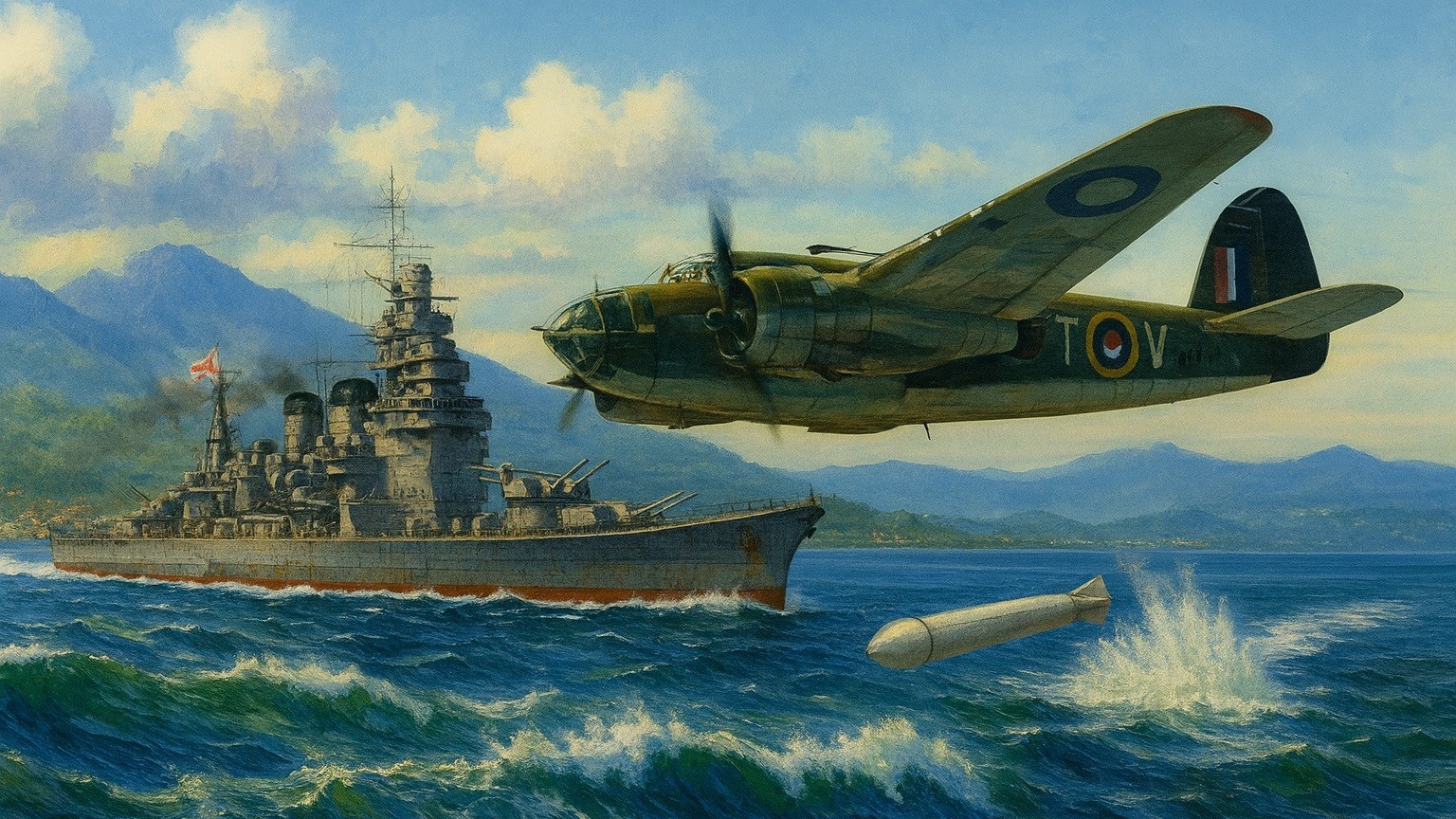
Price made his attack right into intense anti-aircraft fire in the middle of the harbour. His torpedo hit a heavy cruiser but as he was lifting his plane to fly out to the north-east, he was shot down into the water. Price and his crew were never seen again and their bodies never recovered.
Price’s sacrifice was officially described as one of the most courageous acts in the history of the RAAF. It was recognised as being one of the most gallant attacks made by any airman in the Pacific. A fellow squadron leader in the same squadron described the action as the bravest thing he had ever seen. Air Commodore Joe Hewitt said that Price’s attack was one of the most gallant in the annals of the RAAF.
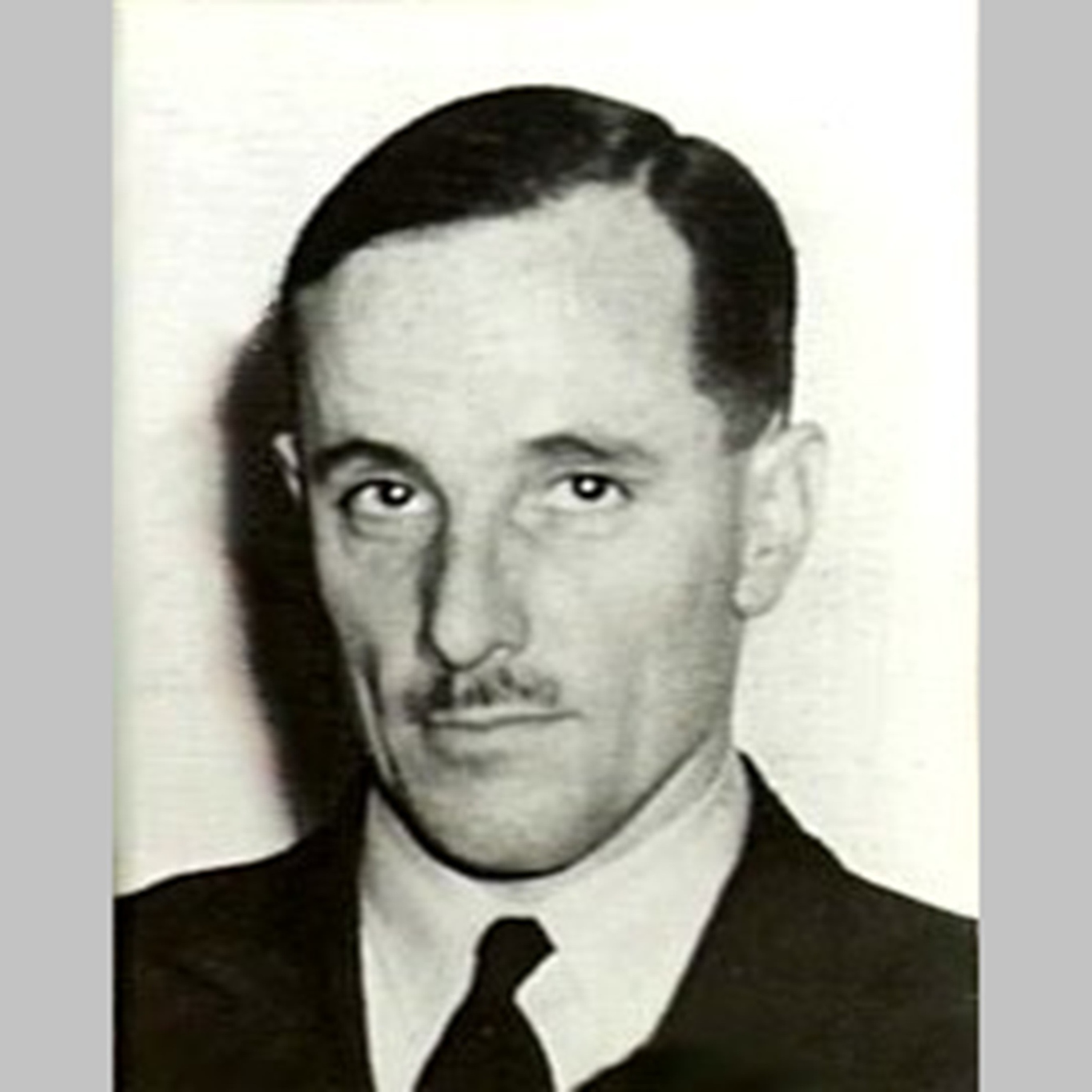
And he should know because Hewitt had been director of Allied Air Intelligence, responsible for all RAAF operations in Papua and New Guinea, promoted to Air Vice-Marshal, and elevated to a Commander of the British Empire with a CBE, all while the RAAF was the fourth largest air force in the world.
Price was recommended for a Victoria Cross at the time by his commanding officer, but instead after the war was awarded the lesser honour of a Mentioned in Dispatches, and that despite two of his wingmen being awarded a Distinguished Flying Cross.
As recently as 1990 a petition was circulated requesting that the VC recommendation be reviewed.
It was alleged that the VC was withheld because the publicity may have embarrassed the RAAF command that they had sent a crew to almost certain death.
And so last week when I was in South Yarra, I went searching for home of the RAAF officer Geoff Nicoll who was one of the last to see Toowoomba’s Owen Price alive, and the man who recommended the VC. I found the location, and then I felt a little closer to the forgotten Toowoomba hero.
CLICK HERE TO LISTEN TO A VERSION OF THIS STORY TOLD ON RADIO 4AK.
Photo credits:
Representation of the story The Victoria Cross that Never Was – Copilot image.
A Beaufort Bomber of No 8 Squadron RAAF over New Guinea 1944 – Australian War Memorial 042999.
Owen Price – Canberra Times, 11th May 1990, page 3.
Representation of the Beaufort Bomber attacking the Heavy Cruiser in Rabaul – Copilot image.
Joseph Eric Hewitt – Australian Dictionary of Biography.
 History Out There