
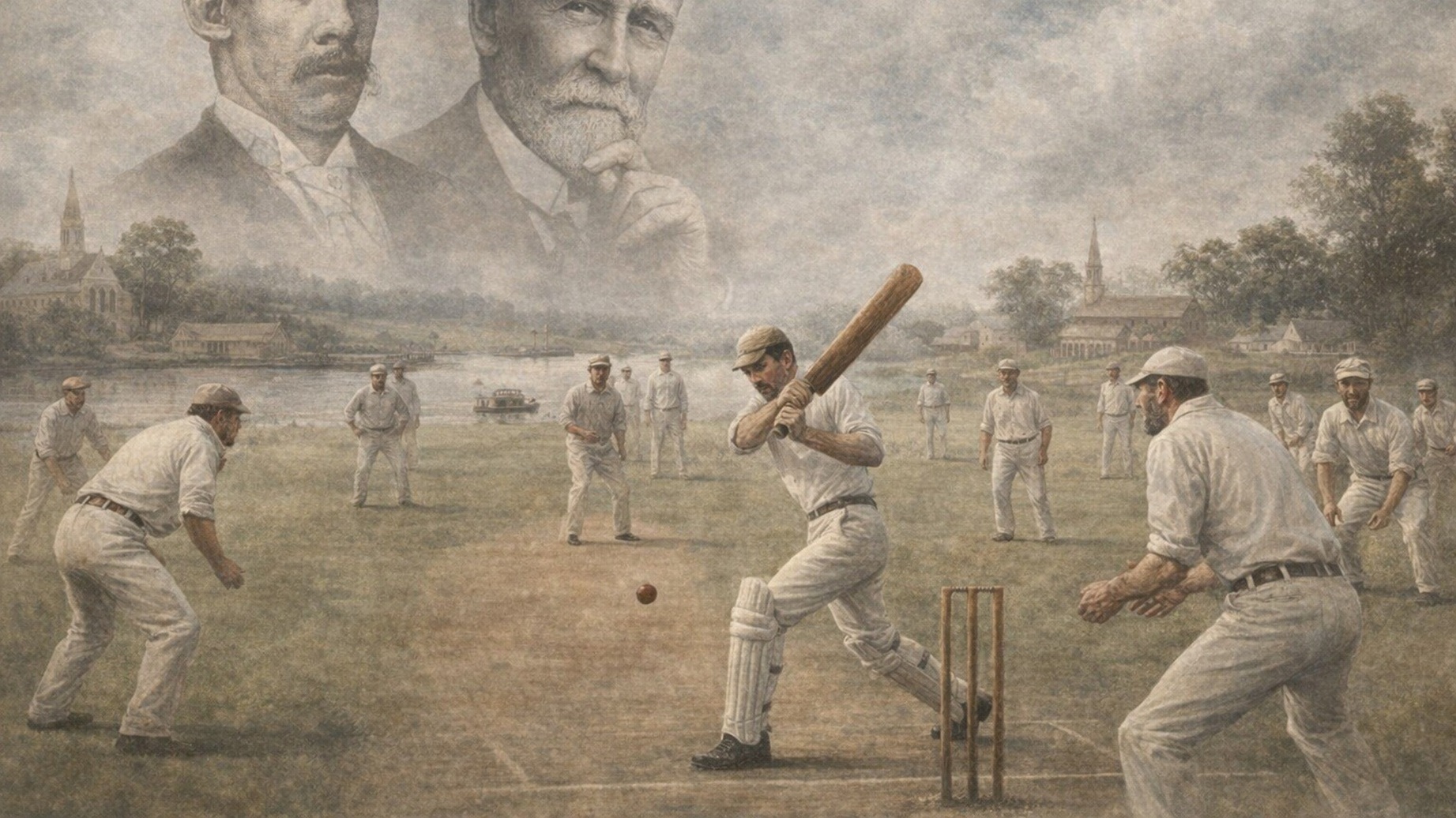
The cricketer arrived in Moreton Bay with the swagger of a man convinced history would remember him as the first man to score 100 runs in the colony. I told a version of this story live on Ipswich’s West Bremer Radio.
His name is John Slack or Jack Slack to his friends. He was born in London in 1829, and came to New South Wales with his family when he was four years old. He grew up in Maitland where he made his name as a cricketer scoring a number of centuries.
Slack migrated to the Moreton Bay colony, now Queensland, back when it was still part of New South Wales. He arrived in Brisbane in 1851, and then onto Ipswich where he became a cabinetmaker and continued to excel at cricket. Slack was said to be a very attractive batsman and smart fieldsman, and when discussing the colony’s top cricketers of the period, he was always mentioned first.
It happened in the early 1860s, back before the railway, the Bremer could only be crossed by ferry, and cricket was played in Ipswich on the site where the railway workshops are now. That was where Jack Slack succeeded in making the first-recorded score of 100 runs in the colony.
Slack was still a top player in 1866 when Ipswich famously bowled Brisbane out for just four runs. The top bowler that day was Joe Meads. Meads a railway navvy and underarm “trundler” who took four wickets for none in just 18 balls. Slack called Meads the best trundler he’d ever seen. Slack played in the return match against Brisbane which was a thriller that ended in a tie.

The Slack family was legendary. All the Slack brothers were great athletes, and a number were considered demons at shearing and butchering. His brother William helped convict a murderer in Ipswich. His nephew Michael became Australasian sculling champion, and today still holds the butchering world record by dressing a bullock in four minutes and fifty seconds. Slacks Creek in Brisbane is named after the family.
The Slack family was legendary. All the Slack brothers were great athletes, and a number were considered demons at shearing and butchering. His brother William helped convict a murderer in Ipswich. His nephew Michael became Australasian sculling champion, and today still holds the butchering world record by dressing a bullock in four minutes and fifty seconds. Slack himself had a red steer with spots under the belly stolen from his property near Goodna by a man who died knowing the location of the lost explorer Leichhardt. Slacks Creek in Brisbane is named after the family.
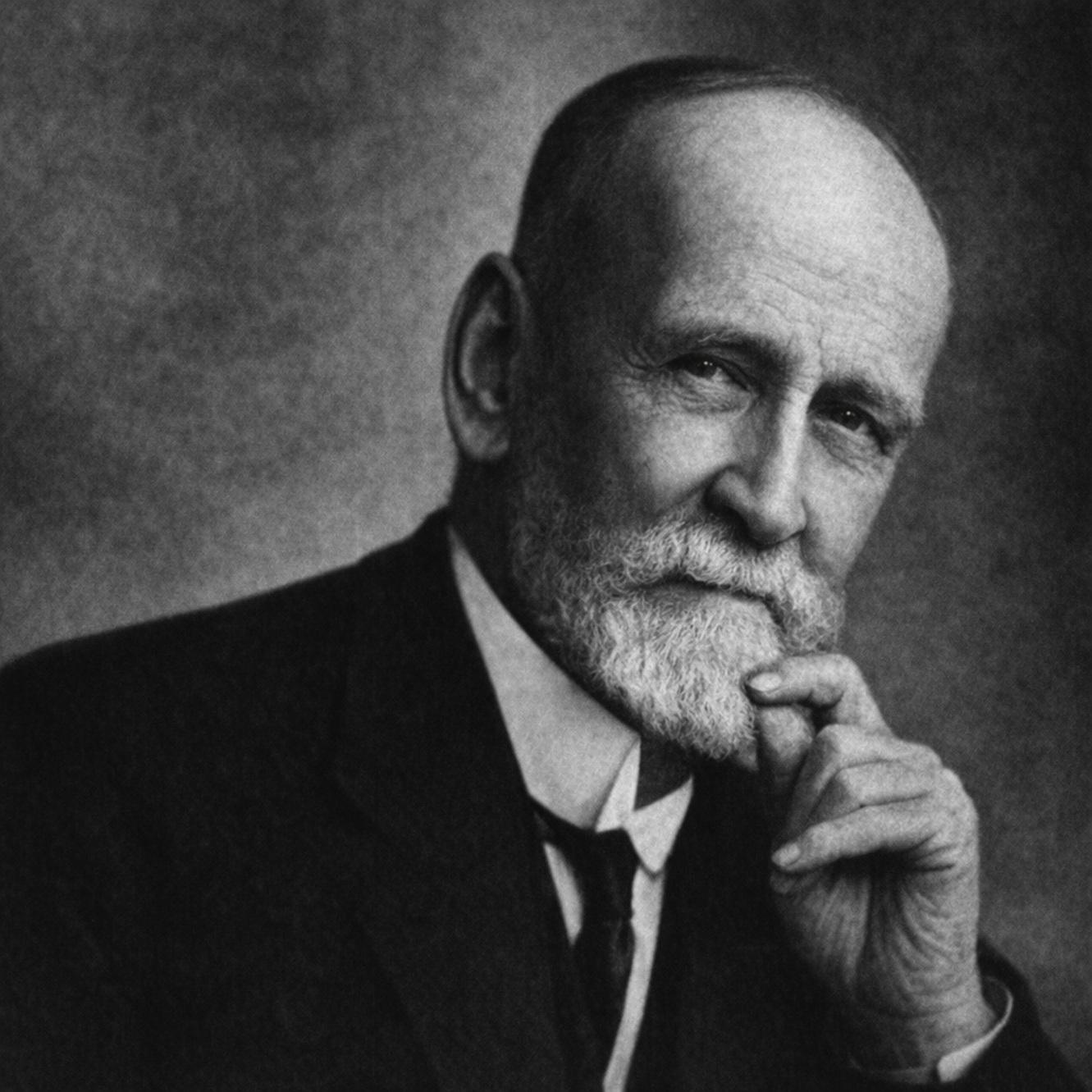
The only problem with Slack’s cricketing claim to fame, is that the only evidence that I can find comes from Jack Slack himself. The first written record appears in 1882 which was a full twenty years after the alleged event. The newspaper articles that mention it all appear to be written under a pseudonym of the journalist Tom Barker. Barker didn’t witness the alleged century, and his articles do suggest some doubt because he notes each time that it was Slack who told him. But he did see Slack play, and reckoned he was good enough to have done it.
Slack as certainly talented because he opened the batting for East Maitland as a sixteen-year-old against West Maitland in 1846, although that day he got out for a pair of ducks. His best total that I’ve found was for Ipswich United against Brisbane’s Victorian Cricket Club when he top-scored with 32 runs. But that’s it, nothing like the centuries he claims, and there’s certainly no contemporary written record that I can find.
Perhaps the real truth about Slack is hinted at in how he saw himself. Back in the 1860s, when he was playing for the Ipswich Union Cricket Club, Slack was reported to be strutting around town declaring that he was a better cricketer than anyone in the arch-rival Albert Club. He’d take on any Albert player, any time.
One Albert player responded. Tom Foden stepped forward and issued a public challenge: a single‑wicket match, with Foden offering Slack £5 to £20, that’s odds of four to one. In today’s money, that’s a serious wager for around thirty thousand dollars.
And Foden wasn’t just talking big. He’d captained Ipswich in that famous match against Brisbane, in which he top‑scored and took four wickets. Foden later represented Queensland in the first intercolonial match against New South Wales. As far as anyone ever knew, Slack never took up the challenge.
Jack Slack passed way in 1903 and is buried in the Ipswich cemetery. Whether he scored the first century in Queensland or not, it doesn’t matter, because it is true that the Slack family gave Ipswich and Australia some of its greatest athletes.
CLICK HERE TO LISTEN TO A VERSION OF THIS STORY TOLD ON WEST BREMER RADIO.
Photo credits:
Collage for the story Jack Slack and the Phantom Hundred – Copilot image.
M.J. Slack champion sculler – Sportsman, Melbourne, 27th May 1896, page 5.
Mr T.J. Barker – Queensland Times, Ipswich, 31st March 1925, page 4 – restored by Copilot.
 History Out There