

In the first half of last century, cleaning carriages and trains was considered a good job for young men to start their railway careers. They were typically seventeen to nineteen years old when they started, and could then work their way up – if they survived. I told a version of this story on West Bremer Radio.
In 1941, nineteen-year-old Ronald McGuire was a cleaner with the railways in North Ipswich, Queensland. For over a decade his father had been the licensee of the Breakfast Creek Hotel in Brisbane. Young Ronald had been the wheelbarrow and sack race champion of Walloon.

But in 1941 while working on the turntable – which turned the trains around – his foot got stuck between the turntable and a rail, and his big toe was crushed. It was so bad that he was rushed to hospital. He was later a train fireman when his train crashed into another one.
Young William Murphy from Bundamba was a walking disaster. He was also cleaning at the turning sheds in 1929 when he slipped and fell, and his right thumb was so badly lacerated that he had to be taken to hospital.
William changed jobs, got married, moved to Ellenborough Street, and went down the coal mines. But that didn’t help, because that same right hand got caught in a wagon, and his middle finger was so badly cut-up that he was again taken to hospital. He was down to three fingers. William moved to Pine Mountain Road in North Ipswich, but the bad luck followed. This time his face as well as his hand was badly injured when a detonator exploded. That was the end of his fingers.
Thomas Welch from Kendal Street in East Ipswich was another carriage cleaner. In 1926 he got a badly gashed eye when a carriage door that he’d opened swung back into his face. He too went to hospital.
The cleaner injuries continued, with the worst being to Thomas England. At the turn of the century, Thomas was one of ten siblings who grew on England Street in East Ipswich . The street was named after his family, and you can go see the street today.
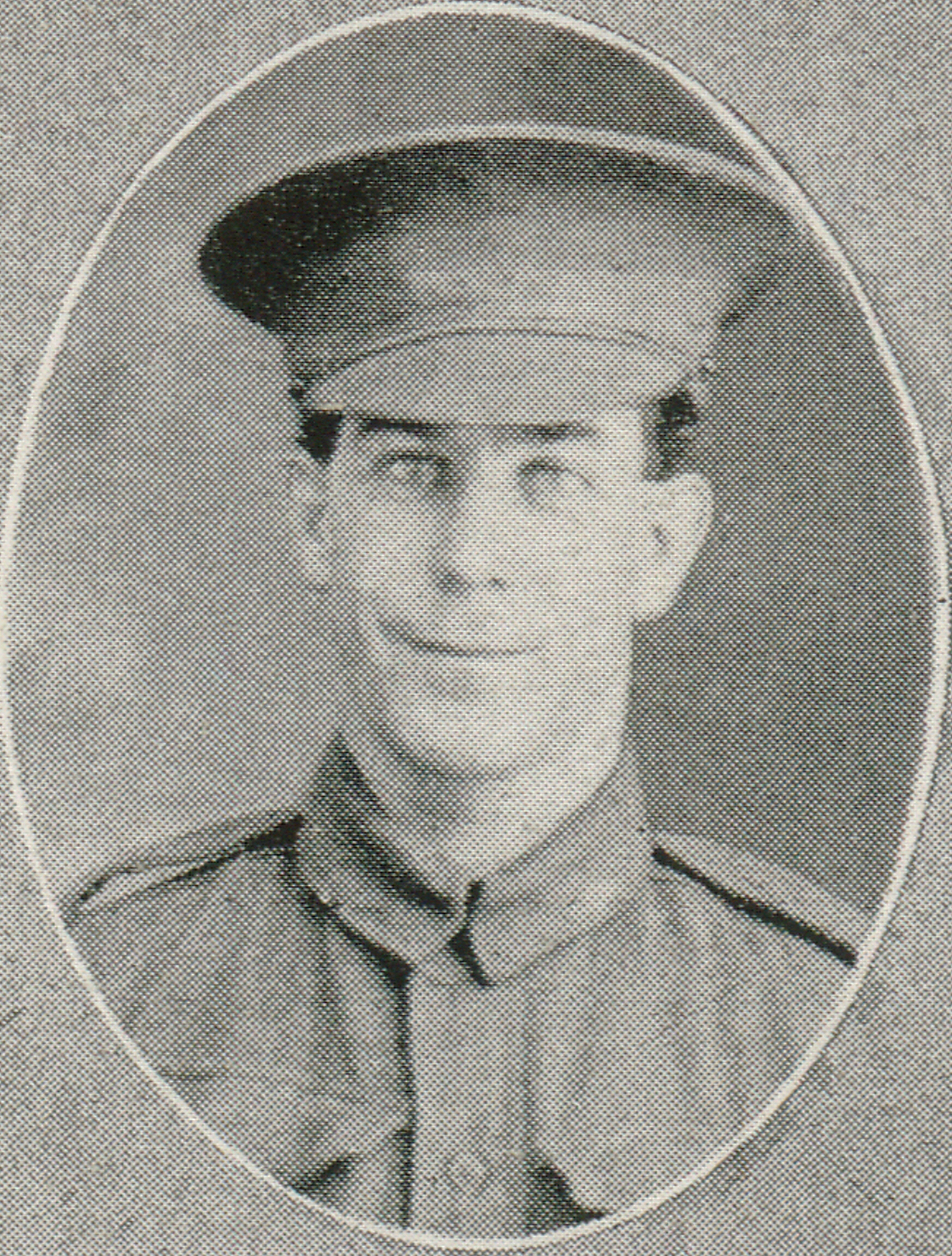
In 1914, Thomas had a bad relationship with alcohol. It was so bad that the courts even banned for twelve months anyone from selling him liquor. The extraordinary step was taken of advertising this ban in the newspaper. On top of that, the First World War had just been declared, and it was probably suggested that Thomas should enlist. He did, after he got married, and he then went away to war. While he was over there he picked up a little case of gonorrhea. It was so bad that he got medically discharged and sent back to Ipswich. Thomas then went to work as a carriage cleaner at the Ipswich railway yards.

At around eight o’clock on the morning of Sunday the 12th of June 1921, Thomas got out of the carriage he was cleaning and sat down on the railway line. A goods train came along and ran over him, killing him on the spot.
The tragedy left a widow and two children, with a third born just five weeks later. Despite his personal faults, it must be remembered that Thomas had responded to the call and served his country but returned to meet an unfortunate death as a cleaner with the railways.
In the first half of last century, a cleaner was not the highest paid job, nor was it the safest.
CLICK HERE TO LISTEN TO A VERSION OF THIS STORY TOLD LIVE ON RADIO.
Photo credits:
From Darling Street station, Ipswich, 1982 – Picture Ipswich.
Ronald McGuire – uploaded to Ancestry by Pete McKee 1921.
T.G. England1915 – The Queenslander, 15th April 1916, page 24.
Thomas George England liquor ban – Queensland Times, Ipswich, 12th September 1914, page 5.
 History Out There