
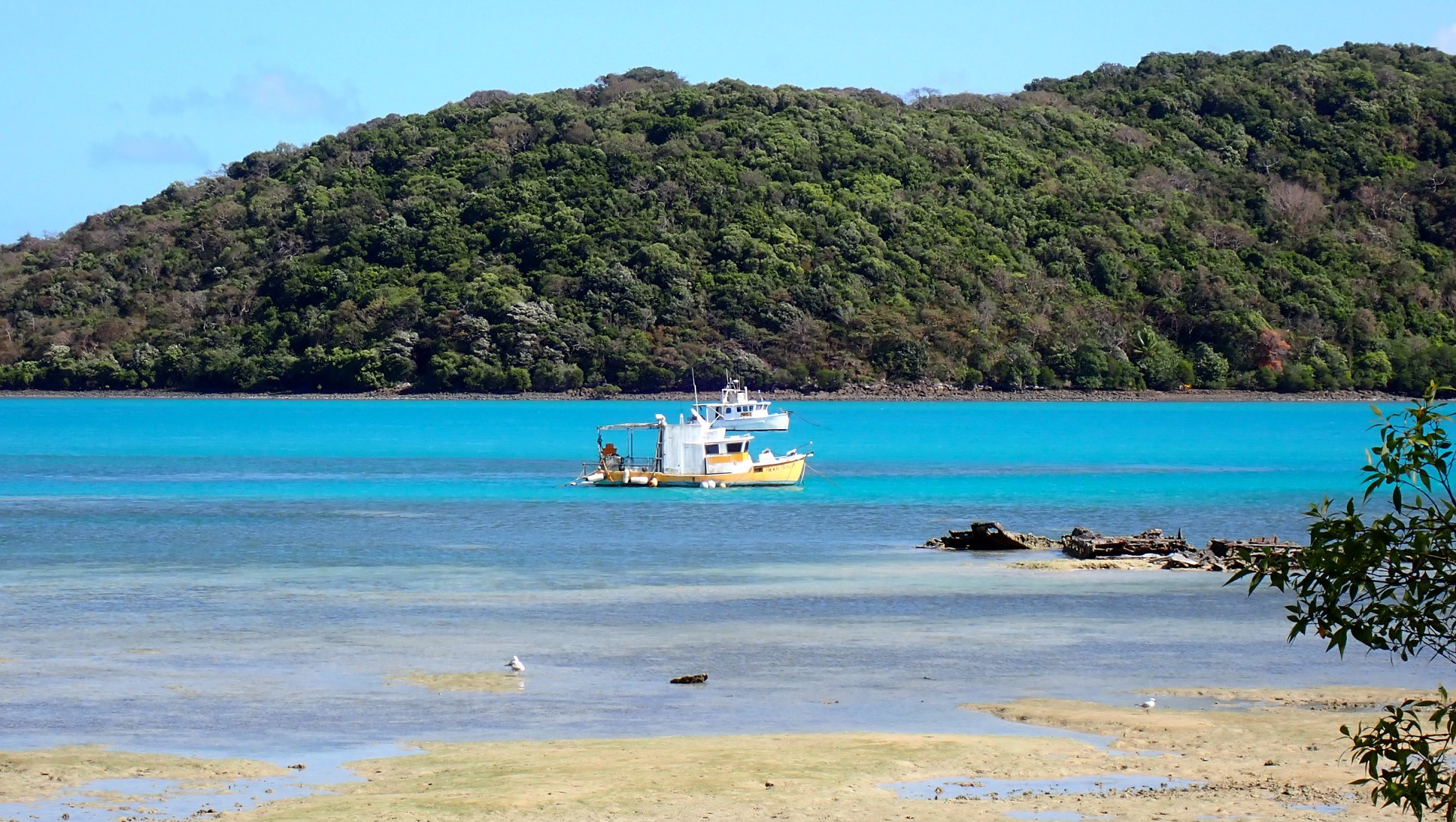
It’s sixty kilometres inland west from the Port of Brisbane, and yet Ipswich has a secret wealth and history inextricably linked to the sea. I told a version of this story on West Bremer Radio.
There’s more to Ipswich history than trains and coal which are sometimes thought of as the entireity of its history. It may be surprising to some that Ipswich’s historical wealth is also closely linked to the pearling industry. I’ve just come back from the Torres Strait raising money for charity, and I can confirm that the richest pearl-diving back in the day was up there in the Torres Strait in far north Queensland south of New Guinea.
In the pearling rush of the nineteenth century, treasure hunters came from around the world, but mostly from Japan. Today there are over seven hundred Japanese graves up on Thursday Island alone, which is the main administrative centre of the Torres Strait. That’s a particularly remarkable figure because Thursday Island is such a tiny place, it’s only ten kilometres to walk around. Those seeking their fortune also came from Ipswich. There was fabulous wealth to be made there.

In 1869 a ship’s captain, who was fishing for sea cucumbers, saw islanders wearing mother-of-pearl ornaments. He took some of the shell back to Sydney where he received strong advice to forget about fishing for sea cucumbers and return for pearl shell. He did and loaded up seventy-five tonnes of shell and took it back to Sydney where got £3,750 for his load. That’s an amazing almost $5 million in today’s money.
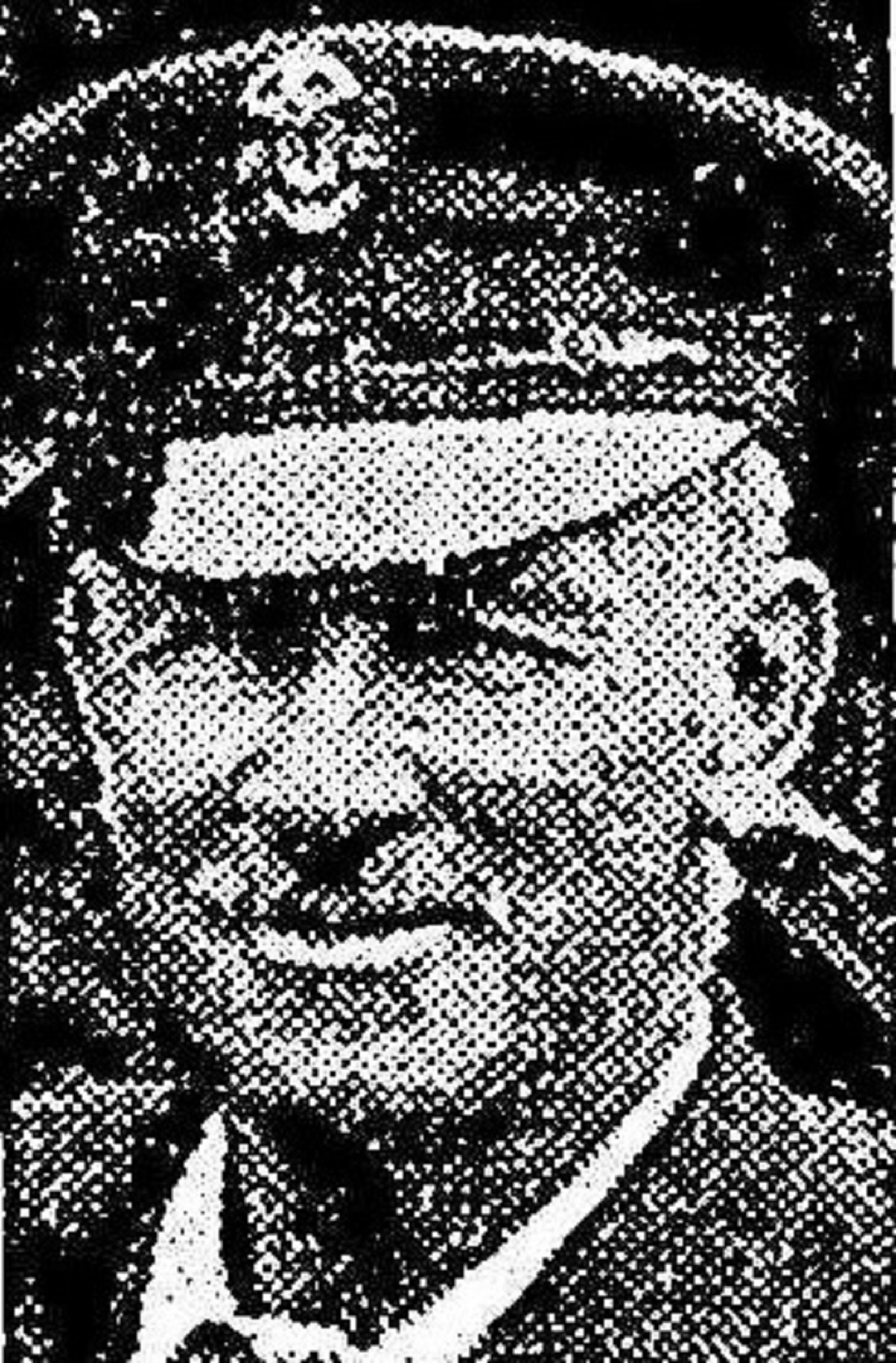
One of the leading pearlers in the late nineteenth century was Percy Outridge. He first went up to Thursday Island from Brisbane as an eighteen-year-old and eventually joined the firm of James Clark and Co to be a resident partner in the pearling fleet. After obtaining his master’s sailing certificate, he took over as a ship’s captain to control of the whole of the pearling fleet of the company.
His business partner was Jim Clark who was better known as the “Pearl King”. Clark was the grandfather of Thomas Welsby Clark, his maternal family being Ipswich’s famous Welsby family. Recently in 2021, Thomas Welsby Clark was identified as being the only body recovered from the HMAS Sydney which sunk in the Second World War. For eighty years his remains were the Unknown Sailor but DNA cleared that up – and I broke the news of his Ipswich and pearling family connection. Young Clark’s estate was valued at £41,000 thirteen years after his death, which is almost $4 million today. That was just a hint of the pearling wealth that was splashed on Ipswich.
In 1895, Outridge came down from Thursday Island to Ipswich to marry Miss Esther Evelyn Foote. She was the youngest daughter of Joseph Foote who later was one of the last of the original Footes of Ipswich’s well-known Cribb and Foote department store.
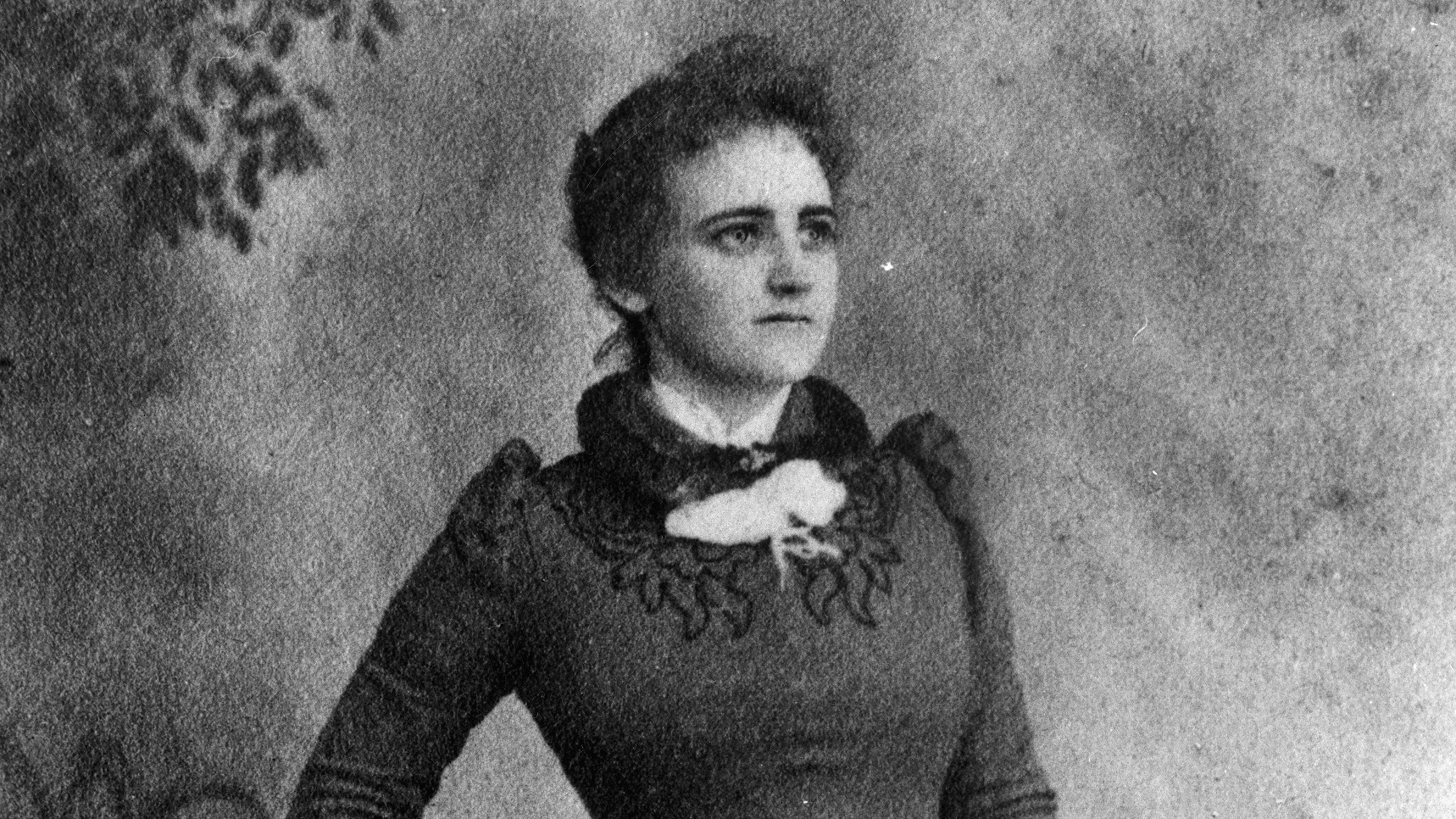
All their children were born in Ipswich and attended Ipswich Grammar School. Outridge’s wife Esther Foote is probably the ghost that haunts the Hamilton and Alexandra College in the western district of Victoria.
One of their sons Leslie Outridge was the last to fire the gun before a fatal shooting at the Ipswich Central State School in 1912.
In 1897, when Ipswich’s Percy Outridge was one of the biggest pearlers around, the pearling industry in the Torres Strait alone was generating £127,000 per year which is a fabulous $126 million annually in today’s money.
Not only did some of that money flow to Ipswich, but so too did the pearls. Pearls and lace became the winning combination in all fashionable weddings. And it seems that every Foote family wedding featured a generous number of the things.
There was the Fox-Foote wedding in 1899, Foote-Stephens in 1911, Foote-Scott-Fletcher in 1923, Foote-Hooper in 1939, and Foote-Punchard in 1950. These are just some of the Foote weddings, but they all strongly featured the fashionable and expensive pearls.
One particularly notable one was the Foote-Worley wedding in 1901. That’s when the groom Edgar Foote lavished pearls on virtually everyone. Of course that included the bride who received her pearl, pendant, bangle, and brooch. Thre were also the bridesmaids also got pearl bangles, and even the flower girls were given pearl brooches.
The pearls didn’t do the groom any good on this occasion though, because he was later run over by a train and killed.
There are more to cities like Ipswich than just their traditional histories like trains and coal. In this case there’s also the pearling industry that is a secret deeply embedded in historical fabric – and the wedding dresses – of the town.
CLICK HERE TO LISTEN TO A VERSION OF THIS STORY LIVE ON RADIO.
Photo credits:
Fishing boats, Thursday Island, Torres Strait – Harold Peacock 2023 P8150734.
Historic Japanese graves on Thursday Island – Harold Peacock 2023 P8150715.
Percival Outridge – Courier-Mail, Brisbane, 28th July 1938, page 3.
Esther Evelyn Outridge nee Foote – State Library of Queensland.
 History Out There
[…] the way over, they marvelled at the sixty pearling luggers that were anchored in Thursday Island harbour in the Torres Strait. When they got to Darwin, they wanted to go buffalo shooting, but it was too soon after the rainy […]
LikeLike
[…] One grandfather was the “Pearl King” Jim Clark. That meant when Tom was just twenty-one years old and lost his life, his personal estate was valued at £42,000 which is almost $4 million today. He was perhaps the richest acting able seaman in history. […]
LikeLike
[…] But Barlow had other secrets as well. In 1873 he had married Eleanor Outridge and so joined a notable and ghostly family. His brother-in-law was Percy Outridge who was Australia’s leading pearler and one of richest men in Queensland. […]
LikeLike