
An accountant invented a Bastille Day tradition that has lasted over a century. He now lays claim to being the greatest accountant in history. I told a version of this story on West Bremer Radio.
Bastille Day is the national day of France that commemorates a major event of the French Revolution from 1789. That French history arrived in Ipswich, Queensland, in 1917 when the commemoration of Bastille Day was combined with Australia’s Wattle Day.
Wattle Day is the 1st of September marking the first day of spring, but it was very different back then. A national Wattle Day was first officially spoken about in 1909 at a meeting of the Royal Society in Sydney.
The first Wattle Day was celebrated in 1910 following the establishment of the Wattle Day League Council to celebrate “Wattle Day” each year. Branches of the league quickly sprung up in other states.
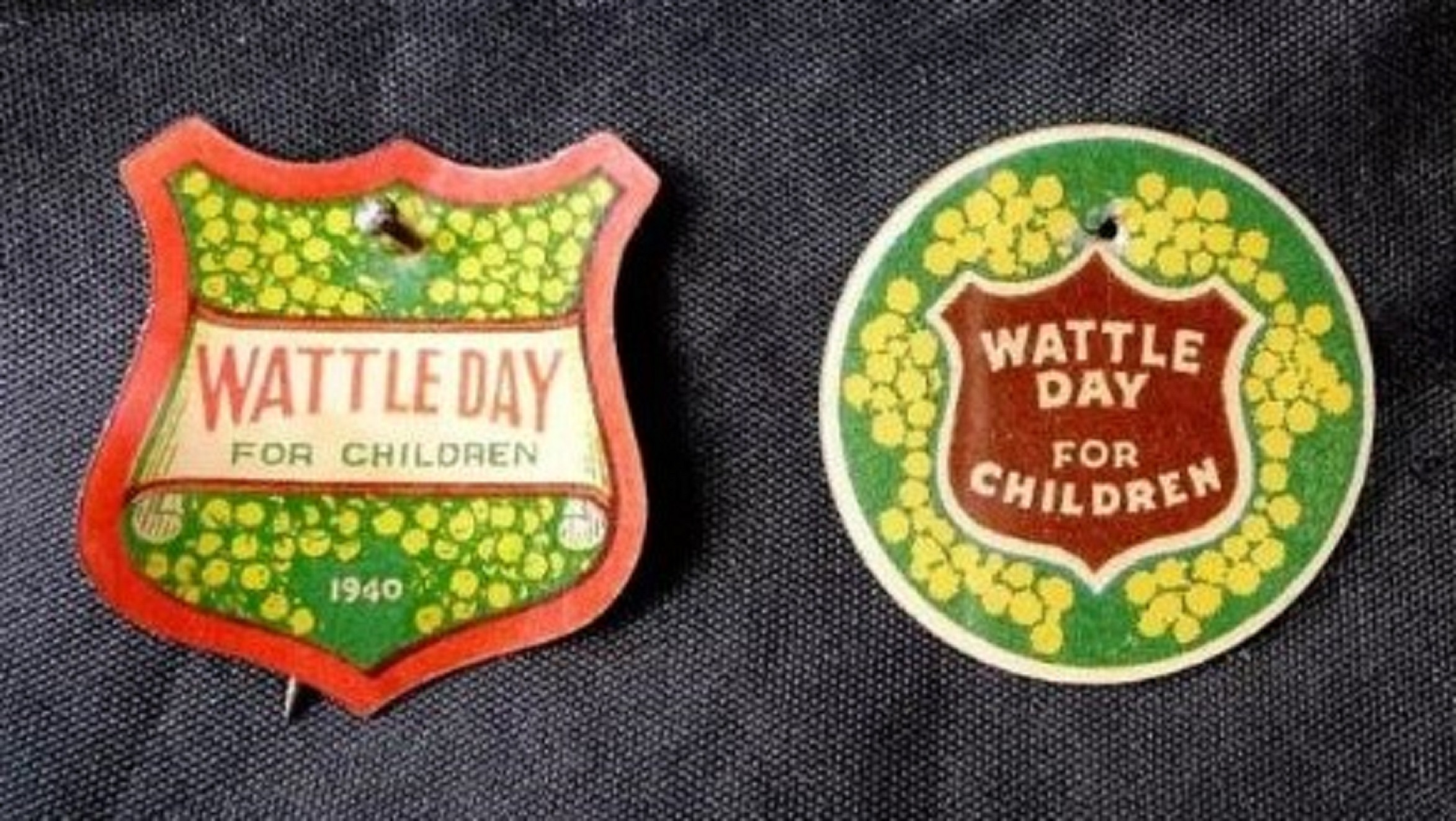
In 1915, following the outbreak of the First World War, Wattle Day was in July and was used to collect money for patriotic and charitable appeals like for Wounded Soldiers and the Red Cross.
In 1917, in Ipswich as France was devastated by the war on the western front, street collections for Wattle Day were combined with collections in support of the French.
And so on Bastille Day the 14th of July 1917, around thirty or forty lavishly decorated motor cars lined up in Limestone Street in Ipswich, and slowly wound their way down Limestone Hill, attracting one of the biggest crowds seen in Ipswich for years.
One of the best floats was by the Fire Brigade, their engine being transformed into what was described as “a thing of beauty.”
Most impressive of all was Mr. Frank Sumner’s motorbike and side car which he made up to be a fair-sized boat. The judges of the event thought it was good enough to have won the car section. Sumner was the manager of the Ipswich Gas Works and became the gas price referee for Queensland. Ironically given Sumner’s boat entry in the parade, he later died while he was on a boat.
The procession finished in a storm of flowers and confetti, the newspapers reported “into which the combatants entered with almost as much ferociousness as the Anzacs on the western front.” Ipswich’s effort on behalf of suffering France was a great success.
But let’s get to the historical part.
This was the only Bastille Day parade and the first ever motor-car parade in Ipswich history.
It was the idea of Mr. Albion Hayne. Hayne was the Ipswich town clerk and considered an expert accountant. His mother helped make the coronation dress worn by Queen Victoria, and his father-in-law was John Macfarlane the Ipswich mayor.
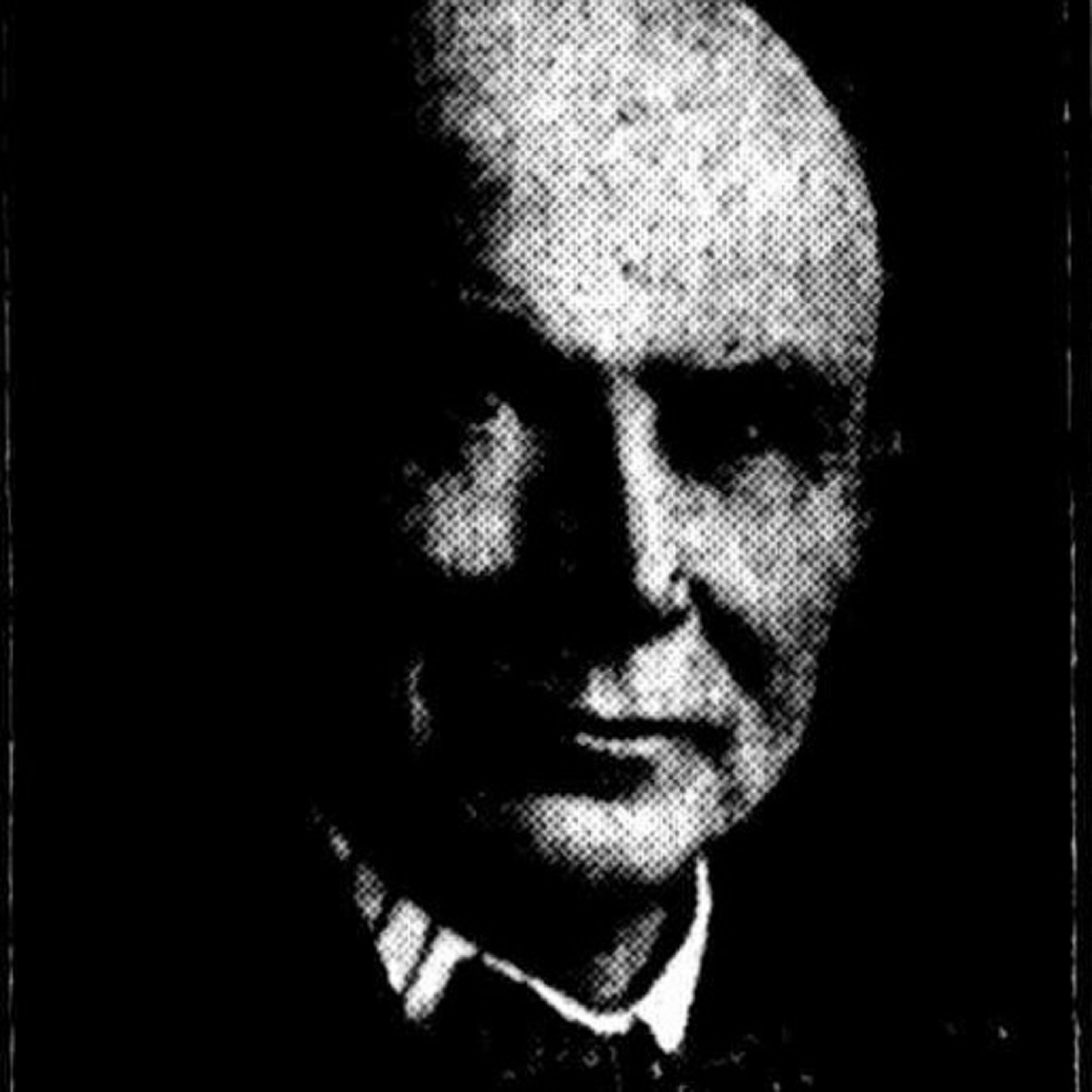
Hayne would serve as Ipswich town clerk for thirty-four years, conduct Ipswich’s Central Congregational Church choir, and as treasurer of the local wartime patriotic fund directly help raise £40,000 (more than $23 million today) for the support of soldiers and their families.
On this occasion, Hayne suggested that the owners of motor cars in the city be approached to provide the procession. He wanted to attract a crowd and boost the collections to support Wattle Day and France.
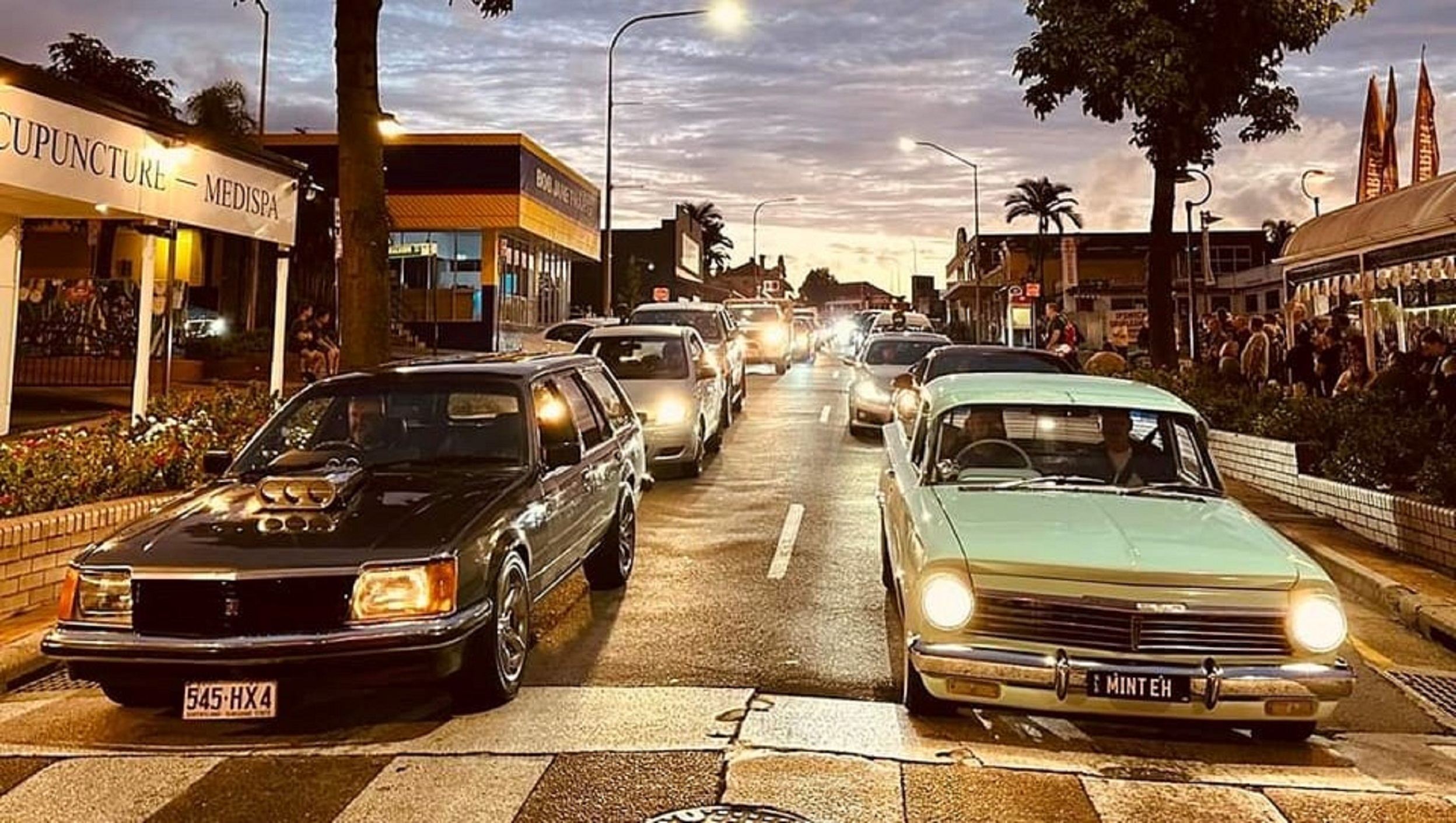
The huge success of the event ensured that it would be repeated. And repeated it was, which is why today Ipswich is famous for its Car Laps (pictured top of page) by classic and muscle cars through the city streets.
And to think, the Ipswich Laps tradition was first inspired by an accountant whose mother made Queen Victoria’s dress, and it was all thanks to Bastille Day.
CLICK HERE TO LISTEN TO A VERSION OF THIS STORY TOLD ON WEST BREMER RADIO.
Photo credits:
Ipswich Lapz – Facebook by David Hill.
Old Victorian appeal badges for Wattle Day – Amazon.
Albion Hayne – Telegraph, Brisbane, 24th October 1927, page 9.
 History Out There
[…] ⭐️⚡️ Harold “The H, ark,ark,ark” Peacock on Bastille Day and Its Impact on Ipswich Traditions […]
LikeLike
[…] the noise of gurgling in the boy’s throat. He died just moments later. Francis’s uncle was Albion Hayne the accountant who invented the first ever car laps in Ipswich history, and his grandfather was John Macfarlane the Ipswich […]
LikeLike