
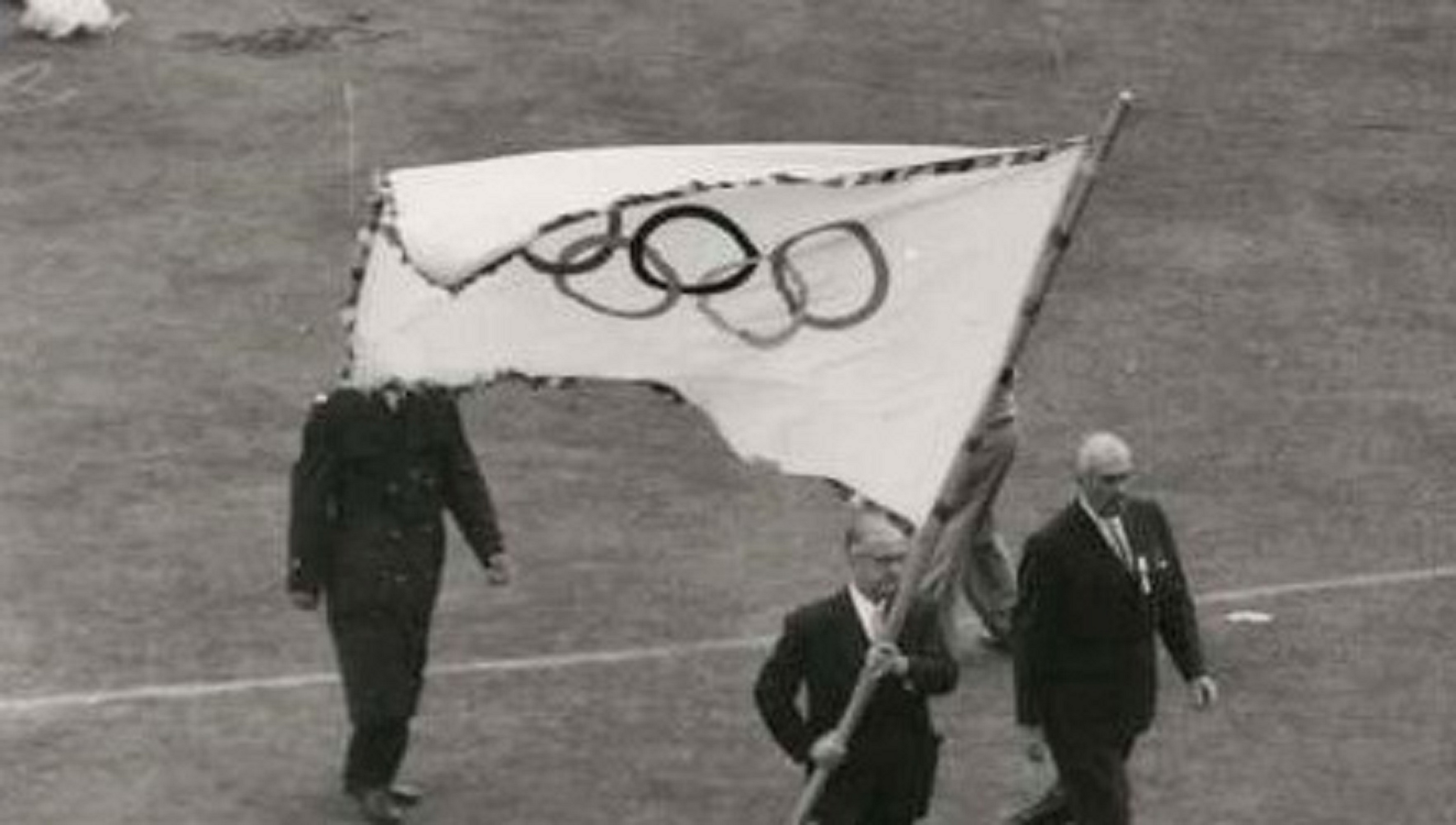
Edwin Flack was Australia’s first Olympian in 1896 but it could easily have been someone else. I told a version of this story on West Bremer Radio.
Arthur Graham Butler was an outstanding athlete and student who went to Ipswich Grammar School in Queensland. Leading up to those first modern Olympics, Butler was studying medicine at Cambridge University and was considered to be the best runner in Britain.
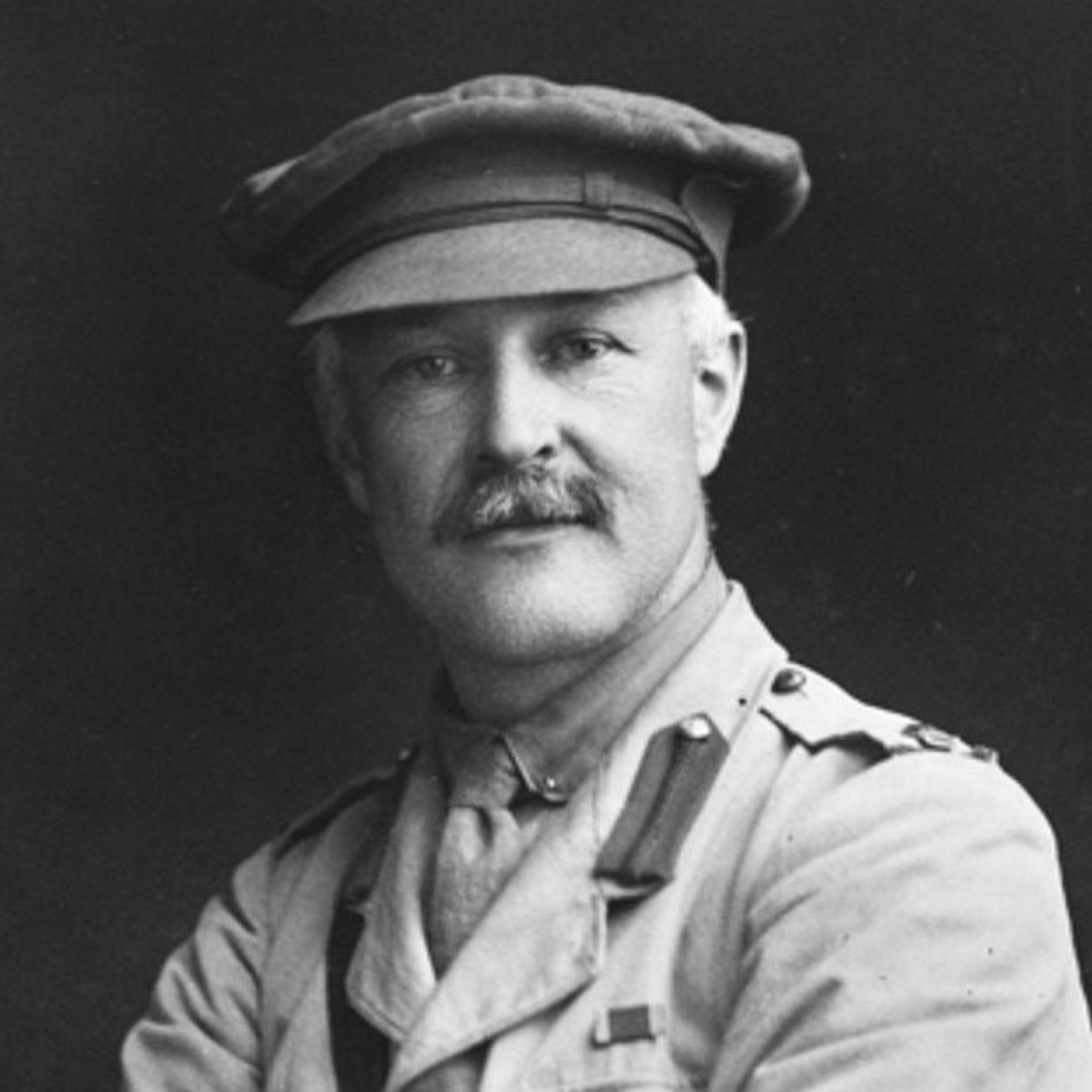
Butler was running sub-two-minute half miles, and just months before the Olympics he beat Flack in a race at Roehampton in England. Butler’s times were better than those that would be run by Flack to win in Athens by some magnitude.
But while Flack went to those first modern Olympics, Ipswich’s Arthur Butler chose to focus on his studies. After finishing at Cambridge, Butler went home and set up a private medical practices in Kilcoy, Gladstone and then Brisbane.
Come the First World War, he was the only medical officer at Gallipoli in 1915 to be awarded the Distinguished Service Order, which is second only to the Victoria Cross.
So while Ipswich’s Arthur Butler missed out on Olympic glory, he became a hero in the true sense of the word.
Then there’s the story about Jack King. He was a champion Brisbane cyclist who competed in two events at the 1920 Antwerp Olympics in Belgium.
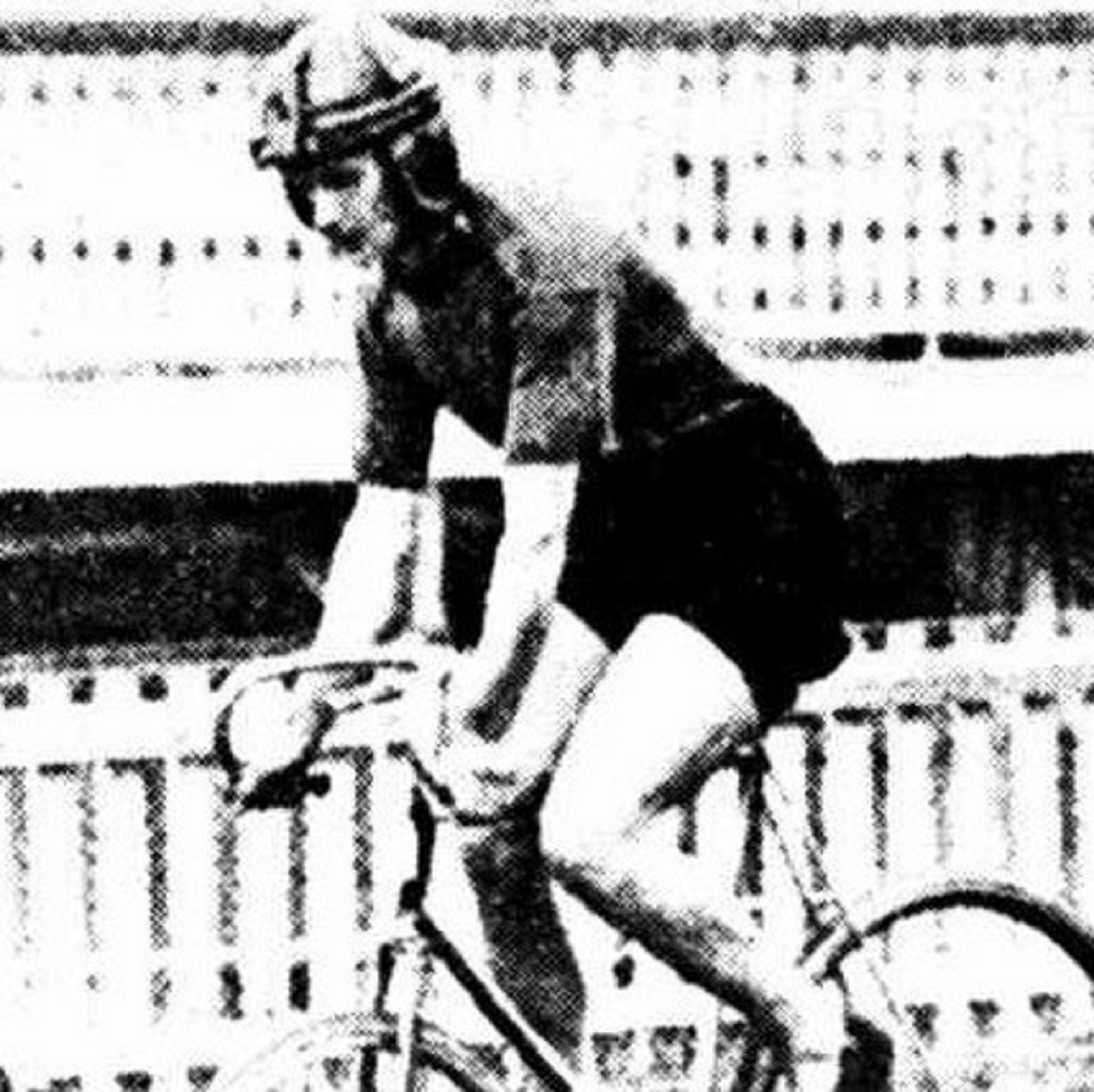
The 1916 Olympics were supposed to have been held in Germany, but they were cancelled because of the First World War. And so the first games after the war were awarded to Antwerp as tribute to the Belgian people who had borne so much of the fighting.
Back in Ipswich in those post-war years, the sports of cycling and racing on roller skates were both booming. The Olympic cyclist Jack King came to town and proposed a race between the rival sports, that being a race between a cyclist and a roller skater. He even had a trial ride on the Ipswich skating rink, and got a sponsor prepared to back a race for £10 (about $5,000 today) – if any Ipswich skater was prepared to accept the challenge.
But there’s no evidence the strange race ever happened, it was all a big anti-climax, and Ipswich really missed out on a chance for Olympic glory there.
The last story here is the Olympic connection to Ipswich which is right under the nose of locals, just up the road from the West Bremer Radio studios. It’s the Metropole Hotel on Brisbane Street.
Many still remember the great Queensland and Australian high jump champion Chilla Porter. He won the silver medal at the 1956 Melbourne Olympics, and was famously all that separated the Cold War combatants of Charles Dumas of the United States, and the Soviet Union’s Igor Kashkarov.
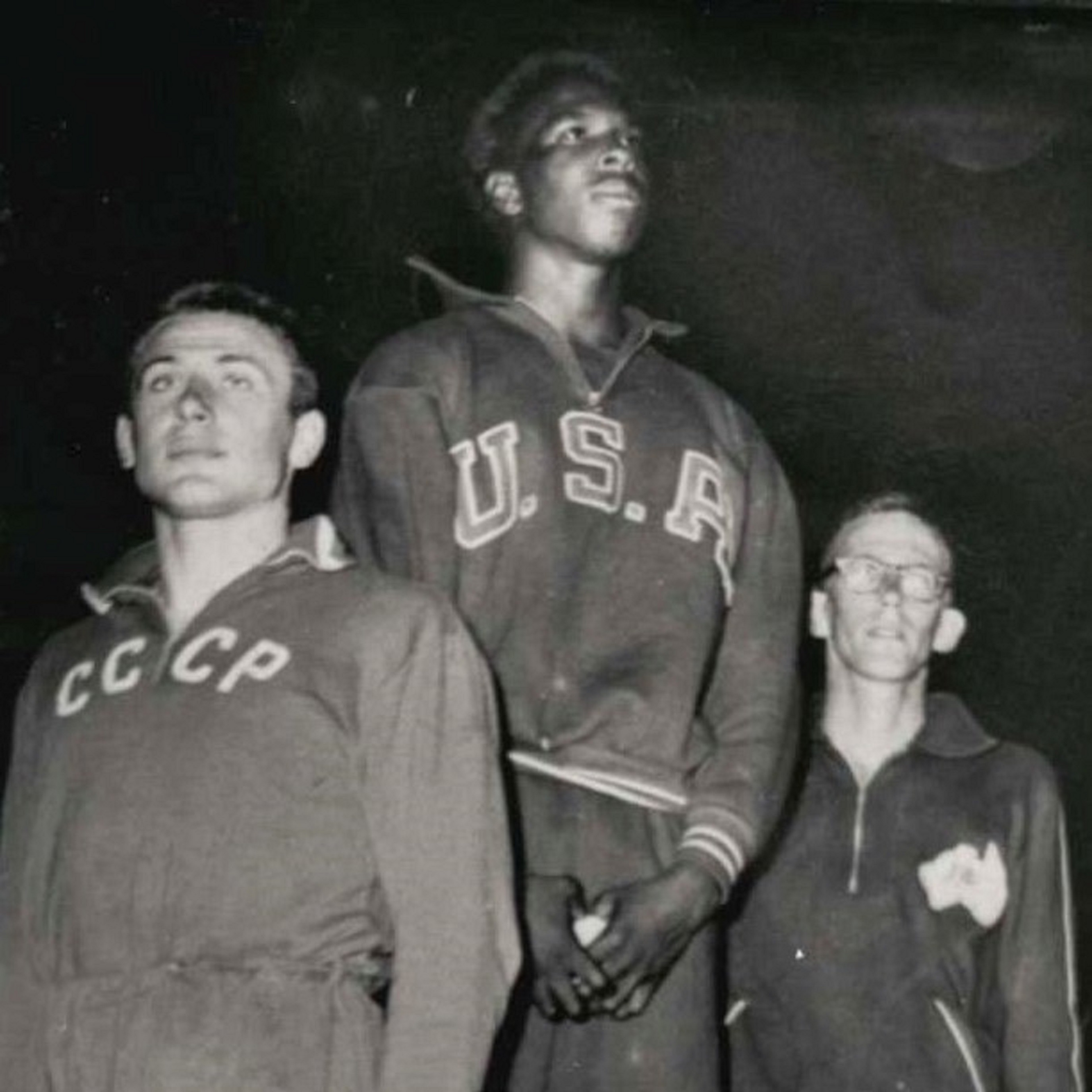
It was Porter’s grandmother who was licensee of Ipswich’s Metropole Hotel and in fact her family were there for twenty years. But more than that, Porter’s great-grandfather died on the site in 1894, and so his great-grandfather is probably still there as the ghost that haunts the place today.
Ipswich Grammar School, Ipswich skating rink, and the Metropole Hotel all hold little-known Olympic history.
CLICK HERE TO LISTEN TO A VERSION OF THIS STORY TOLD ON WEST BREMER RADIO.
Photo credits:
Lord Mayor Sir Frank Selleck, carries the Olympic flag from Melbourne Cricket Ground, 1956 – National Library of Australia.
Colonel Arthur Graham Butler DSO, 1916 – Australian War Memorial H18932.
Jack King cyclist – Telegraph, Brisbane, 13th January 1927, page 3.
Charles Dumas Chilla Porter Ivor Kashkarov – National Library of Australia.
 History Out There