
Olympic medals sometimes are war medal and get stolen, as told in this story of Olympic firsts and international intrigue. I told a version of this tale on radio 4WK.
Toowoomba on Queensland’s Darling Downs has a long Olympic tradition. Last week in Paris, Toowoomba’s Christopher Burton won a silver medal in equestrian individual eventing. He added that to the bronze medal that he won in the teams event at the Olympics before last.
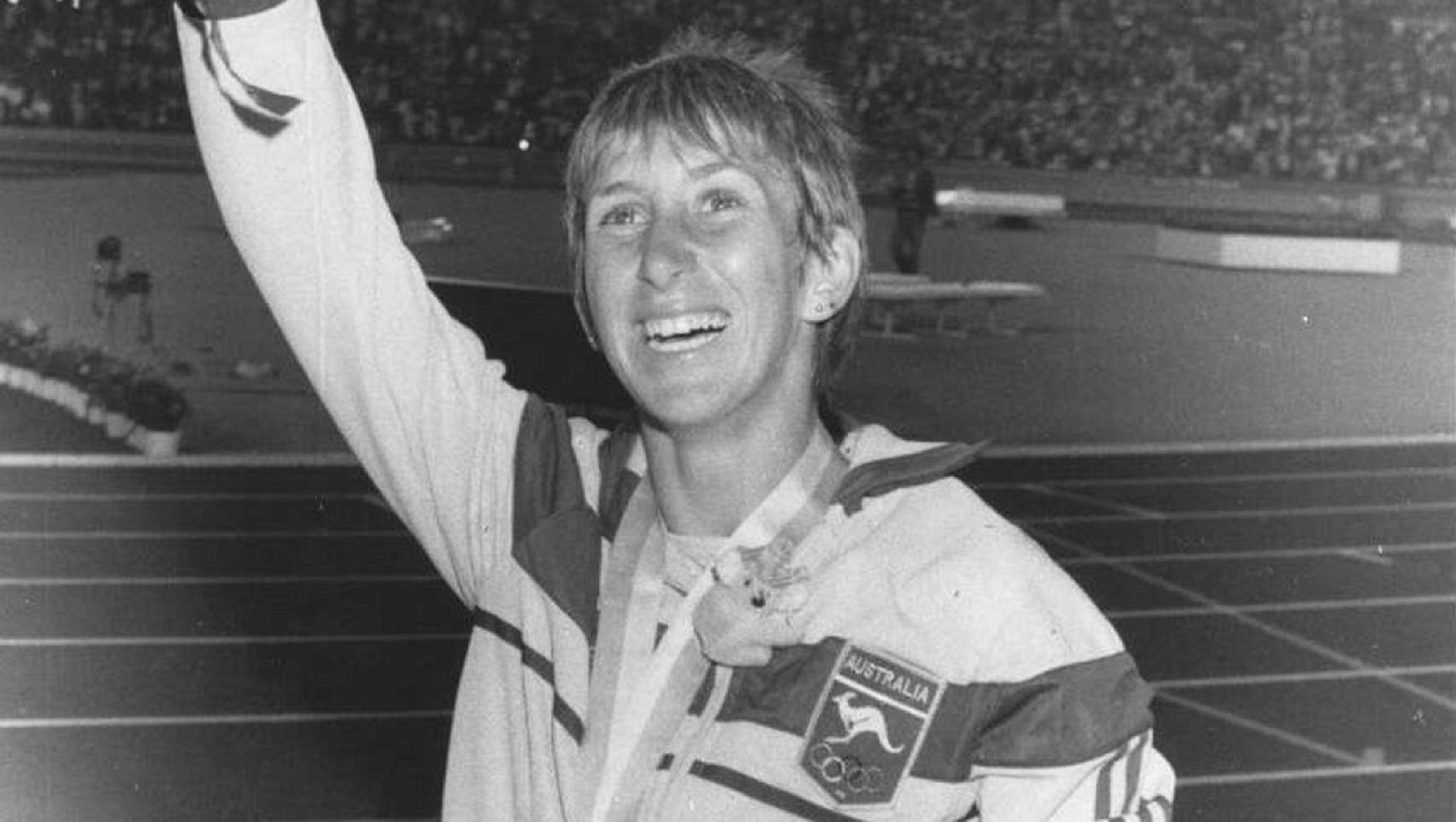
Toowoomba’s most famous Olympian is Glynis Nunn. She was born in Toowoomba, went to school there, and won the gold medal in the first-ever women’s heptathlon in 1984 at Los Angeles.
Further back into history, Edwin Flack was Australia’s first Olympian. He won gold medals and a bronze at the first modern Olympics in Athens in 1896.
And then there’s Toowoomba’s first. Ernest Hutcheon was Toowoomba’s first Olympian and Australia’s first Olympic field event competitor.
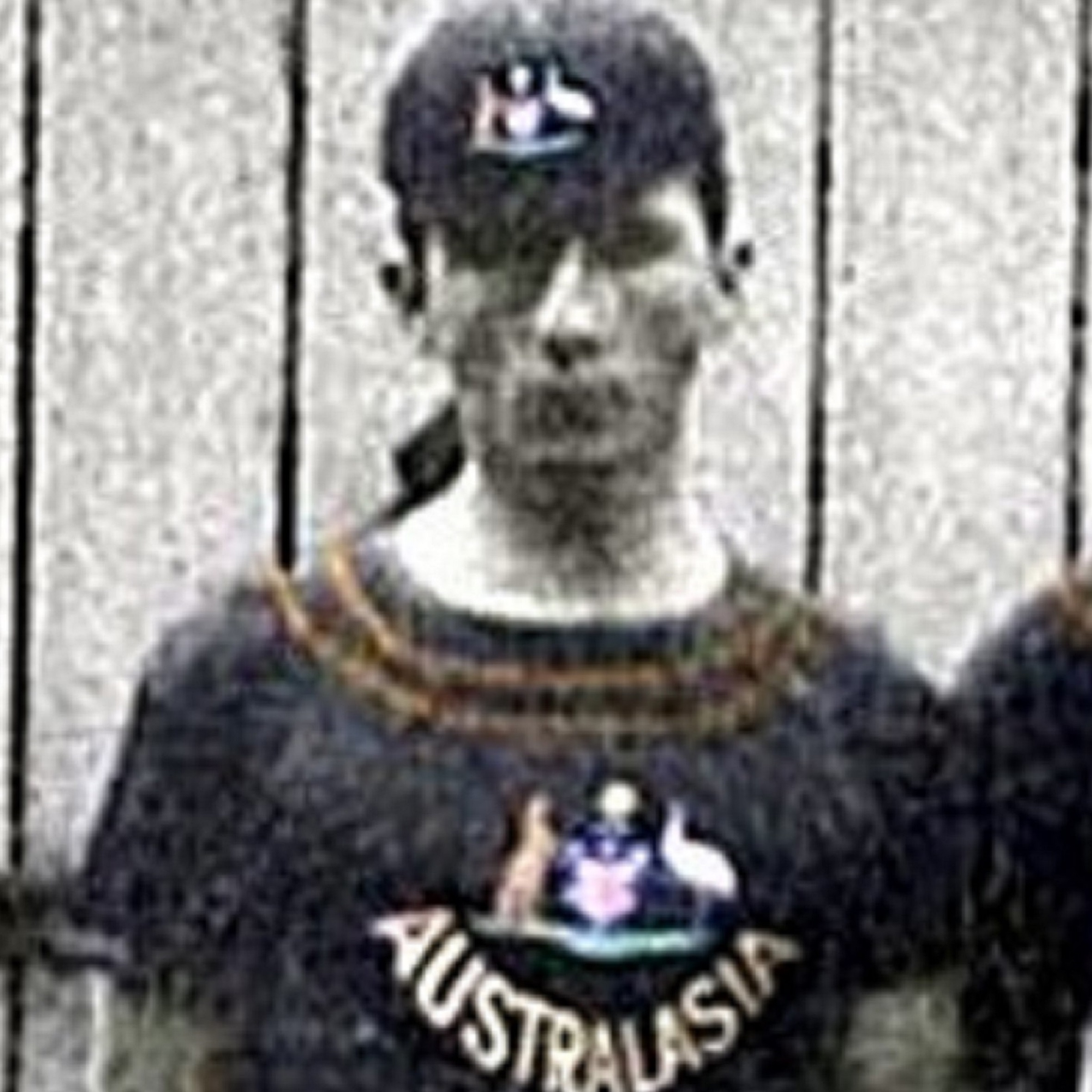
Hutcheon was born in Toowoomba in 1889. At the London Olympics in 1908 he competed in the standing high jump., and so was only eighteen-year-old which made him the youngest of twenty-three competitors in the event.
Come the First World War, Hutcheon enlisted in the Australian army and arrived in France late in the war but missed all the fighting. A month later he got swollen glands and so his war almost ended before it began. However, he might have missed out on an Olympic medal, but at least he got a British War Medal.
Hutcheon was also a first-class cricketer. He played seven matches for Queensland. His highest score of seventy-one was against New South Wales at the Sydney Cricket Ground in 1925, which helped Queensland draw the match.
Hutcheon became a well-regarded barrister. His father John was a school teacher at Warwick and Toowoomba. One of his brothers Jack, who was born in Warwick, was also a barrister and a more successful cricketer for Queensland. In the 1920s the brother was even chairman of the Australian Cricket Board.
Meanwhile, our Ernest Hutcheon – Toowoomba’s first Olympian – was just forty-seven years old when he died in Brisbane in 1937. Today he is buried at Brisbane’s Toowong Cemetery.
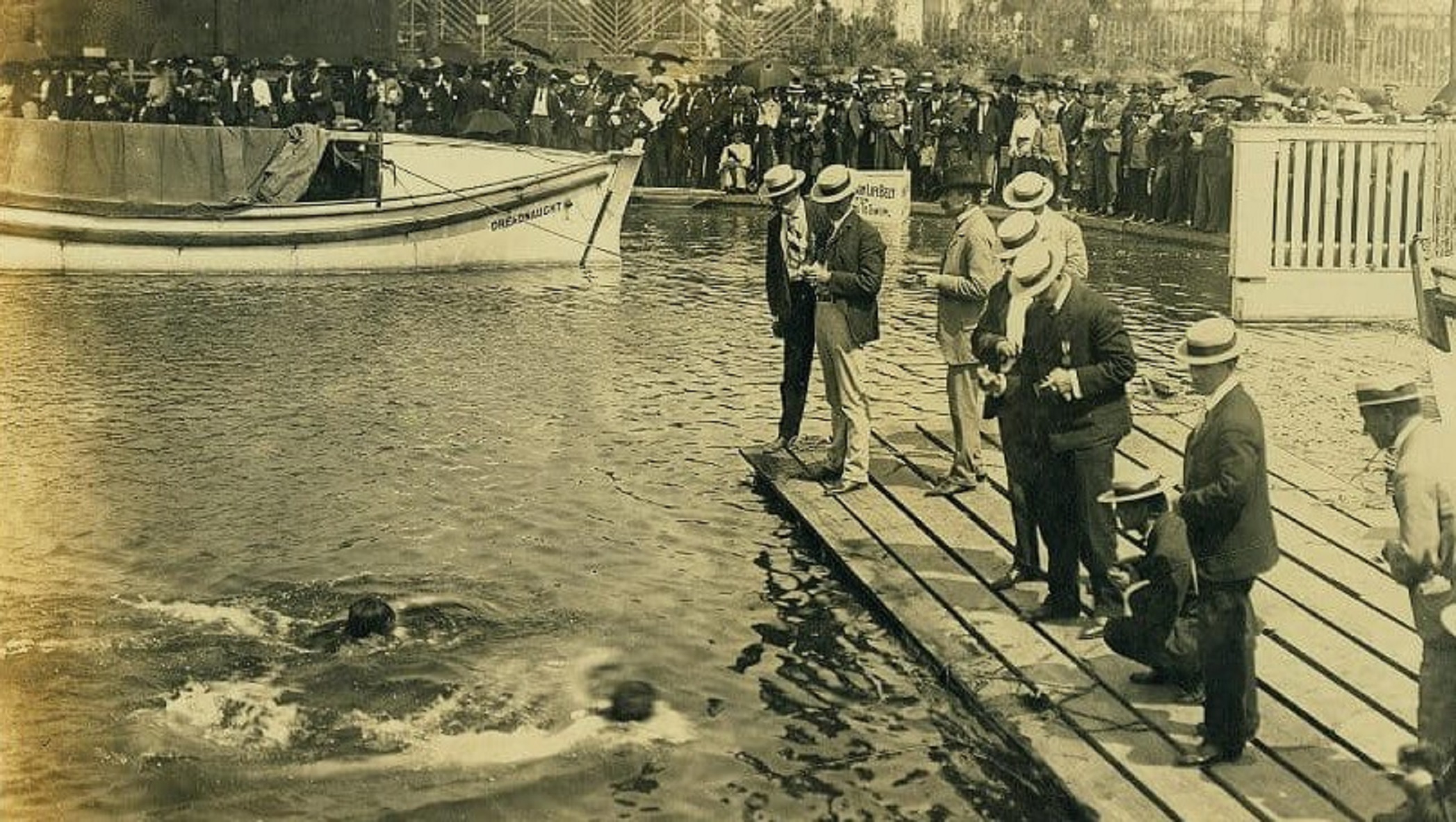
Then there’s Queensland’s first Olympian. His was Frank Gailey, born in Brisbane in 1882. Gailey swam in the 1904 Olympics at St. Louis, Missouri, and finished with three silver medals and one bronze. (See photo top of page for the finish of one of those silver medal races.) But at the Olympics, Gailey was sponsored by the Olympic Club of San Francisco and so the Americans claimed his medals.
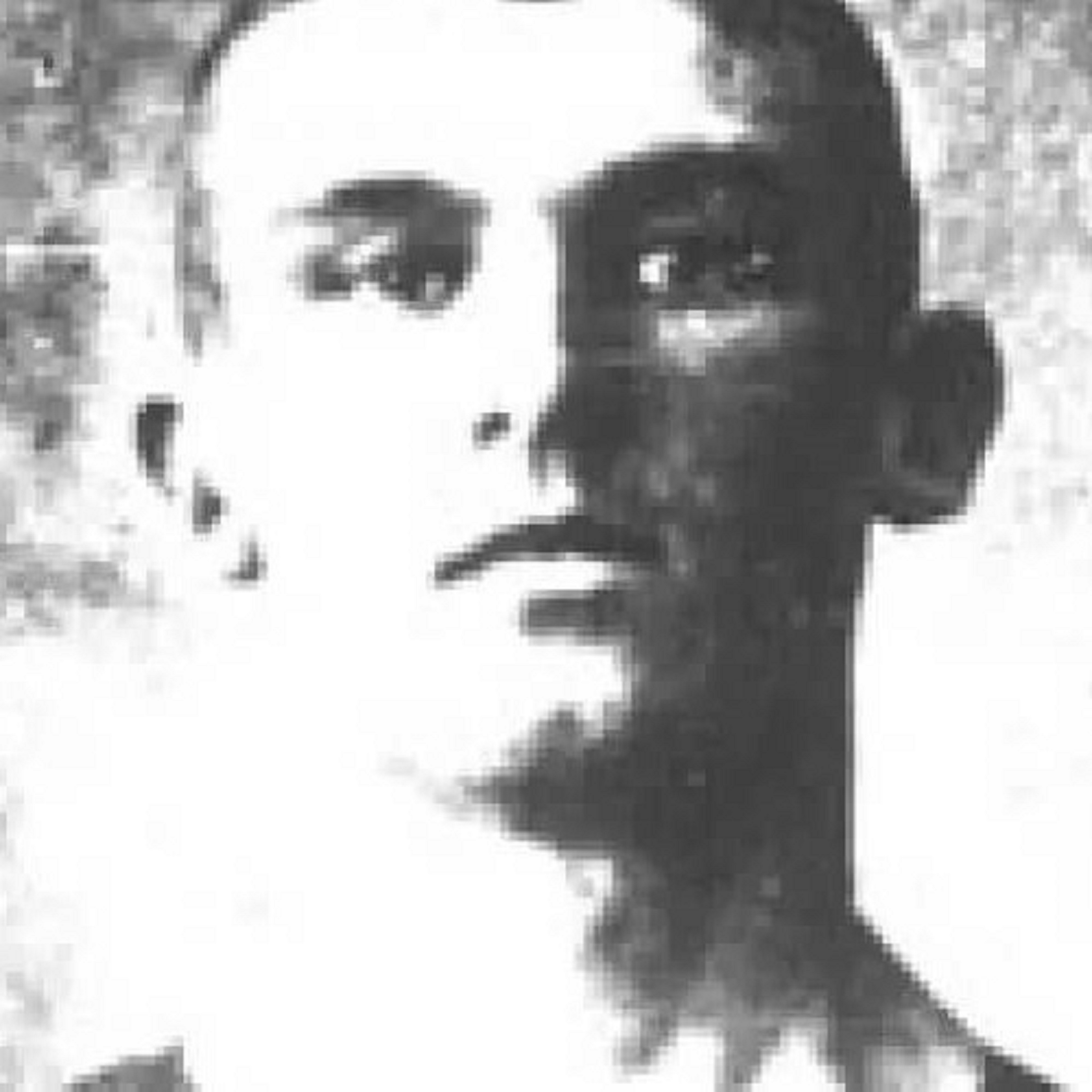
Gailey became a naturalized U.S. citizen two years later, but his three silver and one bronze are most definitely Queensland medals.
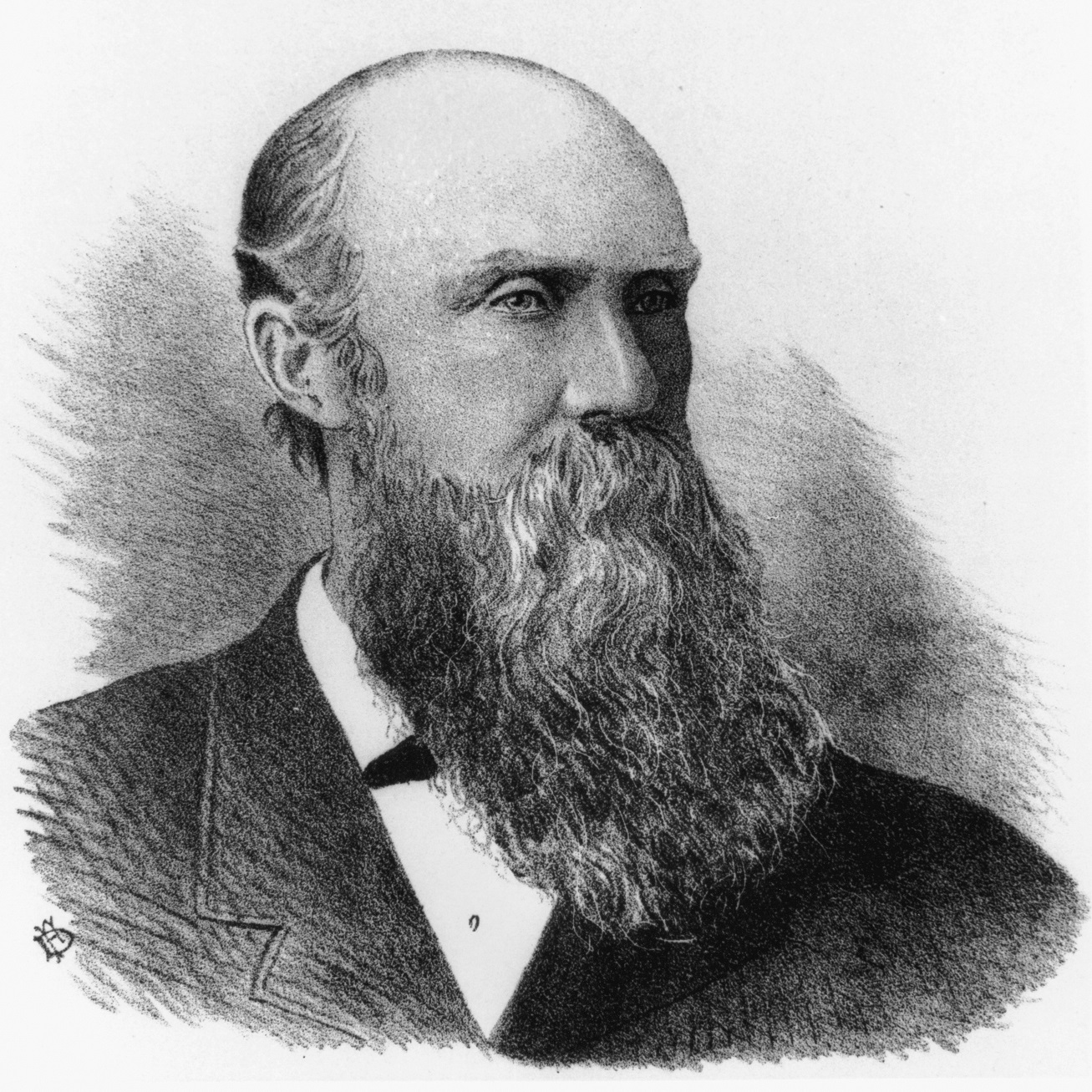
His father Richard Gailey remained at home in Brisbane and became the doyen of Queensland architects. He designed major historical buildings that remain today including the Bristy City Baptist Tabernacle and Regatta Hotel, surveyed and laid out the entire town of Bowen, and played a leading part in many buildings across the state including in Toowoomba and the Darling Downs. Gailey Road in Taring, Brisbane, is named after him.
So when the likes of Matthew Denny from Allora on the Darling Downs throws the discus in Paris, remember Toowoomba’s first Olympian Ernest Hutcheon whose international medal was the British War Medal, and Queensland’s first Olympian Frank Gailey whose medals were stolen by the Americans.
CLICK HERE TO LISTEN TO A VERSION OF THIS STORY TOLD ON RADIO 4WK.
Photo credits
Frank Gailey silver in 1904 Olympics 220 yard swim competition – Missouri Historical Society via Swimming World.
Glynis Nunn after her Gold Medal 1984 Olymics – Bruce Howard Herald and Weekly Times via National Library of Australia.
Ernest Hutcheon – Enric Pla Research via olympedia org.
Frank Gailey – Photo Courtesy Australian Olympic Committee.
Brisbane architect Richard Gailey – State Library of Queensland.
 History Out There