
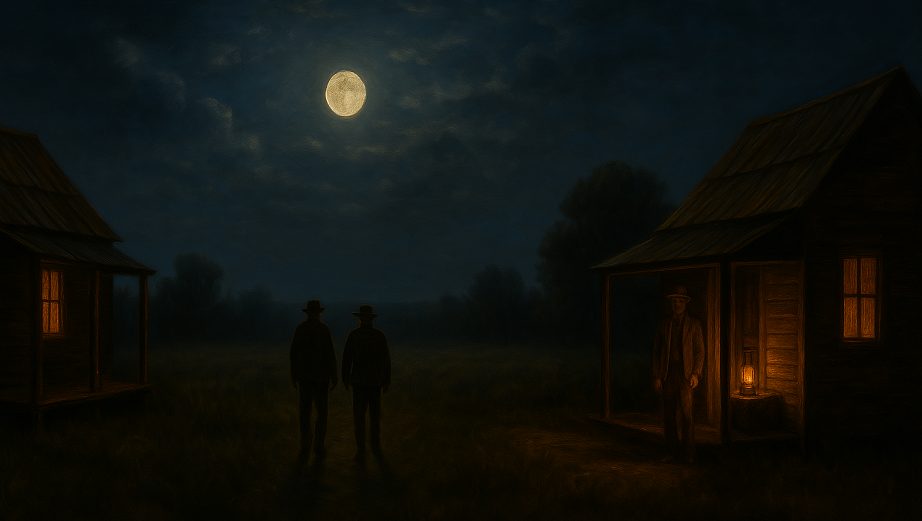
There’s a murder that happened in Toowoomba in 1865 that remains unsolved today despite an extraordinary number of suspects having been charged. I told a version of this story live on Darling Downs radio 4AK.
On the evening of Monday 19th June 1865, shortly after 8 o’clock at night, the body of a female was discovered in Ruthven Street in Toowoomba, Queensland. It was discovered by two young men walking into town. The corpse was so warm that she could not have been dead for long. Her shawl was drawn tightly around her throat suggesting that she died from strangulation.
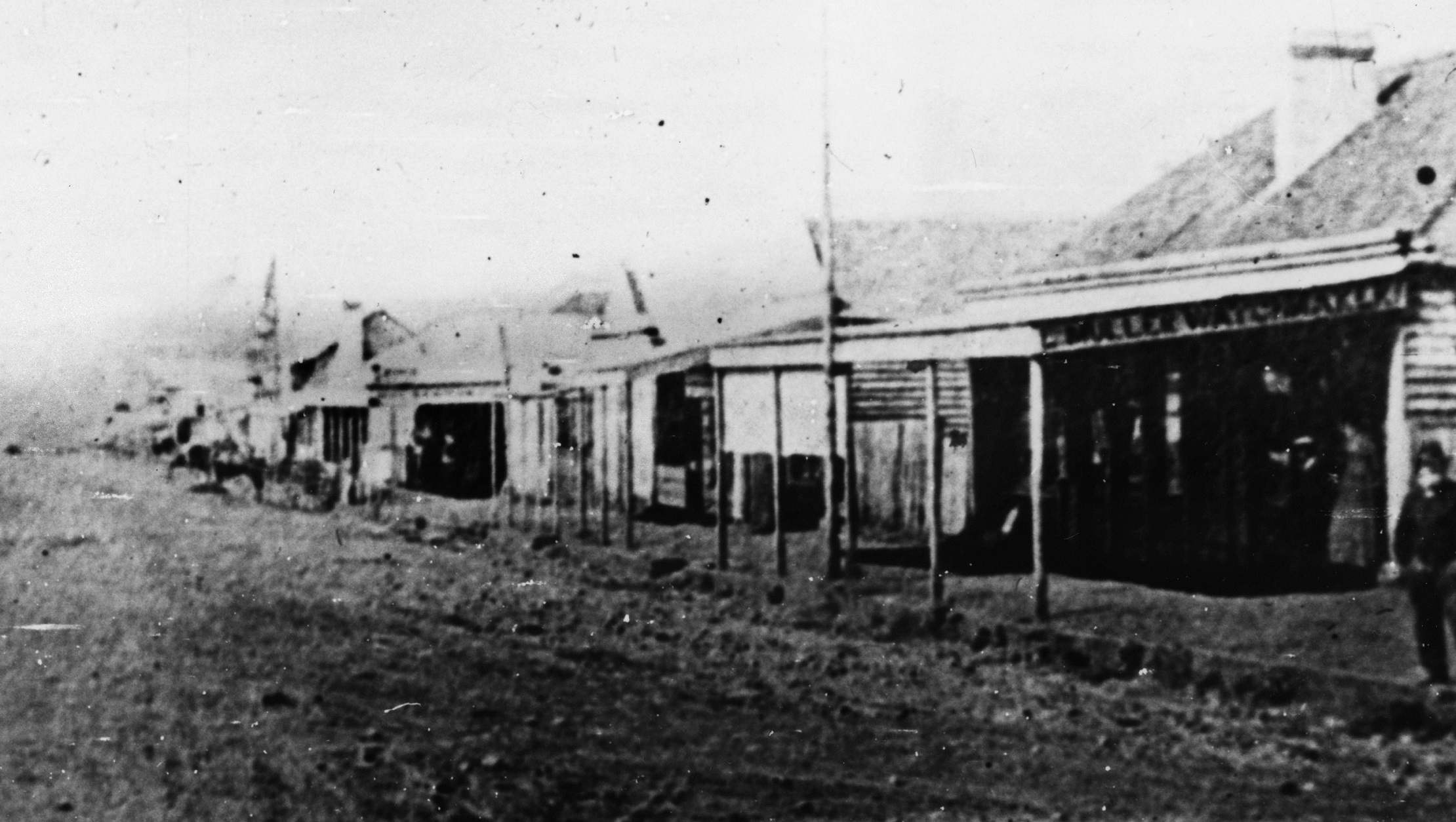
The murder victim was Mrs. Margaret Curtis, twenty-eight years old, and wife of a carrier residing in the south end of James Street, which back then was on the edge of town. She was the mother of two children, one only three weeks, and the other nearly two years of age.
Vague descriptions of a man harassing other women that night proliferated as that of the murderer. Descriptions were as general as someone with dark whiskers. Another was that he was a stout short-looking man, and his clothes were dark. But it was a dark night, and no one actually saw his face.
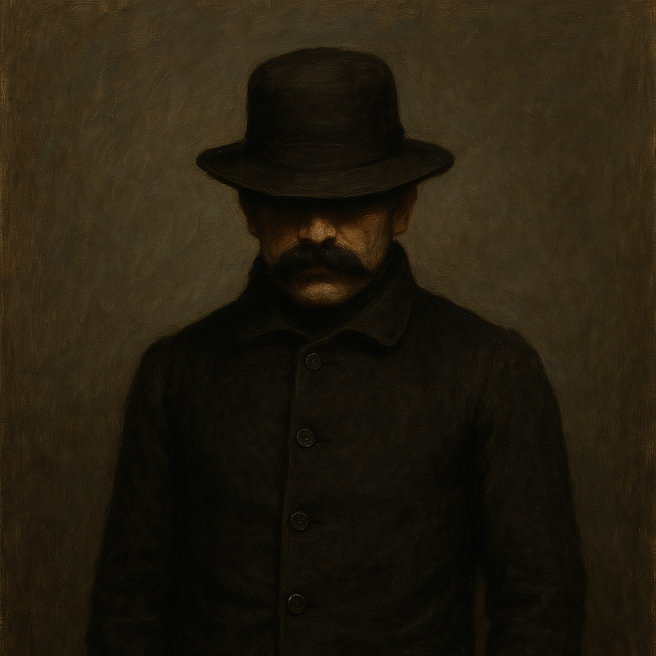
Immediately the next morning, Toowoomba’s sub-inspector of police Jeremiah Foran and several townsmen formed a posse and started over the range towards Ipswich, in pursuit of a man seen leaving late the previous night. The supposed murderer was described as about five feet seven inches tall, black whiskers and moustache, he was wearing a black or brown hat, which he had pulled down over his face, a black short coat or vest buttoned up to the chin, and black trousers.

The murder was raised in parliament. A detective and six constables were sent to Toowoomba to help the local police and private vigilantes. The government even offered a reward of £100 for the apprehension of the murderer.
The result was predictable, and arrests were made all over the colony of men barely answering the descriptions at all, which frankly could have been anyone.
Not one, but two persons were arrested on the same day by Ipswich’s Constable John Elligett who was eager for the reward. Both were apprehended in Ipswich in consequence of answering the description given, and both charged with murder.

One was arrested in the morning. He was William Barber but he wasn’t even in Toowoomba at the time of the murder.
The other was arrested in the afternoon. He was James Malcolm Munroe who wasn’t in Toowoomba at the time either. He was a twenty-five-year-old lithographer who got into a fight at Condamine and was released from Toowoomba gaol shortly before the murder. His clothes included a grey tweed coat and trousers which didn’t even match the description.
Sergeant Denis McCarthy of the Brisbane police also got into the act. He tracked for 100 miles to Wivenhoe a man called Daniel Edwards. Constable McCarthy said the man answered the description of the murderer, with the exception of the height and having no moustache. The height of the prisoner was about six feet, while the height of the murderer was given at five feet seven inches. Edwards, like the others, was immediately discharged.
Then there was Mr Pierce Grace. He was a blacksmith from Toowoomba who was married with four children, a very respectable man, and the last who would be suspected of any criminal act. He was arrested in Dalby and charged with the murder. Grace was considerably taller than the suspect, and the only reason for his arrest was that he was wearing black clothes and had recently left Toowoomba.
This was a dangerous time for anyone to be wearing anything other than white, because there was a strong probability of being charged with the Ruthven Street murder.
The arrests continued. Two years later, Toowoomba’s Sergeant Michael McKiernan arrested a German by the name of Gotfried Wielbrecht. He was charged with murder but there was actually no evidence to support the charge.
At the same time, a Michael Ford was arrested in Roma. He too was discharged, but apparently a deal was done and he was engaged as a professional police informer.
In any case, the Ruthven Street murder remains unsolved today, and the £100 is still there to be claimed.
There’s a lot more to this story, including examining suspects who were never charged.
CLICK HERE TO LISTEN TO A VERSION OF THIS STORY TOLD ON RADIO 4AK.
Photo credits:
The young men in Ruthven Street the night of the murder – Microsoft Copilot.
Ruthven Street, Toowoomba, 1870 – State Library of Queensland.
Queensland police inspector and his Toowoomba posse, 1865 – Microsoft Copilot.
Ipswich Courthouse, c1860 – State Library of Queensland.
The suspect’s description – Microsoft Copilot.
 History Out There
[…] Toowoomba murder remains unsolved today 160 years later despite loads of people being […]
LikeLike
[…] There was a murder in 1865 that happened on Ruthven Street in Toowoomba. A posse was formed and a neighbouring city responded with indiscriminate arrests. The murder remains unsolved to this day, and there’s even a £100 reward yet to be claimed. […]
LikeLike