
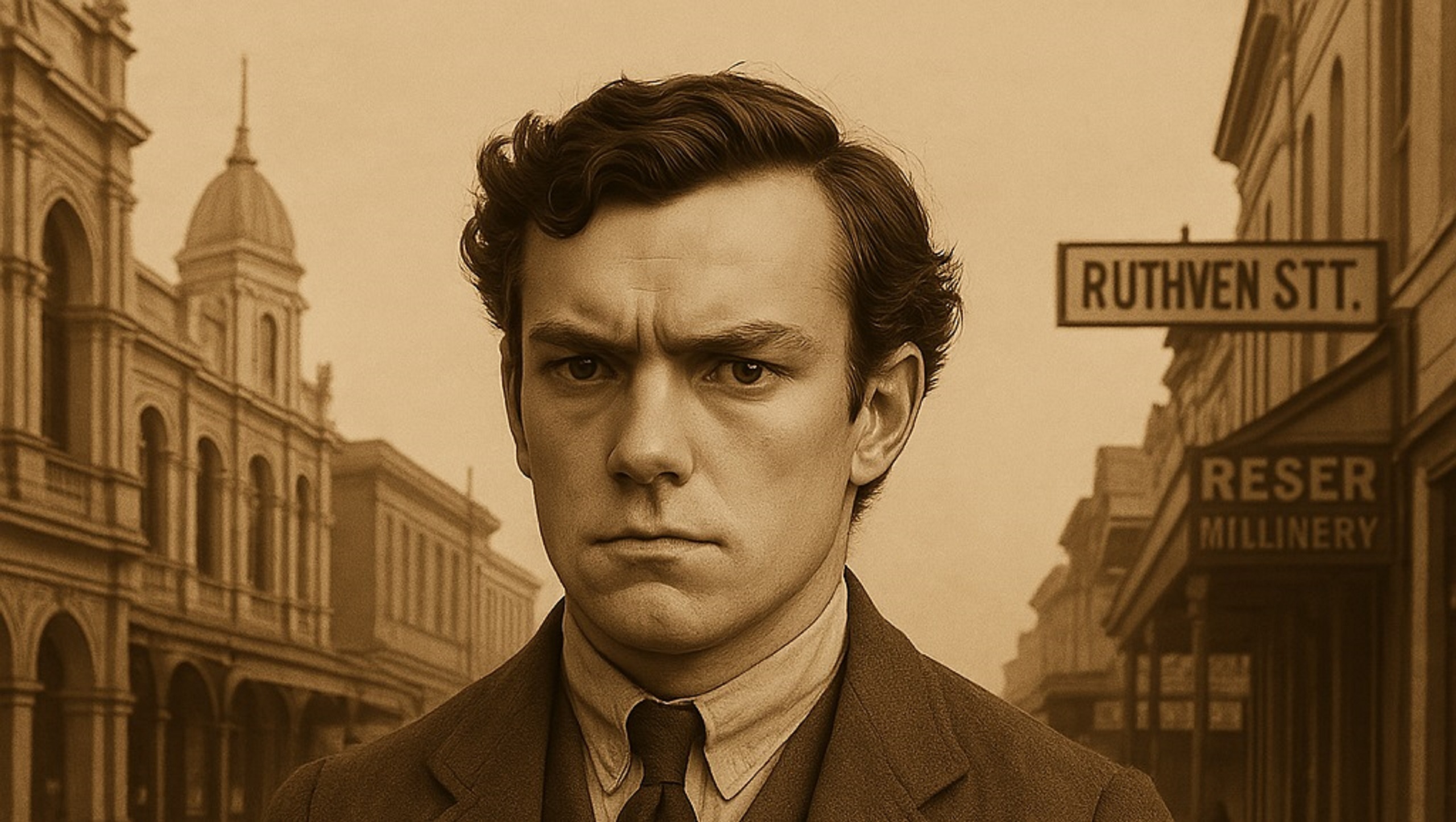
The unsolved Toowoomba Ruthven Street murder of 1865 now has a new suspect, and he’s from the British peerage. I told a version of this story live on Darling Downs radio 4AK.
There was a murder in 1865 that happened on Ruthven Street in Toowoomba. A posse was formed and a neighbouring city responded with indiscriminate arrests. The murder remains unsolved to this day, and there’s even a £100 reward yet to be claimed.
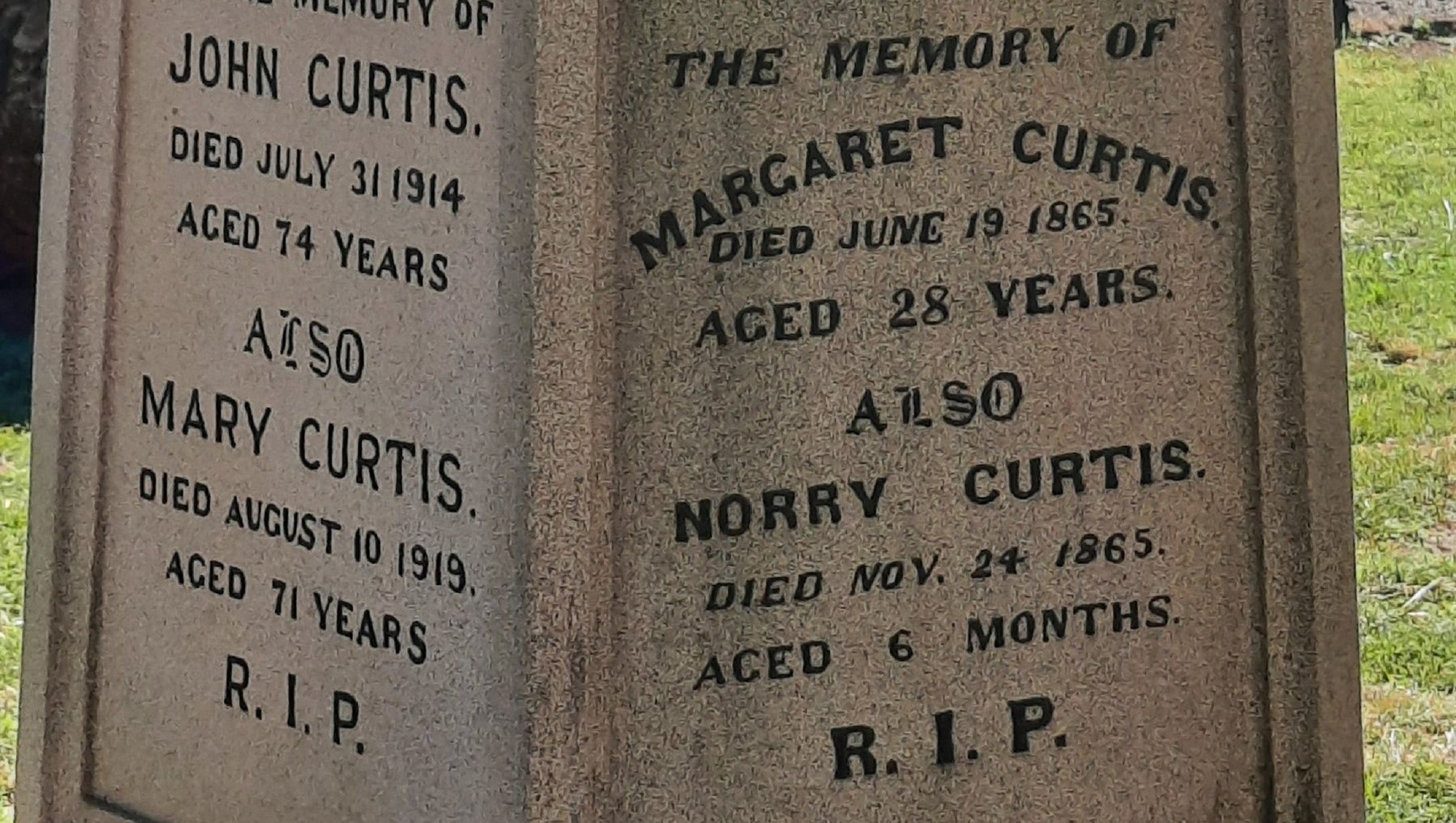
The victim was Mrs. Margaret Curtis, a twenty-eight year old mother of two who was strangled at around eight o’clock one night. At least six different people were charged but no one was ever convicted.
I’ve been looking at new suspects and I think I’ve come up with something.
The last to see Mrs Curtis alive was her sister-in-law Catherine Curtis. They walked together along Ruthven Street as far as The Reverend Waraker’s house, and I’ll come back to him. They parted company at around twenty minutes past six the evening.
After this, two young men were coming into town when one of them stumbled on the corpse. This was at about eight o’clock at night.
One of the men was John Hepple. Four years later, Hepple was walking down the same street at night when he witnessed an assault. The other man to find the body was Leonard Armstrong. Just eighteen months later, Armstrong was in court suing a habitual drunk for assault. Although the two men had no record of causing trouble themselves, they certainly knew how to find it.
The body of the murder victim was found in Ruthven Street, between the residence of Rev. John Waraker and that of Mr. Adam Geddes, which were a short distance from each other, there’s only a small paddock between. In fact, it was just 100 yards from Rev. Waraker’s house on the opposite side of the road.
Mr. Geddes had lived there for five years, setting up as a wheelwright and blacksmith. After the murder, he remained there for a further twenty-one years so it appeared he had no reason to leave.
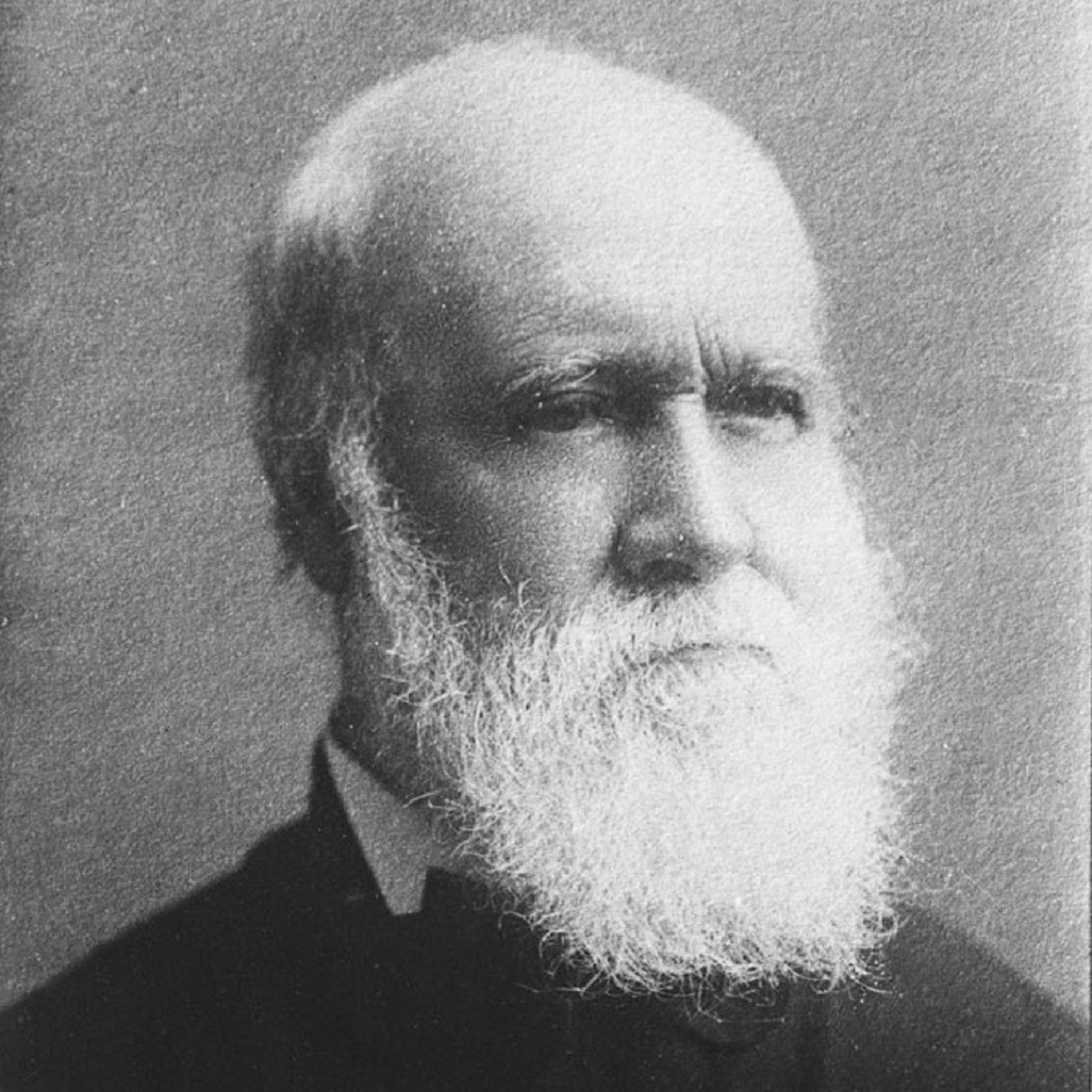
As for Rev. Waraker. The victim’s sister-in-law had walked her as far as his house. The reverend had come out from England in the company of The Reverend Edward Griffith, who was the father of the future Queensland premier and chief justice of Australia. The two ministers were the founders of the Congregational Church in Queensland, and Rev. Waraker would be president of the Congregational Union three times. There’s nothing to suggest that he was involved.
We know that of women who are murdered, most are murdered by their intimate partner. So we’ve got to look at the victim’s husband Mr. John Curtis. After the traumatic event, he continued to live in the same house on Ruthven Street where his wife was murdered. Of the couple’s two children, one named Honora or “Norry” died just months later, and the other never married and died of old age. Curtis himself, he married for a second time, to an eighteen-year-old Irish girl, and went on to father a total of fifteen children. There might be some unusual things there, but there’s nothing to say he was the murderer.
Nothing happened for a decade as the murder remained unsolved. However, then rumours began to circulate. One was that a prisoner in Berrima gaol in New South Wales made a confession that he was one of two perpetrators. I can’t find anything supporting this.
Then there was a rumour that a former well-known resident of Toowoomba had confessed on his deathbed. It appears that this was never investigated.
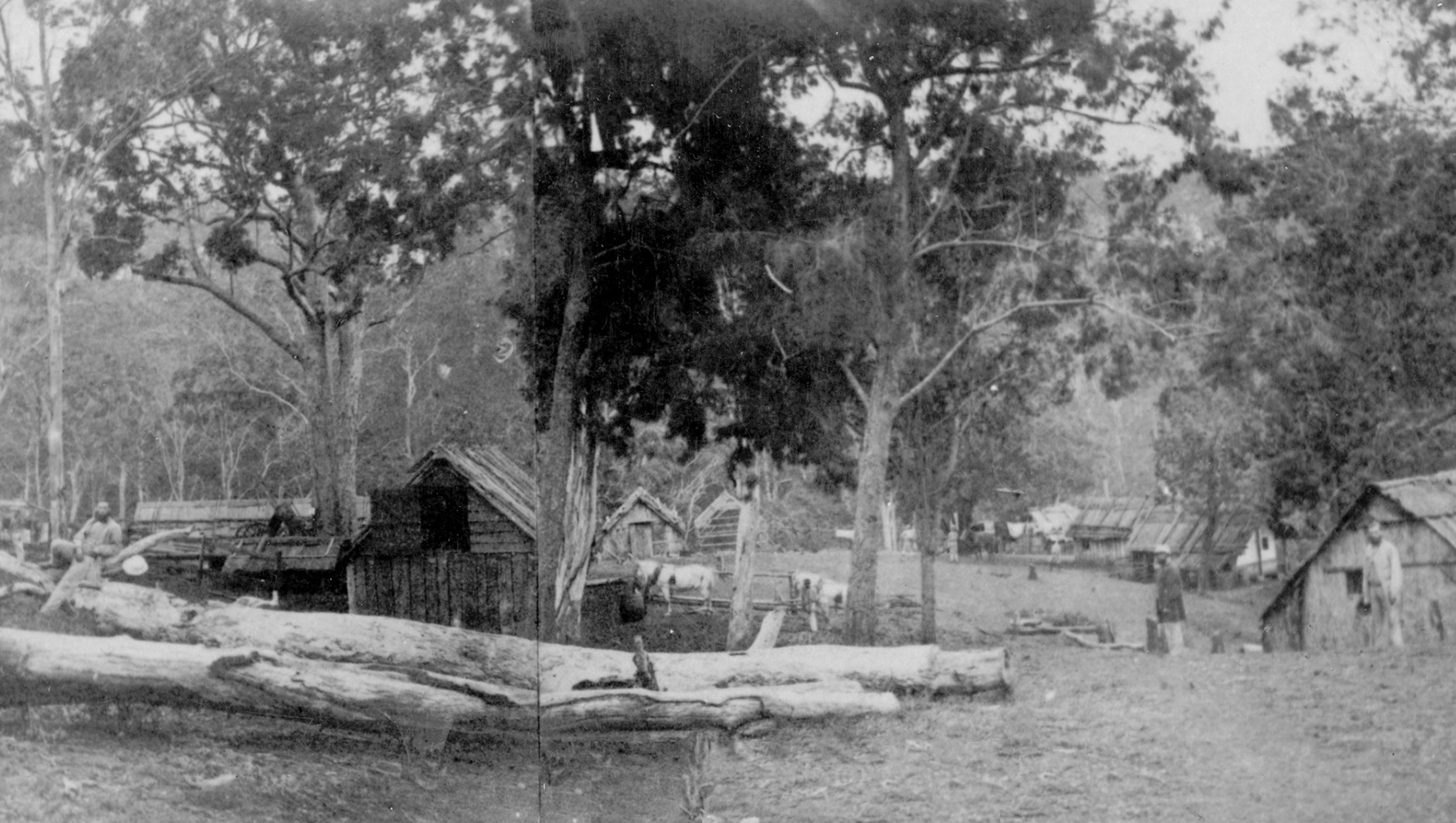
The suspect I’ve identified is Mr. Charles Augustus Theodore Bouwens. He was well-known in Toowoomba as clerk for the Peto Brassey and Co. railway contractors. He was living at Ballard’s Camp just eleven kilometres from the city centre when the murder happened.
Bouwens’ father was The Reverend Theodore Bouwens, his mother was Lady Julia Lambart, his brother was Lieutenant-Colonel Lambart Bouwens, Military Cross and MBE, and his uncle was Lord Lambart, 8th Earl of Cavan.
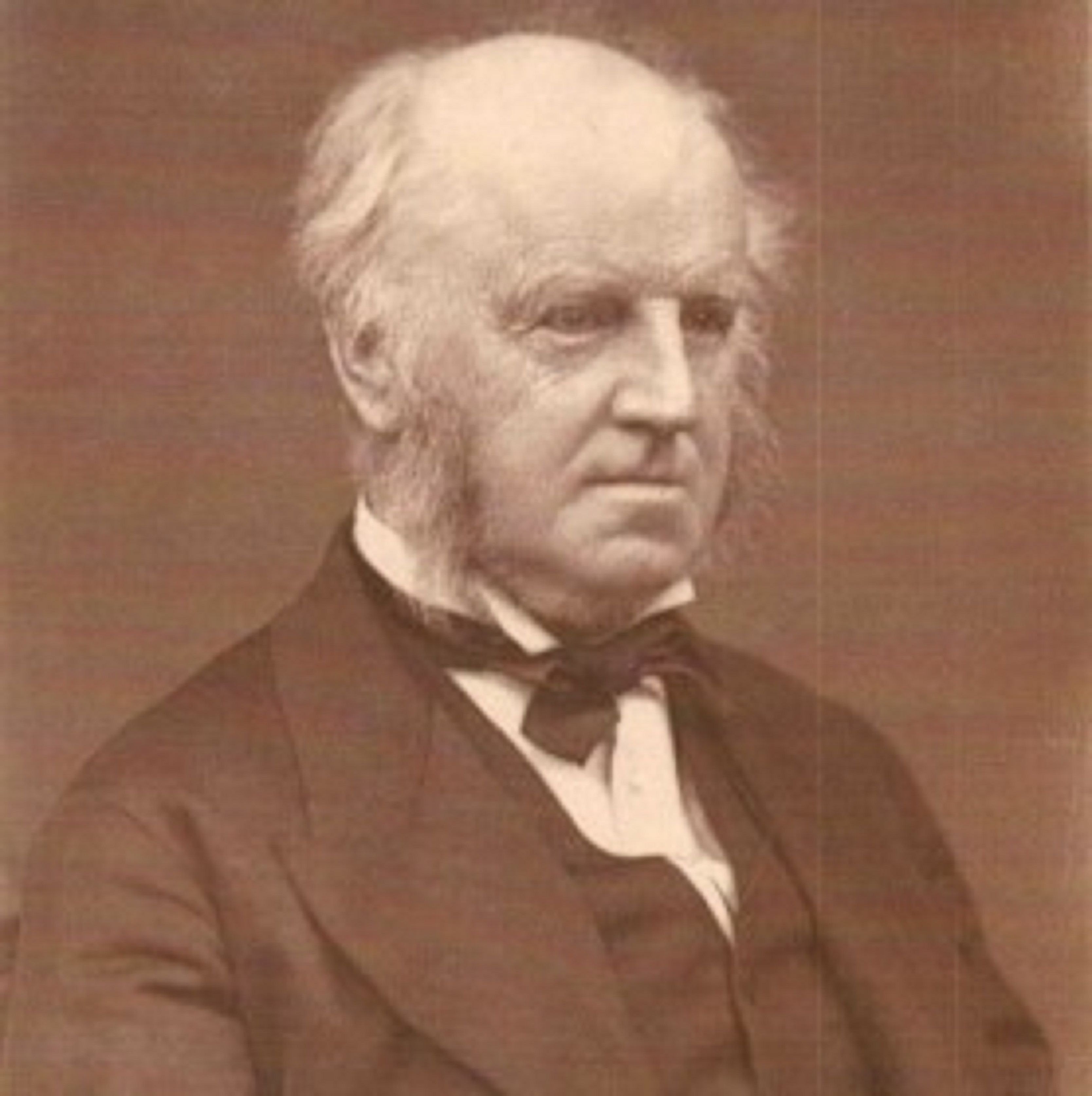
And this is where it gets interesting. Bouwens was a low-achieving oldest son from an illustrious family. He was sent away to the colonies while the family remained in England.
After the murder in 1865 when Bouwens was twenty-three years old, he left Toowoomba and resurfaced in Sydney in 1869 when he got married. He died in 1874, and that’s when the rumours began of a deathbed confession. On the peerage database that I’ve seen, he’s not even included in the records.
Charles Bouwens was never investigated. But I reckon we have a new prime suspect for that 1865 Ruthven Street cold case murder.
CLICK HERE TO LISTEN TO A VERSION OF THIS STORY TOLD ON DARLING DOWNS RADIO 4AK.
Photo credits:
Depiction of Charles Bouwens, 1865 – Copilot_20250606_080125.
Reverend J.T. Waraker, Ipswich, late 1850s – Picture Ipswich.
Margaret Curtis headstone, Drayton and Toowoomba Cemetery – Find a Grave by Anita 2021.
Ballard’s Camp, Ipswich-Toowoomba Railway line, 1865 – Queensland State Archives.
Frederick Lambart, 8th Earl of Cavan – The Peerage website.

