
I travelled to Outback Queensland and discovered how one town saved another from burning to the ground. I told a version of this story on Ipswich’s West Bremer Radio.
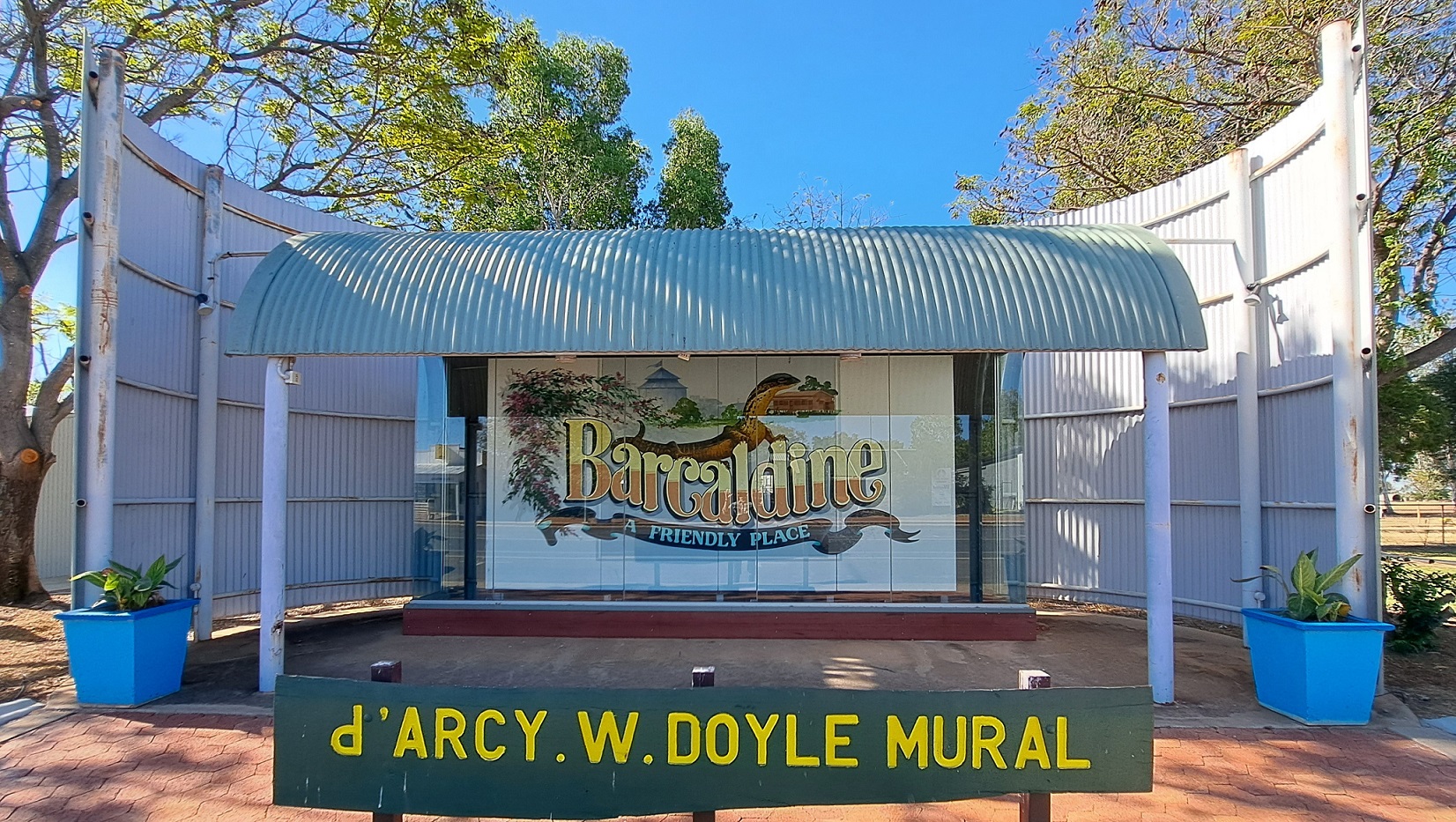
The connection between the Queensland towns of Ipswich and Barcaldine is pretty big but largely unknown. In the main street of Barcaldine, there’s a big mural painted by Ipswich’s famous artist, the late d’Arcy Doyle. It’s there because Doyle visited the town and afterwards sent the mural in appreciation for the great time he had there.
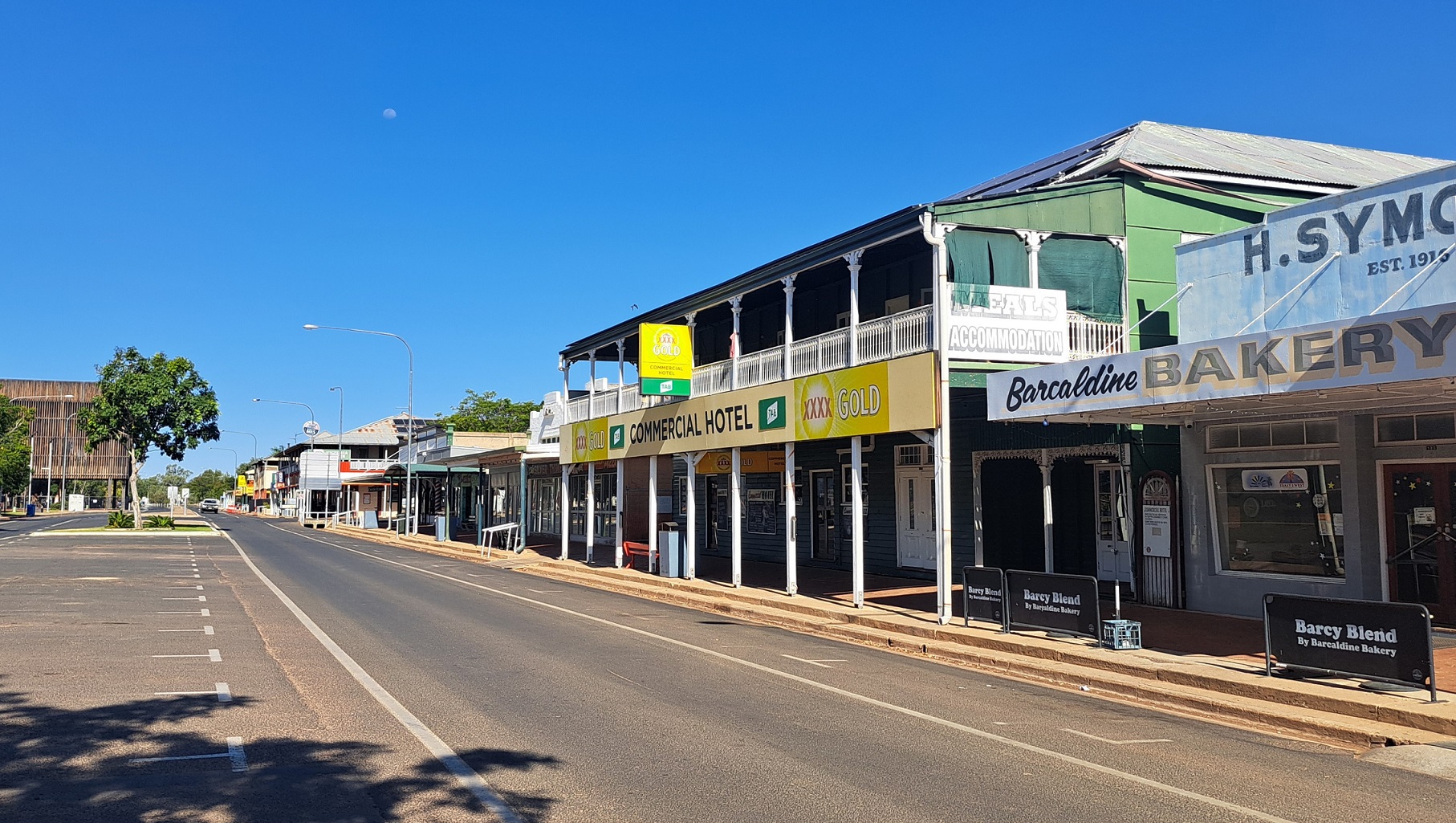
But what I’m talking about is way bigger and more historic than that. For a clue, you just have to walk down the main street of Barcaldine (see photo top of page) and read the history signs.
For example, the Federal Hotel was burned down in 1909, rebuilt and burned down again in 1962. The Commercial Hotel was burned down in 1909 and burned down again in 1921. Westend Hotel burned down in 1915 and burned down again in 1920. The Railway Hotel burned down in 1896, 1927, and again in 1929 while it was still being rebuilt. And so it goes on.
At its peak in 1887, Barcaldine had twelve hotels operating in the town. But obviously they kept burning down, and with so much competition, I’m not entirely sure it was always accidental.
A town fire brigade was formed, but the fire brigade could do little without water pressure. Proposals for a water tank and tower were put forward but rejected in 1902 and 1910 and so the hotels remained at high risk of burning down.
Finally, funding for a steel tower and tank was accepted, and that’s when the government’s first hydraulic engineer John Baillie Henderson came on the scene. He was famously known as ‘Hydraulic’ Henderson.
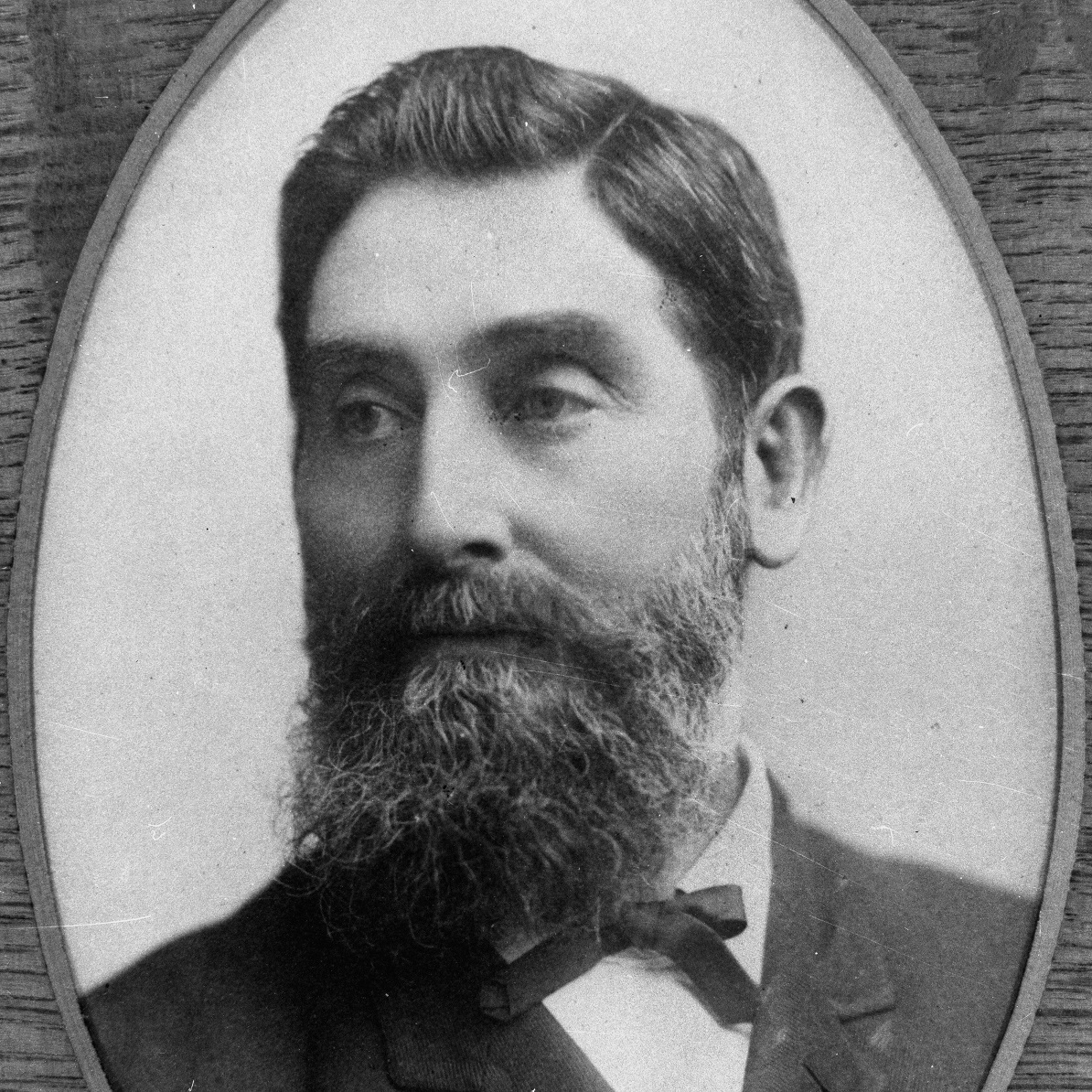
In 1880, he built the world’s first concrete stepped spillway, it’s the wall of the Gold Creek Reservoir at Brookfield in Brisbane and is still in use today. In 1898, he turned the tiny outback town of Thargomindah into just the third place in the world to have hydroelectric street lighting, the first being London, Paris, and Thargomindah. And in 1912, Hydraulic Henderson designed the much-needed water tower for Barcaldine.
And to build the tower, in 1914 the government turned to none other than the firm of Ipswich engineers F.E. Barbat and Sons. The patriarch of the business was Felix Edward Barbat.

Barbat had a foundry in Flint Street, North Ipswich. His works had its own railway siding and employed around 120 men at the time of the Barcaldine contract. Barbat sent half-dozen of his most skilled mechanics up to Barcaldine for the job which included a 45,000 gallon tank on top of a 100 foot tower.

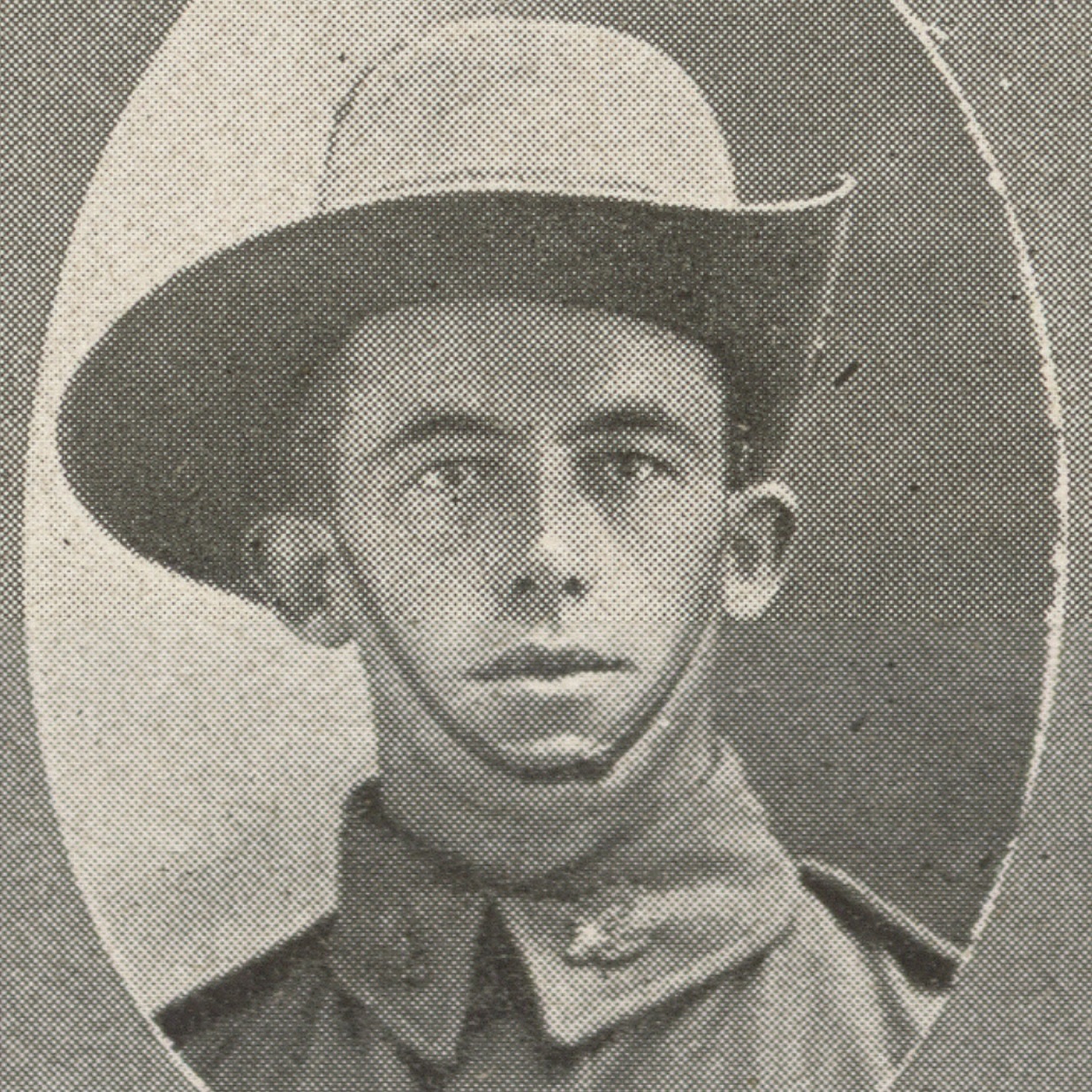
Shortly after completing the Barcaldine tower, one of Barbat’s sons Arthur died of wounds following the Battle of Bullecourt in the First World War. Another son Percy served as a councillor on the Ipswich City Council for many years. Meanwhile, in 1928 Felix Barbat was advised to go on a holiday to benefit his health. Ironically it was while on holidays in Hong Kong that Barbat died aged seventy-four.
Barbat’s legacy included many big engineering construction jobs, including the Tully sugar mill and other plants. But the most visual today is his Barcaldine water tower.
It was a similar design to those he built at the Goodna and Sandy Gallop mental asylums in Ipswich. But those two towers are long gone, while Barcaldine’s water tower remains and continues to dominate the Barcaldine skyline to this day.
Although today the tower has been repurposed to a communications tower, it remains a 111-year-old testament to how Ipswich engineering saved Barcaldine from burning to the ground.
CLICK HERE TO LISTEN TO A VERSION OF THIS TOLD ON WEST BREMER RADIO.
Photo credits:
Oak Street Barcaldine 2025 – Harold Peacock 20251003_154416.
d’Arcy Doyle mural Barcaldine 2025 – Harold Peacock 20251003_152953.
John Baillie Henderson – State Library of Queensland.
Felix Edward Barbat Ipswich c1920 – Picture Ipswich.
Barcaldine water tower 2025 – Harold Peacock 20251003_155311.
Arthur Barbat – The Queenslander, 26 December 1914.
 History Out There
Great history, very well written. Thanks.
LikeLiked by 1 person