

Armistice Day anniversary celebrations in 1919 differed across the country as Australia remained weary from war. I told a version of this story live on Darling Downs radio 4AK.
Armistice Day, or Remembrance Day as it is known today, has the memorable numbers of 11—11—11, which of course means the eleventh hour of the eleventh day of the eleventh month in 1918 when the Armistice came into effect to stop the fighting in the First World War.
There were also other memorable numbers, the assassination of the Archduke Ferdinand on the 28th of June 1914 which triggered the wear, and the signing of the Peace Treaty on the 28th of June 1919.
What some people don’t realise is that there were actually a number of Armistices signed in all sorts of places, and so lots of Armistice Days.
The Bulgarian Armistice was signed at army headquarters in Greece and came into force on the 30th of September 1918. The Turkish Armistice was signed on board a ship in the Aegean Sea and took effect on the 31st of October. The Austria-Hungary Armistice was signed in an Italian villa and became effective the 4th of November.

The German Armistice (pictured top of page) was signed in a railroad carriage in France and took effect on the 11th of November 1918 and that’s the big one we remember today.
In the First World War 60,000 Australians were killed, that’s around 300,000 as a percentage of the population today. It’s exhausting just imagining a death toll so large. So when the first anniversary of the Armistice came around, Australia was still very weary from the war, and commemorations took different forms if at all. The common factor was the King’s request to suspend all activities at 11am for two minutes. This resulted in the two minutes silence with which we are familiar today.
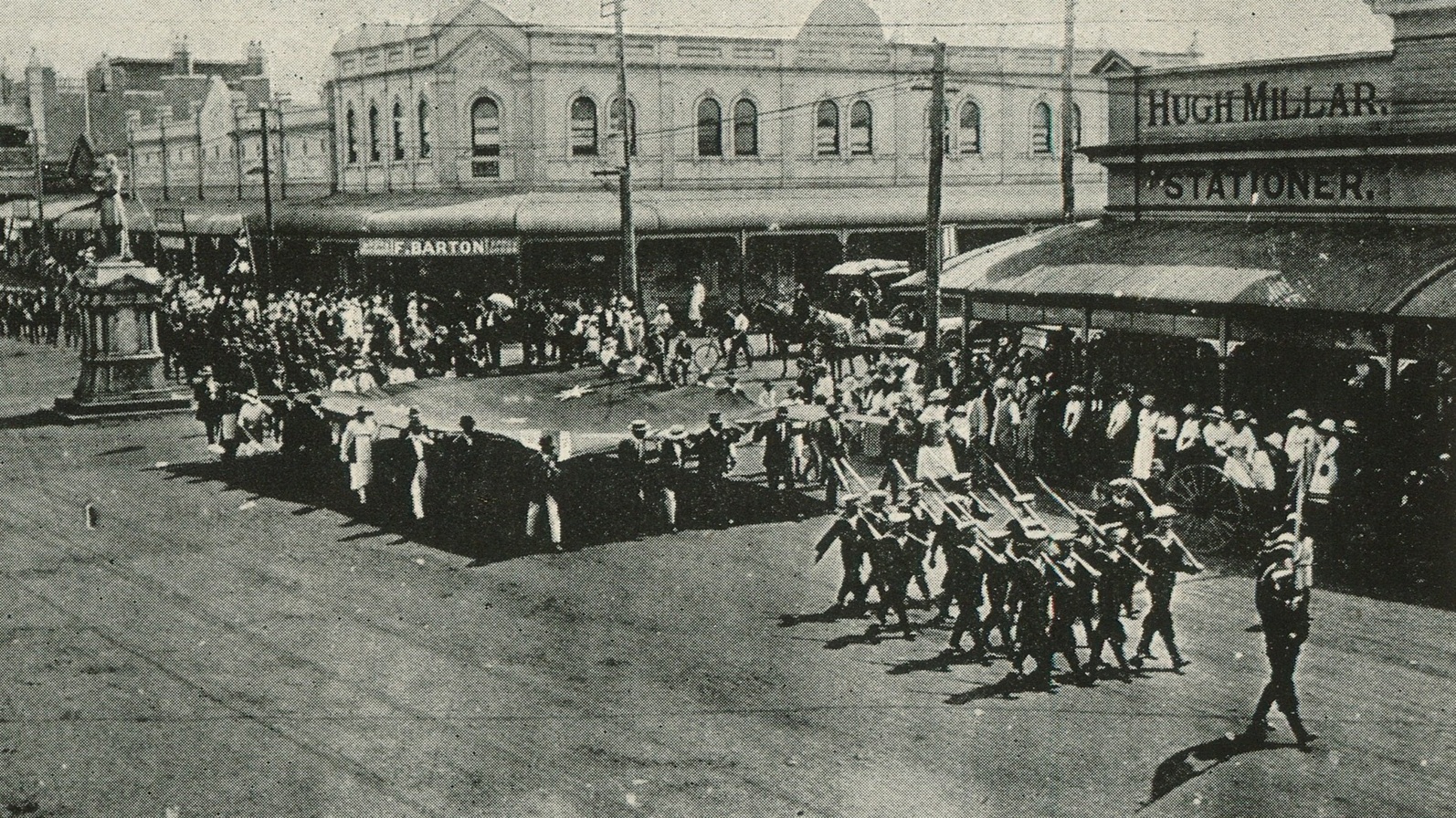
In Warwick, the first anniversary was observed as a public holiday. There was a parade marshalled by Mr. Thomas Cook the Warwick bank manager and Stanthorpe postmaster. There was also an official dinner which caused a scandal. That’s because the catering for the Warwick dinner was given to a Toowoomba firm. The committee’s secretary John Porter, a Warwick accountant and secretary of the Warwick turf club, poured water on the controversy by explaining that only one tender was received.
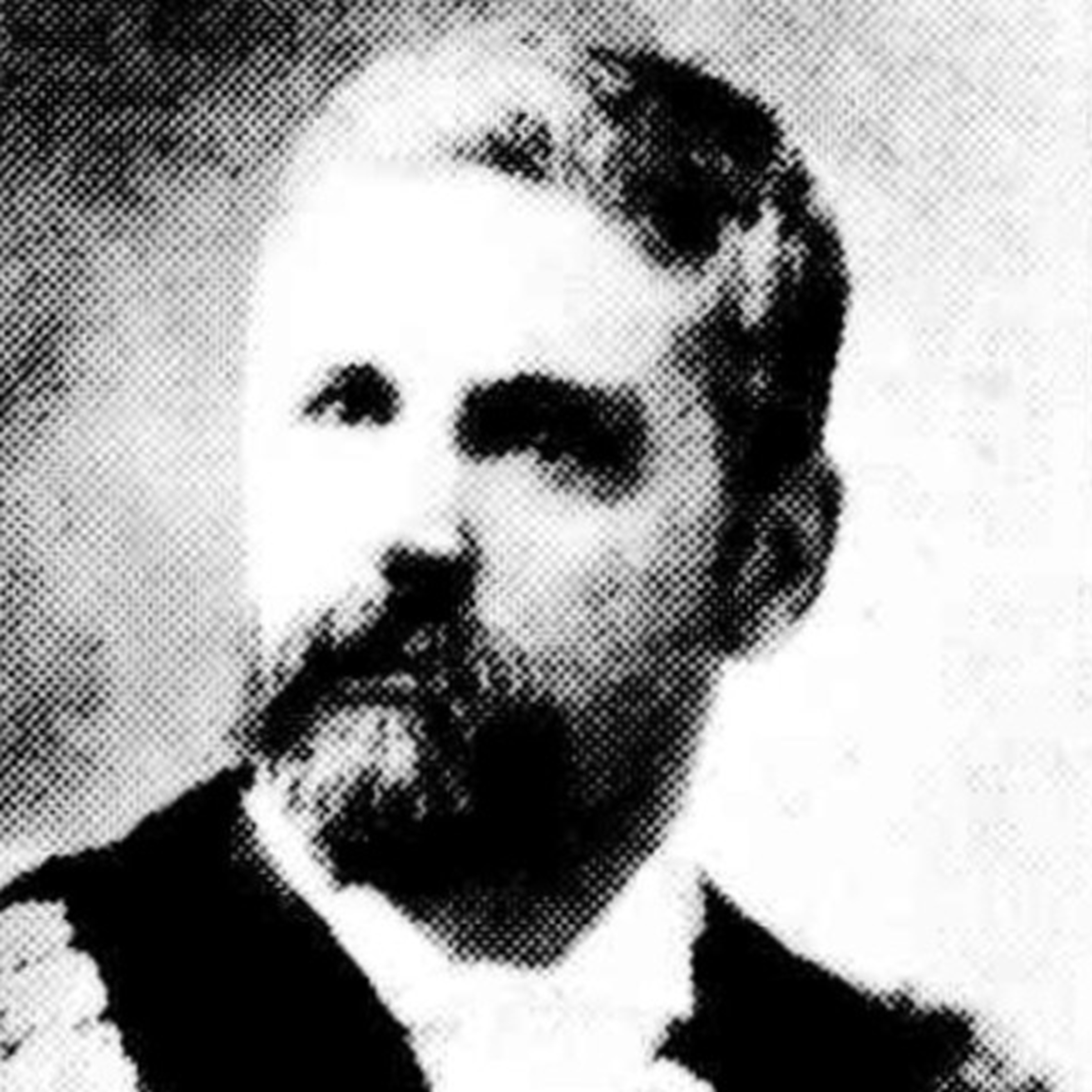
In Toowoomba, alderman Thomas Burstow, the three-time mayor of Toowoomba, arranged for the city’s fire bell to be rung at 11 o’clock as a reminder for everyone and everything, traffic, machinery, everything, to remain silent for two minutes, and there was a celebration dinner at the Town Hall that night.
For Dalby, a successful Armistice celebration for the whole district took place at Bell, with 500 people attending from Dalby, Kaimkillenbun, Squaretop, Jandowae and elsewhere. That’s when the local Returned Soldiers and Sailors’ Imperial League held their first athletics and race meeting on the racecourse. Mr. Colin Campbell, who was the best athlete in the district and later the captain of the Dalby Life Saving Club, won the blue riband professional Bell Handicap run over 100 yards.
In Pittsworth, the anniversary was celebrated by a musical, dancing, and movie night, and it went off quite well despite being organised just the day before. It was arranged by Mr. Jacob Bickerton who was a gold miner, grocer, and Pittsworth shire chairman.
In Stanthorpe, the local returned services league organised a big fete for Armistice Day to raise funds to build a soldiers’ club.
In Goondiwindi, there were no celebrations at all. However, that night Mr. Walter Parrish the secretary of the local branch of the returned services league, organised a social dance. During the war, Mr Parrish was Private Parrish who enlisted at eighteen years of age, he served with the Camel Transport Corps and rose to the rank of Quartermaster Sergeant. He served again in the Second World War.
And I reckon that’s the best part, because Parrish typified the Australian spirit, nothing was arranged so he just did it himself.
CLICK HERE TO LISTEN TO A VERSION OF THIS STORY TOLD ON RADIO 4AK.
Photo credits:
Photograph after reaching agreement for the armistice that ended World War Forest of Compiègne – Public Domain Wikimedia.
The Bulgarian delegates: Major General Ivan Lukov, Andrey Lyapchev, and Simeon Radev – Public Domain Wikimedia.
Warwick victory parade – Page 22 of The Queenslander Pictorial, 21st December 1918 via State Library of Queensland.
Thomas Burstow, Toowoomba mayor, 1919 – Queenslander, Brisbane, 1st March 1919, page 28.
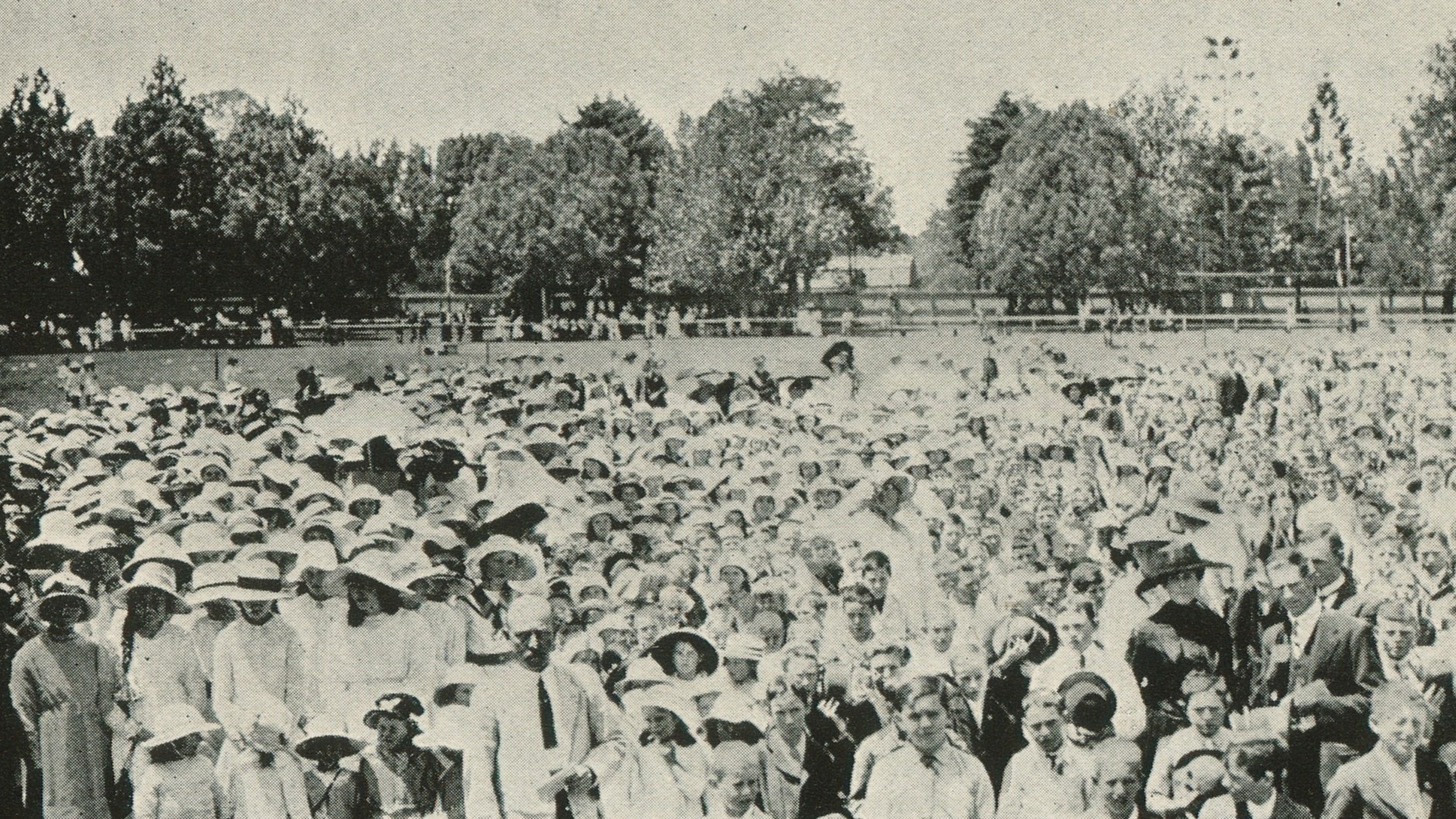
Toowoomba victory children’s day – Page 22 of The Queenslander Pictorial, 21st December 1918 via State Library of Queensland.
 History Out There