
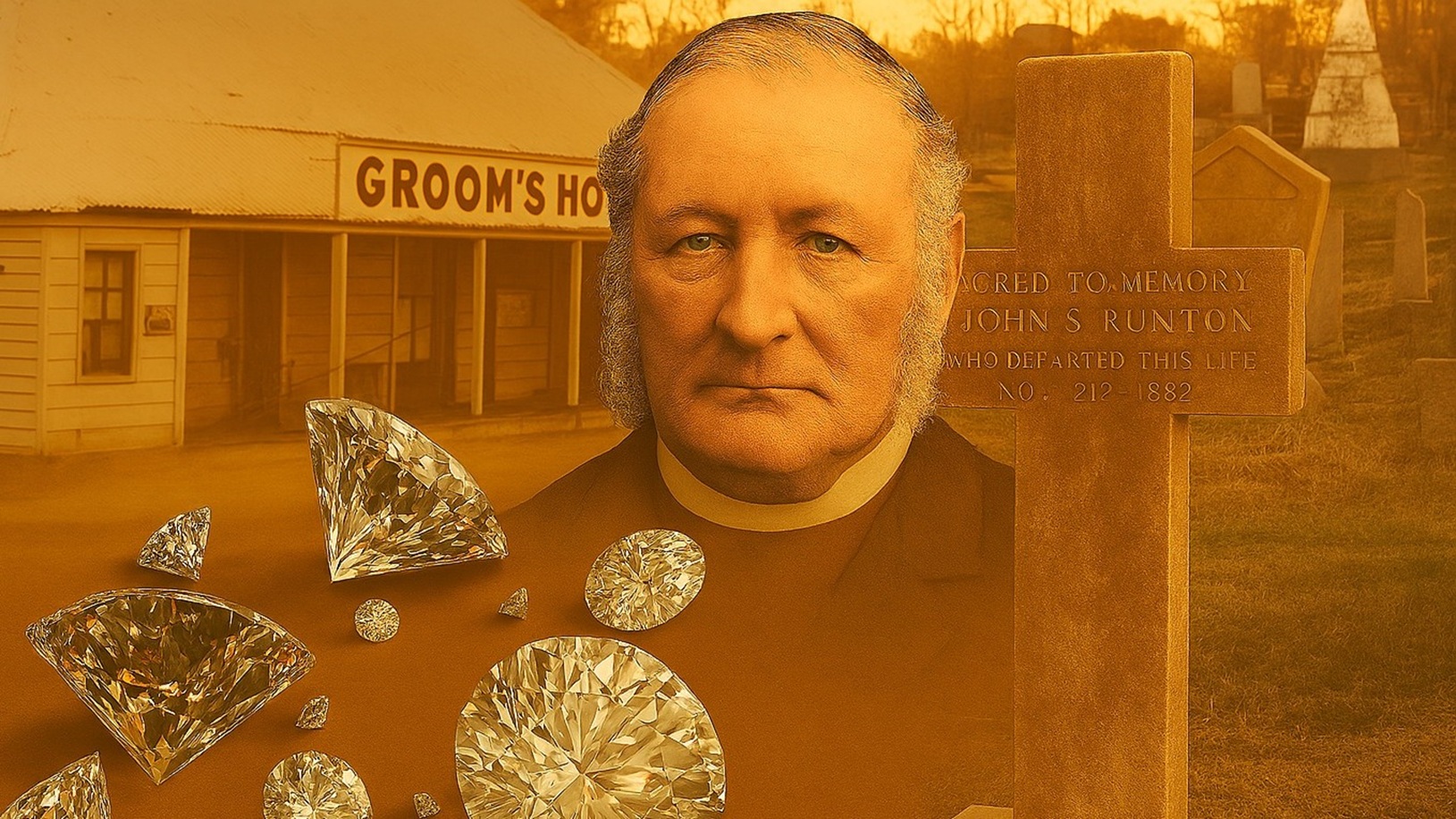
Queensland’s biggest diamond was mined in Stanthorpe in 1872 but there’s next-to-no record of what happened to it after that. I’ve researched and it appears Ipswich plays a very big part in the mystery. I told a version of this story live on Ipswich’s West Bremer Radio.
Diamonds, rubies, and sapphires began being unearthed by the tin miners of Stanthorpe in the early 1870s. Diamond fever quickly spread, and in September 1872 the biggest and most beautiful diamond ever found in Queensland came to light.
The Stanthorpe Diamond was 3 ½ carats and its uncut valuation was rumoured to be $128,000 in today’s money.
The diamond came into the possession of Mr William Groom. Groom was the inaugural mayor of Toowoomba, a member of Queensland parliament, and the only transported convict to ever sit as a member of the Federal parliament.
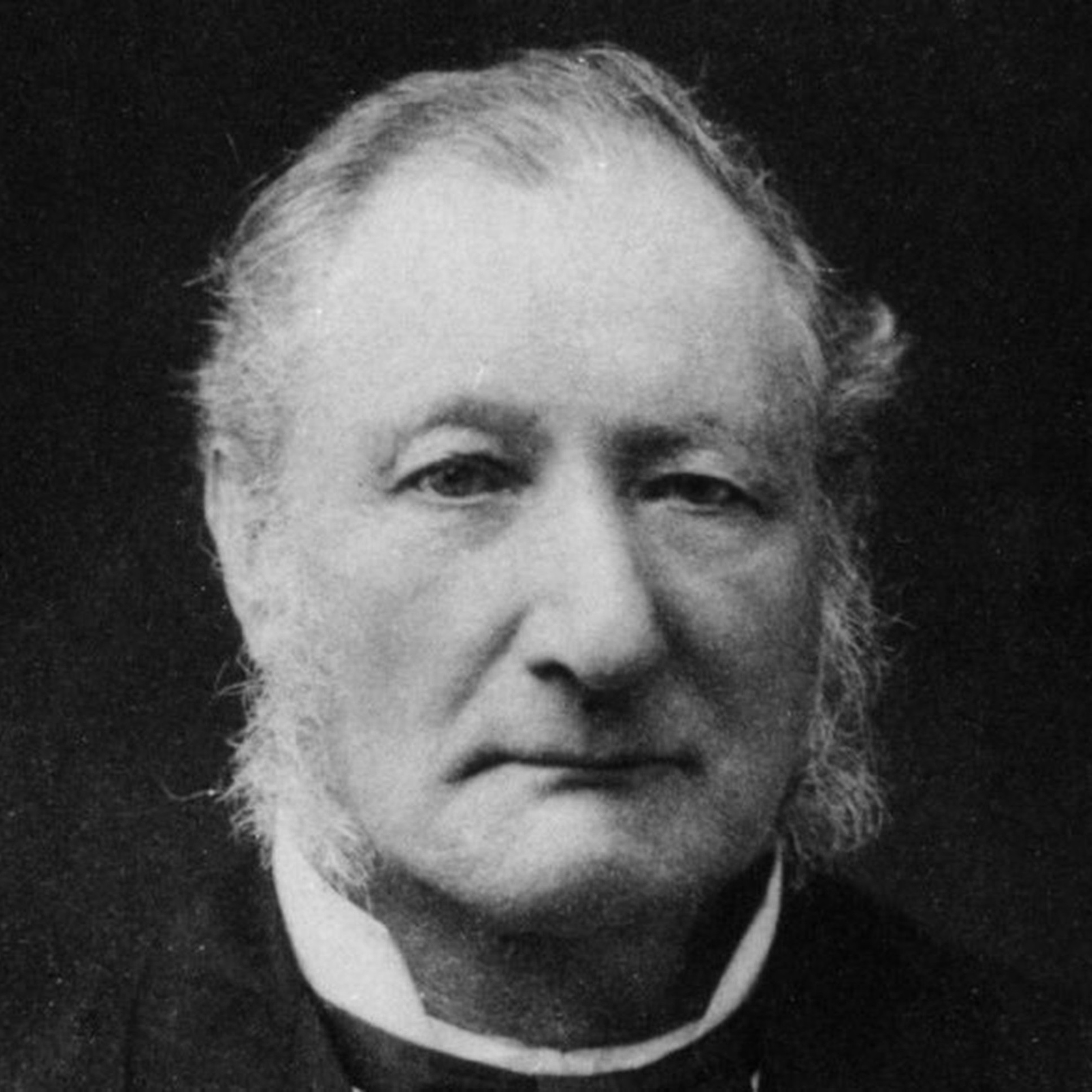
Groom forwarded the stone to Mr Edmund McDonnell. He was the manager in of the Brisbane and Sydney jewellers Flavelle Brothers and Roberts.
McDonnell took it to Mr Augustus Gregory the explorer and first surveyor-general of Queensland.
The Stanthorpe Diamond travelled from Stanthorpe to Toowoomba and to Brisbane, passing through the hands of Groom, McDonnell, and Gregory. There’s no published record about what happened to it from there. Queensland’s biggest diamond simply vanished.
There are some clues though, and it leads straight to Ipswich.
At the time, there was one diamond buyer who rushed to Stanthorpe with the intention of picking up some bargains.
His name was Mr John Ruxton. Ruxton was born in County Longford in Ireland in 1841, he was a high-profile jeweller and watchmaker of Ipswich, and at the time of the diamond rush was being quoted in newspapers across the country on almost a daily basis.
Early in his career, Ruxton won prizes for his figurines, was chairman of the Ipswich Hibernian Society, and he also wielded quite some influence.
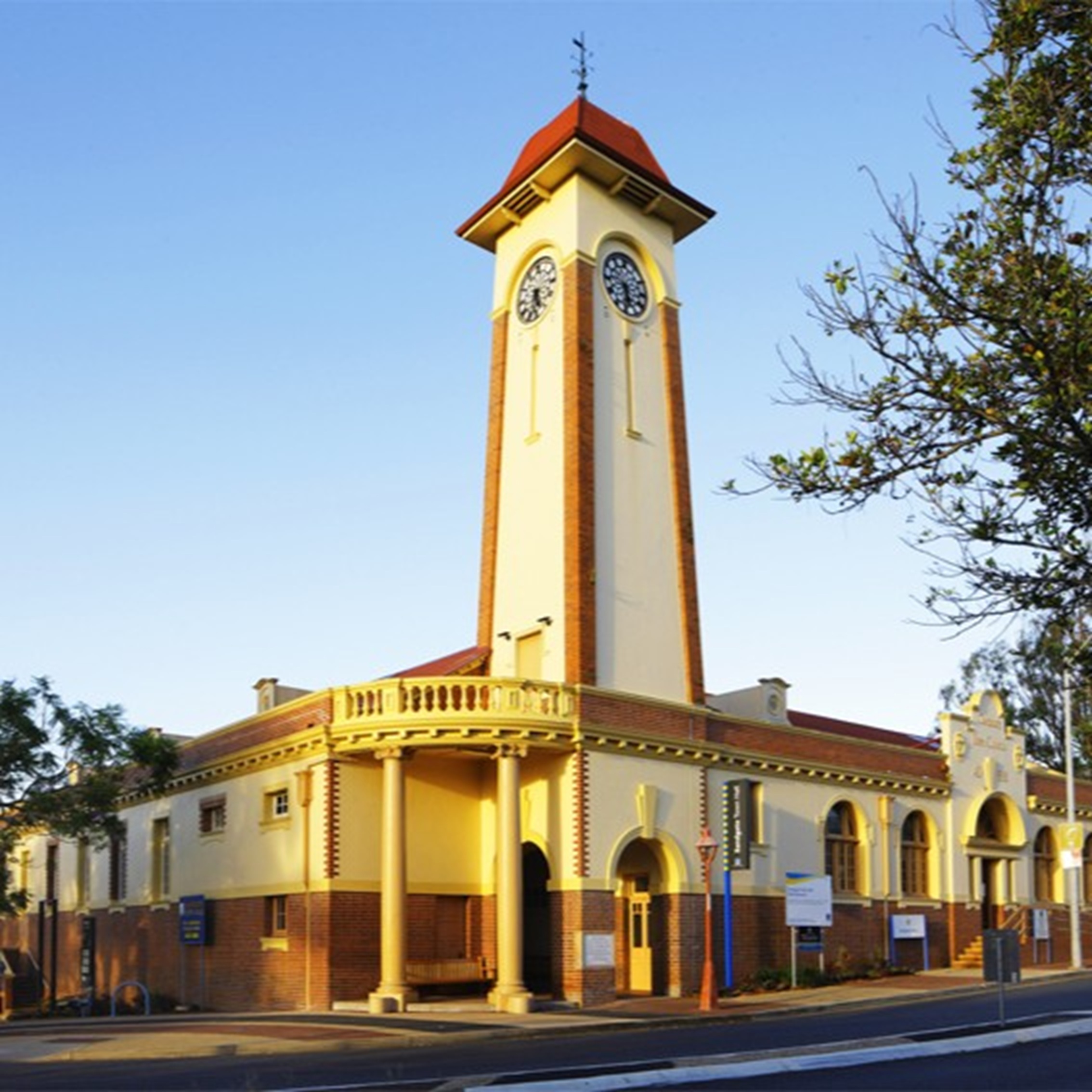
Following the death of Queensland’s governor Blackall in 1871, Ipswich was arranging a Blackall memorial clock to go above Ipswich’s School of Arts building. The Ipswich mayor Samuel Shenton, who had built the School of Arts, wanted the clock sourced locally, but Ruxton insisted that it brought from London, and Ruxton won. Today, Ruxton’s Ipswich clock is the oldest working clock in Queensland and can be seen above the old Town Hall in Sandgate.
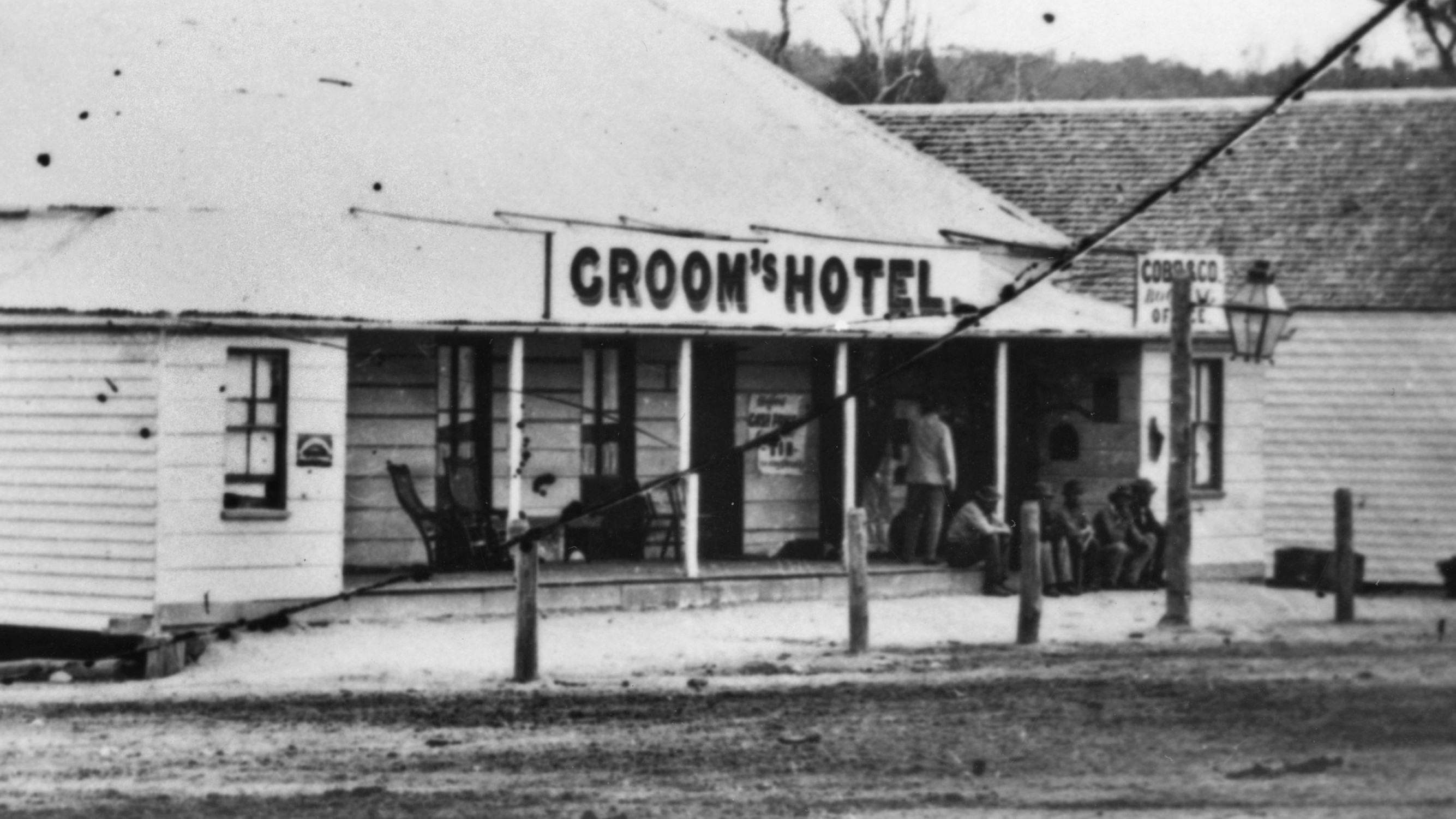
Meanwhile with the discovery of diamonds, Ruxton went to stay in Stanthorpe at the newly opened Groom’s Hotel owned by the Toowoomba politician William Groom. Ruxton talked down the value of the rough diamonds he saw, and he viewed over one hundred of them. One was the Stanthorpe Diamond which he said was the biggest and most beautiful he had seen. But at the same time he again talked down the value, saying it was worth only one-third of the rumoured value and that it should just be split into a number of smaller stones.
But Ruxton was not to be entirely trusted. You see, in 1867 as a young Ipswich jeweller in his mid-twenties, Ruxton went broke with debts of $320,000 in today’s money.
Come 1874, two years after the discovery of the Stanthorpe Diamond, Ruxton left Ipswich in favour of the capital Brisbane, set up a grand shop in Fortitude Valley, got his auctioneers’ license, and again went broke. Interestingly he was represented by the solicitor William Miskin who himself would create a sensation when he disappeared with his young servant girl.
In 1876, Ruxton was once more in search of diamonds so relocated to Warwick while his younger brother Charles Ruxton went to work in the Stanthorpe tin mines, presumably looking for diamonds for his brother. Charles was an excessive drinker and died in the police lock-up.
In 1882, Ruxton was still a young man of forty-one years of age, secretary of the Warwick School of Arts and a jeweller on Palmerin Street, when he died an agonising death from cancer.
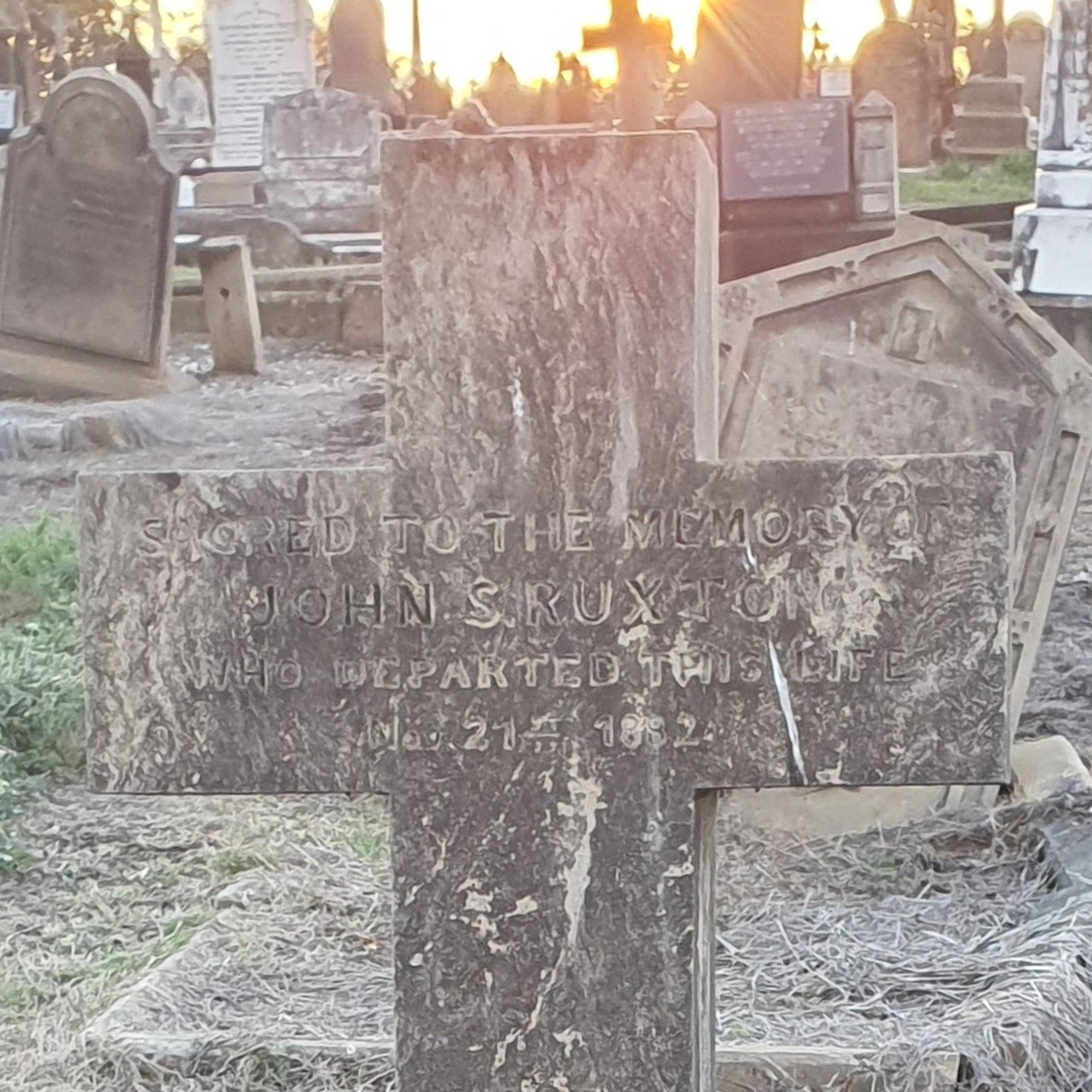
Ruxton was the last person reported to have seen the Stanthorpe Diamond.
The dominant theory is that in 1873 Queensland’s biggest diamond found its way into the hands of Ipswich’s John Ruxton, possibly through a relationship with the politician Groom. Ruxton then cut the diamond into smaller stones and sold them in an effort to rebuild his wealth. The whole truth may have died with him, but the mystery trail definitely leads to the Ipswich jeweller.
CLICK HERE TO LISTEN TO A VERSION OF THIS STORY TOLD ON WEST BREMER RADIO.
Photo credits:
Representation of the Groom Ruxton Diamond Connection story – Copilot image.
William Henry Groom – State Library of Queensland.
Sandgate Town Hall – Brisbane City Council.
Groom’s Hotel, Maryland Street, Stanthorpe, 1872 – State Library of Queensland.
John S Ruxton, Warwick General Cemetery – Shelley 2022 via Find a Grave website.
 History Out There
[…] Now read The Groom-Ruxton Diamond Connection. […]
LikeLike