
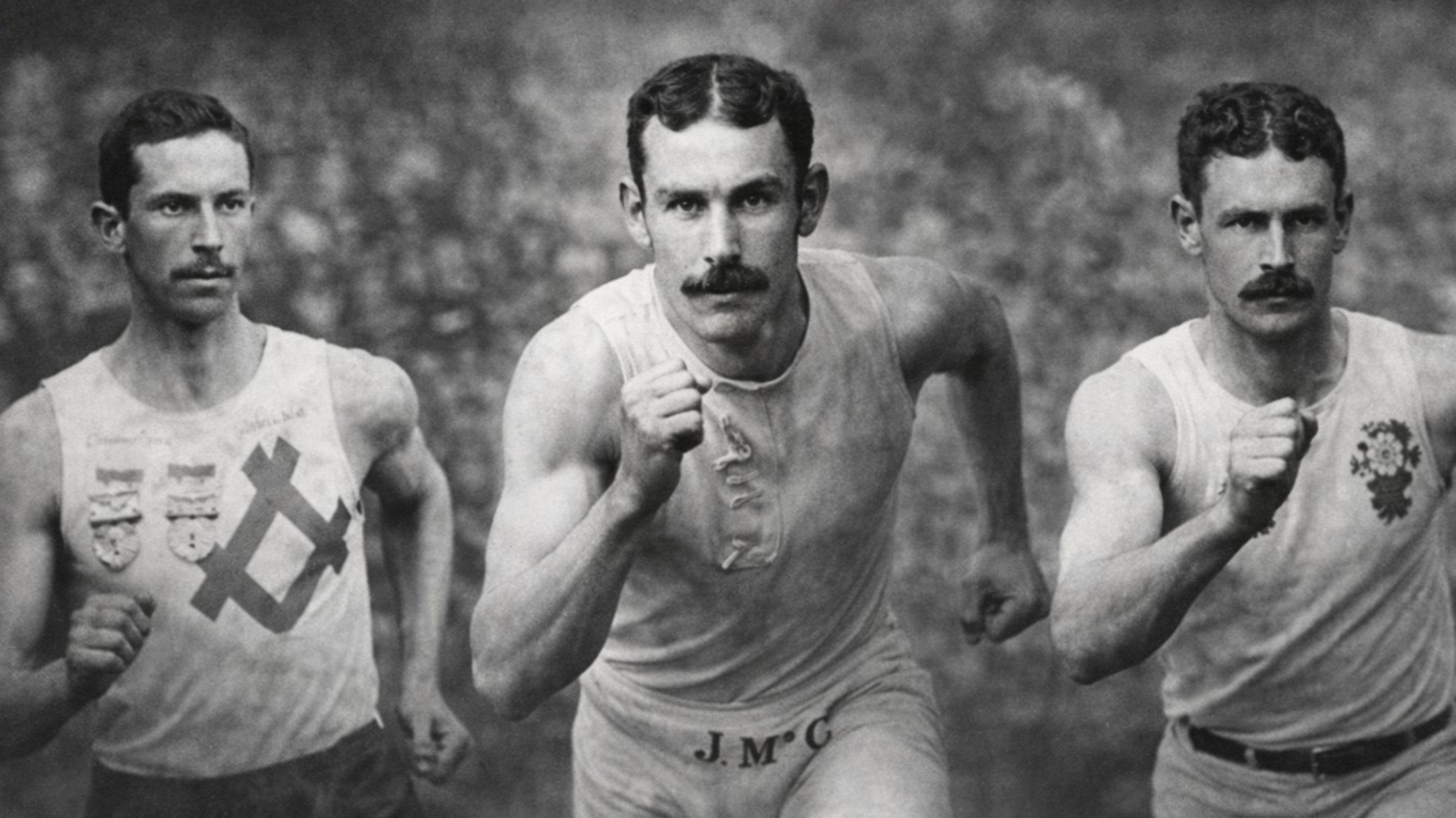
Australia’s greatest professional sprinter benefited from a highly profitable sting in the 1880s. I told a version of this story live on Ipswich’s West Bremer Radio.
Last month would have been his 160th birthday. James McGarrigal was born in Syntax Street, Ipswich, Queensland, on the 6th of April 1866. He was the son of John McGarrigal who in 1868 moved the family from Ipswich to Laidley where he had acquired a farm called Spring View.
James or Jim McGarrigal in his day was one of the most famous runners in Australia. He made his debut as a sprinter when seventeen years old, winning a Maiden Plate over 100 yards at an Ipswich sports day.
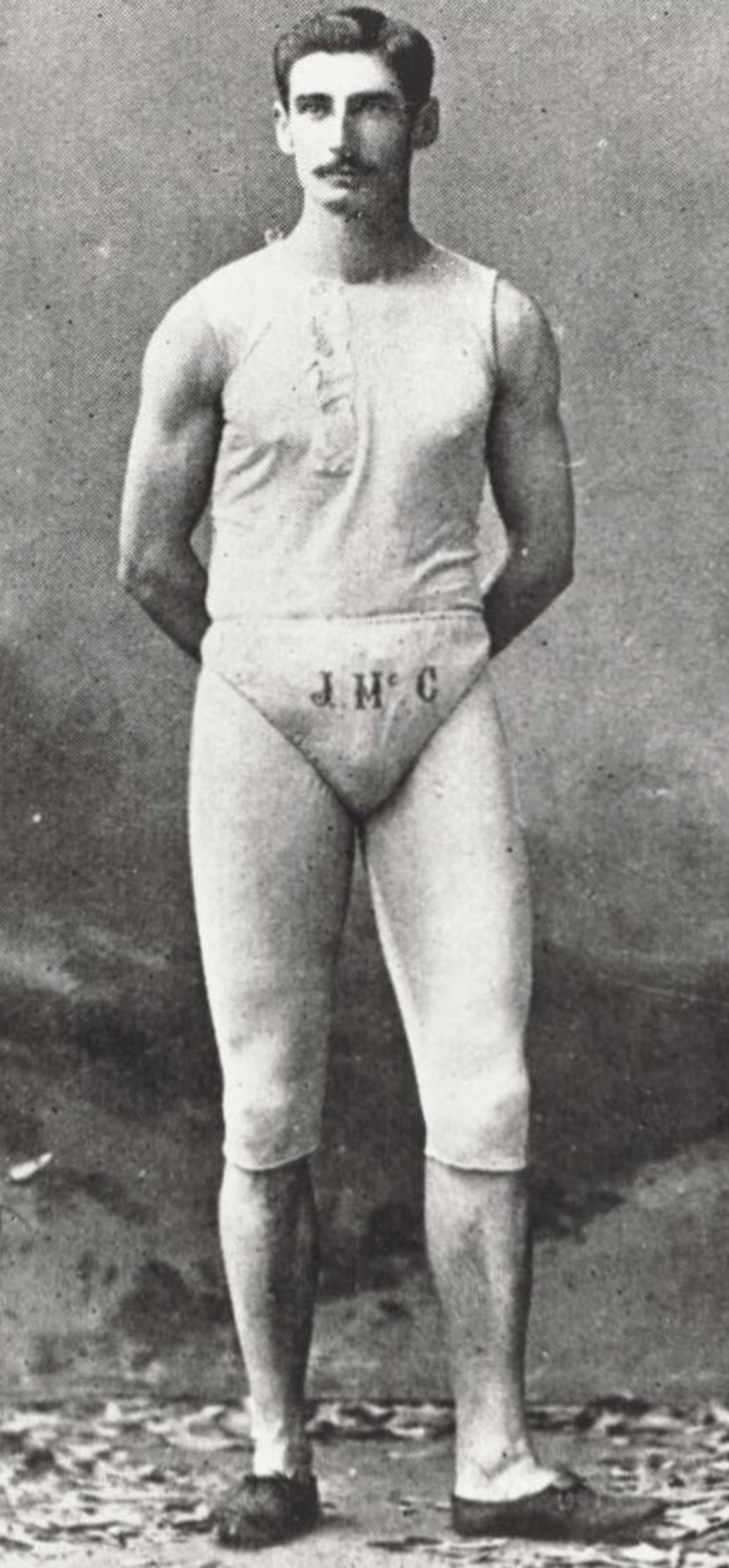
He went on to win the biggest race in Australia which was the richest Botany Handicap ever run. He followed that with victory in the also famously rich Carrington Cup. In both events he met and beat the cream of international runners.
McGarrigal won the £800 Botany Handicap in Sydney in 1888, and ran the distance 70 yards inside evens twice on the one day which means under 6.3 seconds, the second time against a blinding storm. McGarrigal was said to have won £3,500 or around $3.7 million over the event, while his father John the Laidley farmer pocketed £1,000.
He won professional races across New South Wales, Victoria, and Queensland. All up his thirty-six wins were worth £2,000 in prize money besides trophies valued at £100 and the betting and side wagers which was what professional running was all about back then.
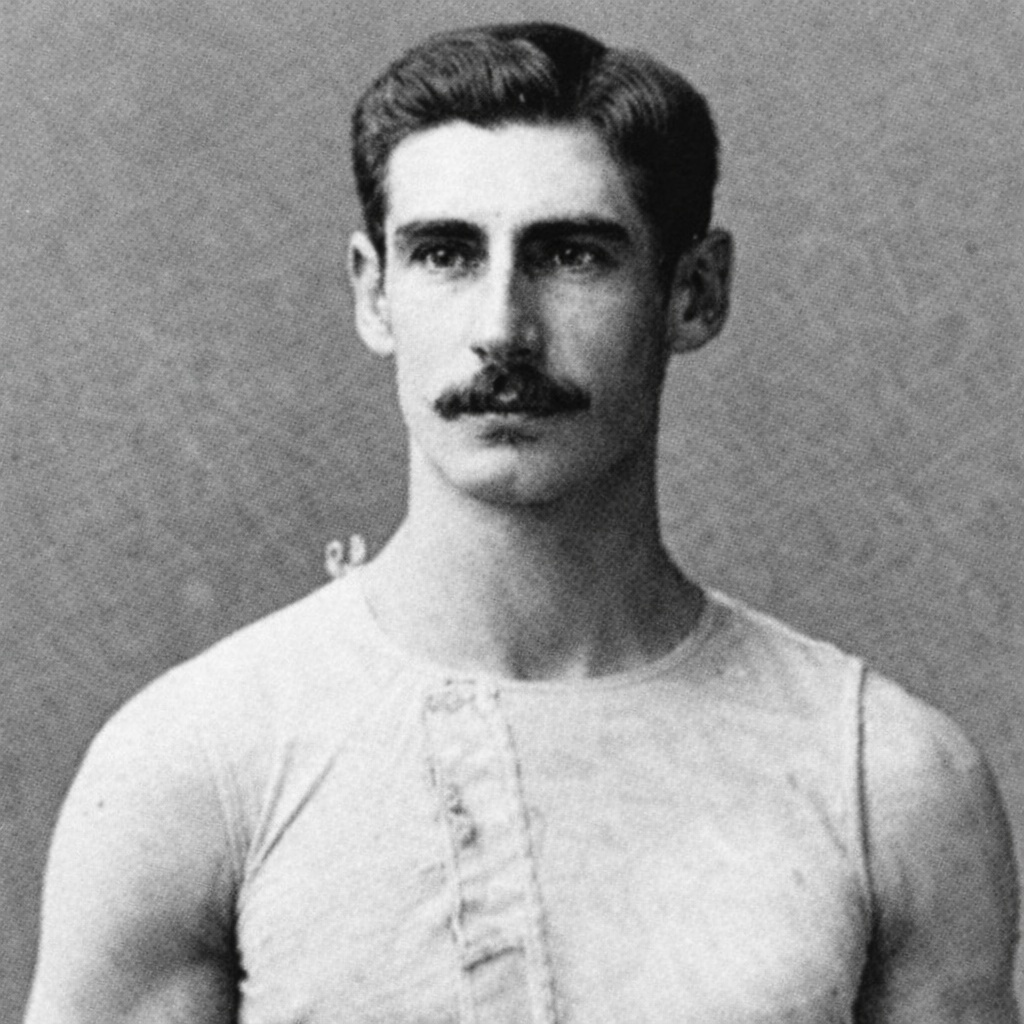
When McGarrigal retired, he went home to farming at Laidley, where he became a recognised authority on lucerne growing.
He remained a fair cricketer. At the age of forty-two, McGarrigal secured consecutive centuries as he carried his bat for scores of 119 not out and 140 not out for Laidley in the Lockyer Cricket Association.
As far as racing is concerned, McGarrigal turned to officiating horse racing and was the official starter for the Ipswich Amateur Turf Club, the Queensland Turf Club, and the Brisbane Amateur Turf Club.
With all this winning colossal amounts of money in professional handicap races, you’ve got to wonder how he did it. You’d think the handicaps and betting odds would eventually become too prohibitive.
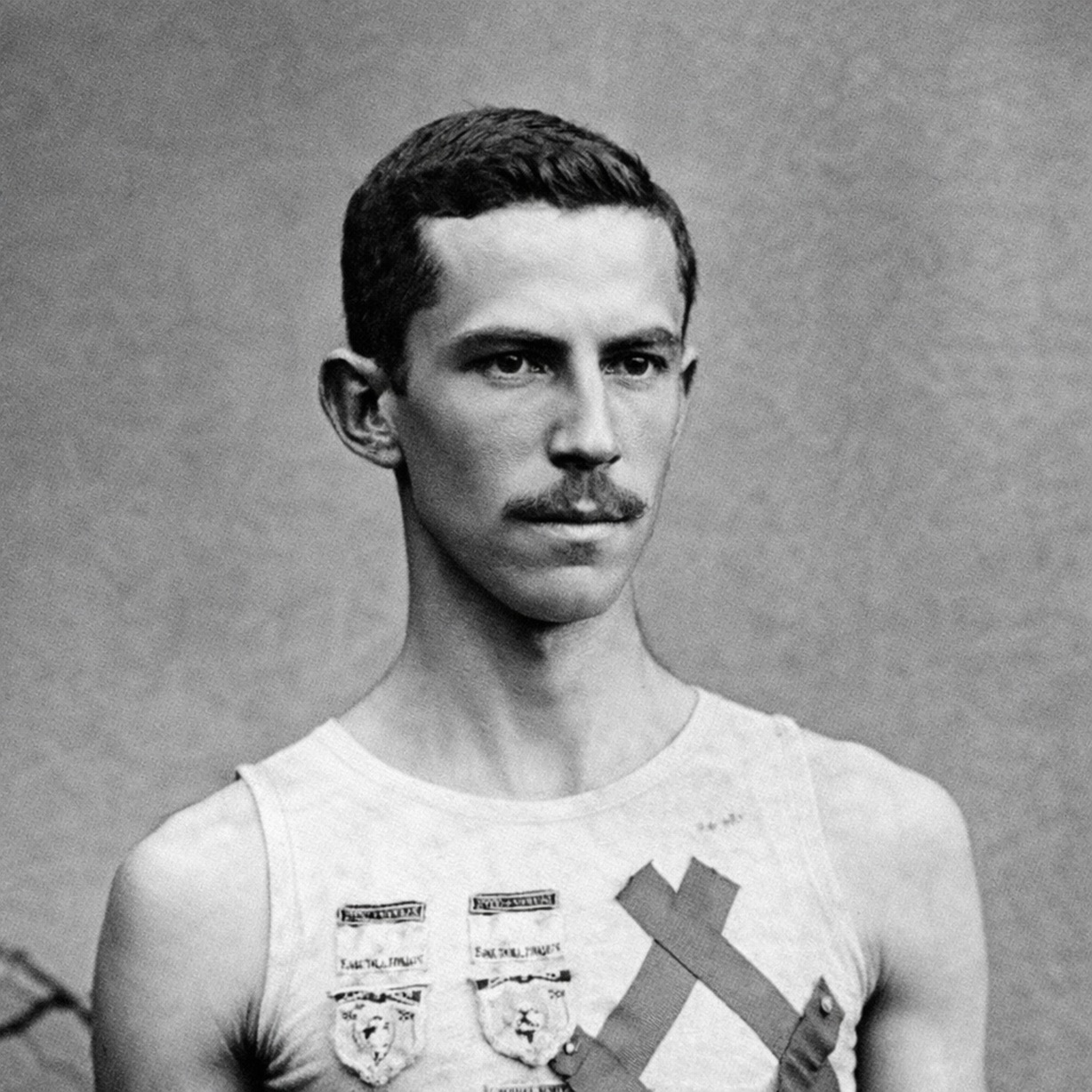
Well it seems that McGarrigal had canny managers who knew exactly what they were doing, such as this sting in the late 1880s.
William Flanigan in his heyday was one of the greatest runners in Australia. He was the first man to defeat Tom Malone, who up to the time was the Australian champion with claims to be world champion. Malone had beaten Lon Myers the American world champion at Birmingham in England, W.O. Phillips the fastest amateur England ever produced at Stoke-upon-Trent, turned professional and beat John Aplitt the Australian champion. So Malone was no mug, and therefore neither was Flanigan.
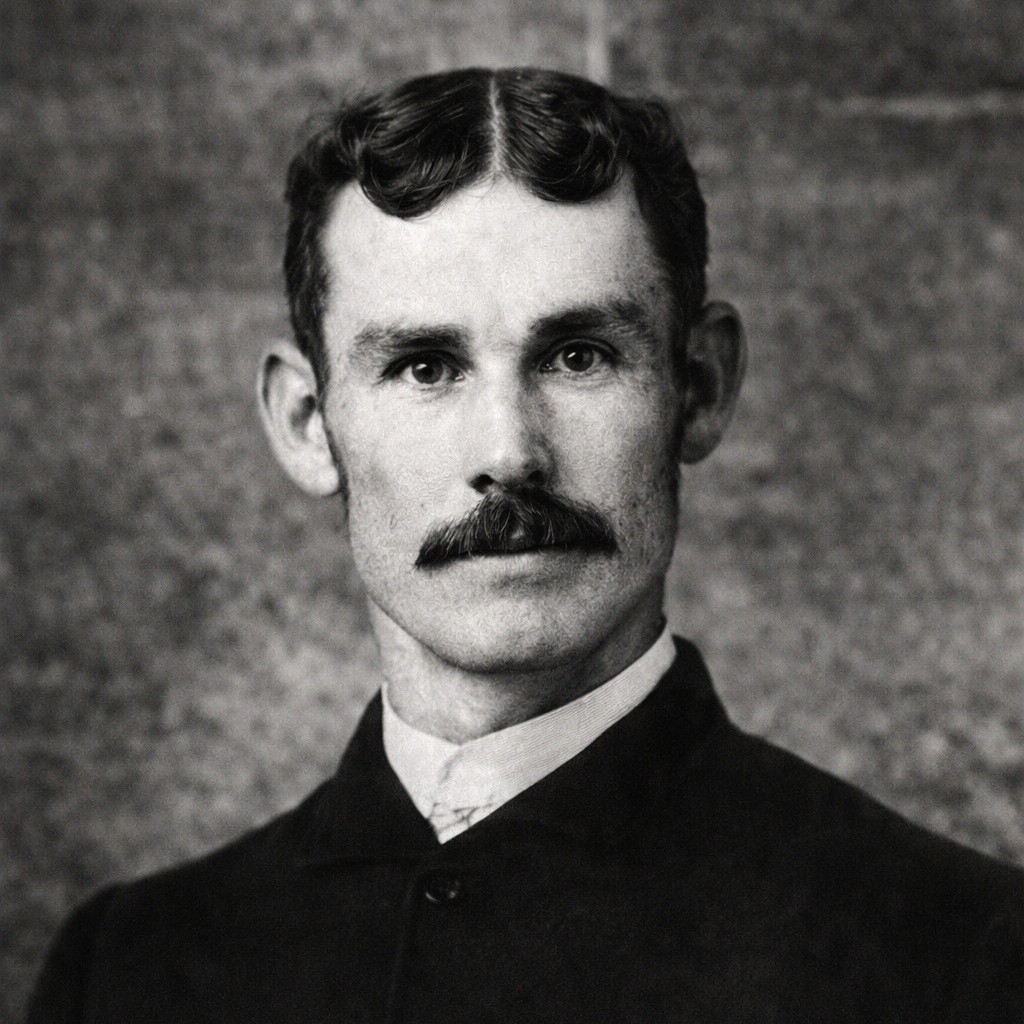
When a £50 Sheffield Handicap was scheduled in the Bega district of New South Wales, Flanigan was brought down from Cooma by his backers to win it. However, a dark horse loomed in the shape of Ipswich’s Jim McGarrigal. No one knew McGarrigal except for his backers. He had been brought down from Queensland on the ‘dead quiet’ to catch the Flanigan party. He beat Flanigan comfortably, and a lot of money changed hands that day.
So all up, Ipswich’s McGarrigal was Australian champion, one of our greatest professional runners ever, and could even have had claims to be world champion.
Late one evening in 1908 his father John, who had enjoyed his son’s success as much as anyone, was found unconscious on the Laidley Creek road. He had a fractured skull from which he never recovered.
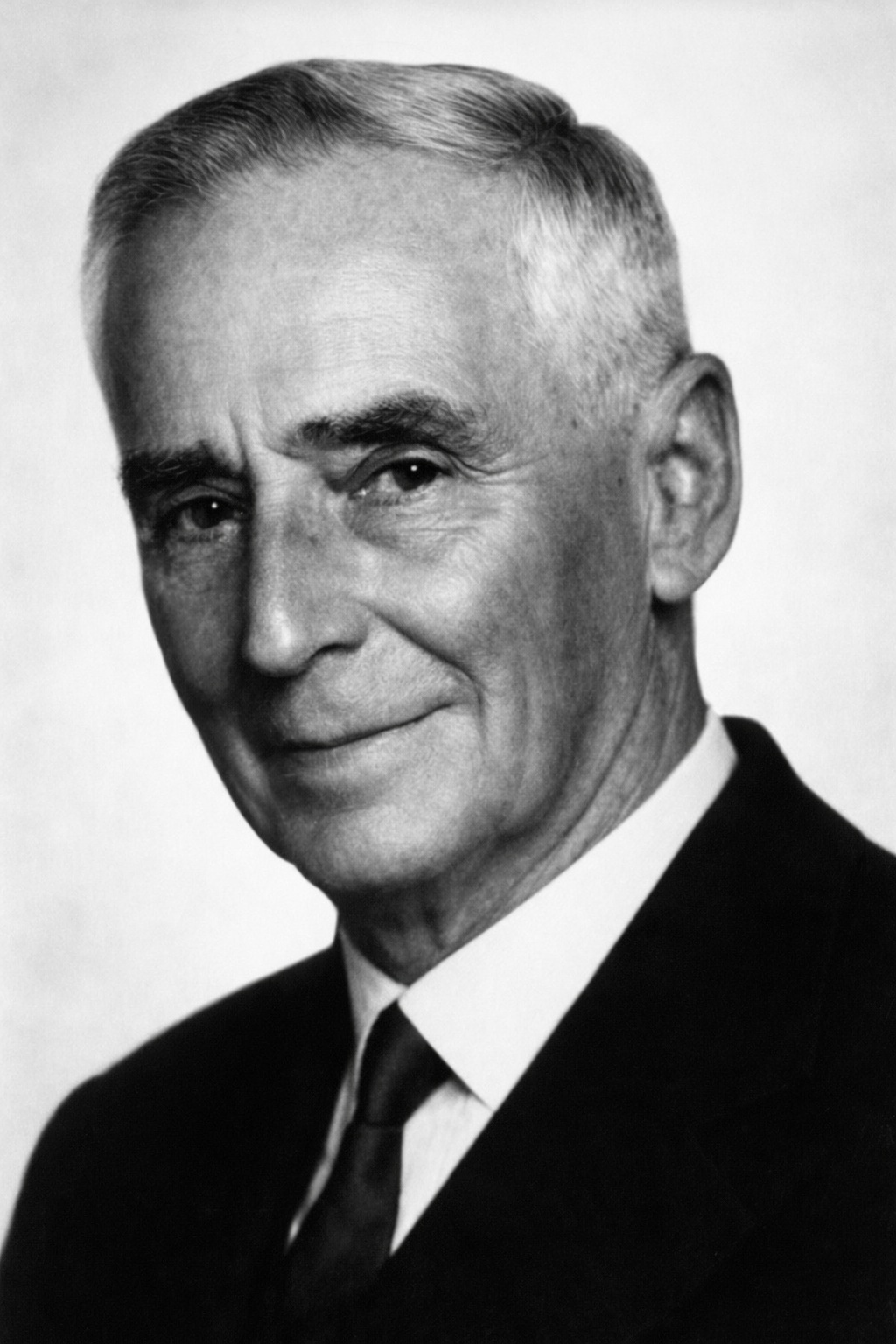
Jim McGarrigal himself passed away on the 5th of April 1934 and is buried in Laidley cemetery rightly under an impressive marble memorial. But I think there should be more said about someone who was quite simply the greatest runner of his day.
CLICK HERE TO LISTEN TO A VERSION OF THIS STORY ON WEST BREMER RADIO.
Photo credits:
Jim McGarrigal professional runner, Sydney, New South Wales c1885 – Bruce Howard Collection National Library of Australia.
Jim McGarrigal professional runner c1885 – Bruce Howard Collection National Library of Australia – sharpened with Copilot.
Lon Myers 1880 – Wikipedia Commons – sharpened with Copilot.
Tom Malone – Referee, Sydney, 22nd June 1927, page 15 – repaired with Copilot.
Jim McGarrigal – Courier-Mail, Brisbane, 6th April 1934, page 8 – repaired with Copilot.
 History Out There