
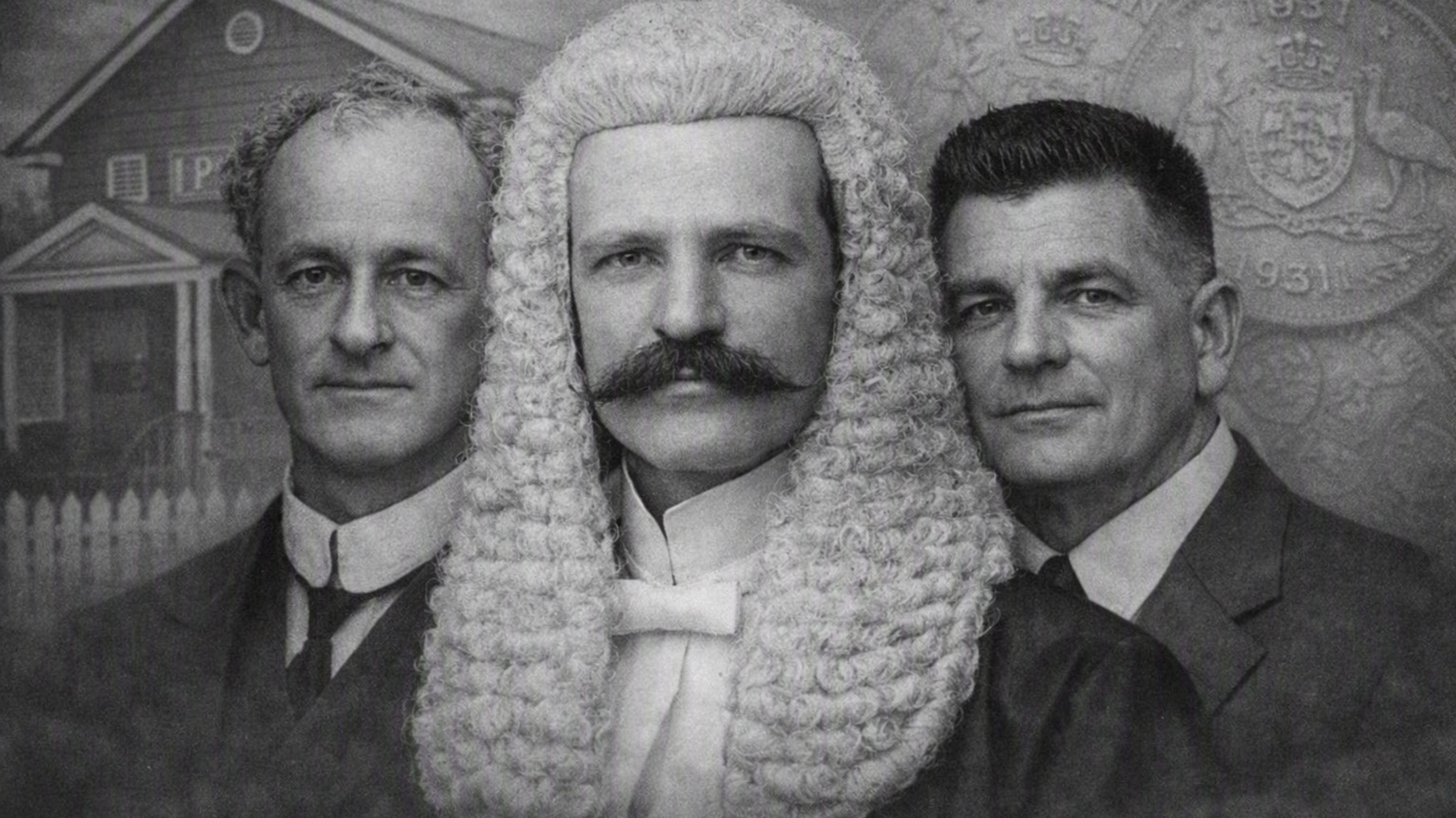
In a Queensland court case a century ago, a simple drover was convicted but the real perpetrators were never brought to justice. I told a version of this story live on Darling Downs radio 4AK.
The crime for which he was convicted carried a penalty of hard labour for life, but the presiding judge knew that something was afoot.
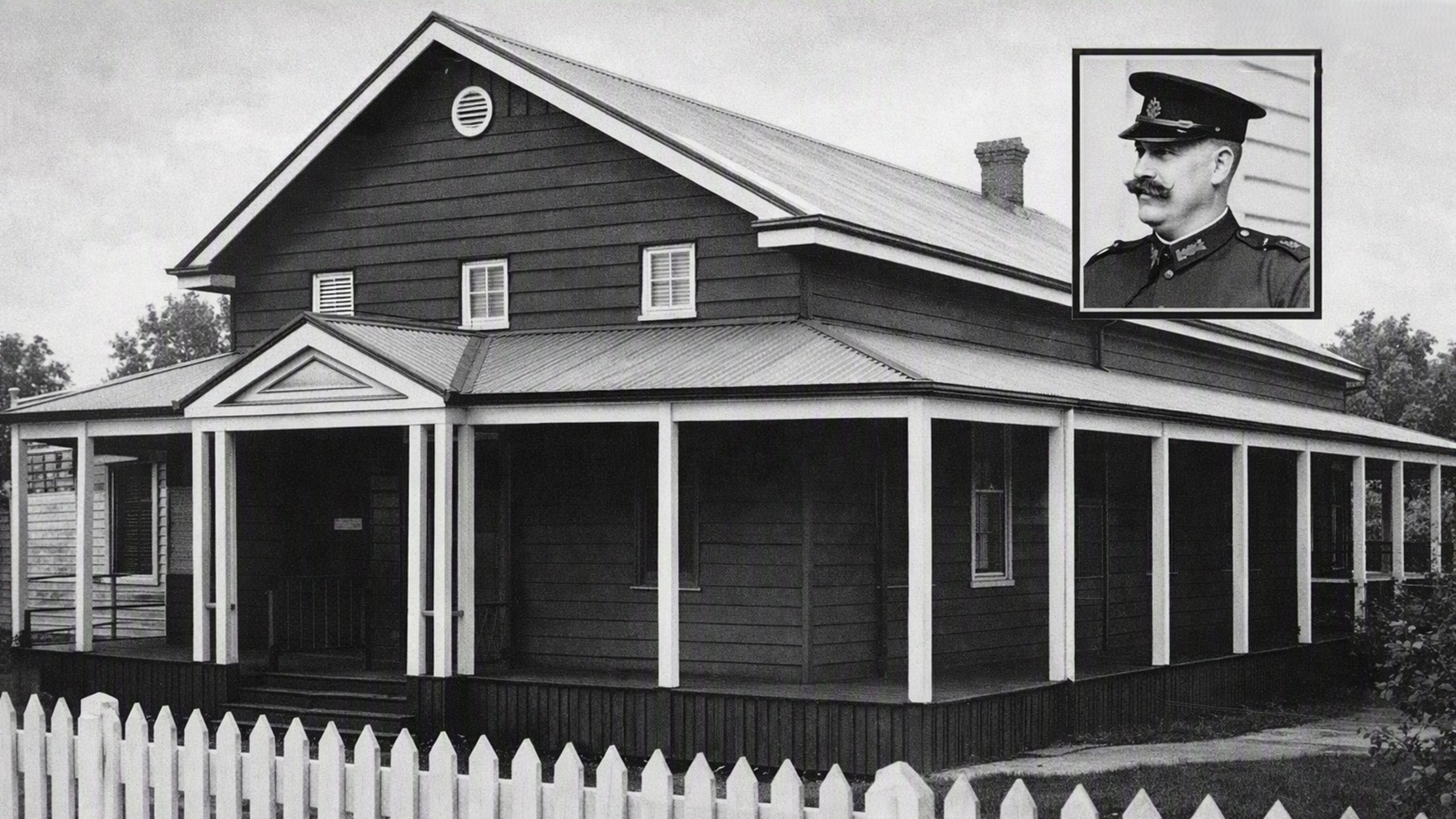
In 1931, a drover by the name of Robert “Bob” O’Brien was charged in the Dalby Police Court with making counterfeit silver coins which he intended to pass off for florins, shillings, sixpences, and threepences.
O’Brien was thirty-four years old and unmarried. He was born in Sydney and grew up in Moree. When he was nineteen he arrived at Goondiwindi where he worked with his stepfather for four years, he went to Warwick for two years and began work as a drover, and then for nine years up to the time of his alleged offence he lived in Dalby.
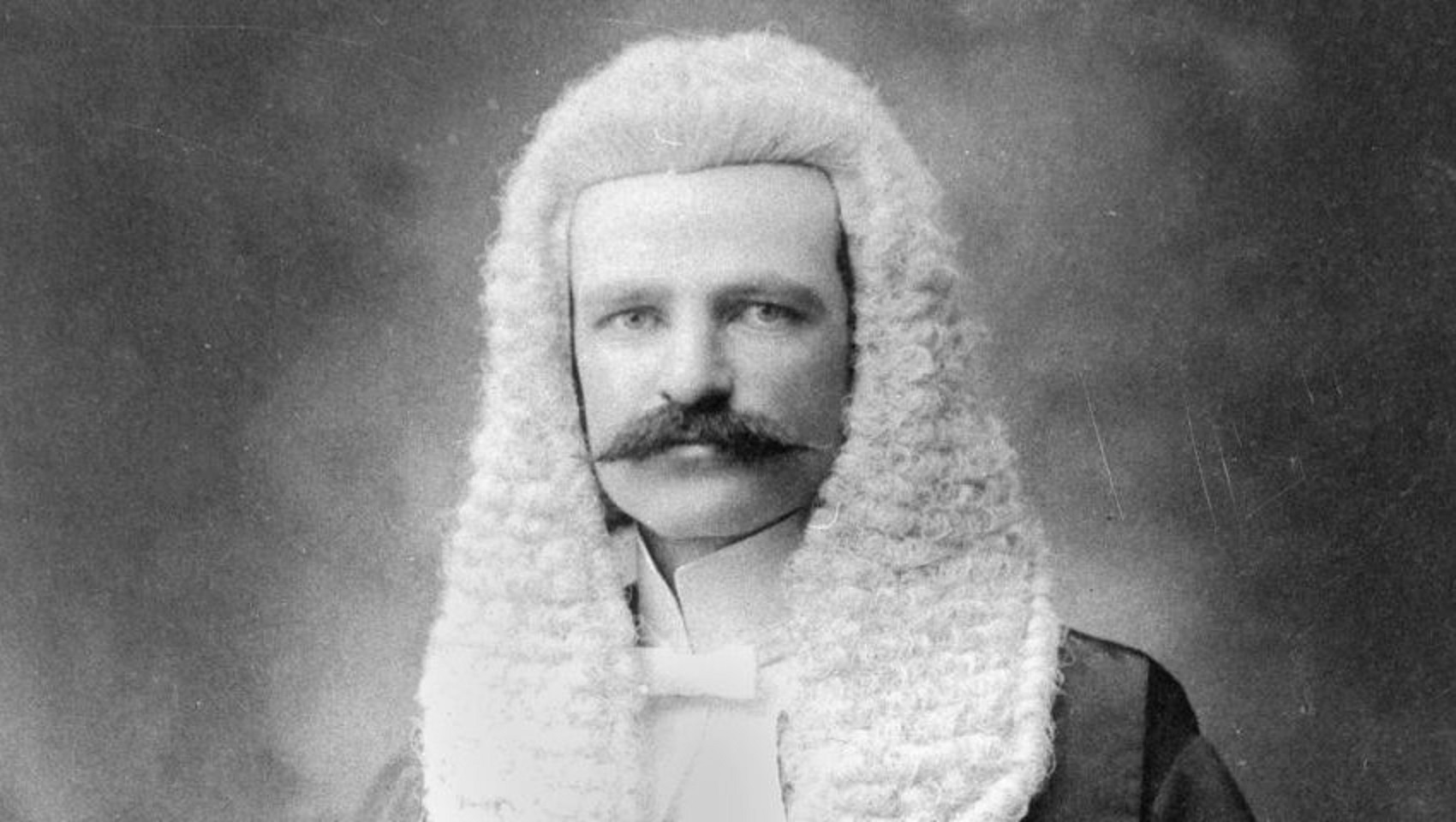
The judge in the supreme court was Queensland’s Chief Justice and former attorney general Sir James Blair. The prosecuting police included Dalby’s Sergeant Patrick McGreevy and Toowoomba’s Detective Sergeant Frank Kearney who was later promoted to inspector, put in charge of the C.I.B. and got a hole-in-one at the Nudgee golf course.

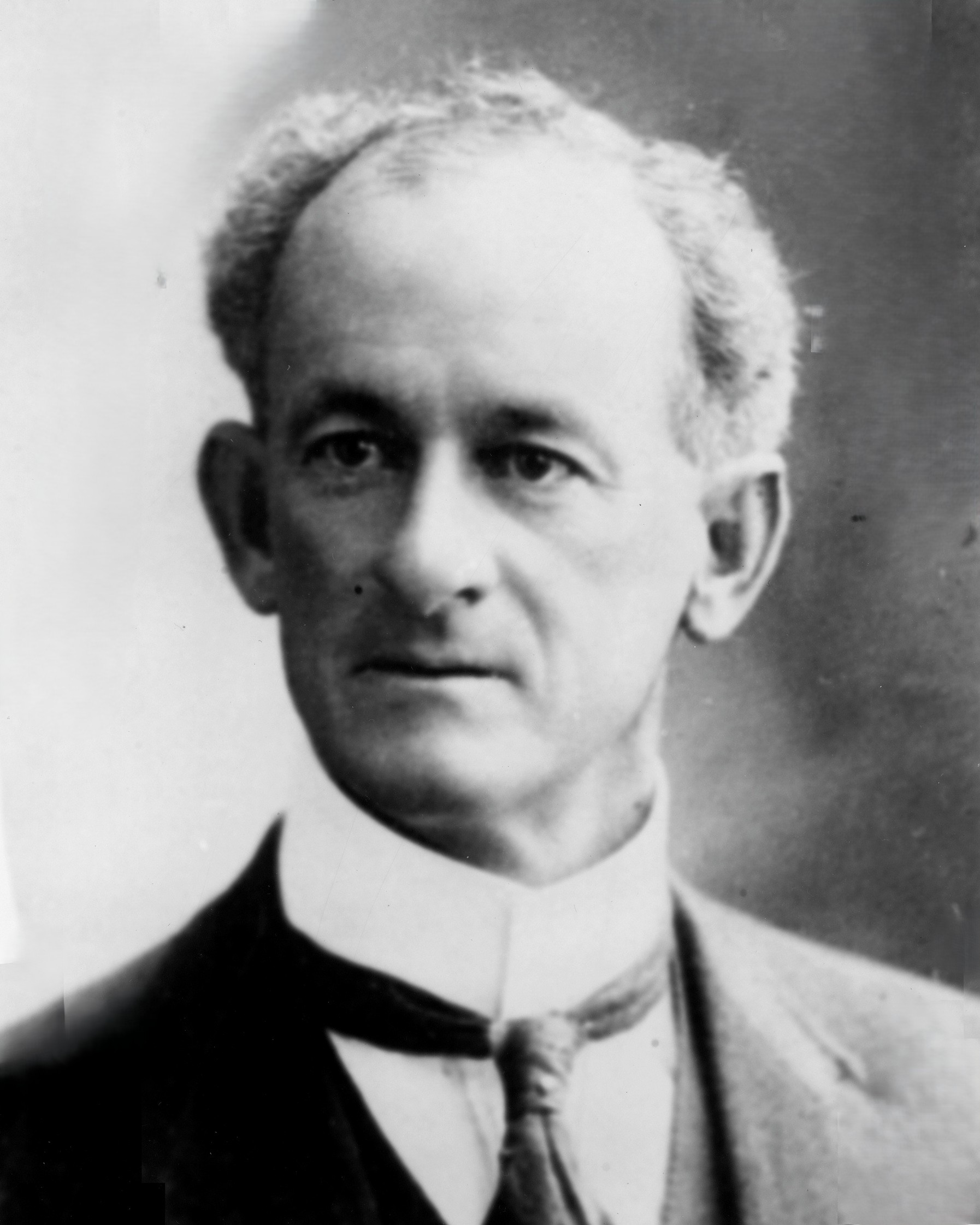
Defending O’Brien was Mr. William Vowles who was the former leader of the opposition and member for Dalby in the Queensland parliament.
The prosecution effectively acted as a witness for the defence. It admitted that O’Brien had not previously been convicted of any offence, was unable to read or write, was a hardworking man of good character, and that he appeared of a simple nature. In other words he was a bit slow.
O’Brien initially pleaded not guilty but once he arrived in the supreme court changed his plea to guilty and so was convicted. But there were so many other more likely suspects.
It was the spinster Johanna Halley who first reported the coins when she was given them in her shop on Bunya Street in Dalby. She said that not once but twice she was given fake florins by a little girl named Smith.
The police went to the Smith home and were led by the girl’s brother Adam to their father William Smith who was at a camp with O’Brien by the Condamine River, about one and a half miles from Cecil Plains. As the police soke to him, O’Brien clumsily tried to hide his knotted handkerchief which held a number of the offending coins.
O’Brien was arrested and in turn led police to the home of Mrs Madge Taylor at Cecil Plains. Madge admitted that she had written letters to a Melbourne firm asking for a die to make coins, but claimed she only did it because she was asked to by O’Brien.
The police then raided the house of a man named William Johnson, two and a half miles from Dalby along the Cecil Plains road, and found the full counterfeit-making kit. There was a die for a florin, a plaster of Paris mould for a florin, a piece of white metal, a quantity of prepared metal in a tin, one counterfeit half-crown, a letter containing instructions for operating the die, a recipe for mixing metals, a blow lamp, and a package of plaster of Paris. Johnson pointed the finger at O’Brien.
The judge in his summing up stated the obvious, that he had not got all the facts, he believed that others were involved, and that O’Brien was not the brains of the affair. Counterfeiting carried a maximum penalty of hard labour for life, but O’Brien was given just a £100 three-year good behaviour bond.
But why weren’t the others ever prosecuted. Afterall, Adam and his father William Smith were already known to police, and the father would later be convicted of assaulting a woman with a stock whip. Perhaps they were informers they were still needed in the field.
Madge Taylor probably avoided scrutiny because she was a pillar of society. After all, she was the vice president of the Cecil Plains School of Arts, and vice president of the Cecil Plains branch of the Queensland Country Women’s Association.
And there was William Johnson in whose house all the counterfeiting equipment was found. Not long afterwards, Johnson suddenly died and was found dead in his bed by none other than O’Brien.
So whatever the truth was, the simple drover Bob O’Brien was probably set-up as a decoy and if needed to take the fall. The whole affair was all very strange.
CLICK HERE TO LISTEN TO A VERSION OF THE STORY TOLD ON 4AK.
Photo credits:
The Counterfeit Florin Affair – Harold Peacock with Copilot.
Dalby Police Court where O’Brien was charged Sergeant McGreevy inset – Truth, Brisbane, 16th August 1931, page 16 – repaired with Copilot.
Sir James William Blair – State Library of Queensland.
Inpsector Frank Kearney – Truth, Brisbane, 7th January 1940, page 8.
William John Vowles – State Library of Queensland.

