
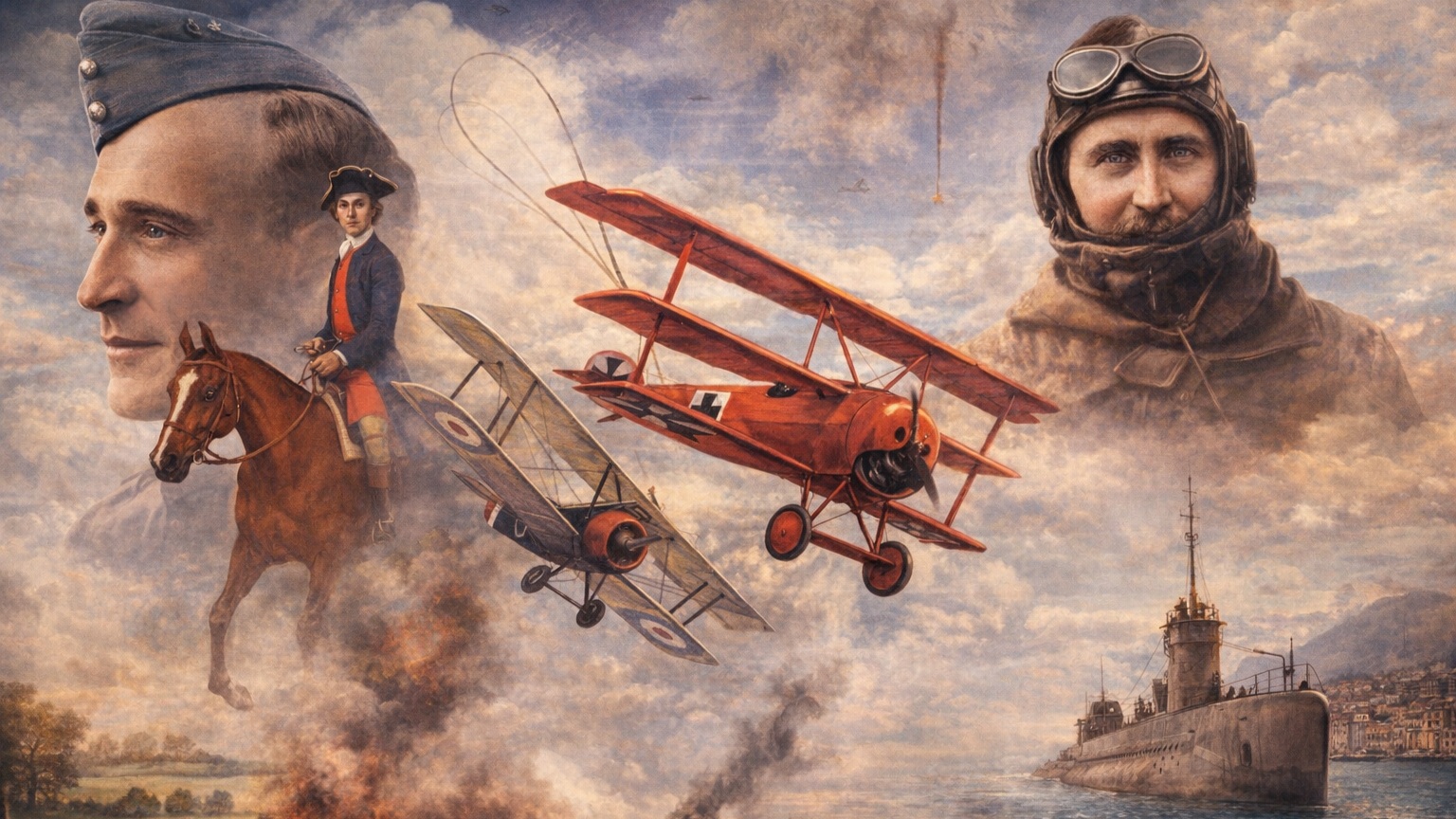
This Anzac wasn’t awarded any bravery medals, but his is an amazing First World War story from Goondiwindi like no other. I told a version of this story live on Darling Downs radio 4AK.
Frederick Dundas Corbet Gore was known by family and friends as “Dassie”. He was born on the 1st of December 1885 at “Pikedale” station on the Southern Downs near Stanthorpe, Queensland. He was the son of Darling Downs grazier St George Richard Gore of Yandilla and the great-great-grandson of Sir Ralph Gore, 4th Baronet, a member of the Irish peerage.
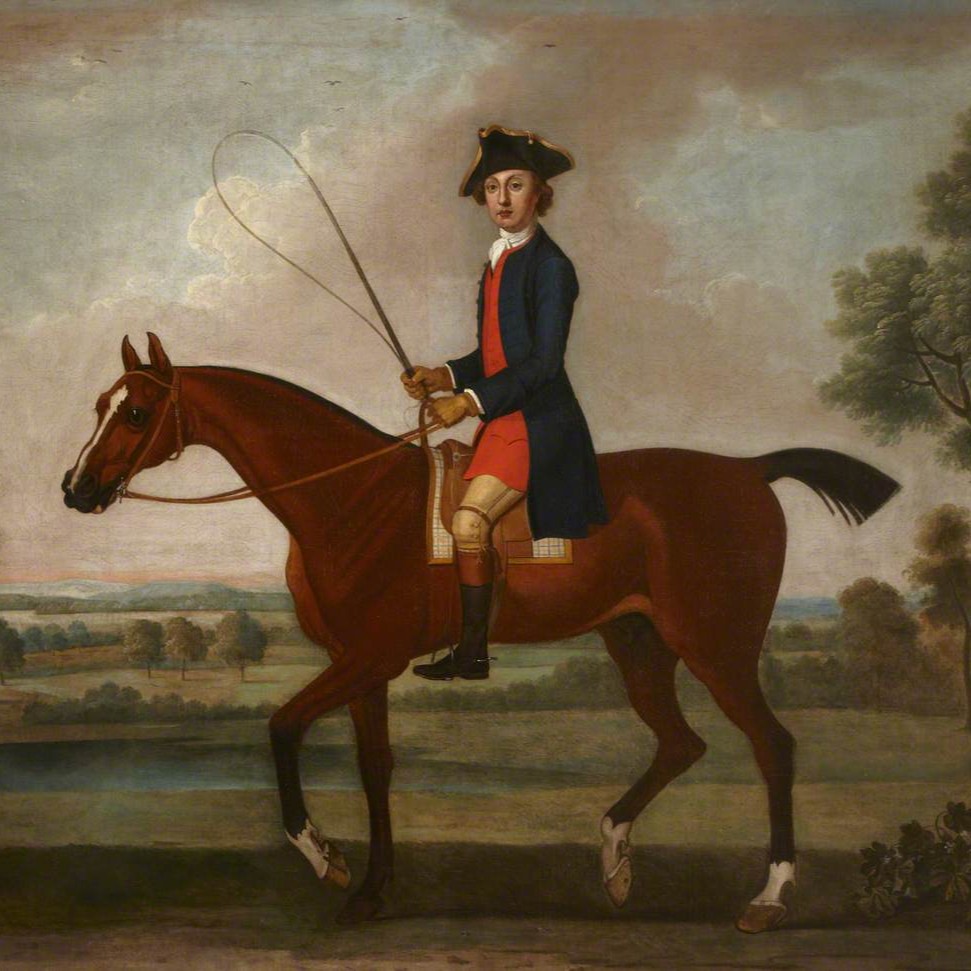
Gore was a stock and station agent at Goondiwindi when in 1914 he was amongst the first to enlist in the Australian Light Horse for the First World War. He saw active service in Egypt, Gallipoli, France, Italy, and Austria.
Gore served with the 2nd Light Horse before he was hospitalised with enteric fever and evacuated from Egypt to England. There he joined the Royal Flying Corps and in France was credited with shooting down a two-seater German aircraft. One day in 1917, Gore’s Sopwith Pup and his squadron came up against the flight led by Baron von Richthofen, the Red Barron. The result was a draw, two machines downed each, and Gore survived.
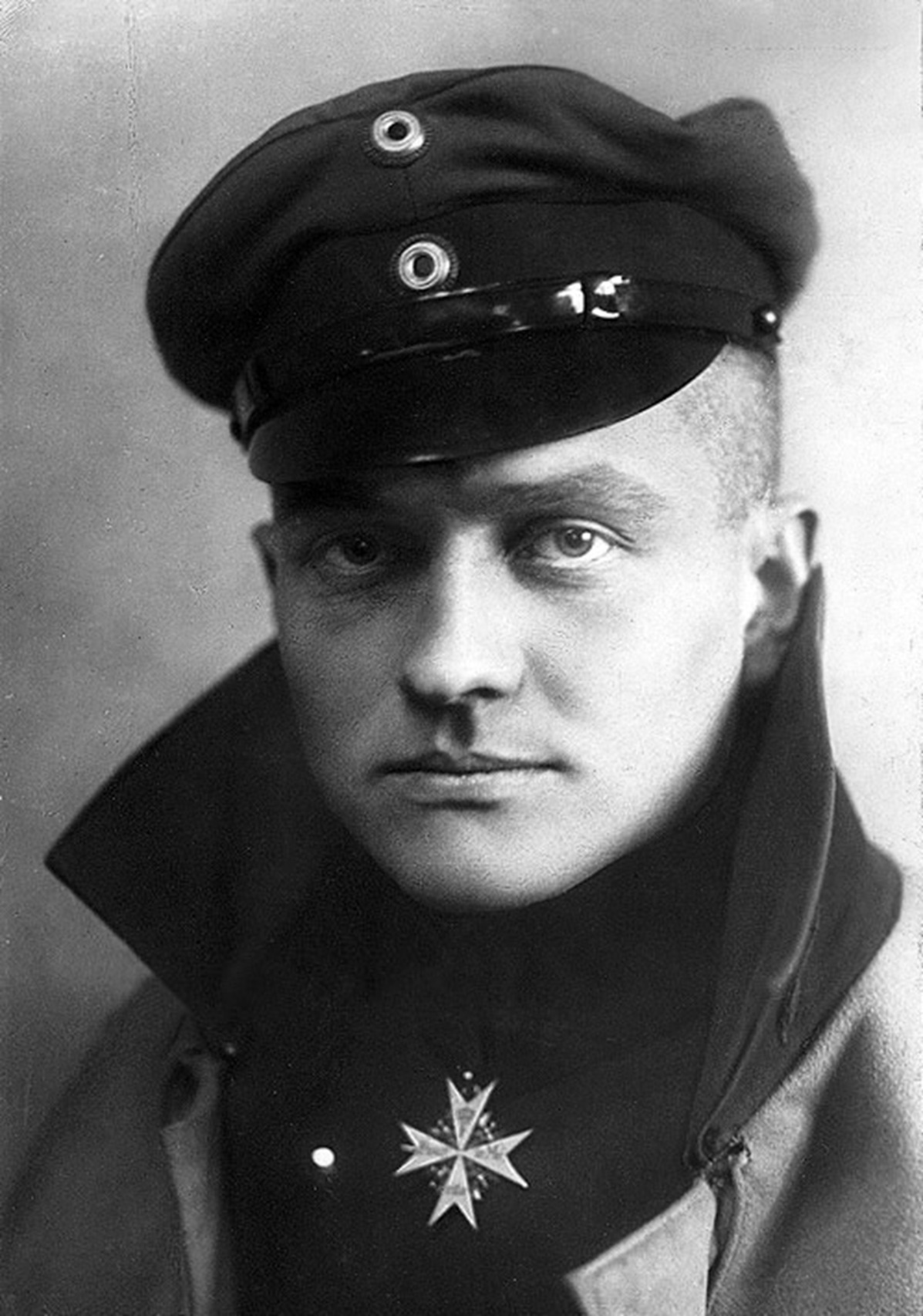
Gore often saw Richthofen flying, and he was not impressed. He said that Richthofen’s pack generally did most of the work, and their leader finished it.
Gore was then sent to Italy to bolster the front against the Austro-Hungarian Empire. He began flying the more powerful Sopwith Camel. But Gore flew for the last time on the 2nd of February 1918, when three enemy Albatros D111 biplanes attacked his patrol. Gore was shot down, his plane was seen spiralling out of control from 14,000 feet, about twenty-five miles behind enemy lines.
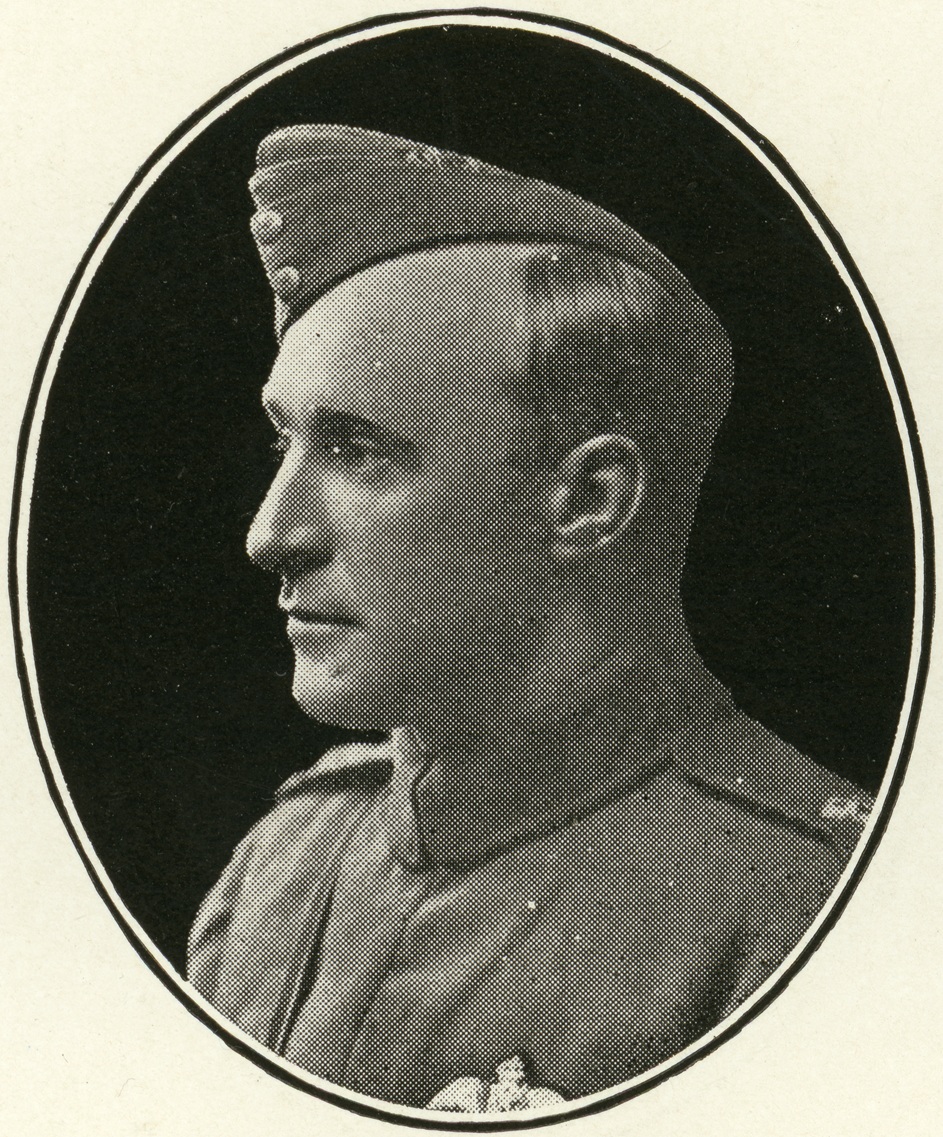
Gore was presumed killed and for two months was officially posted as dead. But he survived the crash landing, pinned underneath his Sopwith Camel with a fractured his skull. He became a prisoner of war and the enemy doctors were amazed that he survived his injuries.
He spent the next nine months in captivity in a prisoner of war camp near Salzerbad in Austria. Ironically, today Salzerbad is a health and wellness resort. The armistice with Austria was signed and the fighting finished, but that’s not the end of Gore’s amazing story.
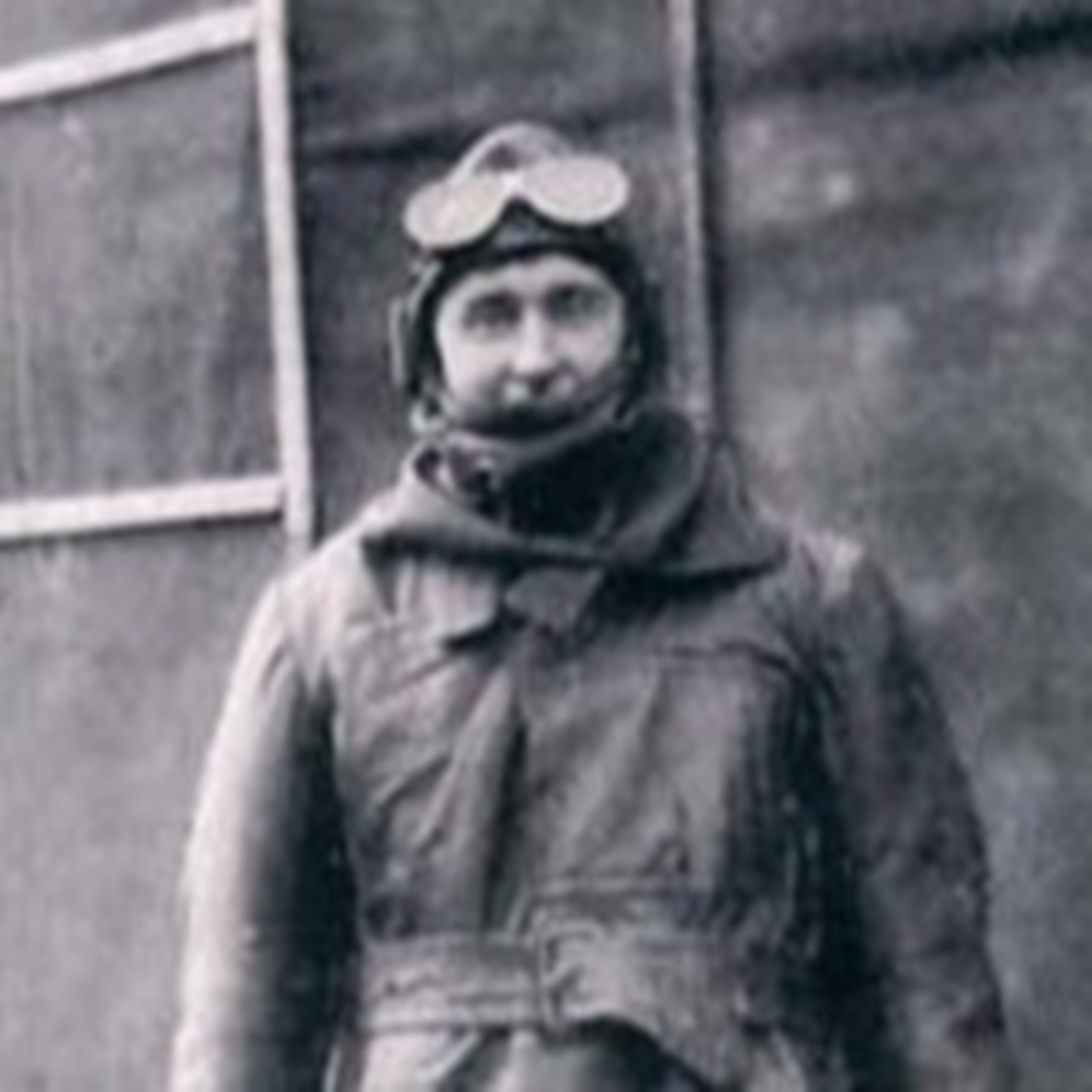
When the armistice came, Gore and the other prisoners simply walked out of the camp. By using food to bribe railway guards and engine-drivers, he got to Trieste in Italy. From Trieste, Gore went to Venice, and there he caught a ride aboard an Italian submarine. The submarine took him to England, and from there he was repatriated home to Australia. Gore then restarted his career as a stock and station agent at Goondiwindi as if nothing unusual had happened.
His father had served in both the legislative assembly and legislative council of the Queensland parliament, his brother was a commonwealth crown solicitor and a judge in New Guinea, and so Gore’s own service was never going to finish there.
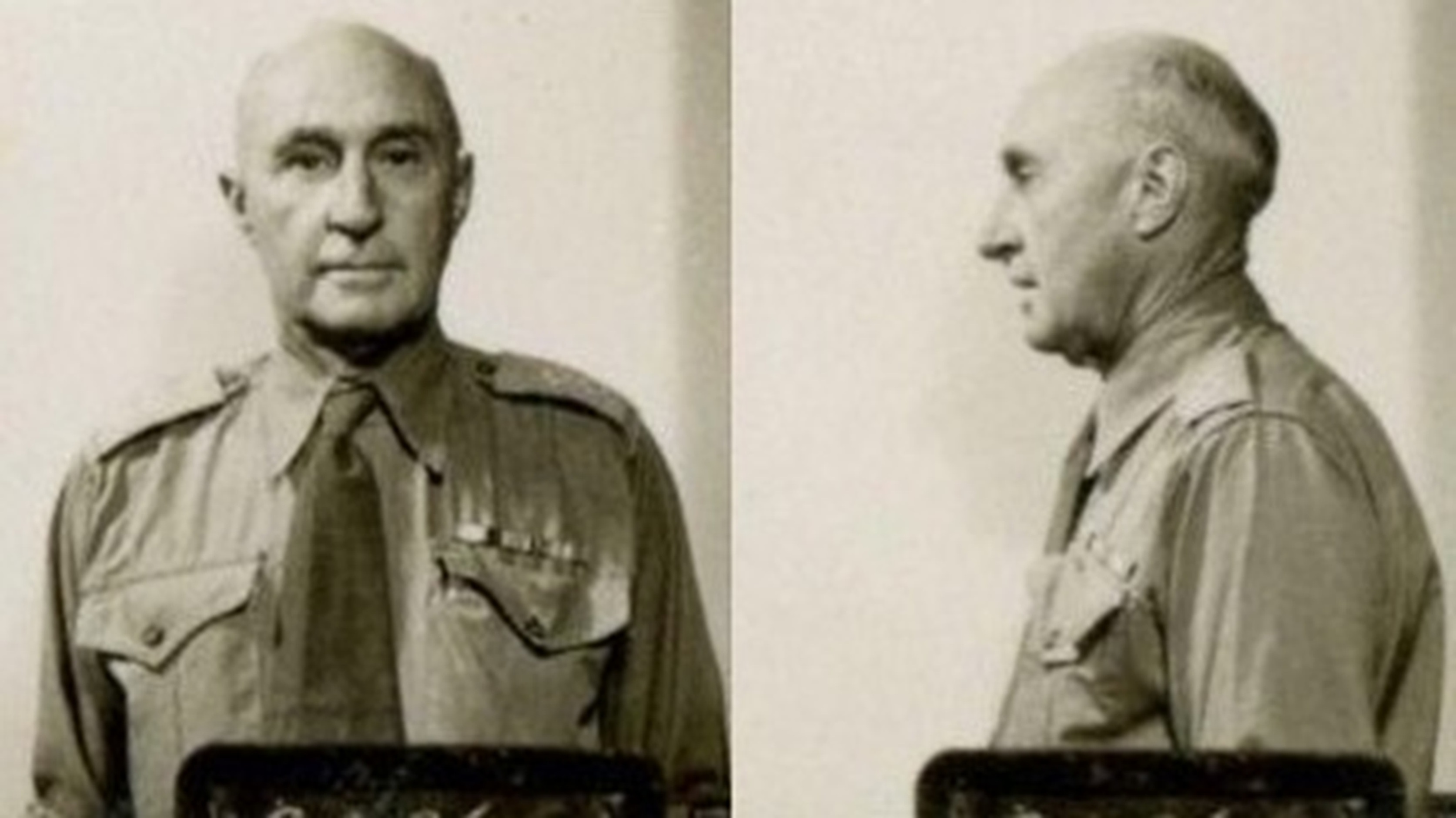
He ended the First World War with the rank of lieutenant, and that’s how he began the Second World War when he again enlisted. He served on the recruiting staff in Brisbane until finally being placed on the retired list just shy of his sixtieth birthday.
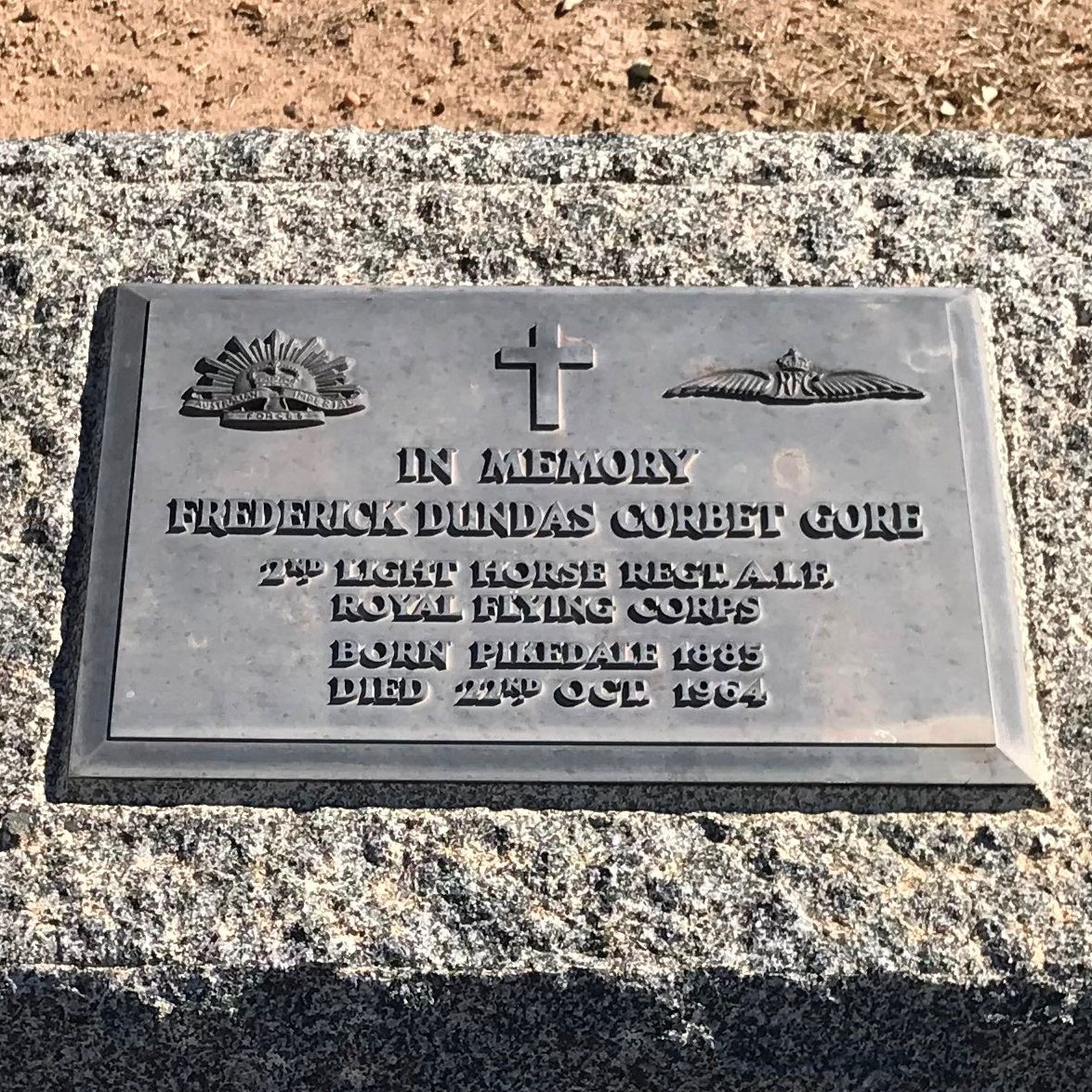
Gore was living in Macintyre Street, Goondiwindi, when at the age of seventy-eight he passed away in 1964. He was buried at the Goondiwindi cemetery.
Dassie Gore didn’t receive any bravery awards, but I defy you to find an Anzac story more diverse than this. It began with his service at Gallipoli, he shared the skies with the Red Baron, was a POW in Austria, and caught a ride to England aboard an Italian submarine. Not bad for just a Goondiwindi stock and station agent.
CLICK HERE TO LISTEN TO A VERSION OF THIS STORY TOLD ON RADIO 4AK.
Photo credits:
The Dassie Gore Story – Harold Peacock with Copilot.
18th-century portrait by Thomas Spencer depicts Ralph Gore, 6th Baronet, 1st Earl of Ross, on his bay hunter – Blogspot website.
Manfred Albrecht von Richthofen – Wikipedia Commons.
Portrait of F.D.C. Gore – State Library of Queensland.
Frederick Dundas Corbet Gore in flying gear – Ancestry website.
Frederick Dundas Corbet Gore WW2 enlistment photos – National Archives of Australia.
Frederick Dundas Corbett Gore, Goondiwindi Cemetery – Ann Sainsbury 2019 via Find a Grave.


A great yarn Harold
LikeLike