
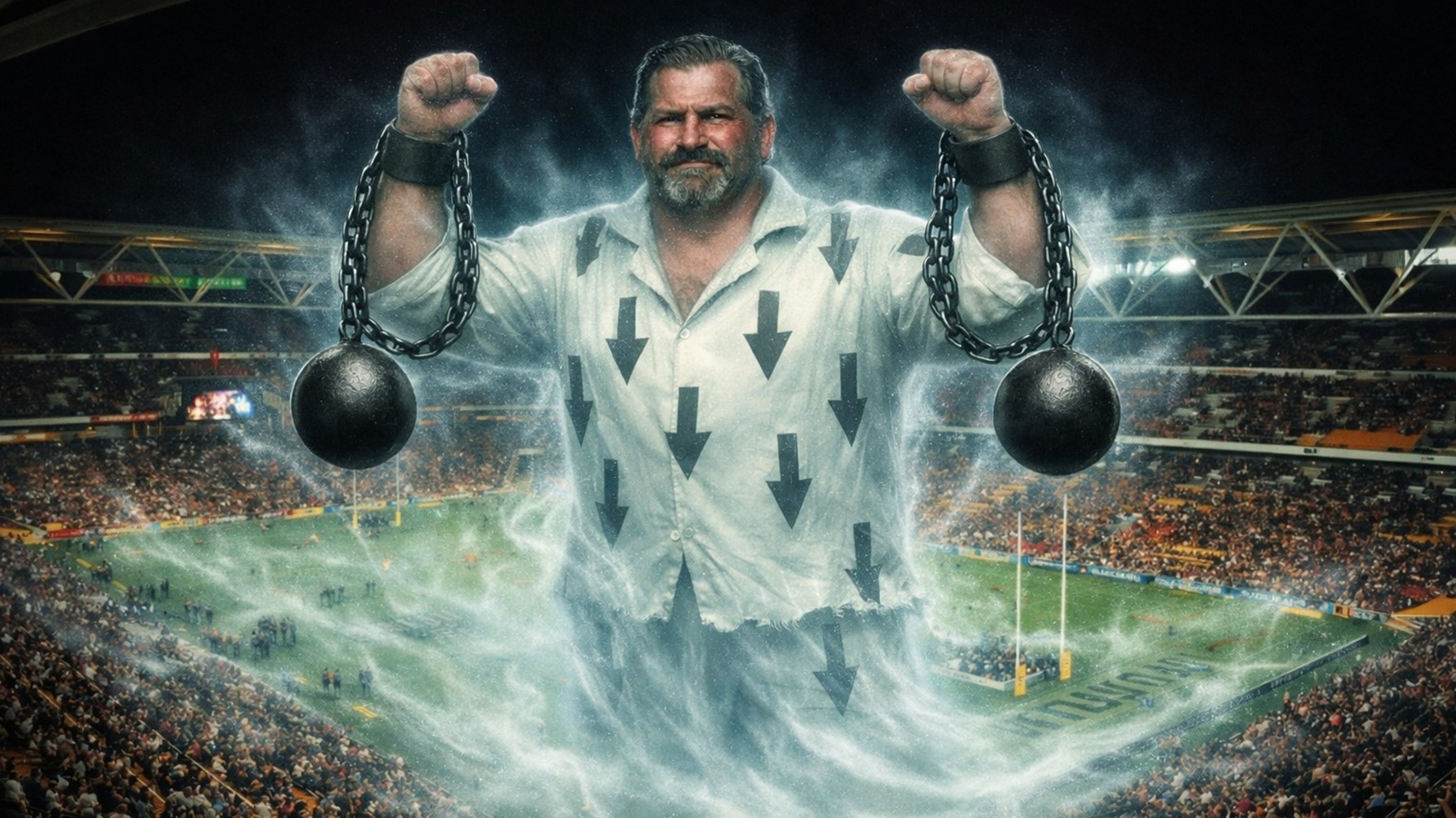
Whenever the Queensland State of Origin rugby league team plays at Lang Park, the team runs to the beat of the heart of the founders of the state literally under their feet. I told a version of this story live on Darling Downs radio 4AK.
The old Paddington Cemetery in Brisbane was in use for thirty-one years until 1875 when the graves were gradually abandoned once the Toowong Cemetery opened. Some remains were exhumed, relocated, or just left there and forgotten as the place was redeveloped.
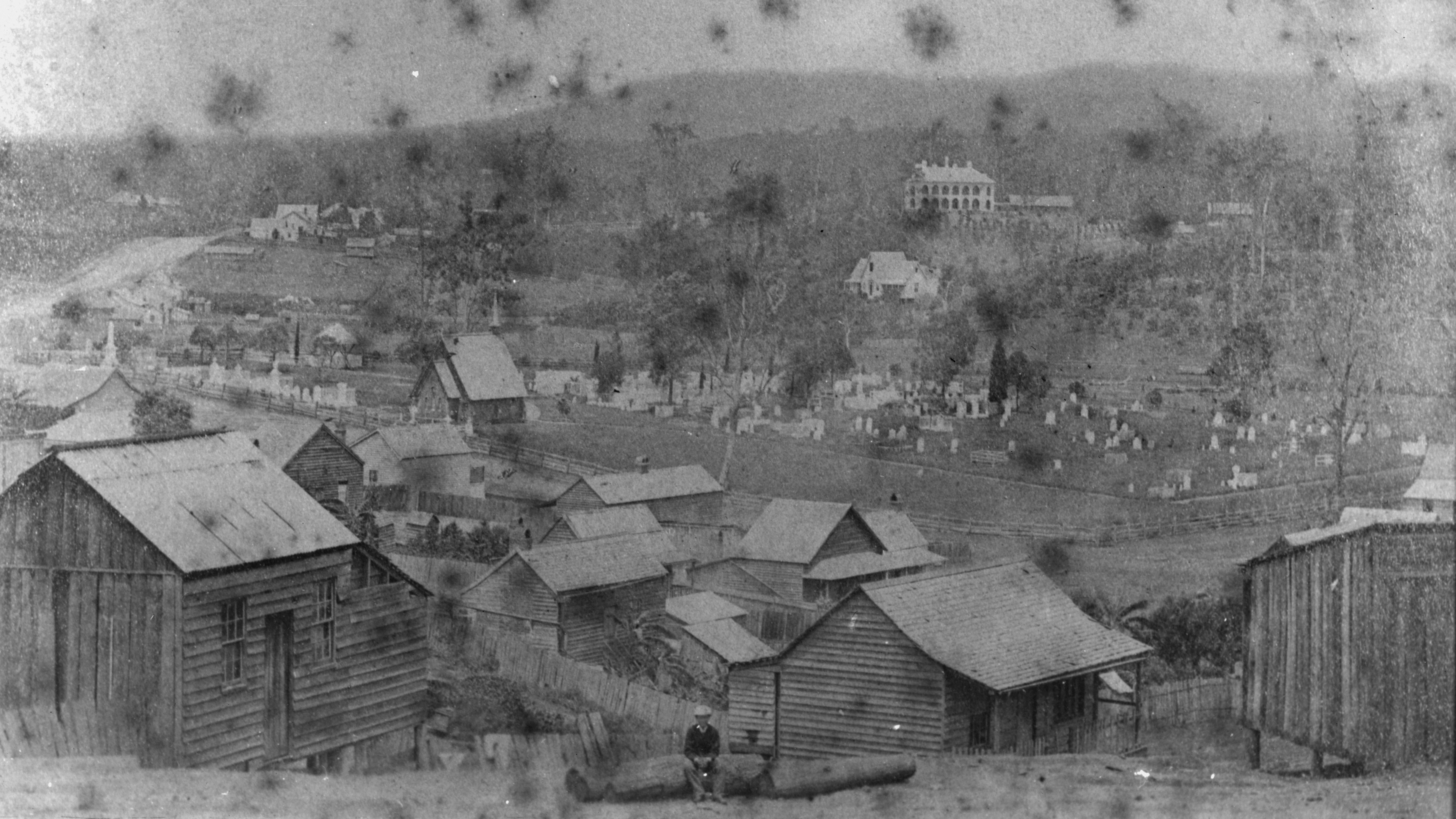
It’s well known that the old Paddington Cemetery today is Lang Park where the State of Origin matches are played. Not all the human remains were removed, and so there’s absolutely Queensland DNA under the turf on which they play.
There’s one person still there who was central to the very founding of Queensland and is representative of the classic story of Australia.
In 1840 Patrick Leslie was the first pioneer to settle the Darling Downs and so it was Leslie who effectively began Queensland’s modern economic prosperity, although separation from New South Wales was still a couple of decades away. It was Leslie and a convict named Peter “Duff” Murphy who struck out in advance of the main the party. Murphy was a convict lifer who had been assigned to Leslie, and who Leslie described as being “the best-plucked fellow” he had ever come across.

Murphy went on to become the District Constable and later Chief Constable of Moreton Bay. The town of Murphys Creek in the Lockyer Valley on the Toowoomba line bears his name. Imagine that, a town named after a convict.
Following with the livestock and drays was the rest of the party which consisted of twenty-two men, all of whom who were ticket-of-leave holders and convicts. Leslie described them as being “as good and game a lot of men as ever existed.”
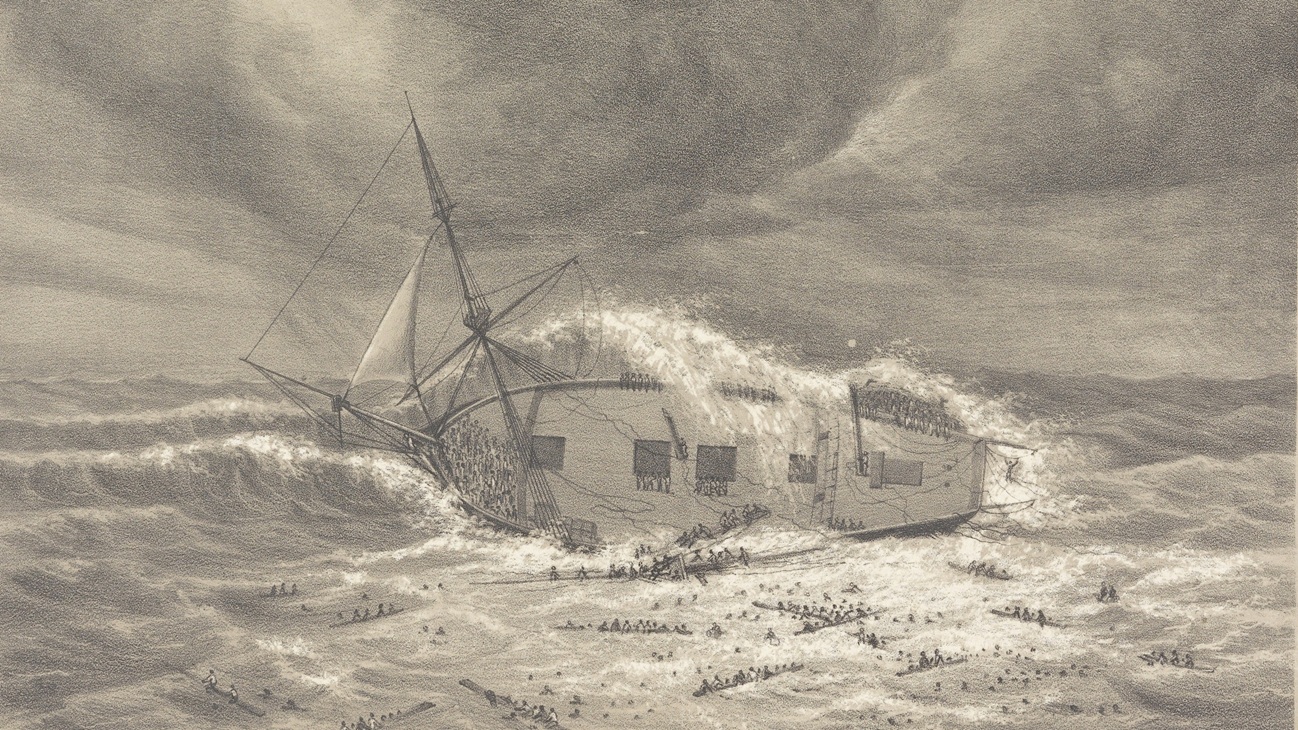
Amongst them was Duff Murphy’s best mate. His name was Johnny Marvell. Marvell was a convict who’d been sentenced in Liverpool to seven years transportation. He arrived in New South Wales in 1833 aboard the ship Waterloo, which on its very next voyage was wrecked with the loss of 189 lives, 142 of them convicts.
Marvell was thought to have been a descendant of the famous Andrew Marvell. He was an English poet, politician, and tutor for aristocrats on the Grand Tour. A portrait of him hangs in Trinity College, Cambridge.
Marvell befriended Murphy and was assigned to Leslie’s party that help found the Darling Downs, and which was so admired by Leslie.
Marvell and the rest of the ticket‑of‑leave men had earned conditional freedom to work and live in the district. They provided the backbone of Leslie’s workforce at the Canning Downs and later Toolburra stations, both not far from Warwick. Their skills were essential for transforming open grasslands into functioning pastoral stations. The ticket‑of‑leave men, including Marvell, were the unsung builders and heroes of the first viable economy west of the Great Dividing Range. In effect, they founded and made viable, Queensland itself.
And Duff’s best mate, the convict Johnny Marvell, he was one those buried in the old Paddington Cemetery. He was never exhumed, and so his heart remains there today, now part of the spirit of Lang Park which has powered Queensland teams to this very day.
We shouldn’t forget the contribution that Johnny Marvell made to our state back then, and also on State of Origin night. I know that Johnny would always be cheering them on.
CLICK HERE TO LISTEN TO A VERSION OF THIS STORY TOLD ON RADIO 4AK.
Photo credits:
The Marvell Beneath Lang Park – Harold Peacock with Copilot.
View over Paddington Cemetery towards Milton, Brisbane c1870 – State Library of Queensland.
Patrick Leslie – State Library of Queensland.
Wreck of the Waterloo convict ship, Cape of Good Hope, 28th August 1842 – Wikipedia Commons.


[…] history is that Hely’s mother Georgina, the family’s closest link to Lord Lucan, she’s one of those buried underneath the football arena Lang Park, in what was once the old Paddington […]
LikeLike