
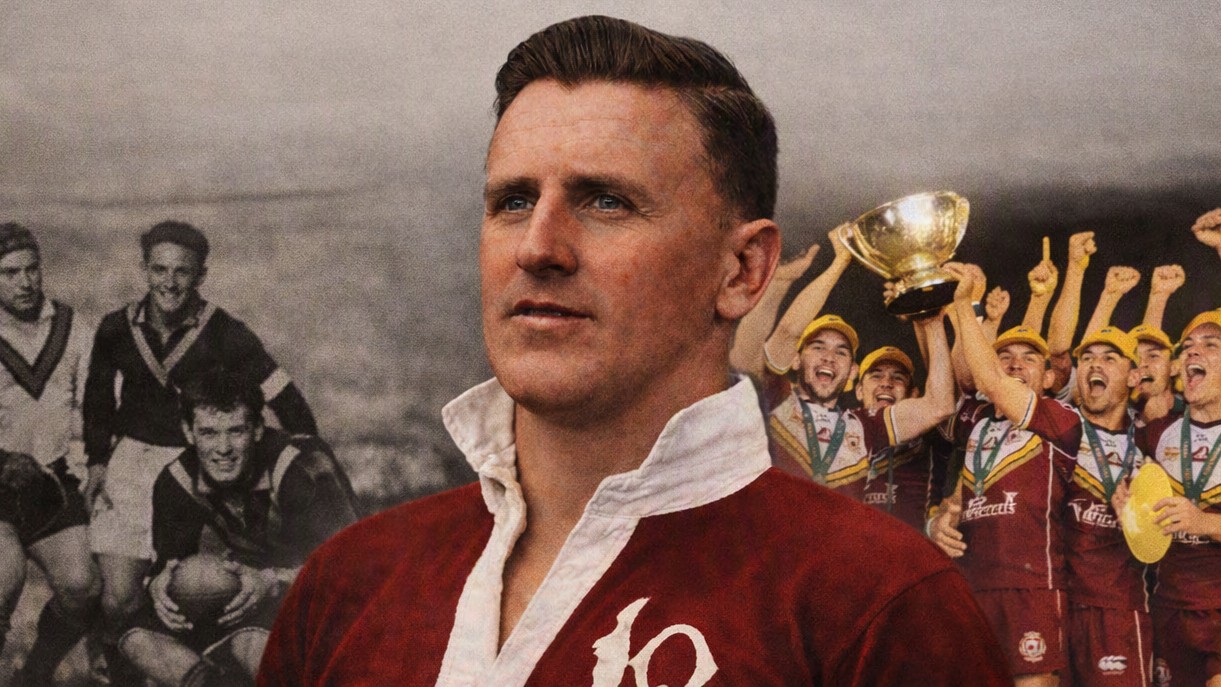
Ninety years ago the Barcaldine Sandgoannas rugby league club caused a sensation by poaching a city star. I told a version of this story live from Barcaldine on West Bremer Radio.
There are a surprising number of connections between the diverse Queensland towns of Ipswich and Barcaldine.
The Ipswich artist D’Arcy Doyle has a huge mural in the main street of Barcaldine. The tallest building in Barcaldine is the water tower and it was built by a firm of engineers from Ipswich. And when travelling to Barcaldine a typical halfway is at Injune where there’s the steam locomotive from Queensland’s worst rail disaster, and it was built in Ipswich.
But the biggest and most controversial connection came in 1936 when the Barcaldine Sandgoannas poached the Ipswich star player Colin “Bull” Thornton.
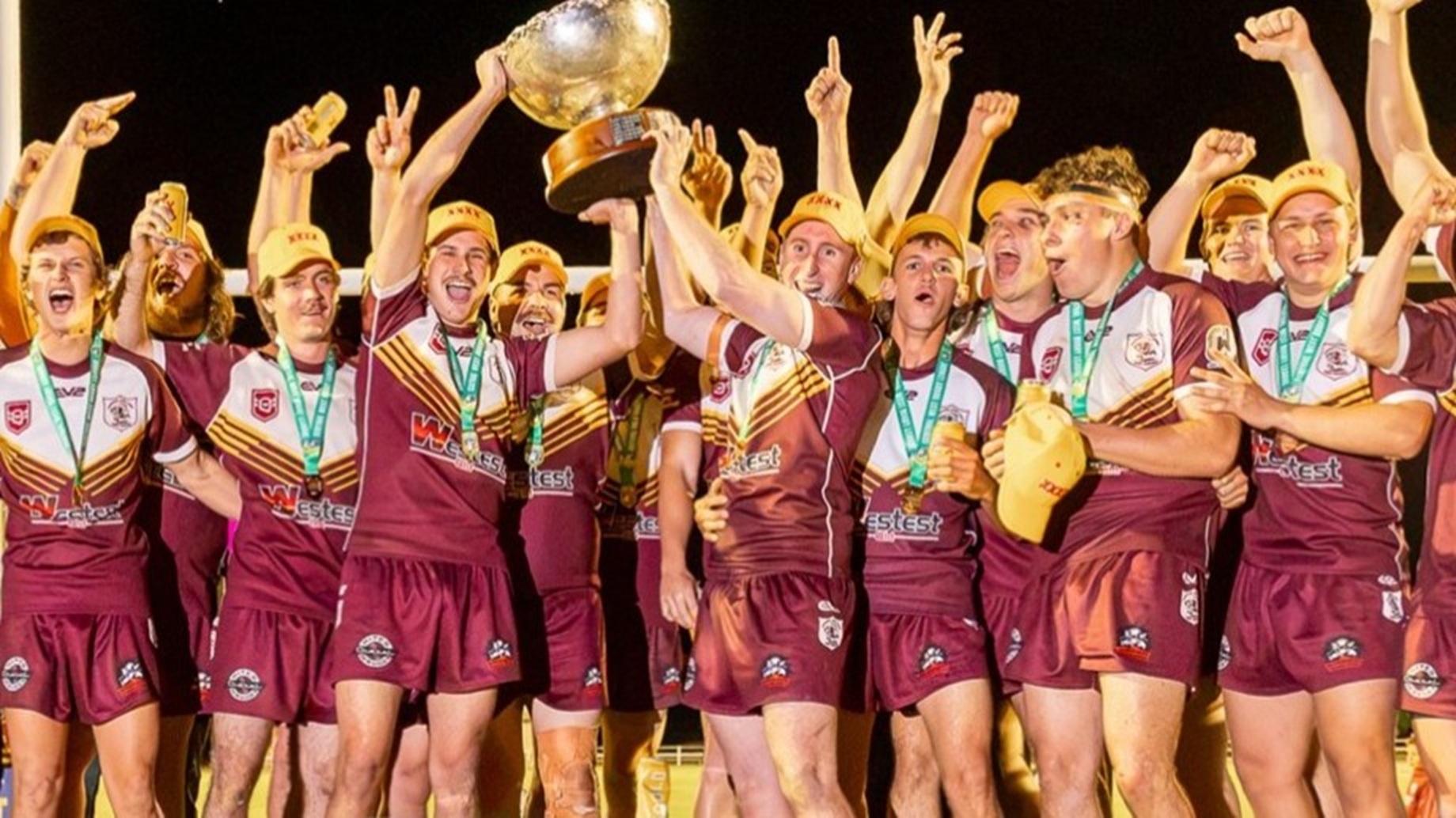
Barcaldine were a good team then and they are now. Last month the Sandgoannas won their second-consecutive Central West Rugby League premiership.
But back in 1936, Bull Thornton was Ipswich’s best player and captain. Bull was selected for Queensland to tour New South Wales. He was so well regarded that Sydney’s Newtown club had pledged to sign him. Just two seasons earlier Newtown had won the premiership. Bull only had to take the field for Queensland on the Sydney tour and the big money of Newtown in the New South Wales rugby league was his.
But Bull was controversially omitted from every Queensland team on tour, and when he returned to Ipswich, even his own team Ipswich didn’t pick him in the run-on side in the Bulimba Cup.
Bull knew he had been given a raw deal and so immediately left Ipswich to join the Barcaldine rugby league club. Ipswich then lost the Bulimba Cup decider to Toowoomba by a solitary point, the loss many observers blamed on Bull’s departure to Barcaldine.
Bull returned to Ipswich for the 1937 season and was a tower of strength for both Ipswich and Queensland, and this time was considered by leading critics as the unluckiest player to miss out on Kangaroo selection that year.
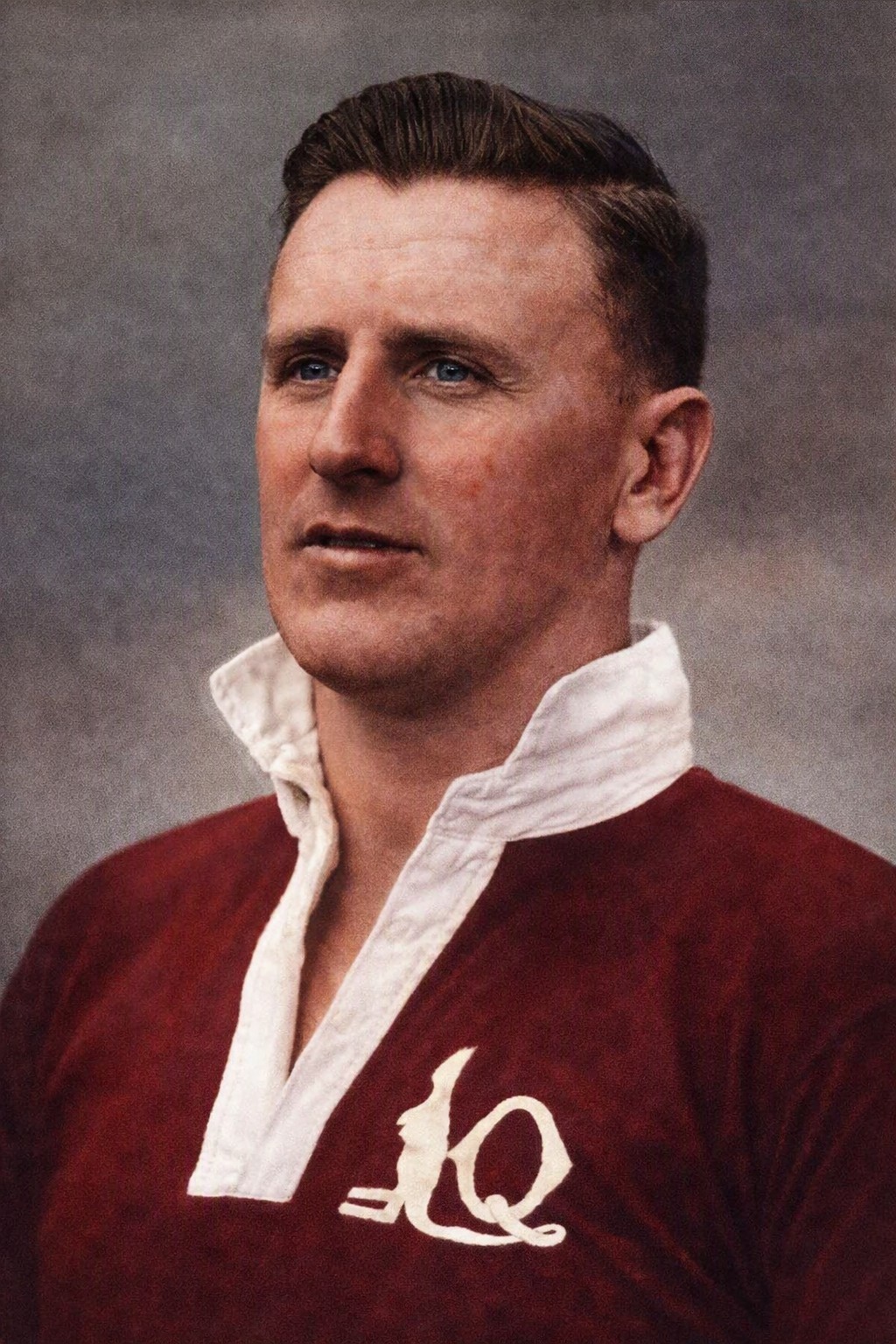
After that second raw deal, in 1938 Bull again turned his back on Ipswich, this time accepting a contract for £7 a week plus accommodation to be captain-coach of the Townsville Rugby League team. The following year 1939 and Thorton was again captain of Townsville and this time also captain of North Queensland.
Bull returned to Ipswich and in 1946 reached the pinnacle of any Queenslander’s sporting career when he was appointed captain of the Queensland rugby league team to tour New South Wales. This time Ipswich was oozing with pride over his appointment, noting that he was the second son of Mr. and Mrs. John Thornton of Hunter Street in Brassall. Bull’s older brother Roy had also represented Ipswich at rugby league. Another brother Eleazar had been an attendant at the Ipswich Hospital for the Insane.
After that 1946 interstate series, Townsville chased him to return to Townsville again as captain coach. But Bull had one more match to play in Ipswich.
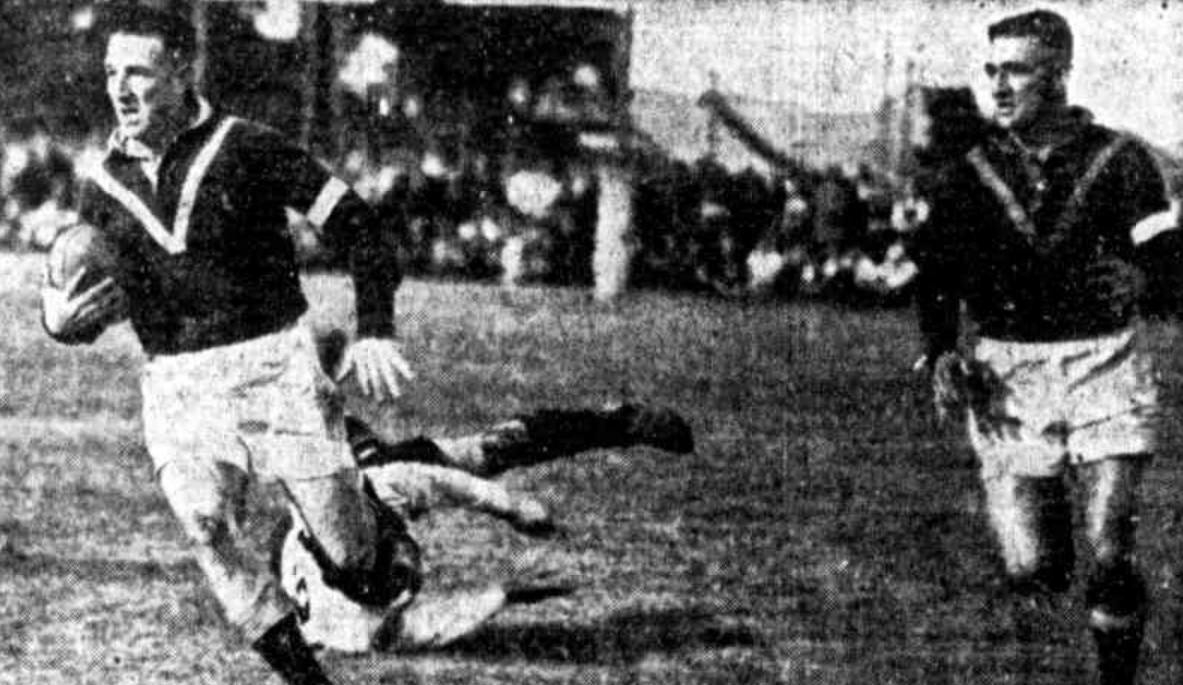
It was against the touring England rugby league team at the North Ipswich Reserve. England did not receive a single penalty in the match, whereas Ipswich benefitted from 17 penalties. In any case, England won the game by 29 points to 12. Bull was Ipswich’s captain and he played his best game of the season. When the Ipswich pack was intact, he was devastating in the lock position.
Bull Thornton finished his career having played 29 representative games for Ipswich and 15 for Queensland, 3 of them as captain. But he would have played many more for Ipswich if not for the 1936 raw deal, and subsequently being prized out of Ipswich by Barcaldine ninety years ago.
CLICK HERE TO LISTEN TO A VERSION OF THIS STORY TOLD ON WEST BREMER RADIO.
Photo credits:
Barcaldines Raging Bull – Harold Peacock with Copilot.
Sandgoannas survive Tigers scare to go back-to-back – QRL website 20th July 2026.
Colin Bull Thornton – Queensland Times, Ipswich, 9th May 1946, page 3, repaired and colourised with Copilot.
Jimmy Simpson supported by Alan Brown evading a Ken Gee tackle, Ipswich v England – Queensland Times, Ipswich, 13th July 1946, page 1.


[…] I discovered stories about the Muckadilla bore and Barcaldine Bull Thornton, but the actual reason for me going to the Maranoa and Central West districts of Queensland was in […]
LikeLike
[…] arriving in Barcaldine, I found related stories about the Muckadilla Bore and Barcaldine Bull Thornton. When I got out there, I caught up with Roko Hunt who is the star player of the back-to-back […]
LikeLike