
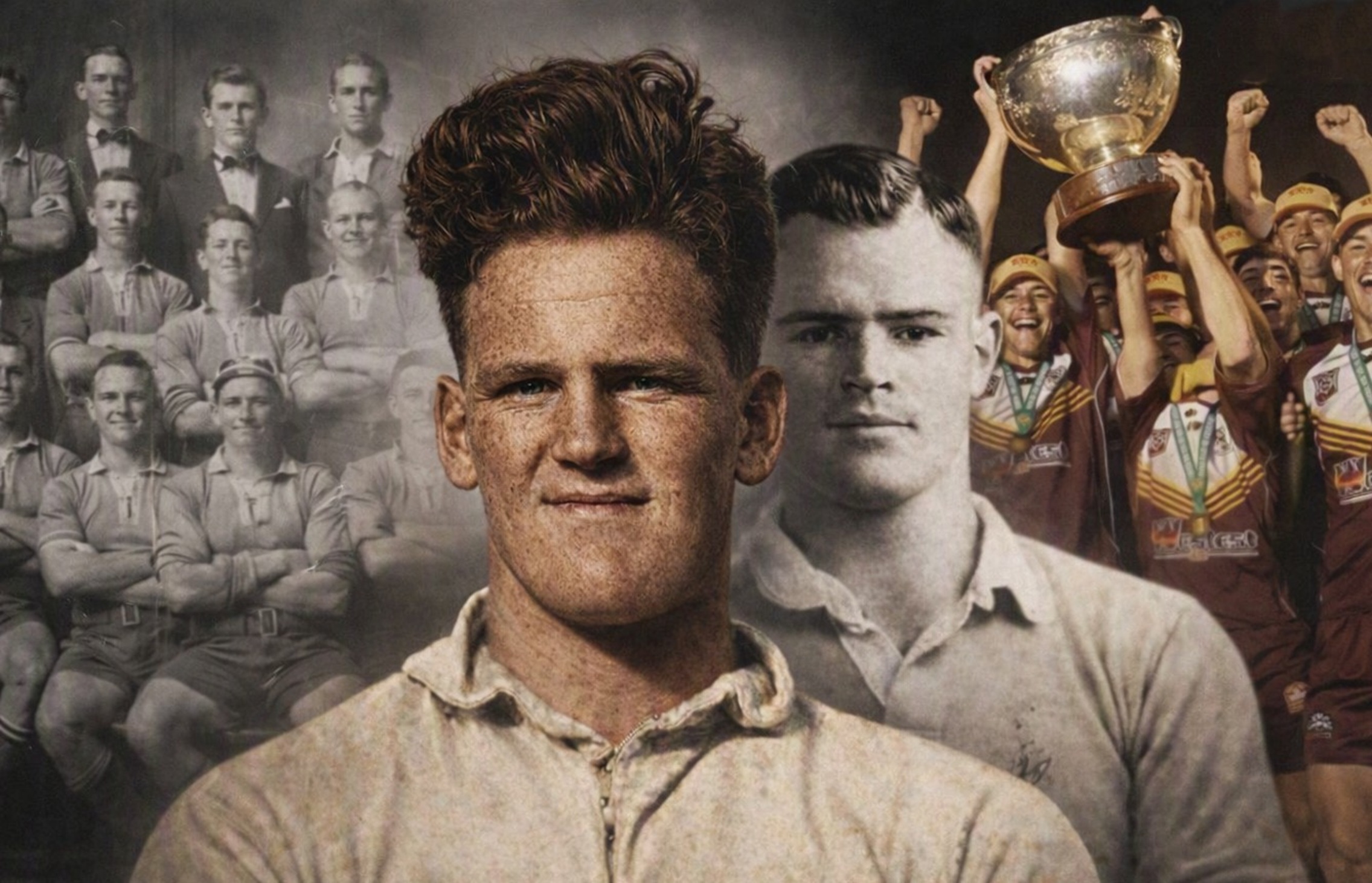
This week I’m going grave hunting in the Outback, and while I’m there I’m following in the footsteps of a Toowoomba rugby league nomad from a century ago. I told a version of this story live on Darlings Downs radio 4AK.
Toowoomba’s Patrick Keating was a rugby league nomad, moving between teams across Queensland and New South Wales to make a living during the Great Depression.
Keating was born in Winton, Queensland, in 1907. He burst onto the Toowoomba club rugby league competition in 1929 as a promising colt for the Brothers club in what was reported at the time as some of the finest club matches ever seen.
Toowoomba had beaten England in 1924 in one of the most famous victories in Queensland rugby league history. This wasn’t just a regional upset — it was a defining moment which cemented Toowoomba’s reputation as a rugby league powerhouse, producing players who would represent Queensland and Australia throughout the 1920s. Keating was part of that uncompromising generation.
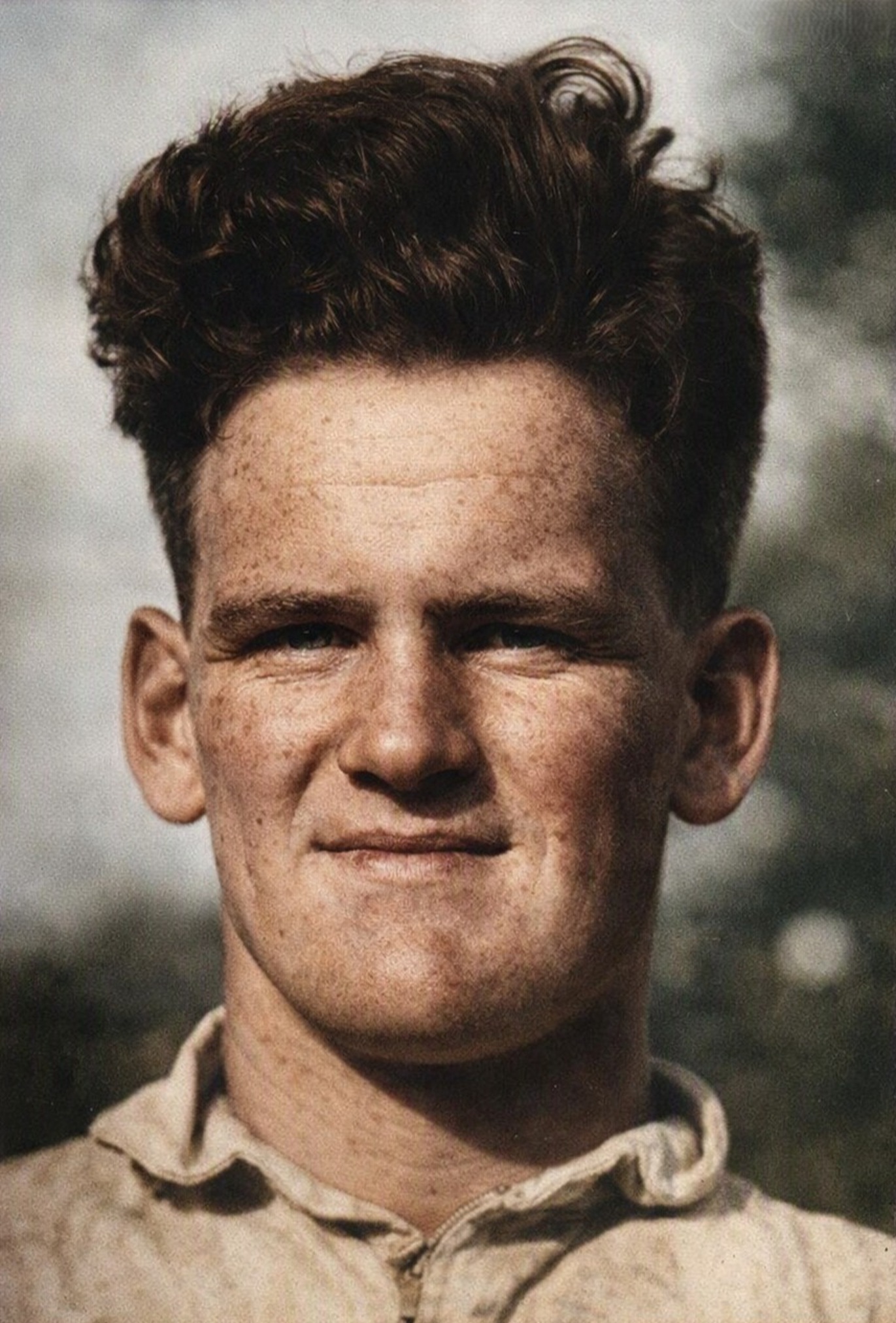
Come 1930 Keating was mastering his position of five-eight and was considered a candidate for representative honours. Playing for Toowoomba in the Bulimba Cup, he was knocking at the door for interstate recognition. He was improving his game in attack, while also being a demon in defence
But the Depression was beginning to bight, scratching out a living was paramount, and Keating successfully applied for the job of player-coach of the Barcaldine Rugby League Club.
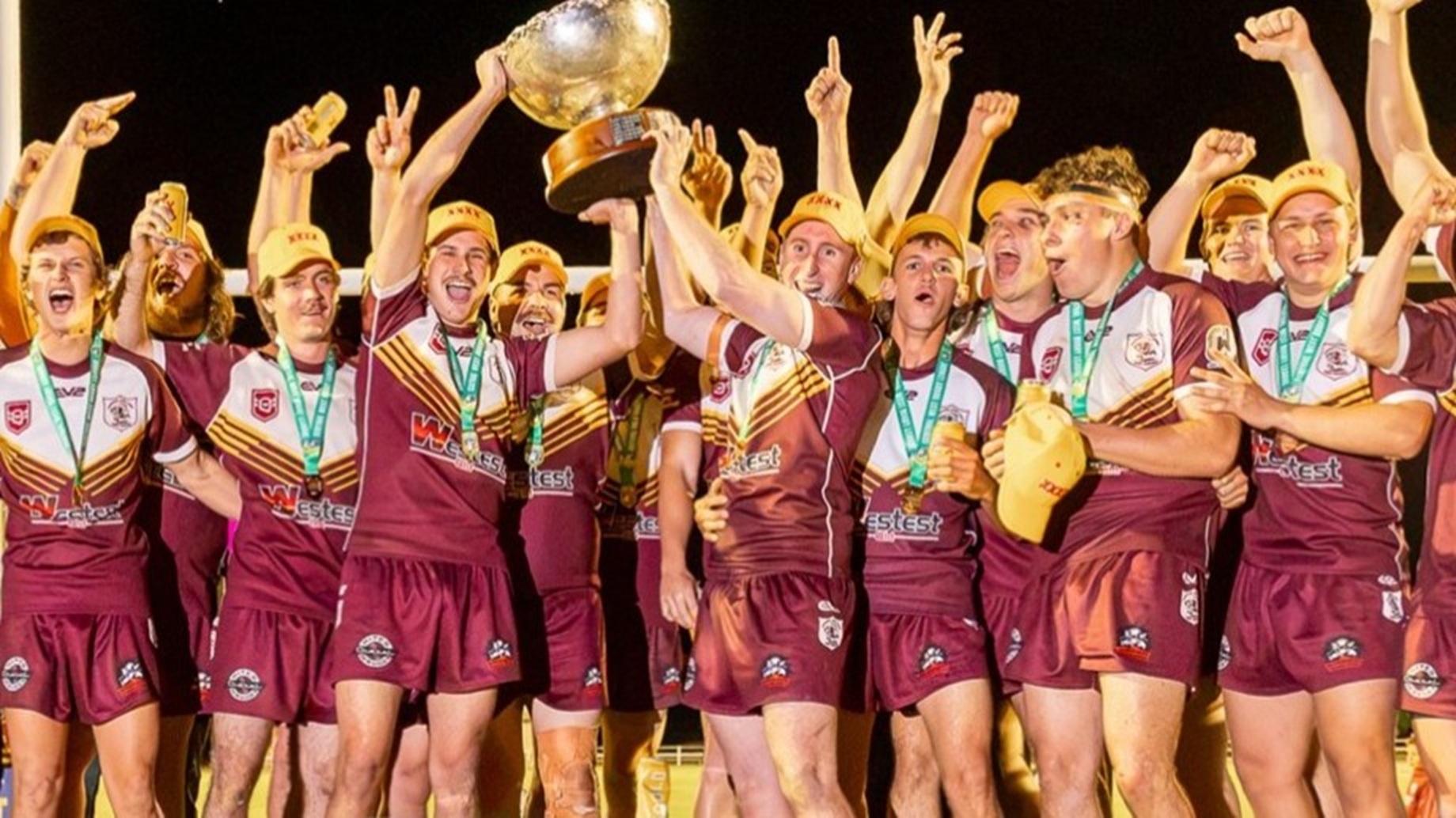
Barcaldine probably paid him in the vicinity of £6 a week plus board, the country clubs had to do that to get players. Last month the Barcaldine Sandgoannas won their second-consecutive Central West Rugby League premiership. When Keating left following the 1931 season, the club presented him with a handsome brush and comb in a pink plastic case, back when plastic was an amazing new invention. He then finished the year back home in Toowoomba.
For 1932, Keating went to Moree in northern New South Wales as player-coach. He proved really popular and quickly established himself a favourite with players and public alike. He built a team that was considered virtually unbeatable in the state’s north-west. The Moree Boars are still a force and last year powered to another Group 4 rugby league premiership.
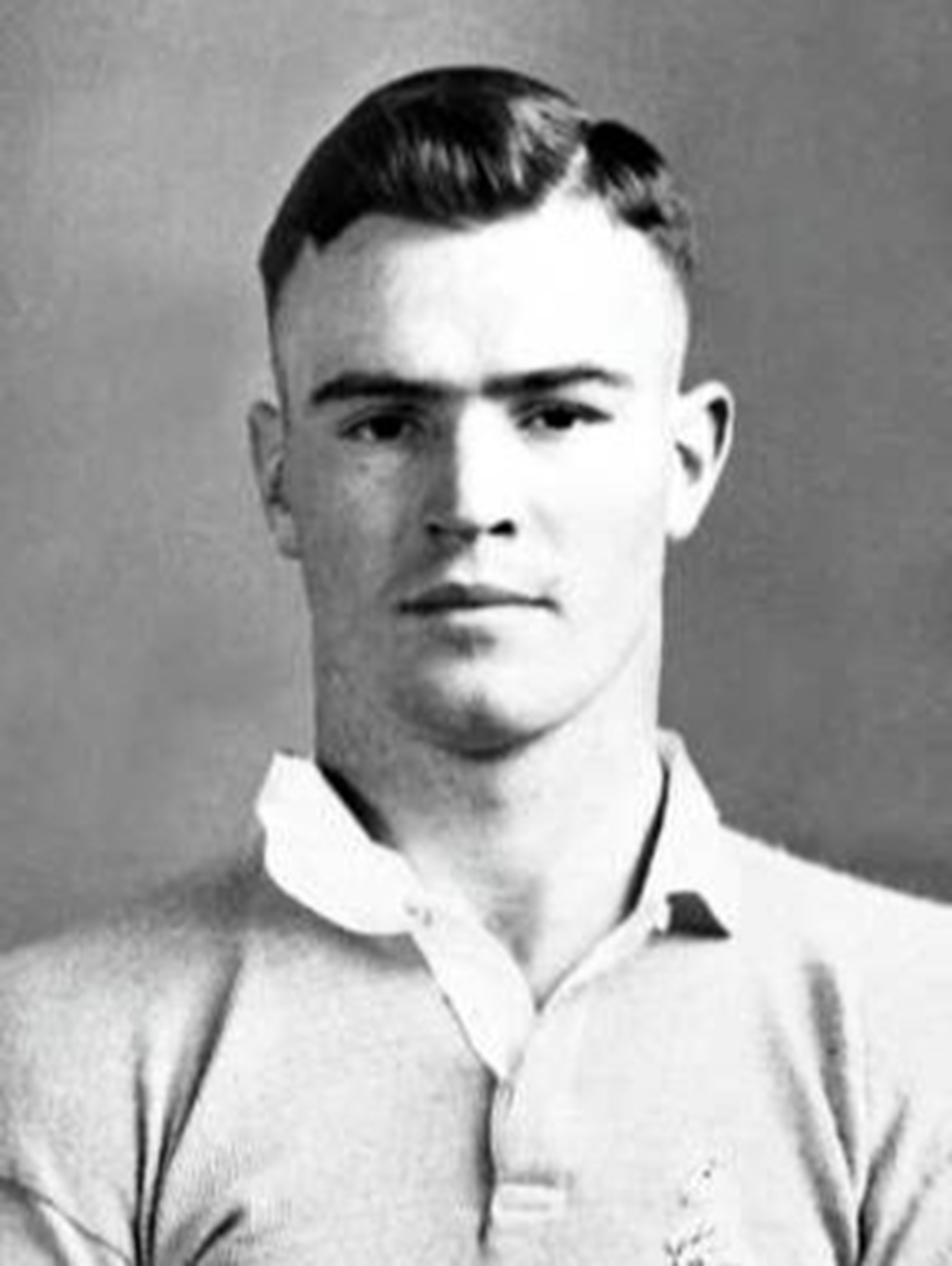
For the 1933 season, Keating applied for the player-coaching role at the Condobolin Rugby League Club in the west of the Central West region of New South Wales. He was twenty-six years old, five feet ten inches tall and weighed a fit twelve stone. However, from forty applicants, the job went to Ray Stehr the star player from Sydney’s Eastern Suburbs club, a New South Wales and Australian presentative, and one of Australia’s finest footballers of the twentieth century. But Stehr couldn’t commit in time, and so the second-choice Keating got the nod.
In Condobolin’s first recorded match just eleven years earlier, they travelled up the road and played Bogan Gate despite the field being under water. The drive home of just fifty-two kilometres today takes thirty-five to forty minutes, but after that match, one car took seven hours with the passengers doing the last eight kilometres by foot, another car took fifteen hours after stopping to let the flood waters go down, and a third car took eighteen hours after having to cope with a broken axel.
In 1934, Keating returned to Toowoomba to again be one of the best players for Brothers but never forgot his country teams though. He obtained a football signed by all the Australian Kangaroo players who went on the recent tour on England – four of the players were from Toowoomba, two of whom were Keating’s Brothers teammates. He sent the ball to the Moree Rugby League Club to be raffled off to support the club.
Keating eventually retired to Brisbane where he became president of the Brisbane Brothers club. It was there that he assembled a side of internationals and interstate superstars.
This week I’ll be in the Outback, west of Barcaldine searching for the lost grave of Maggie McNeill – she’s my great-great-grandaunt. While I’m there I’ll be sure to call into the Barcaldine rugby league ground where Pat Keating played all those years ago.
You see, while Toowoomba’s Keating – and other talented players like him – may have sacrificed their chances of higher representative honours, but he supported country life and put food on the table for his family during the most difficult of times, the Great Depression.
CLICK HERE TO LISTEN TO A VERSION OF THIS STORY TOLD ON 4AK.
Photo credits:
Footsteps of a Rugby League Nomad – Harold Peacock with Copilot.
Pat Keating – Sun Sporting Pictorial, Brisbane, 7th August 1930, page 5, repaired with Copilot.
Sandgoannas survive Tigers scare to go back-to-back – QRL website, 20th July 2026.
Rugby League player Ray Stehr – National Library of Australia.

